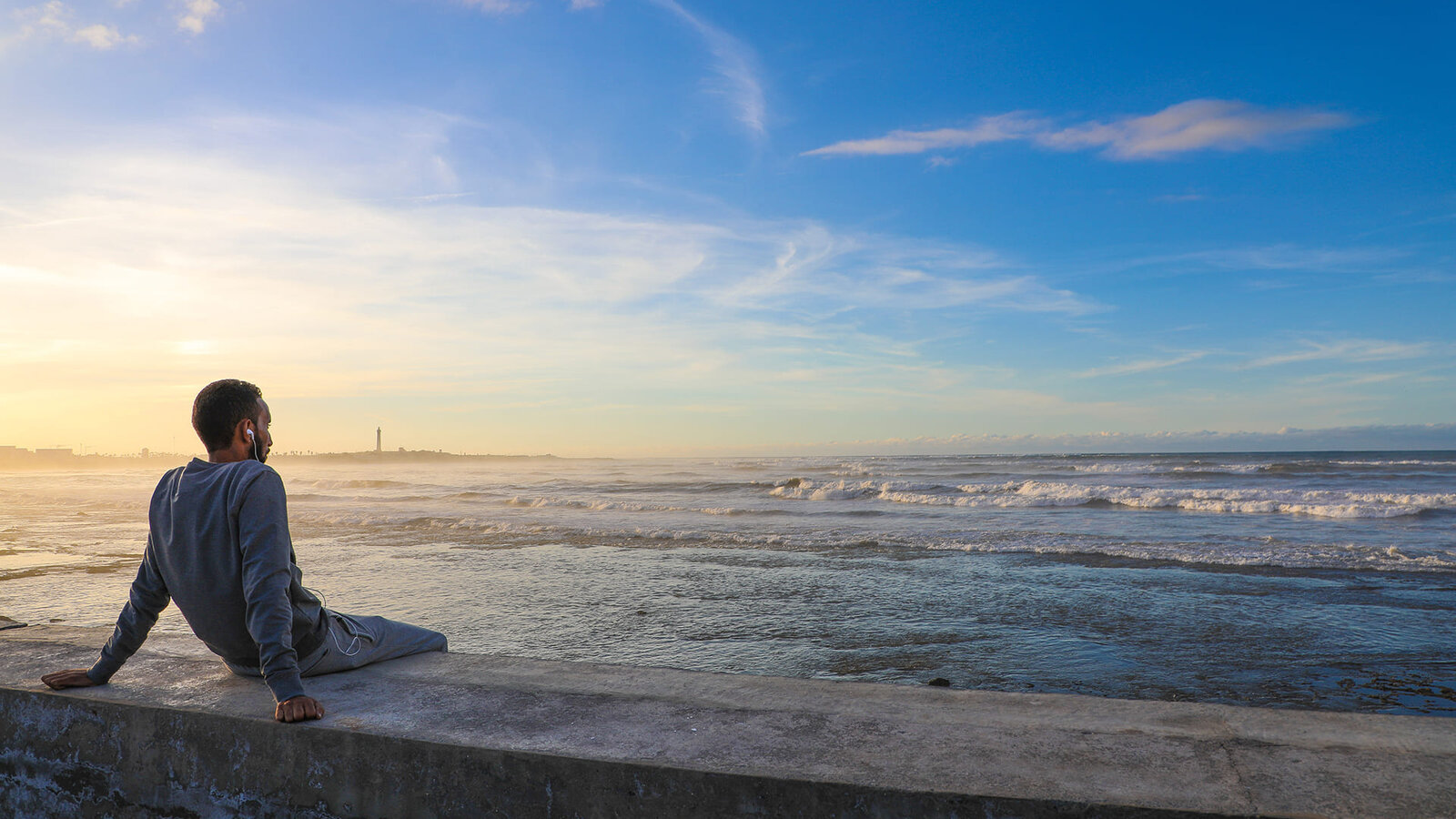
Morocco frightens people about the wrong things. Before a trip, most people ask about terrorism and the earthquake - yet almost nobody encounters either: there hasn't been a major incident targeting tourists since 2011, and the 2023 tremors struck mountain villages, not the tourist trail. What actually happens to roughly one traveller in two is a story about a "helpful" stranger who approached on a square and walked them to the right street for twenty euros, a taxi with no meter running, or a tannery workshop they were led into "just to look". The real risk in Morocco isn't physical - it's financial and nerve-wracking. The good news is that a handful of simple rules, learnable in five minutes, cover most of it.
Below, we go through safety properly: what official sources say in 2026, what's left from the 2023 earthquake, eight situations where travellers typically lose money, and a separate section for women travelling without a companion. After that comes the destination itself: Marrakesh, Fez, Chefchaouen, the Sahara, the High Atlas and beach-focused Agadir, with prices, seasons, flight times from Poland and entry rules.
- Short answer on safety → Is it safe
- What can actually go wrong → Eight situations
- 2023 earthquake: what remains → The Atlas today
- For women travelling solo → Separate section
- Cities, desert, mountains, beach → Where to go
- When to fly and what it costs → Season and prices
- Entry rules from Poland → Visa and documents
- Compare the regions → Comparison
Short answer: is Morocco safe
If you need the answer without reading the whole article - yes, for an ordinary holiday, Morocco is safe, and that's backed by official assessments, not just tour operator marketing.
Official risk levels: Western governments (the US, UK, Canada, Australia) place Morocco in the lower part of their scales - ordinary or increased caution is advised, with no warnings against travel to tourist destinations
Violent crime against tourists: rare; there has been no major incident targeting tourists since 2011
Real risks: pickpocketing in crowds, fake guides and pushy vendors, card payment scams, verbal harassment of women
Worth knowing: tourist zones are patrolled by a dedicated tourist police force (Brigade Touristique) in distinctive uniforms, often with English-speaking officers
A fair caveat: "safe" doesn't mean "hassle-free". Marrakesh and Fez are dense medieval medinas with intense commercial pressure, and an unprepared traveller can find them uncomfortable. The border areas with Algeria and remote desert regions are a separate matter, and ordinary tourist routes don't go there anyway. The specifics follow below.
 What can actually go wrong: eight situations
Nearly every problem tourists run into in Morocco fits into a short list. Knowing these scenarios removes about nine-tenths of the risk.
Eight common situations and how to avoid them:
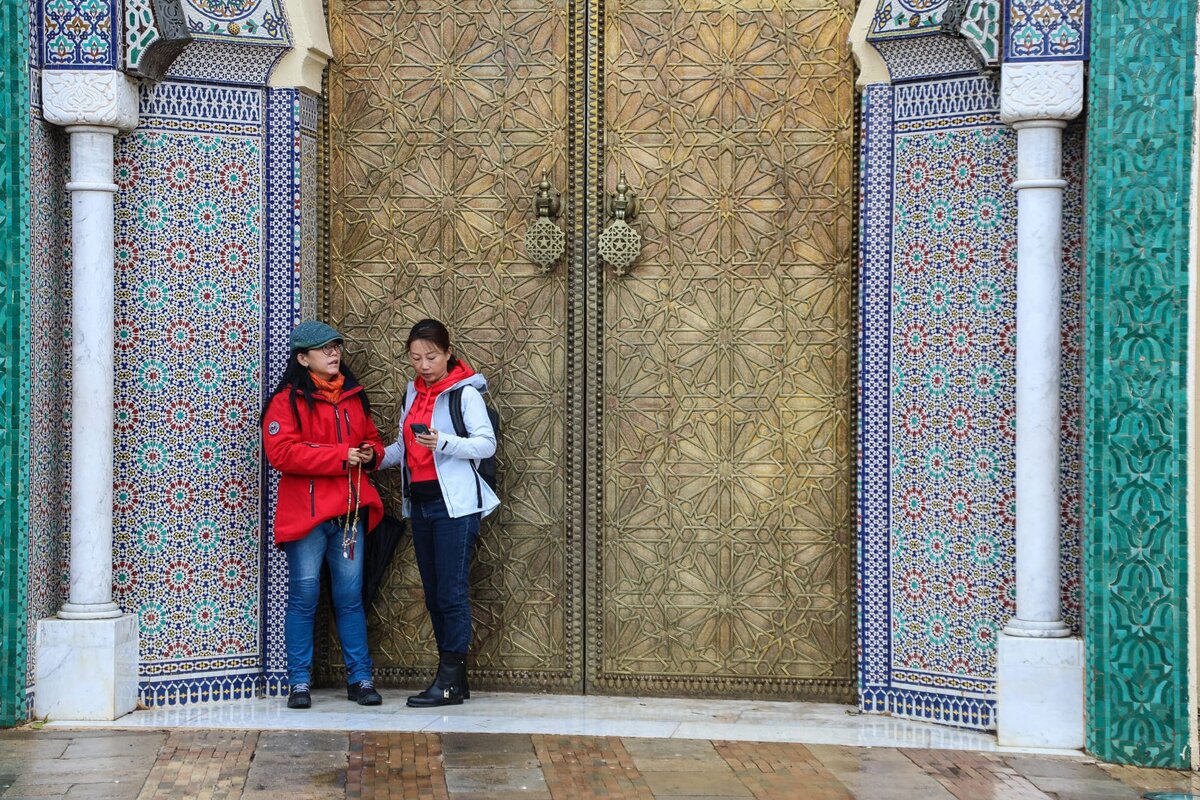
- A fake guide or "friendly helper". Someone approaches you on the street, says the road is closed or the square is the other way, and leads you on a "shortcut". At the end they demand payment, sometimes aggressively. Fix: don't accept help from anyone who approached you first; only use a licensed guide booked through your hotel or a proper operator.
- Tanneries and a "friend's workshop". A classic in Fez and Marrakesh: you're taken to a terrace above the tanneries or into a shop, where an hours-long sales pitch begins. Fix: decide in advance whether you actually want to go, and don't agree to spontaneous offers to "just take a look".
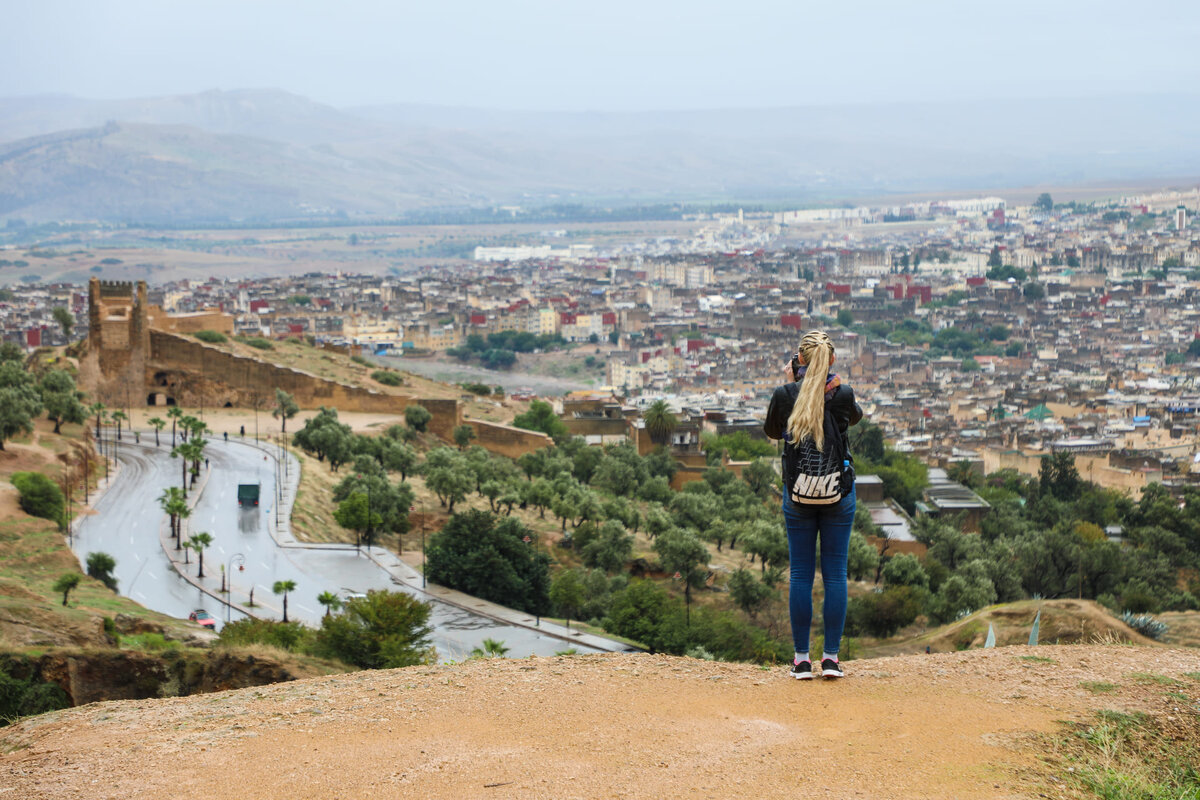
- Pickpocketing in crowds. The main hotspots are Jemaa el-Fnaa square in Marrakesh and the Fez medina, plus markets, parks and beaches. Fix: a zip-up bag worn at the front, phones never in a back pocket, minimal cash on you.
- Taxis with no meter running. The driver "forgets" to switch the meter on, then names a price three times too high at the end. Fix: agree the price before getting in, or insist the meter is used; in big cities, ride-hailing apps are more reliable.
- Card and ATM fraud. The UK government explicitly warns about credit and debit card fraud. Fix: withdraw cash only from ATMs inside bank branches, not on the street, and never let your card out of sight when paying.
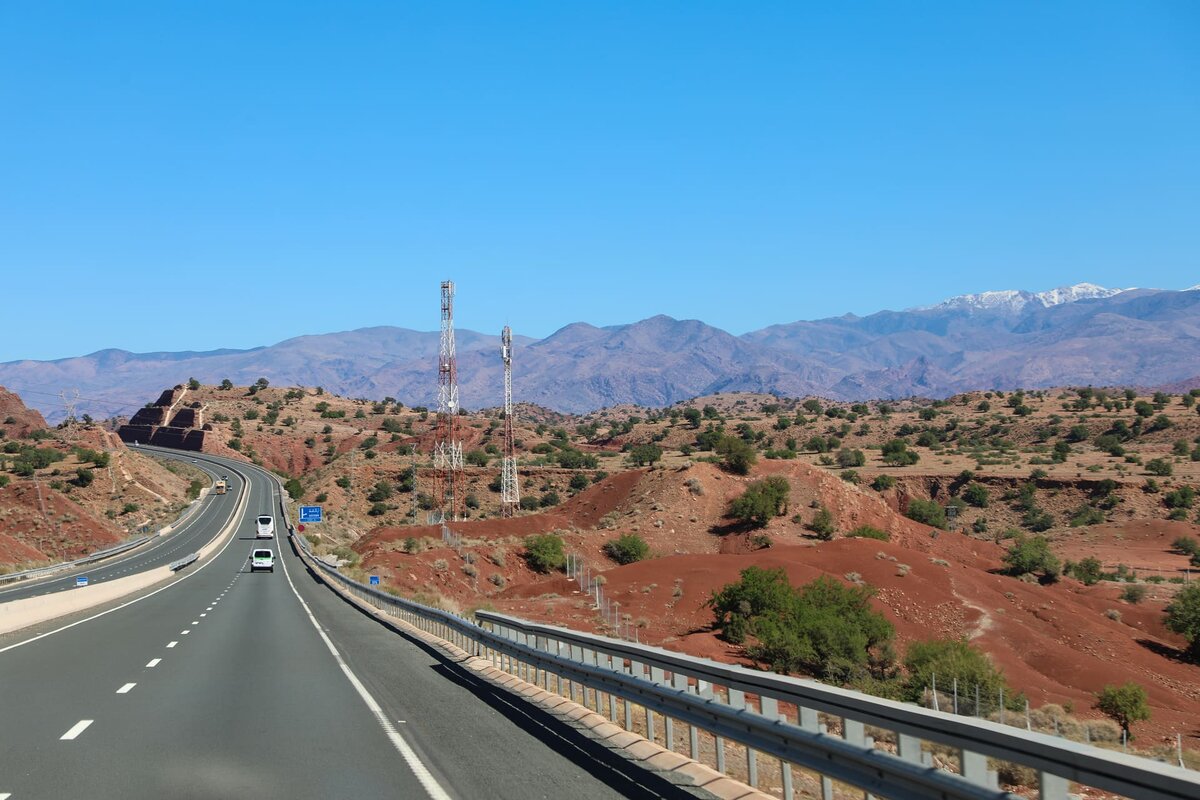
- Car hire and roads. Driving style is intense, mountain roads are full of switchbacks, and winter can bring heavy rain, flooding and snow on the passes, which changes routes at short notice. Fix: full insurance, no night driving on mountain roads, check the forecast before heading into the Atlas.
- Currency exchange and "gifts". The dirham is a closed currency, best exchanged at official bureaux and banks; a "free souvenir" pressed into your hand often turns out to have a price. Fix: don't take anything you don't intend to buy.
- Protest activity. As in any country, demonstrations happen from time to time. Standard advice applies: don't join in, avoid crowds, and follow updates from your hotel or operator.
Notice that nothing on this list threatens your life. That's an accurate picture of Morocco's risks - they hit your wallet and your mood, not your health.
The 2023 earthquake: what remains in 2026
This is the second most common question before a trip, and the answer is specific. On 8 September 2023, a magnitude 6.8 earthquake struck the High Atlas, with an epicentre roughly 71 km south-west of Marrakesh. The damage was concentrated almost entirely in rural mountain villages in the Al Haouz, Taroudant and Chichaoua provinces - not in Marrakesh itself and not on the main tourist trail. The city was affected only to a limited extent: a few sections of the old city walls and individual buildings were damaged and have since been gradually restored. As of 2026, no part of central Marrakesh remains closed to visitors because of the earthquake, and tourist numbers had already returned to previous levels by 2024.
Marrakesh, Fez, Casablanca, Rabat, Chefchaouen, Sahara routes: unaffected, operating as normal
The High Atlas: reconstruction continues in the worst-hit mountain villages; some trekking routes have been rerouted
Heading into the mountains: check current trail conditions with local operators and take out insurance that covers natural disasters
Context: Morocco sits in a seismically active zone, as does much of the Mediterranean basin, including Italy, Greece and Turkey
A separate option: some of the affected High Atlas communities now welcome visitors as part of their recovery, offering village stays and organised visits. It's a way to see the Atlas off the tourist trail while supporting local families directly.
Women travelling without a companion
This question deserves a separate, honest answer. Morocco is generally safe for women travelling on their own, and thousands do it every season. That said, verbal harassment on the street - comments, calling out, unwanted attention - is common, and it's worth being prepared for it in advance. It's irritating and tiring, but it rarely escalates into a physical threat.
- Clothing. Outside beach resorts and hotels, dressing more modestly helps: covered shoulders and knees noticeably cut down on attention. On Agadir's beaches and inside hotels, ordinary resort norms apply.
- Taxis after dark. Use only licensed taxis or ride-hailing apps rather than hailing a car on the street late at night.
- The medina in the evening. In the dense maze of Fez and Marrakesh, once it gets dark, stick to the lit main streets rather than cutting through side alleys.
- How to react. The most effective tactic is not to engage or reply - interest in a tourist who doesn't respond fades quickly.
- How you travel. A well-reviewed riad, hotel transfers and licensed guides remove most of the discomfort; for a first trip, that's a sensible thing to pay for.
 Where to go: cities, desert, mountains and beach
With safety covered, on to the main point: Morocco isn't a beach destination in the usual sense - it's a cultural, adventure-led one where the sea is a bonus. Four different ways to shape the trip.
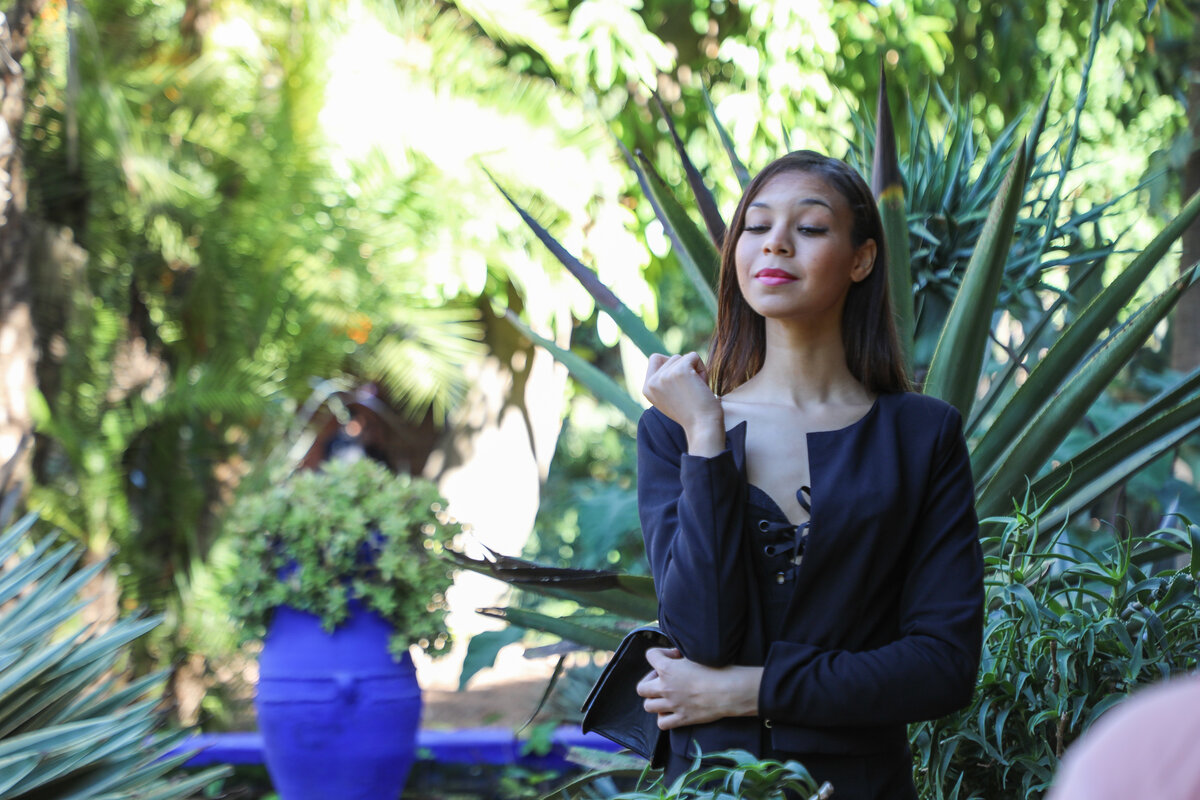
Marrakesh: the medina, Jemaa el-Fnaa square, the Majorelle Garden, riads; the country's main gateway and a base for the Atlas
Fez: the world's largest living medina, a UNESCO site, entirely pedestrian; easy to get lost in the maze without a guide
Chefchaouen: the blue city in the Rif Mountains, 22-25°C in autumn and spring, best photos before 9am
The Sahara (Merzouga, Erg Chebbi): dunes, a night in a desert camp, a sky full of stars; a politically calm and well-controlled region
 What to do
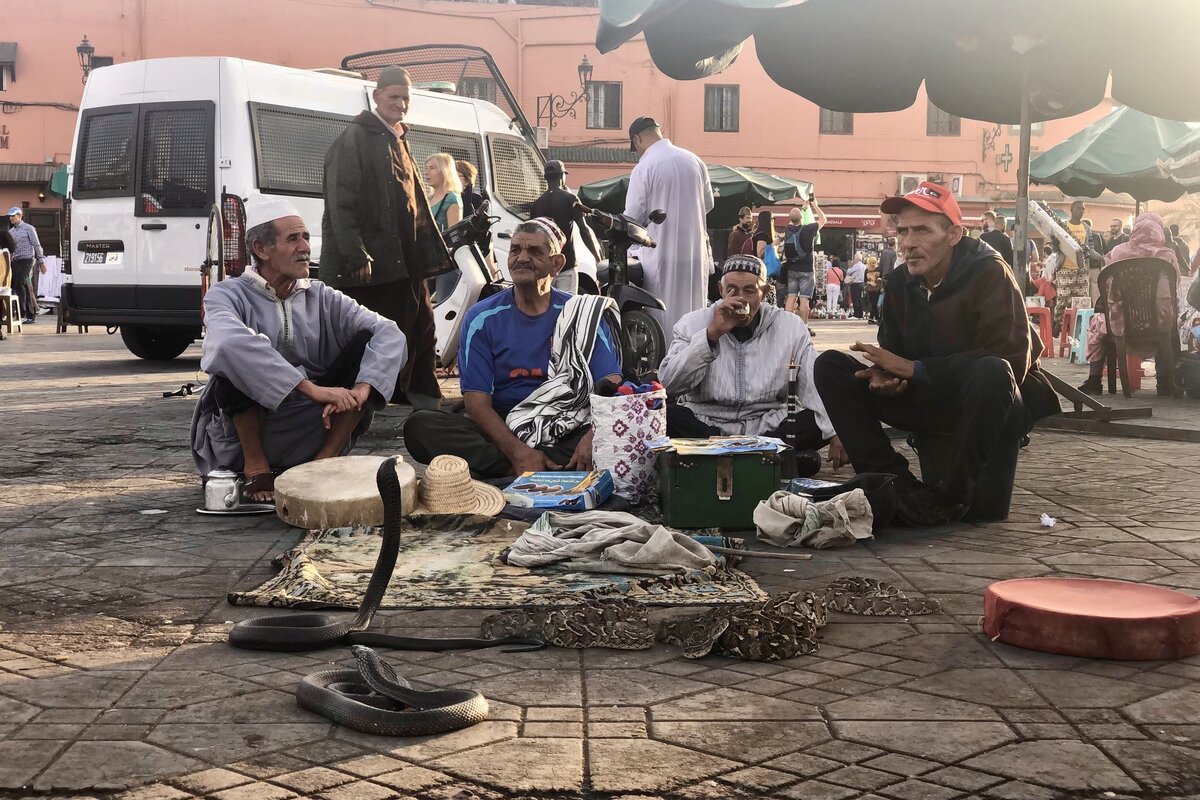
- Spend an evening at Jemaa el-Fnaa once the heat drops: snake charmers, street cooks and storytellers come alive after sunset - keep your bag zipped and your phone out of your back pocket.
- Book a two-day trip to the Sahara dunes at Erg Chebbi with a night in a desert camp - the country's strongest single experience and a chance to see a sky with no city glow.
- Walk the Fez medina with a licensed guide - this isn't a tourist formality: in the world's largest pedestrian maze, a guide saves hours and adds context you'd otherwise miss.
- Head to the Ouzoud Falls, three hours from Marrakesh - fullest just after the rainy season, with Barbary macaques along the path.
- Visit Essaouira on the coast: a windy, laid-back walled port town with surfing and noticeably less commercial pressure than Marrakesh.
Who is it for
Morocco suits travellers after experiences, culture, food and landscape, who don't mind a dense, noisy, haggling environment and treat it as part of the experience. It works well for couples, groups of friends and seasoned travellers. It's not worth choosing Morocco for a classic all-inclusive beach holiday with warm sea - the Atlantic here is cool and choppy year-round, and the country is fundamentally cultural and urban. For that price bracket and a beach focus, Egypt or Turkey make more sense. It's also not the easiest choice as a first foreign holiday with young children - the pace and environment demand some stamina.
When to fly from Poland and what it costs
Morocco stretches from the Mediterranean to the Sahara, so "the weather in Morocco" is a loose idea: on the same day, Marrakesh can hit 30°C, Chefchaouen can sit at 22°C, and the Atlas passes can be under snow.
| Region | Spring and autumn | Summer | Winter |
|---|---|---|---|
| Marrakesh | 25-30°C - the sweet spot | 40-45°C, tough going | 18-20°C by day, cold nights |
| Agadir (Atlantic coast) | 24-26°C, sea 20-22°C | 27-28°C | 20-21°C, sunny |
| Chefchaouen and the Rif Mountains | 22-25°C | 32-35°C | 12-15°C, rain |
| The Sahara (Merzouga) | 25-30°C - best season | 45°C, not advisable | Warm by day, near freezing at night |
The best time for a full trip around the country is spring (March-May) and autumn (September-November): comfortable temperatures in the cities, a bearable Sahara, and open mountain routes. Summer really only works on the Atlantic coast (Agadir, Essaouira), where the sea breeze saves the day - heading inland in July and August is hard going. Winter means Agadir with gentle sun and cities free of heat, but with cold nights and possible rain, plus snow in the mountains.
Flight from Warsaw: Marrakesh around 4hr 30min, Casablanca around 4hr 30min; flights to Agadir are also available
Budget for 7 nights / 2 people: PLN 4,000-9,000 (flight plus a riad or 4-star hotel)
A good format: 2-3 days in Marrakesh + 2 days in Fez or Chefchaouen + 2 days in the Sahara or Agadir
Ramadan: shifts by around 11 days each year and falls near the end of winter in the coming seasons - some cafés close during the day and city rhythms change; check the dates before booking
Quick comparison of Morocco's regions
Figures are approximate. The key difference isn't price - it's format: Morocco offers very different holidays depending on which part of the country you pick.
| Region | Format | Who it's for | Commercial pressure | Best season |
|---|---|---|---|---|
| Marrakesh | Medina, riads, a base to explore from | First trip, couples, groups | High | Spring, autumn |
| Fez | The largest living medina, UNESCO | History and culture | High | Spring, autumn |
| Chefchaouen | The blue city, trekking in the Rif | Photography, a slower pace | Moderate | Spring, autumn |
| The Sahara (Merzouga) | Dunes, a desert camp, stars | Adventure, couples | Low | Spring, autumn |
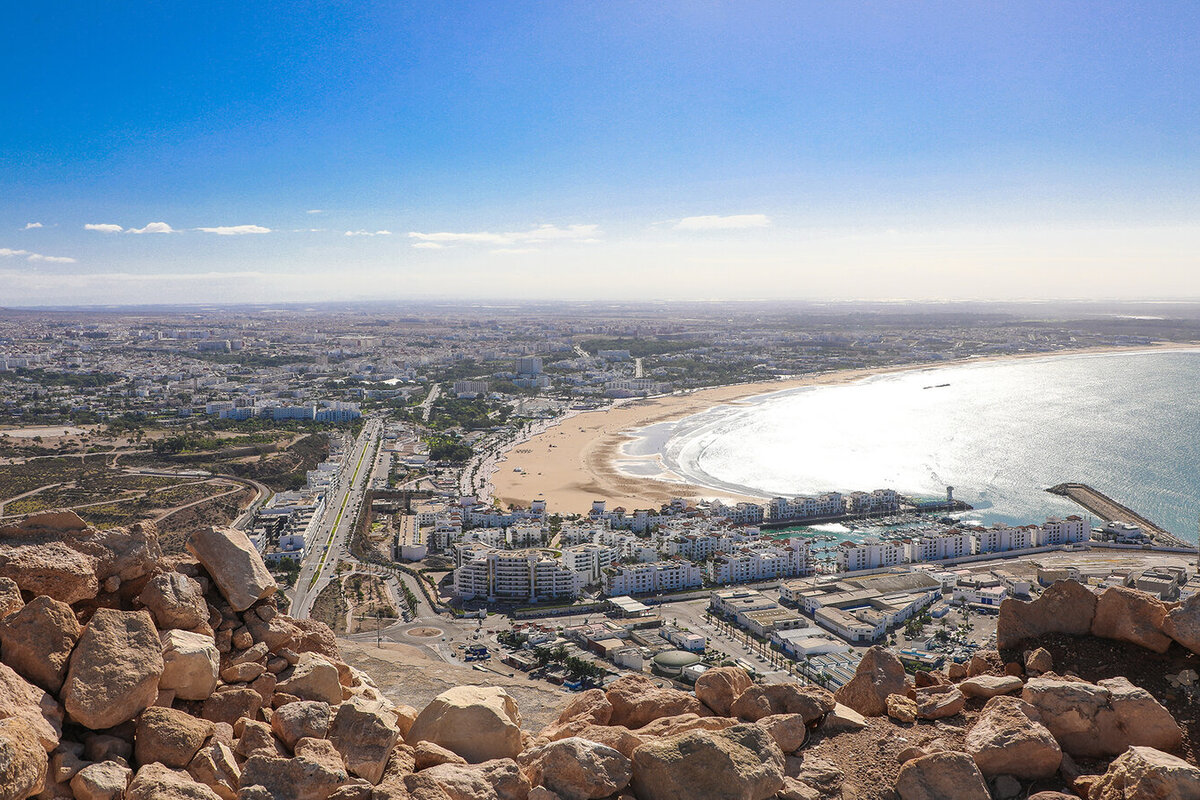
| Agadir | Beach, surfing, resort format | Relaxation and families | Low | Year-round |
| Essaouira | Walled port town, wind, seafood | A slower pace, surfing | Low | Spring, summer, autumn |
In short: for a first trip that covers everything, use Marrakesh as a base plus a Sahara excursion. If history matters most, go to Fez. For a slower pace and less commercial pressure, look at Chefchaouen, Essaouira or Agadir. And if the main goal is a beach with warm sea, it's more honest to pick a different destination - the Atlantic here runs cold.
Safety checklist before you go:
- Only use a licensed guide, booked through your hotel or a proper operator; turn down help from anyone who approached you first on the street.
- Withdraw cash from ATMs inside bank branches, not on the street, and keep your card in view whenever you pay.
- Agree a taxi fare before getting in, or insist on the meter; in cities, ride-hailing apps are more convenient.
- Take out insurance that covers medical evacuation and natural disasters, especially if the Atlas or Sahara are on your route.
- Check your passport: it needs at least six months' validity, and a Polish residence card has no bearing on entry to Morocco.
- Heading into the mountains? Check trail conditions with local operators, and in winter check the forecast - rain, flooding and snow can change plans at short notice.
Common mistakes:
- Going to Morocco for a beach holiday with warm sea. The Atlantic is cold and choppy here; this is a cultural, city-led destination where the sea is a bonus, not the point.
- Planning Marrakesh and the Sahara for July or August. 40-45°C in the city and up to 45°C in the desert isn't a holiday; in summer, only the coast really works.
- Walking into the Fez medina without a guide on day one. It's the largest pedestrian maze in the world; getting lost there takes about twenty minutes.
- Accepting help from a "random passer-by". The single most common way travellers lose money here starts exactly like this.
- Assuming the earthquake closed Marrakesh. The city has been operating normally since late 2023; the reconstruction concerns mountain villages, not the tourist trail.
- Ignoring Ramadan. City rhythms change during this period and some places close during the day - an interesting experience for some, a spoiled holiday for others.
Entry rules when flying from Poland
Morocco is outside the Schengen area, so entry rules follow the nationality on your passport, not your Polish residence status. A Polish residence card neither helps nor hinders entry here - the passport is what matters. Rules change, so check current requirements shortly before departure.
- EU/EEA citizens, including Polish citizens: visa-free entry for up to 90 days on a valid passport.
- Non-EU residents of Poland: rules depend entirely on your passport's nationality, not on your Polish residence status - some nationalities enter visa-free, others need a Moroccan visa arranged in advance at a consulate; Polish residence documents do not create identical travel rights for every nationality and do not substitute for a visa.
- For everyone: the passport must be valid for at least six months from the date of entry. The dirham is a closed currency, so exchange and export are restricted - change money only at official exchanges and banks.
The verdict
So is Morocco worth it in 2026?
It is, if you know what you're going for. According to official assessments from Western governments, the country sits in the lower part of their risk scales, there hasn't been a serious incident targeting tourists in a decade and a half, and the effects of the 2023 earthquake concern mountain villages rather than Marrakesh, Fez or the Sahara routes. The real risks here are mundane ones: fake guides, pickpockets in crowds, meter-less taxis and card fraud - a handful of simple rules covers all of them. In return, Morocco offers something you'll struggle to find four and a half hours' flight from Warsaw: living medieval medinas, Sahara dunes, the Atlas Mountains and food worth flying for on its own.
 One last piece of advice:
Don't treat Morocco as a substitute for a beach holiday - it loses to Egypt and Turkey on the sea and wins on the experience. Plan it as a proper trip: spring or autumn, a Marrakesh base, a Sahara excursion, a licensed guide in Fez, and a few coastal days at the end to unwind. Planned that way, the question in the headline stops being a worry and becomes a technicality.

 Holidays


 Last minute


 Hotels


 Blog
Blog