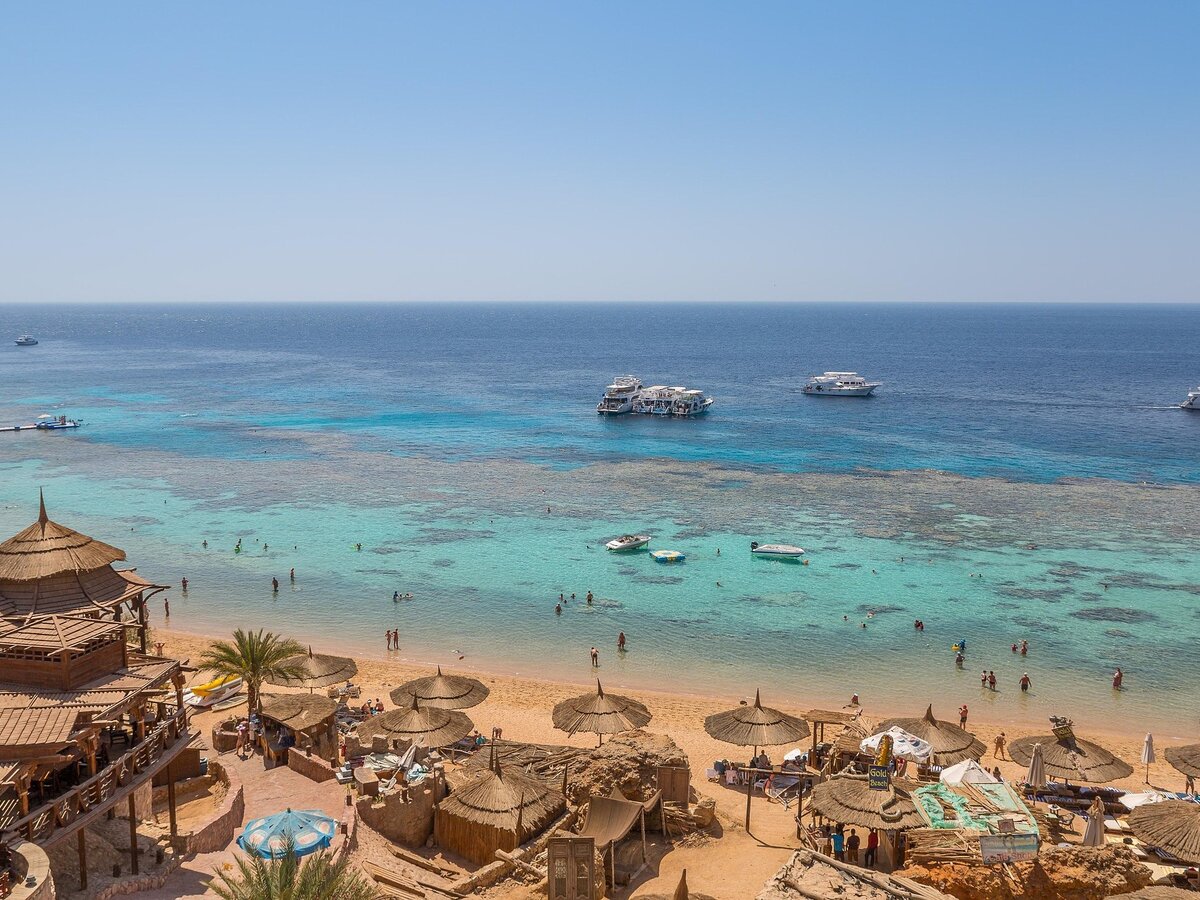
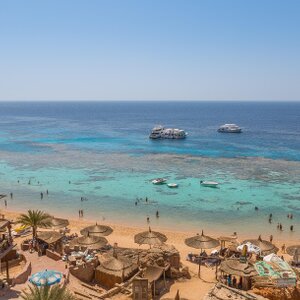
December is one of the best months for a trip to Egypt — not a forced compromise with the winter calendar. The Red Sea holds +24–25°C, almost the entire month is rain-free, there's no heat, but there are 8–9 hours of sunshine a day. The Pyramids of Giza, Luxor, the Valley of the Kings — all of this explored in December's cooler air is a fundamentally different experience from the summer's +40°C. We break it down by resort, by holiday type and by what you genuinely need to know in advance.


In Warsaw, picking an airport is a strategic decision. Do you pay for the convenience of Chopin, or do you hunt for the best deal at Modlin? In 2026, the gap between the two is as wide as ever. Here is our honest breakdown.

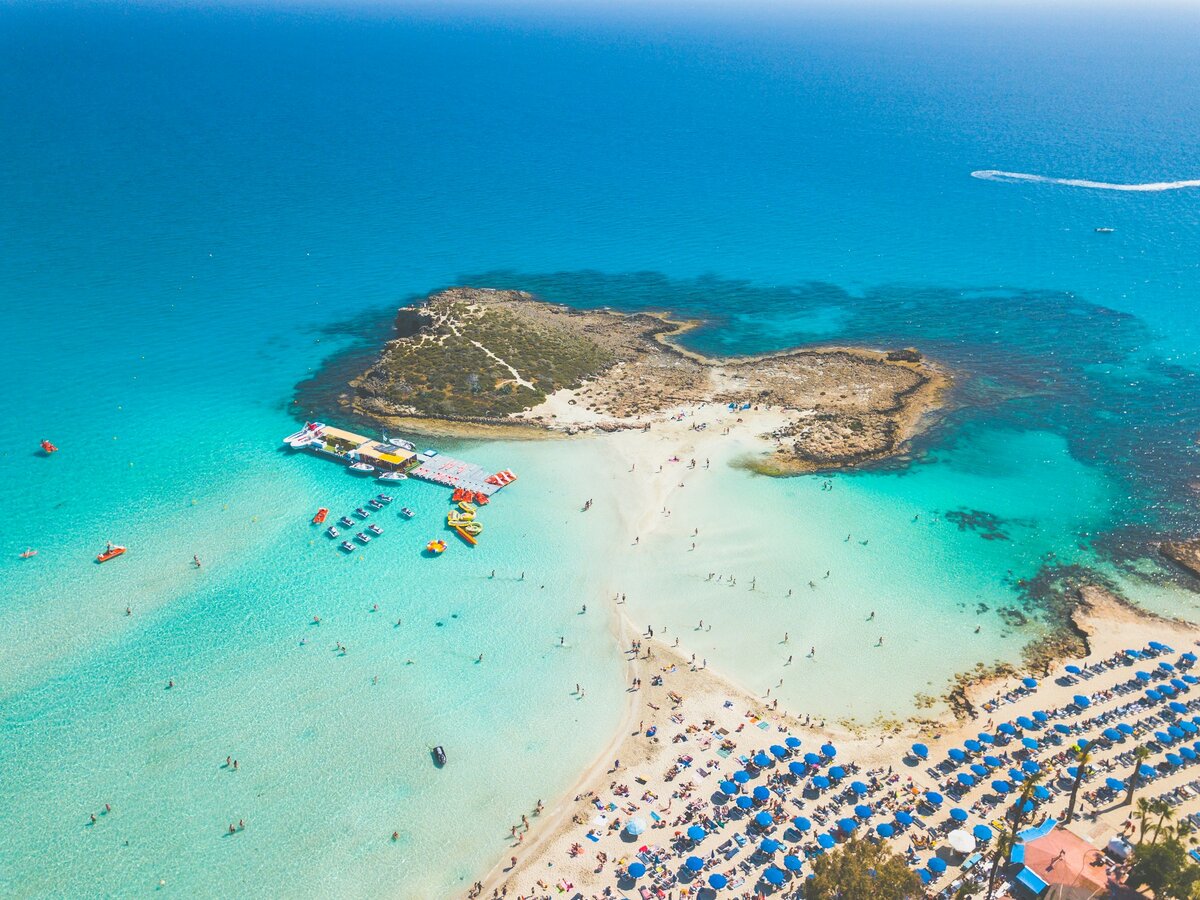
November transforms Cyprus from a beach destination into something fundamentally different: the sea is still +22–24°C and swimming is perfectly realistic, the air reaches +23–26°C during the day, rain does happen but not every day. Most importantly — Cyprus in November is cheaper than at any other point in the warm season, there are a third fewer tourists, and all the sights, mountain villages and evening restaurants are yours. We break down who this works for and who it doesn't.
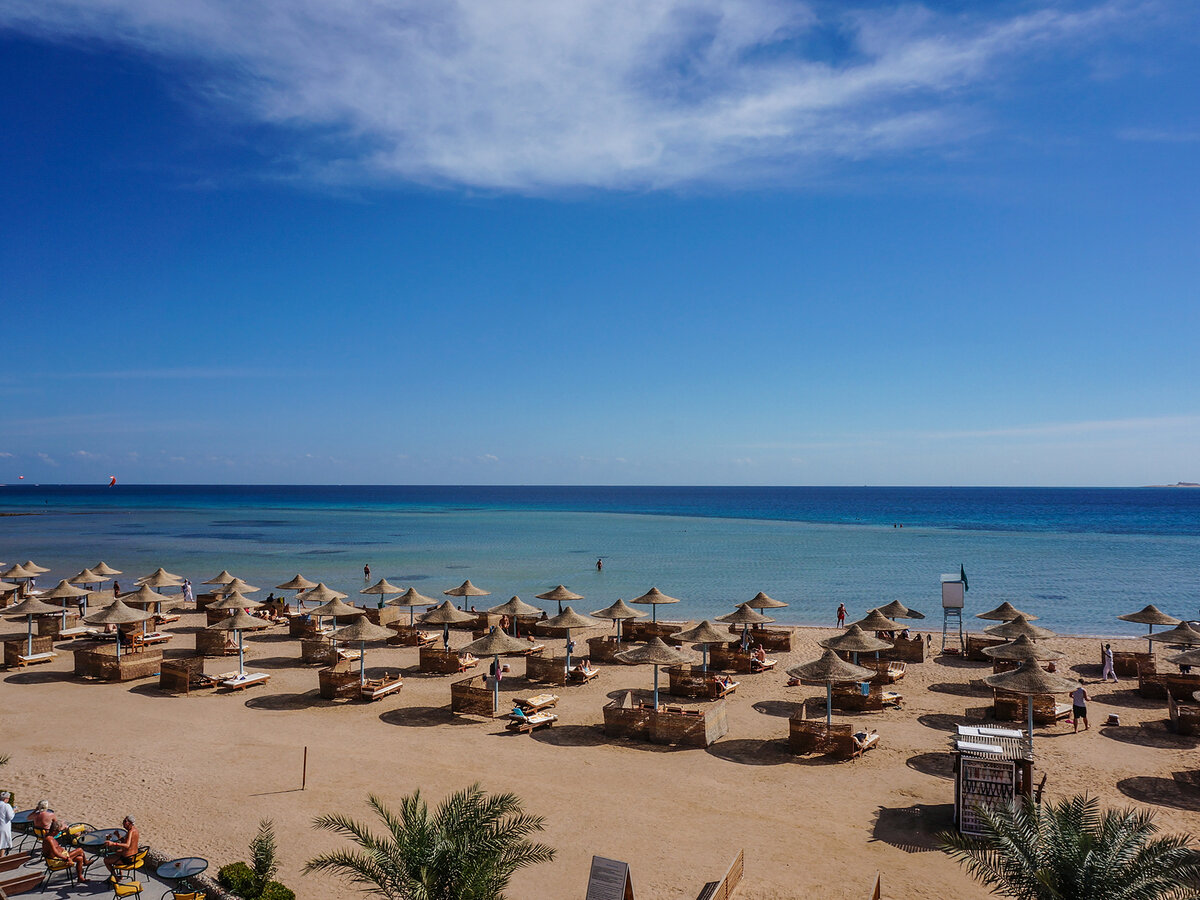
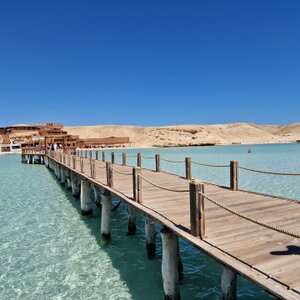
The Hurghada coastline stretches for nearly 100 km and is divided into districts with completely different characters. Booking a hotel at random risks either a noisy city instead of a peaceful beach – or an isolated resort with nothing beyond its gates. We cover every district from north to south: beaches, wind, infrastructure and who each area is really for.
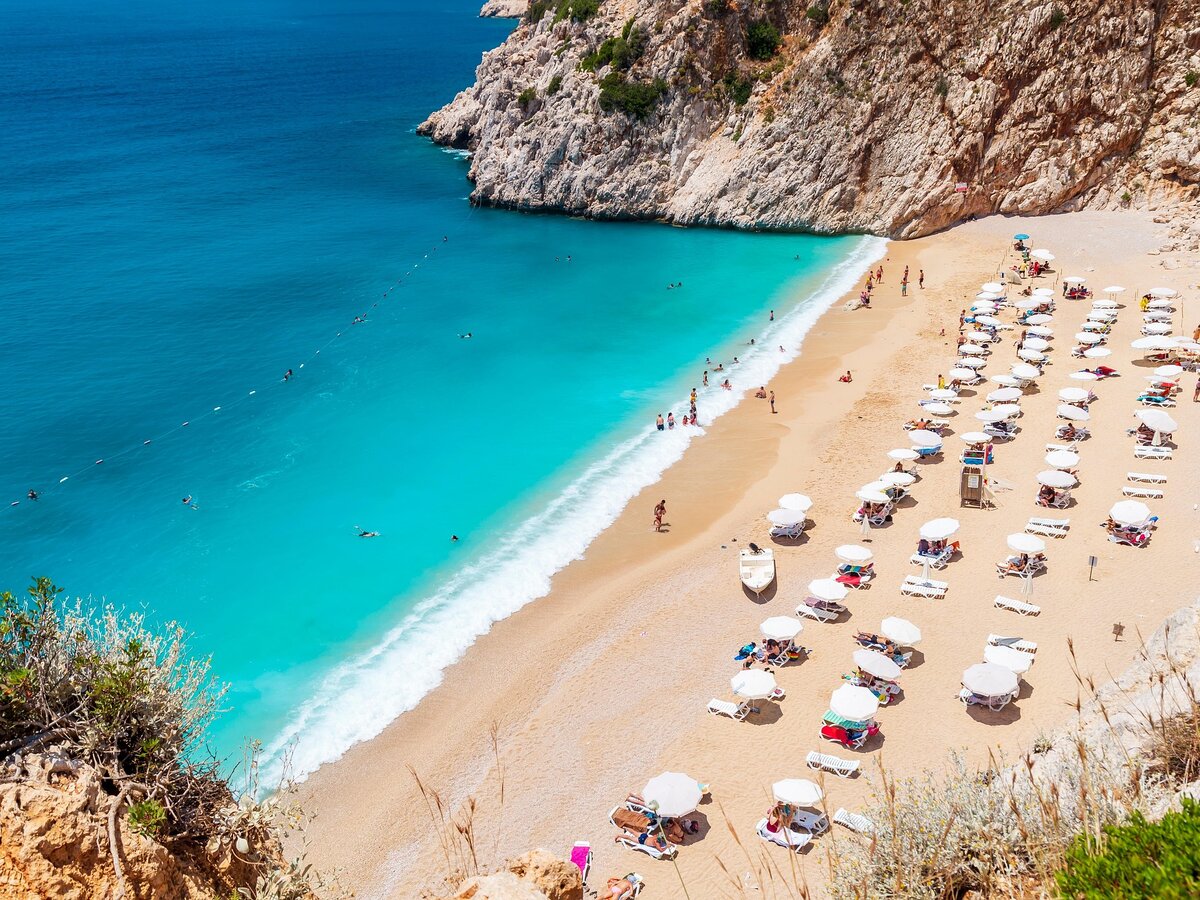
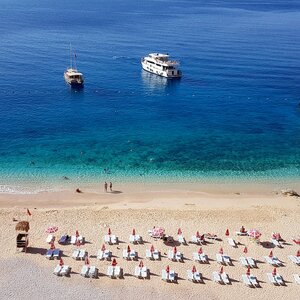
The velvet season in Turkey is not a marketing invention — in early October the sea is at +25–27°C, there's no scorching heat, prices are 20–25% lower than the August peak, and you can finally do excursions at any hour of the day. But October has a catch: the first and second half of the month are fundamentally different, and the choice of resort changes everything. We break it down by dates, by region, and by holiday type.
Trending articles

 Holidays


 Last minute
 Hotels


 Blog
Blog