Book "Spain" for February and the only real beach option is the Canaries — Atlantic islands off the coast of Africa, where it holds +22°C in winter. Book the same "Spain" for August and the Canaries become the very place Spaniards escape the heat, while the pick shifts to the mainland Costa del Sol. One country, but the map flips with the season, because Spain is two seas at once: the warm Mediterranean along the mainland and the Balearics, and the cooler, windier Atlantic off the Canaries. And before you choose a resort, you need to work out which of those seas, and in which season, you actually want. 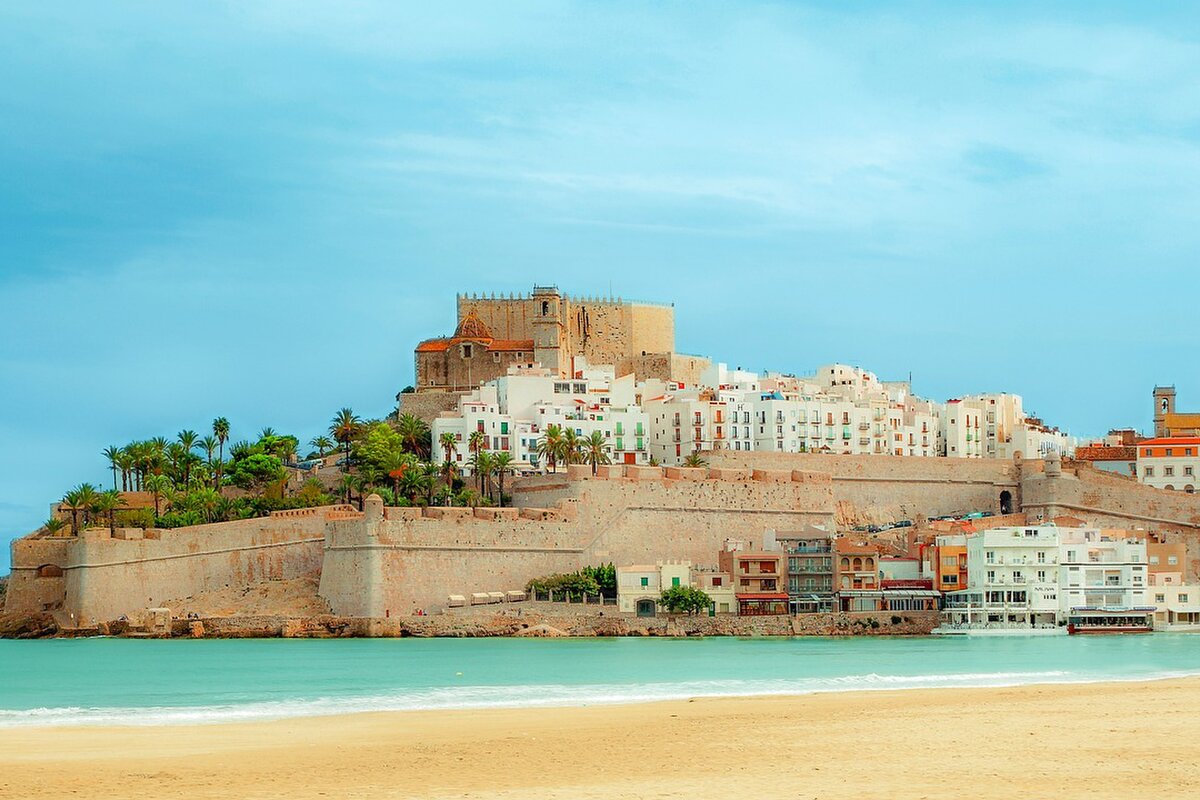
Below we break Spain down by coast and island — the mainland Costa Brava, Costa Dorada, Costa Blanca and Costa del Sol, then the Balearic and Canary Islands — and explain what really awaits at each: what's underfoot at the beach, how warm the sea runs month by month, how long the flight from Poland takes, what a week costs and what tourist tax will be added to the bill in 2026. At the end: a comparison table, a checklist, common mistakes, and the entry rules with this season's changes factored in.
- Winter sun and off-season swimming → The Canaries
- Scenic coves and Barcelona nearby → Costa Brava
- Families with children, sand and a theme park → Costa Dorada
- A long season and a budget → Costa Blanca
- The mainland's warmest sea and Andalusia → Costa del Sol
- The best beaches and a range of islands → The Balearics
- Clubs and nightlife → Ibiza
- Quiet and nature → Menorca, Fuerteventura
- Cities, the Alhambra, flamenco → More than the sea
- Compare everything at once → Comparison
Two seas and two seasons: when and where to go
The main thing to grasp about Spain: the beach season here depends not only on the month but on which sea you're heading for. The mainland coasts and the Balearics are the Mediterranean and a classic European summer from May to October. The Canary Islands lie in the Atlantic off the coast of Africa and work year-round, but with a caveat: the ocean here is colder than the Mediterranean even in summer, the trade winds blow, and there's often a swell on the shore. So in summer people go to the mainland and the Balearics, and in winter — only to the Canaries.
| Mediterranean (mainland, Balearics) | Air (day) | Sea |
|---|---|---|
| May | +22–24°C | +18–20°C |
| June | +26–28°C | +21–22°C |
| July | +29–31°C | +24–25°C |
| August | +29–32°C | +25–26°C |
| September | +27–29°C | +24–25°C |
| October | +22–25°C | +22–23°C |
The Costa del Sol in the south runs a degree or two warmer than the other mainland coasts and holds its swimming season from April to October. The Canaries, though, run on an entirely different schedule.
| Canaries (Atlantic) | Air (day) | Ocean |
|---|---|---|
| January–February | +21–23°C | +19–20°C |
| April–May | +23–25°C | +19–20°C |
| July–August | +27–29°C | +22–23°C |
| October–November | +26–28°C | +23°C |
| December | +22–24°C | +20–21°C |
On the money side: Spain has no single nationwide tourist tax — it's regional. In Catalonia (the Costa Brava, Costa Dorada and Barcelona) the rates rose from 1 April 2026, and in Barcelona itself the per-night surcharge is significant. The Balearics apply a year-round eco-tax, higher in summer. But the Canaries and Andalusia (the Costa del Sol) have no general tourist tax in 2026 — worth factoring in when comparing the final price.
Costa Brava: coves, pine and Barcelona nearby
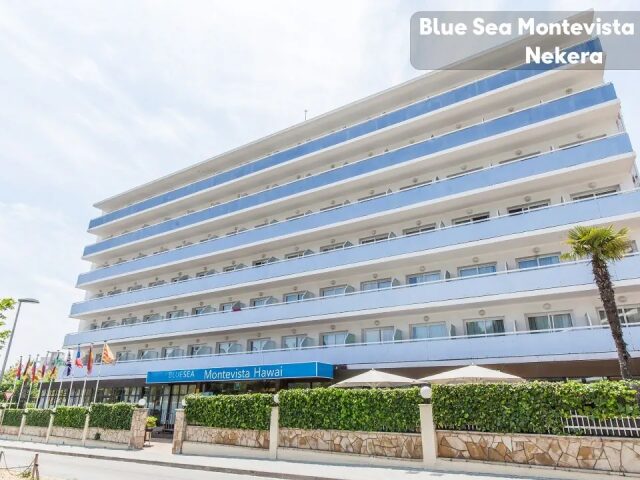
The "wild coast" in north-eastern Catalonia is the most scenic of the mainland shores: rocky coves, pine down to the water, medieval towns and clear sea. The resort strip runs from Blanes through boisterous Lloret de Mar — the coast's main party town, with a wide sandy beach and nightclubs — to the quieter and prettier Tossa de Mar and the coves further north. The nearest airports are Girona and Barcelona, which is under an hour away. That proximity to Barcelona and the scenery of the coves are the Costa Brava's main draws.
In front of the hotel: wide sand in Lloret and Blanes, pebble and rock with clear water in the coves further north
Flight from Warsaw: ~3 hrs to Barcelona or Girona + 45–90 min transfer
7 nights / 2 people: PLN 3,500–8,000 (plus the Catalan tax)
Best season: June and September; July–August is peak, especially in Lloret
Who is it for
Ideal for anyone who wants to combine the beach with trips into Barcelona and the Catalan towns, plus younger travellers (Lloret) and lovers of scenic coves (Tossa and the north). Not worth it with small children in central Lloret de Mar: it's a loud resort with an active nightlife, and a calm sandy entry is better found in Platja d'Aro or on the Costa Dorada. The water here is cooler than the southern coasts and warms up later.
What to do
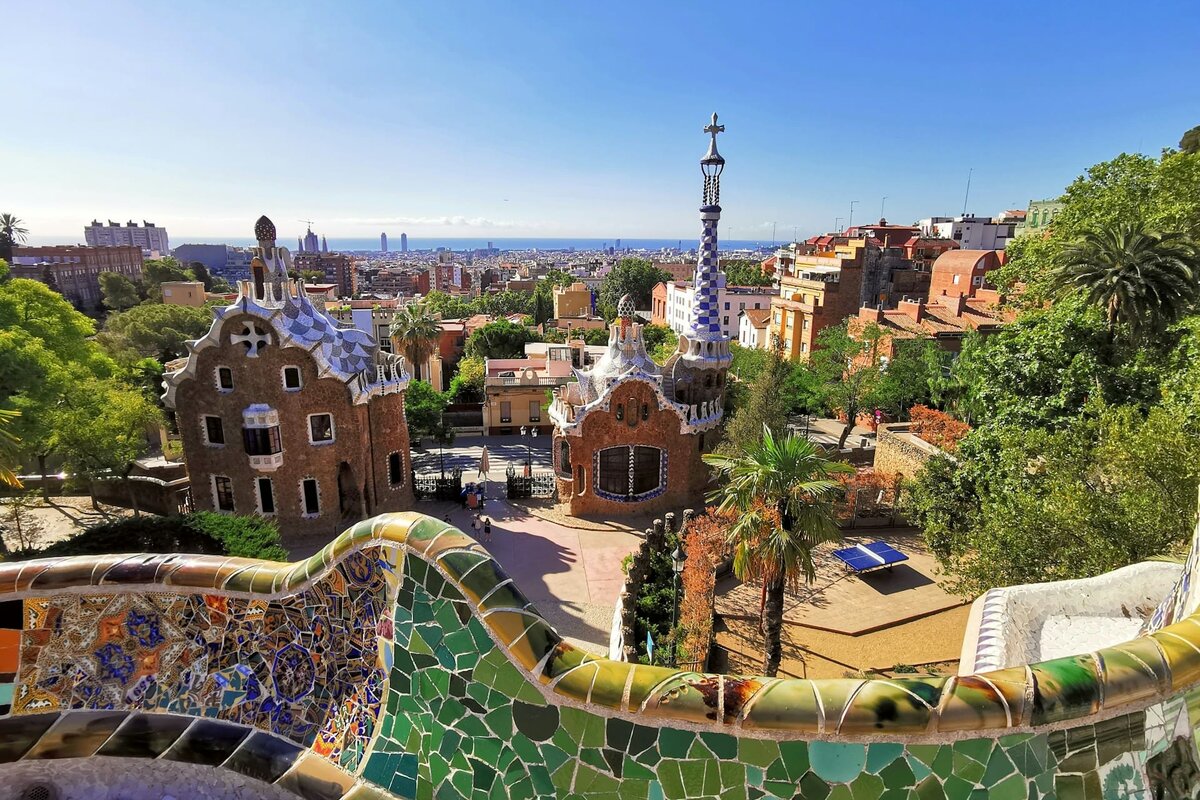
- Take a day trip into Barcelona — the Sagrada Família, Park Güell and the Gothic Quarter are an hour away
- Walk the coastal Camí de Ronda path between the coves — a marked route along the cliffs with views you can't get from the beach
- Visit medieval Girona and the flower-decked lanes of Besalú — Catalan backcountry without the resort mark-up
- See the Dalí museum in Figueres — a surrealist theatre-museum an hour from the coast
Costa Dorada: golden sand and a theme park
The "golden coast" south of Barcelona is the opposite of the Costa Brava: instead of cliffs and coves, long gentle beaches of fine golden sand with a very shallow entry, ideal for children. The centre of the coast is Salou and neighbouring Cambrils, and the region's main magnet is the PortAventura theme park, with roller coasters and a water park, one of the largest in Europe. It's that combination of "gentle sand plus theme park" that makes the Costa Dorada Spain's most family-friendly mainland coast. 
In front of the hotel: wide golden sand, a very gentle entry — ideal with young children
Flight from Warsaw: ~3 hrs to Barcelona/Reus + 1–1.5 hr transfer
7 nights / 2 people: PLN 3,500–8,500 (plus the Catalan tax)
Best season: June–September; in July–August Salou fills with families and groups
Who is it for
The best mainland choice for families with children: gentle sand, water parks and PortAventura on the doorstep, well-developed infrastructure. Not worth it in Salou if you want quiet and authenticity: it's a dense mass-tourism resort, and the centre is crowded in the evenings. For a more low-key feel and fish restaurants, choose neighbouring Cambrils.
What to do
- Set aside a whole day for PortAventura, and its Ferrari Land section for the adrenaline-seekers
- Visit Tarragona, with its Roman amphitheatre on the seafront — a UNESCO site 20 minutes away
- Eat in the old port of Cambrils — one of the coast's best addresses for fish
- Hire a bike and ride the seafront from Salou to the coves of Cap Salou
Costa Blanca: a long season and sensible prices
The "white coast" in the Valencia region, with its airport at Alicante, is the mainland's most affordable coast and one of the sunniest spots in Europe. Its emblem is Benidorm, a city of skyscrapers by two large sandy beaches — sniffed at by snobs, but honestly delivering the formula of "plenty of sun, sand and cheap hotels". Nearby is a completely different world: whitewashed Altea with its majolica dome, the Ifach rock at Calpe, the sandy dunes of Jávea, and budget Torrevieja to the south. The season here runs longer than most mainland coasts thanks to the mild climate. 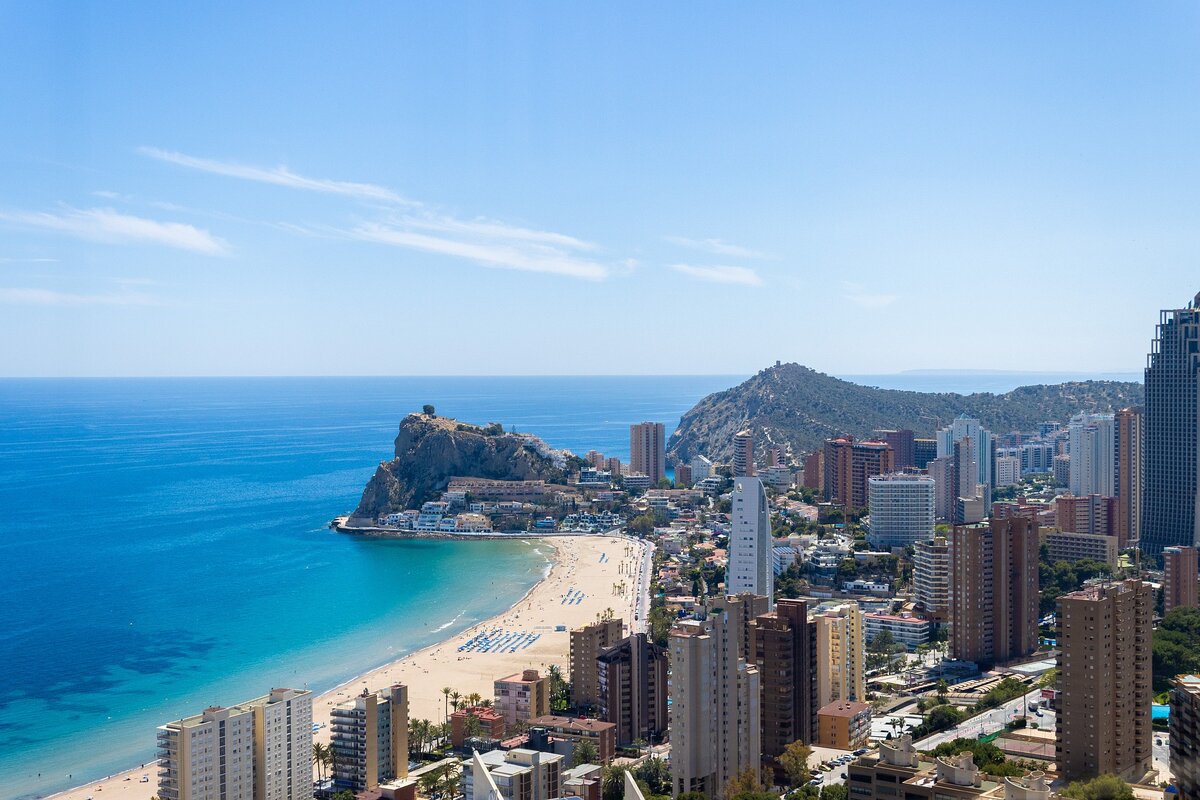
In front of the hotel: wide sandy beaches in Benidorm and Torrevieja; pebble coves at Calpe and Altea
Flight from Warsaw: ~3 hrs 30 min to Alicante + 30–60 min transfer
7 nights / 2 people: PLN 3,000–7,500 — one of the most affordable options; no regional tax
Best season: May–June and September–October; the season runs longer than its neighbours
Who is it for
A sensible choice for anyone travelling for sea, sand and a low price without pretensions to refinement, plus families (Benidorm with its water parks) and lovers of a long season. Not worth it in Benidorm if dense high-rise development and British mass tourism grate on you: that's its essence. For quiet and lovely views, choose Altea or Jávea rather than central Benidorm.
What to do
- Go up to the Balcón del Mediterráneo viewpoint in Benidorm and into the old town above the beaches
- Visit whitewashed Altea and climb to the church with its blue-and-white dome — the coast's most photogenic town
- Climb the Peñón de Ifach at Calpe — a nature reserve with a view over the whole coast
- Drive to Valencia for the City of Arts and Sciences and real paella in its birthplace
Costa del Sol: the mainland's warmest sea and Andalusia
The "sun coast" in the south, in Andalusia, with its airport at Málaga, is the mainland's warmest coast with the longest season: you can swim here from April to October. The range of resorts is wide: down-to-earth Torremolinos and Fuengirola with sandy beaches, glamorous Marbella with the Puerto Banús marina and its yachts, scenic Nerja with coves to the east, and up-and-coming Estepona to the west. But the Costa del Sol's main asset isn't the beaches — it's the Andalusia behind it: Granada with the Alhambra, Seville, Córdoba and the white mountain villages, all within a day trip. 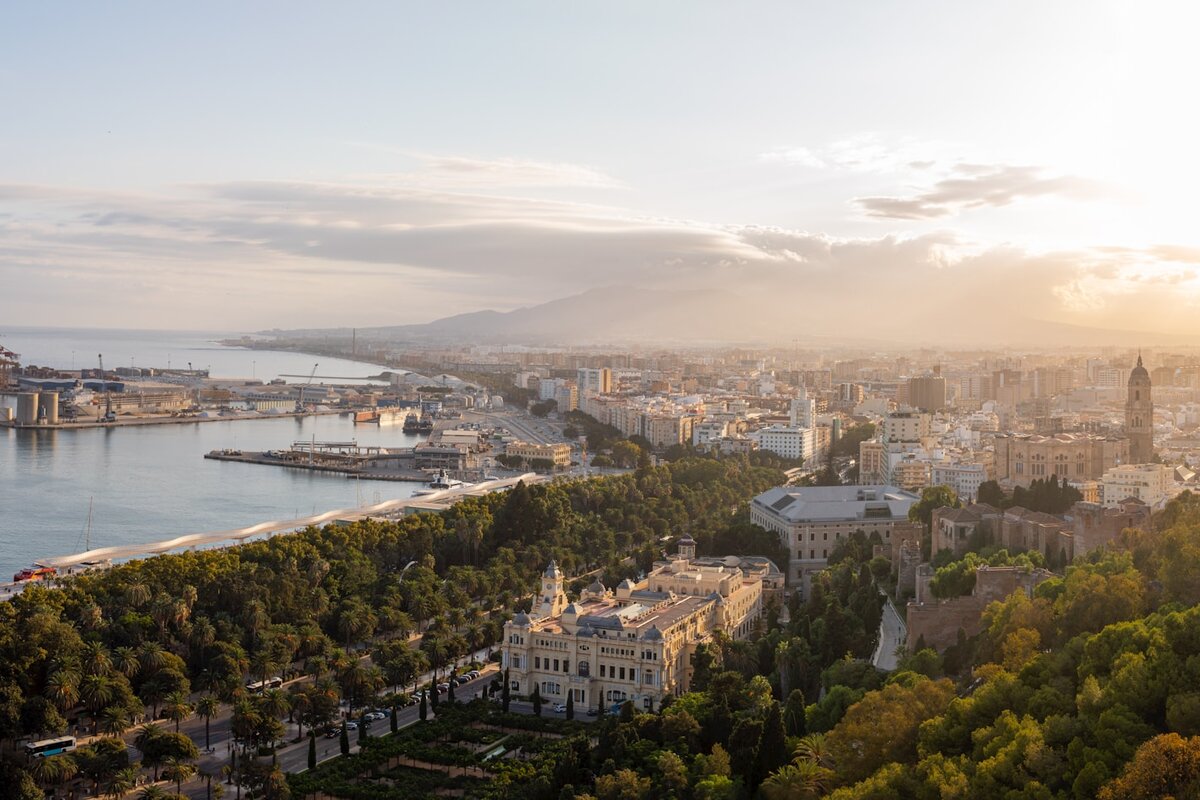
In front of the hotel: sand, in places dark and volcanic; scenic rocky coves at Nerja
Flight from Warsaw: ~3 hrs 40 min to Málaga + 20–60 min transfer
7 nights / 2 people: PLN 3,800–9,500; no regional tax in Andalusia
Best season: May–June and September–October; the longest season on the mainland
Who is it for
The best choice for anyone who wants a warm sea, a long season and a real cultural programme nearby: Andalusia is the heart of historic Spain. It suits couples, families and anyone who isn't only there to lie on the beach. For luxury, Marbella; for a down-to-earth holiday, Torremolinos and Fuengirola. Not worth it if you expect turquoise water and white sand of an island standard: the beaches here are good, but in places have dark volcanic sand, and the water at the height of summer is cooler than the Balearics.
What to do
- Visit Granada and buy your Alhambra ticket well in advance — the entry slots for this Moorish palace sell out weeks ahead
- Spend a day in Seville — the cathedral, the Alcázar and the Santa Cruz quarter; better not at the peak of the heat
- Drive to Ronda — a white town on the edge of a gorge with the Puente Nuevo bridge
- Walk the Nerja caves and the Balcón de Europa coastal path with its views over the coves
The Balearic Islands: the best beaches and four different characters
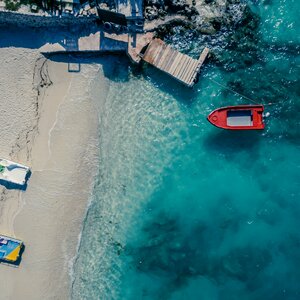
The Balearics, in the Mediterranean, are four islands of fundamentally different character, and the choice between them matters more than the choice of hotel. Mallorca is the largest and most all-round: historic Palma, sandy beaches in the south, the Tramuntana mountains and secluded calas in the north. Menorca is a quiet family island with the archipelago's most beautiful turquoise coves and no nightlife. Ibiza is the world capital of club culture, but with the flip side of that same coin: alongside the legendary clubs sit expensive boutique hotels and a calm north. Formentera, half an hour by ferry from Ibiza, has Caribbean-looking beaches of white sand. All the islands apply a year-round eco-tax, higher in summer. 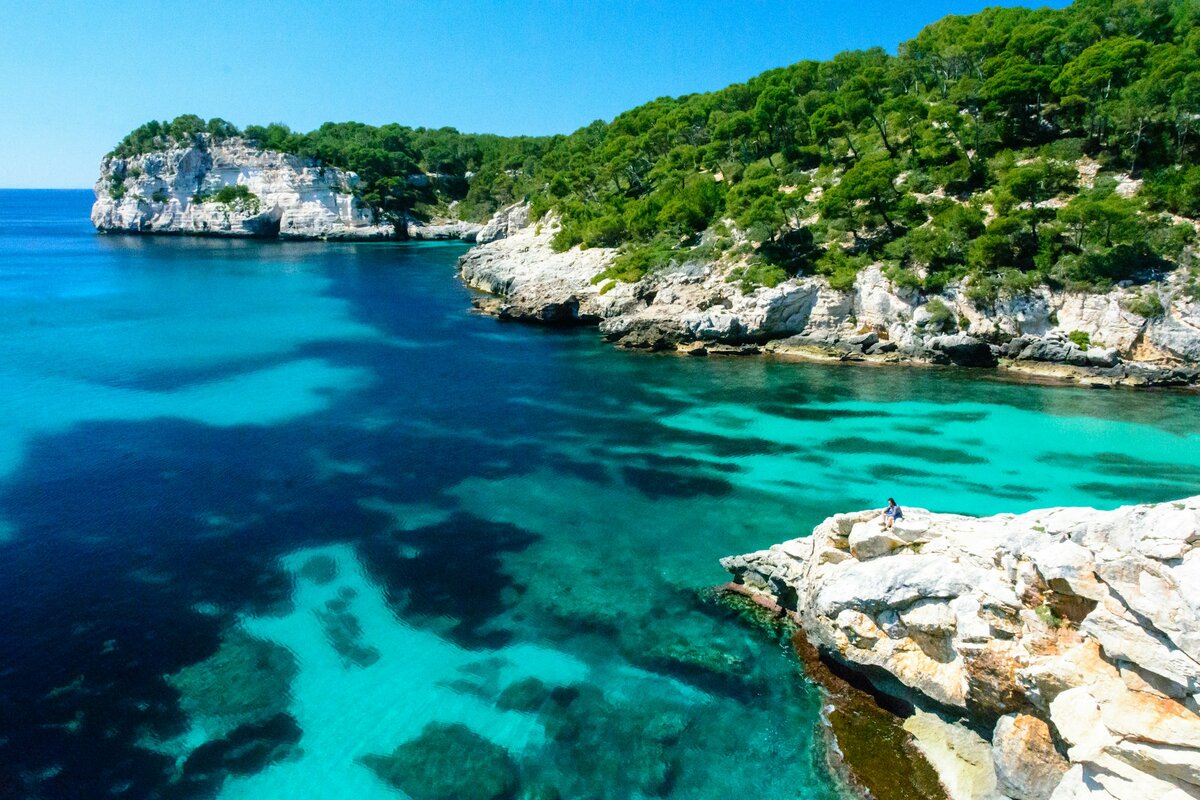
In front of the hotel: the Mediterranean's best turquoise coves; the cleanest on Menorca, the ones next door to clubs on Ibiza
Flight from Warsaw: ~3 hrs 15 min direct to Mallorca/Ibiza (seasonal) or with a connection
7 nights / 2 people: PLN 4,000–12,000 (Ibiza and northern Mallorca cost more; plus the eco-tax)
Best season: June and September; the water stays warm into October
Who is it for
Mallorca for anyone who wants everything at once, one island for any request. Menorca for families and those travelling for quiet and the best coves. Ibiza for the clubs and the fashionable scene (or for the calm north, if you know where to stay). Formentera for Caribbean-standard beaches as a day trip. Not worth it in the Sant Antoni zone on Ibiza or Magaluf on Mallorca for a quiet family holiday: these are hubs of party tourism, where since 2024 strict anti-drinking rules also apply (a ban on "two-for-one" offers, on overnight alcohol sales and on organised pub crawls), with substantial fines for offenders.
The Canary Islands: year-round sun in the Atlantic
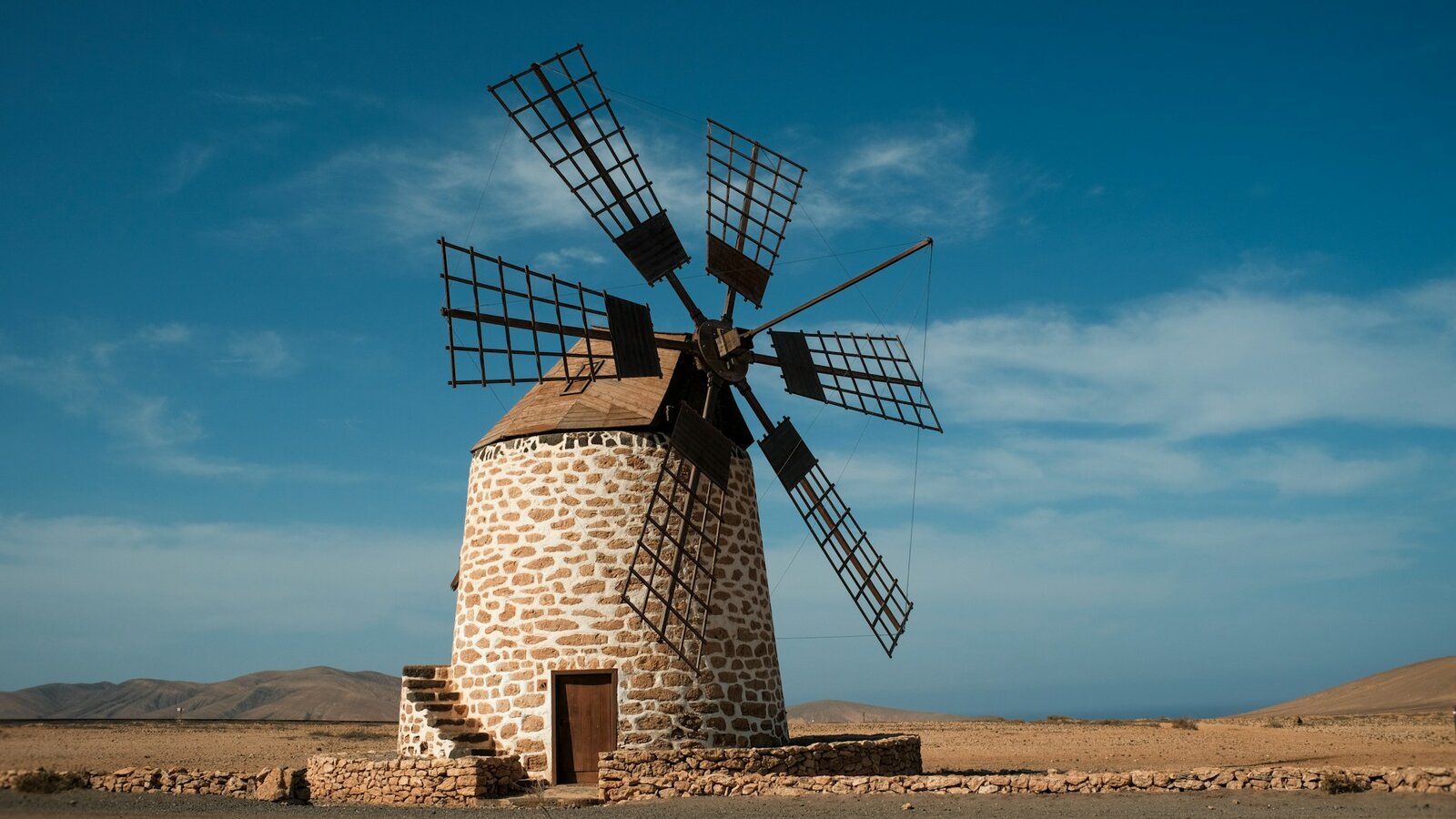
The Canaries, in the Atlantic off the coast of Africa, are the one part of Spain with a genuine year-round season and Europe's leading destination for winter sun. The four main islands differ. Tenerife is the largest and most varied, with the Teide volcano (Spain's highest point), black and golden beaches and a developed south. Gran Canaria is a "continent in miniature" with the Maspalomas dunes. Fuerteventura is kilometres of white sand and a paradise for surfing and kiting. Lanzarote is volcanic landscapes and the architecture of César Manrique. One important caveat: the Atlantic is colder than the Mediterranean even in summer (+22–23°C in August), the trade winds blow, and many beaches have a swell and wind. 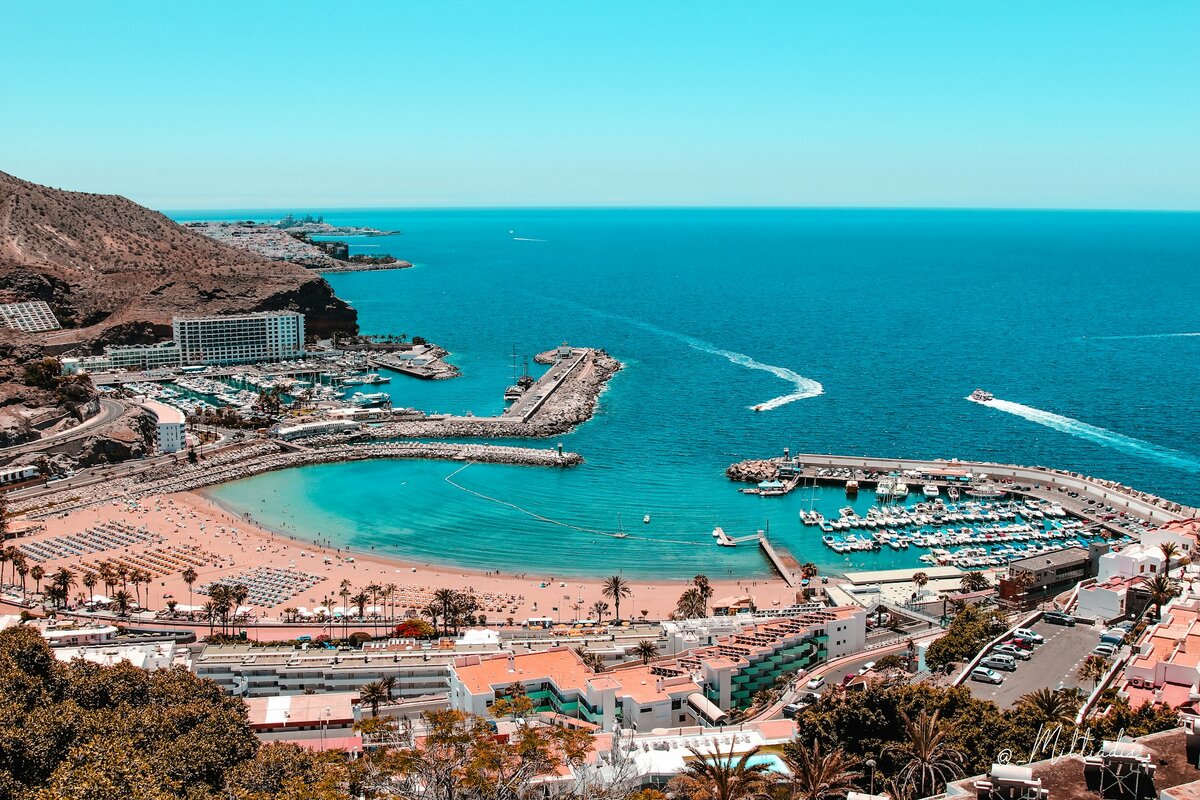
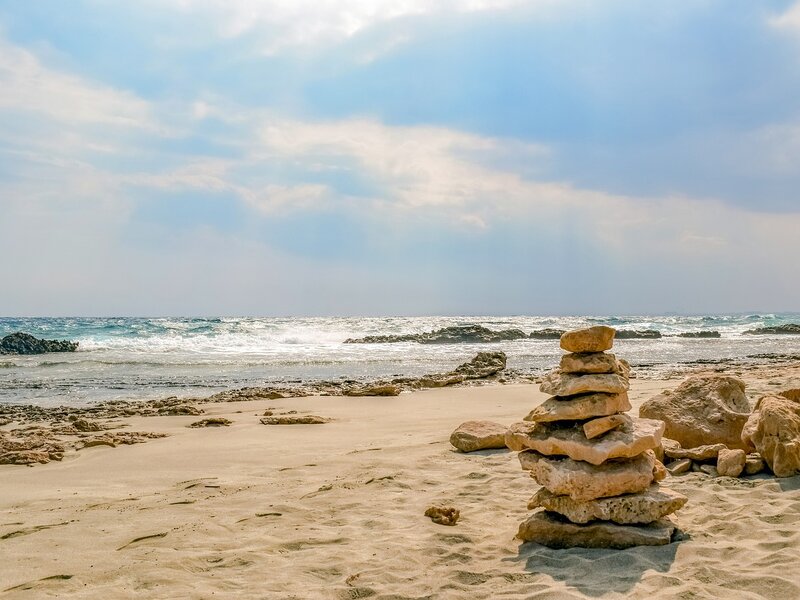
In front of the hotel: black volcanic, golden imported or white sand depending on the island; the ocean cooler and livelier than the Mediterranean
Flight from Warsaw: ~5 hrs 30 min direct (seasonal) or with a connection
7 nights / 2 people: PLN 3,500–9,000; no general tourist tax in 2026
Best season: year-round; in winter it's Europe's best sun, in summer it's cooler than the mainland
Who is it for
The only sensible Spanish option in winter and in the autumn-to-spring shoulder: when the mainland is already cold, it's +22–24°C here. In summer the Canaries are chosen by those who cope badly with heat — it's cooler and windier than the Costa del Sol. Tenerife and Gran Canaria for an all-round holiday with infrastructure, Fuerteventura for beaches and surfing, Lanzarote for the unusual scenery. Not worth it for a warm, calm Mediterranean-style sea: the ocean here is bracing, and the open beaches have wind and swell — this is the Atlantic, not a sheltered cove.
What to do
- Go up to the Teide volcano on Tenerife — by cable car or on foot; above the clouds and an almost Martian landscape
- Walk out to the Maspalomas dunes on Gran Canaria — a genuine sand desert by the ocean
- Take a surf or kite lesson on Fuerteventura — one of Europe's best spots, thanks to the trade winds
- Drive Lanzarote along the César Manrique routes and through the Timanfaya park with its volcanic fields
More than the sea: cities, the Alhambra and flamenco
Spain is the kind of destination where sticking to the beach is almost a crime: the cultural offering here is one of the strongest in Europe, and almost any coast can be paired with a world-class city.
- Barcelona. The Sagrada Família, Gaudí's houses, the Gothic Quarter and La Rambla — the ideal add-on to the Costa Brava and Costa Dorada, an hour or ninety minutes from the resorts.
- Granada and the Alhambra. The Moorish palace complex is Spain's foremost architectural jewel; tickets sell out weeks ahead, so book early. A day trip from the Costa del Sol.
- Seville and Córdoba. The heart of Andalusia: the cathedral, the Alcázar, the Mezquita and real flamenco. Better not at the peak of the summer heat.
- Ronda and the white villages. A town on the edge of a gorge and a chain of whitewashed mountain villages of Andalusia — a different, un-touristy south.
- PortAventura. One of Europe's largest theme parks, on the Costa Dorada — a full day for families with children and roller-coaster fans.
 Quick comparison of Spain's resorts
Figures are indicative, for a 7-night trip for two departing Warsaw. The key columns are the sea and the season: these, not the hotel's star rating, decide what the holiday will be.
| Destination | Sea | Who is it for | Beaches | Season | 7 nights / 2 people |
|---|---|---|---|---|---|
| Costa Brava | Mediterranean | Barcelona, younger crowd, coves | Sand and rocky coves | June–September | PLN 3,500–8,000 |
| Costa Dorada | Mediterranean | Families, PortAventura | Gentle golden sand | June–September | PLN 3,500–8,500 |
| Costa Blanca | Mediterranean | Budget, long season | Sand and coves | May–October | PLN 3,000–7,500 |
| Costa del Sol | Mediterranean | Warmth, Andalusia, culture | Sand, in places volcanic | April–October | PLN 3,800–9,500 |
| Balearics | Mediterranean | Best coves, clubs (Ibiza) | Turquoise coves | June–September | PLN 4,000–12,000 |
| Canaries | Atlantic | Winter sun, surfing | Black, golden, white sand | Year-round | PLN 3,500–9,000 |
By profile, briefly: in winter, the Canaries only. In summer with children and gentle sand, the Costa Dorada. Budget and a long season, the Costa Blanca. Warm sea plus culture, the Costa del Sol. Barcelona and scenic coves, the Costa Brava. The best beaches and an island for every taste, the Balearics. And the golden rule: settle the season and the sea first, and only then the specific resort.
Pre-booking checklist:
- Choose the season and the sea first: winter means the Canaries (Atlantic), summer means the mainland and Balearics (Mediterranean). Everything else follows from that.
- Check the beach type at the specific hotel: on the Costa Brava and the Canaries, "beachfront" often means rock or dark volcanic sand, not a gentle golden entry.
- Build the tourist tax into your budget: in Catalonia and the Balearics it's noticeable and rose in 2026; the Canaries and Andalusia have none — it affects the final price.
- Book hotels and licensed accommodation rather than random apartments: short-term rentals are being phased out in Barcelona and on the islands, and unlicensed lets can cause problems.
- Look at May–June and September: the sea is warm, the heat is milder than August, prices and crowds are below peak, and in the south the season runs into October.
- Don't stay in the party-tourism zones (Magaluf, Sant Antoni) with children: they're noisy, and strict anti-drinking rules with fines apply there.
Common mistakes:
- Going to the Canaries in winter expecting summer-warm swimming. Air at +22°C is lovely, but the ocean is +19–20°C and windy: it's sunny winter, not hot summer.
- Booking the Costa Brava for white-sand beaches. Its strength is coves, pine and Barcelona nearby; for gentle sand, go to the Costa Dorada or Costa Blanca.
- Writing Benidorm off as "cheap Spain with no character". It honestly delivers what it promises, but for quiet and views you need Altea, Jávea or the islands, not its centre.
- Staying in Ibiza's club zone or Magaluf with the family. These are nightlife hubs; the same islands have quiet districts a few kilometres away.
- Planning the Alhambra without a ticket in advance. The entry slots go weeks ahead; getting into Spain's foremost monument on a whim is all but impossible.
- Ignoring the 2026 tourist tax and rental rules. Catalonia's tax has risen, and unlicensed apartments in Barcelona and on the islands are a real risk to a trip.
Entering Spain: the EU and Schengen
Spain is in the EU and the Schengen Area, so the visa rules are the same across the whole country, including the mainland, the Balearics and the Canaries. Key changes this season: through 2026 the Schengen Area is progressively rolling out the automated Entry/Exit System (EES), which records biometric data on first entry, and by late 2026 the ETIAS pre-authorisation system is expected to launch for visa-free travellers from outside the EU. This may add to border times and introduce a formality before travel — check the current status.
- EU/EEA citizens, including Polish nationals: entry on a valid passport or national ID card, no visa, no limit on length of stay within EU rights.
- Ukrainian citizens: visa-free entry to Schengen, including Spain, for up to 90 days within any 180-day period, on a biometric passport. Once ETIAS is live, visa-free tourists will need to arrange an online authorisation in advance — watch for the launch date. The 90/180 rule is counted across the whole Schengen Area at once.
- Belarusian citizens: a valid Schengen visa (Spanish or any other multiple-entry Schengen visa) is required, or a valid Polish residence permit. A Polish residence permit grants the right to a short stay across Schengen, including Spain, without a separate Spanish visa.
- General note: a tourist tax is added to accommodation costs in some regions (Catalonia, the Balearics), and the EES and ETIAS rules are being refined as they roll out, so confirm the current requirements with your tour operator or official sources before booking.
The verdict
So where in Spain should you holiday?
Decide on the season first. In winter, autumn and early spring there's one option — the Canaries: Atlantic islands with year-round sun, but a cool ocean and wind. In summer the mainland and the Balearics open up. With children and for gentle sand, the Costa Dorada, with PortAventura on the doorstep. For value and a long season, the Costa Blanca. For the warmest sea and real Andalusia with the Alhambra, the Costa del Sol. For Barcelona and scenic coves, the Costa Brava. And for the Mediterranean's best beaches, the Balearics: Menorca for quiet, Mallorca for anything, Ibiza for the clubs. 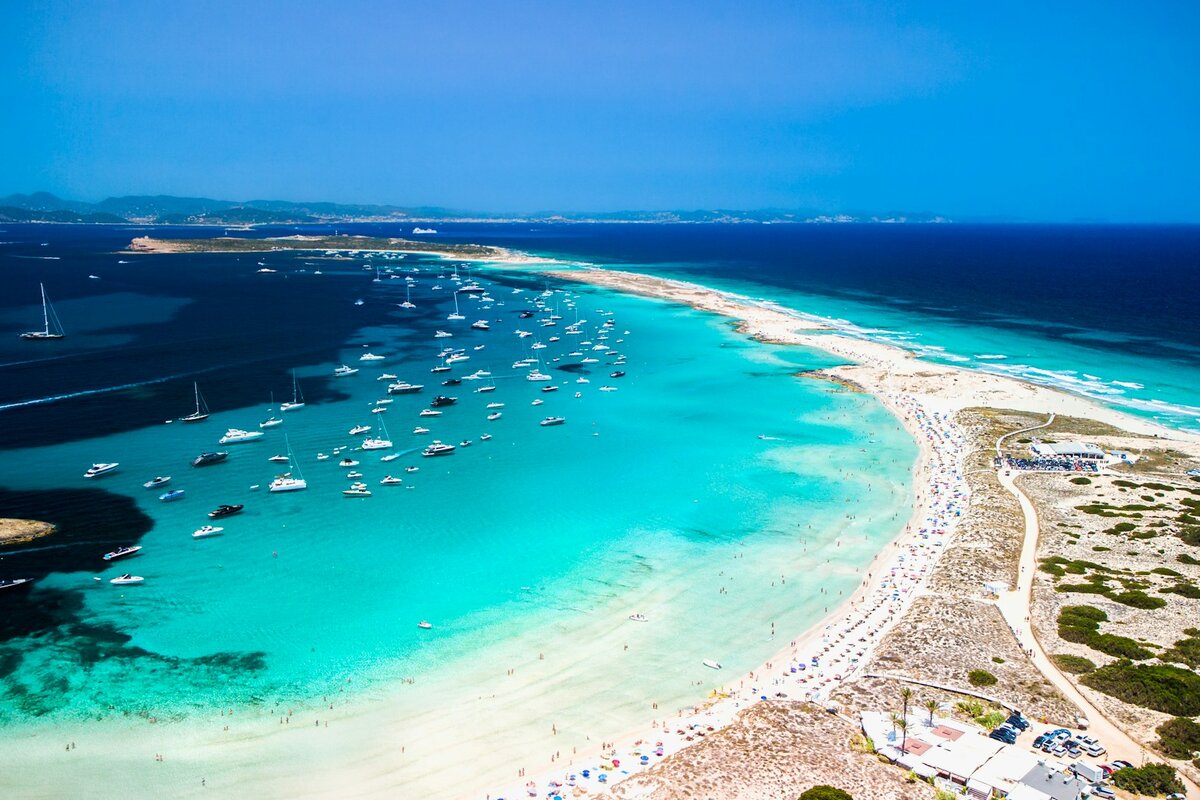
One last tip:
Don't choose a resort from a photo without checking the season and the sea: the turquoise cove in a Balearics picture and the black volcanic beach of Tenerife are one country, but a different holiday, a different sea and often a different time of year. Work out "when and which sea" first, and "exactly where" will almost settle itself. And keep the 2026 fine print in mind: the tourist tax in Catalonia and the Balearics, its absence in the Canaries and Andalusia, and the tightening rental rules — they affect both the price and the choice of where to stay.



 Holidays


 Last minute
 Hotels


 Blog
Blog