July is a ruthless time for travelers. In Poland, the start of school holidays triggers a drastic surge in prices, often soaring 40–60% higher than in June. Add to that the fact that classic destinations like Rome, Athens, or Barcelona transform into +38°C heat traps where you’ll find yourself admiring crowds rather than landmarks, and planning a vacation becomes a genuine challenge. That is why, instead of following the usual patterns, we have put together a guide to help you make a 'cool' decision in the heat of summer. For each of our 14 featured destinations, we provide the cold hard facts: real temperatures, current prices, and an honest verdict on who should definitely stay away.
- Family with kids, warm sea, waterpark → Bulgaria, Turkey (Aegean), Greece (islands), Montenegro
- Sea without crowds or Western European prices → Georgia, Lake Ohrid, Azores
- Mountains instead of heat → Norway, Iceland, Morocco (highlands)
- Exotic destinations in low season → Sri Lanka, Maldives, Japan — Hokkaido
- Budget under 3,000 PLN/person → Bulgaria, Georgia, Ohrid
Family beach holidays: where to fly with kids during the school break
In July the main travelling group is families: Polish school holidays begin in late June, so throughout July beach destinations run at full capacity. Key criteria: warm sea, shallow water, waterparks, manageable flight time. Below are four destinations where this combination works best.
Bulgaria
"July is the Black Sea's finest hour: +24°C water, half-empty beaches compared to the Adriatic, and prices half those of Croatia"
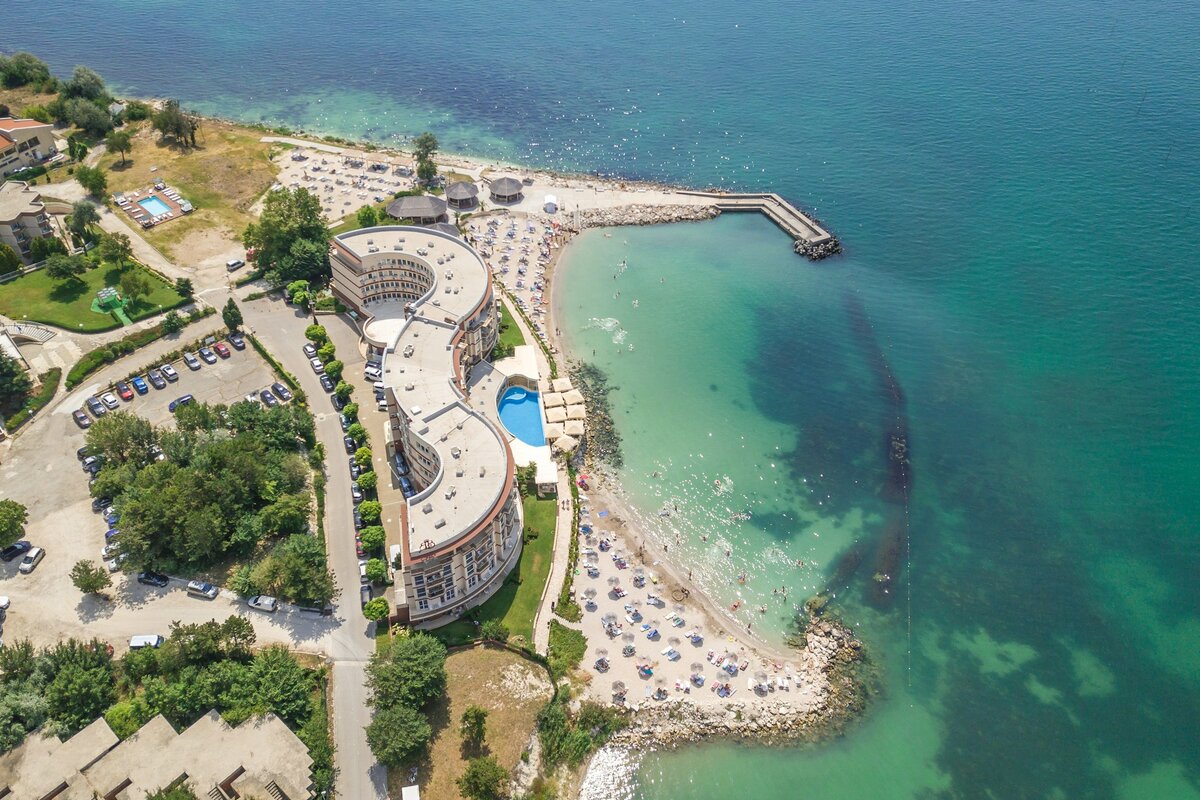
If the Bulgarian water felt slightly cool in June, July removes all doubt: the Black Sea warms to +24–25°C, the sandy beaches of Sunny Beach and Golden Sands are ideal for children, and Action Aquapark in Nessebar is one of the largest in Eastern Europe. All Inclusive package prices in July remain half those of Greek and Croatian equivalents. For those who want peace and quiet without the nightclubs: Sozopol and Primorsko in the south are a different world compared to the noisy Sunny Beach. Flight from Warsaw — around 2.5 hours; direct charters from Kraków and Katowice to Varna and Burgas.
| Resort / region | Air temp (day) | Sea | Sun (hrs/day) |
|---|---|---|---|
| Sunny Beach / Elenite | +28–31°C | +24–25°C | 10 |
| Golden Sands / Albena | +27–30°C | +24–25°C | 10 |
| Sozopol / Primorsko (south) | +28–30°C | +24–26°C | 11 |
| Nessebar / Pomorie | +28–31°C | +24–25°C | 10 |
7 nights / 2 people: 2,500–4,500 PLN (All Inclusive) — one of the most affordable beach options from Poland during the school holidays
Family tip: Sunny Beach for animation and waterparks; Sozopol for quiet and historic atmosphere within walking distance of the beach
Booking: in July, book 8–12 weeks ahead; charters from Katowice and Kraków sell out fast
Who it suits
Families for whom value, wide sandy beaches and a nearby waterpark matter most. Not recommended for those expecting Turkish-level hotel animation and service — the gap is real.
What to do
- Spend a full day at Action Aquapark in Nessebar — open until 8 pm in July and suitable for children from age 3.
- Drive to Nessebar at sunset — medieval churches and fish restaurants on the water, with far fewer tourists in the evenings.
- Hire a boat in Sozopol to the island of Sveti Ivan — 15 minutes offshore, a lighthouse and bird colonies.
- Try meze at a taverna in Sozopol market — fresh mackerel, white brine cheese and house wine.
Entry to Bulgaria
- Polish and EU citizens: free entry — Bulgaria is an EU and Schengen member (since 2024)
- Ukrainian citizens: visa-free up to 90 days (biometric passport)
- Belarusian citizens: valid Schengen visa required
Montenegro
"July is the Adriatic's best month: the sea is finally warm, mountains are close, and everything costs less than in neighbouring Croatia"
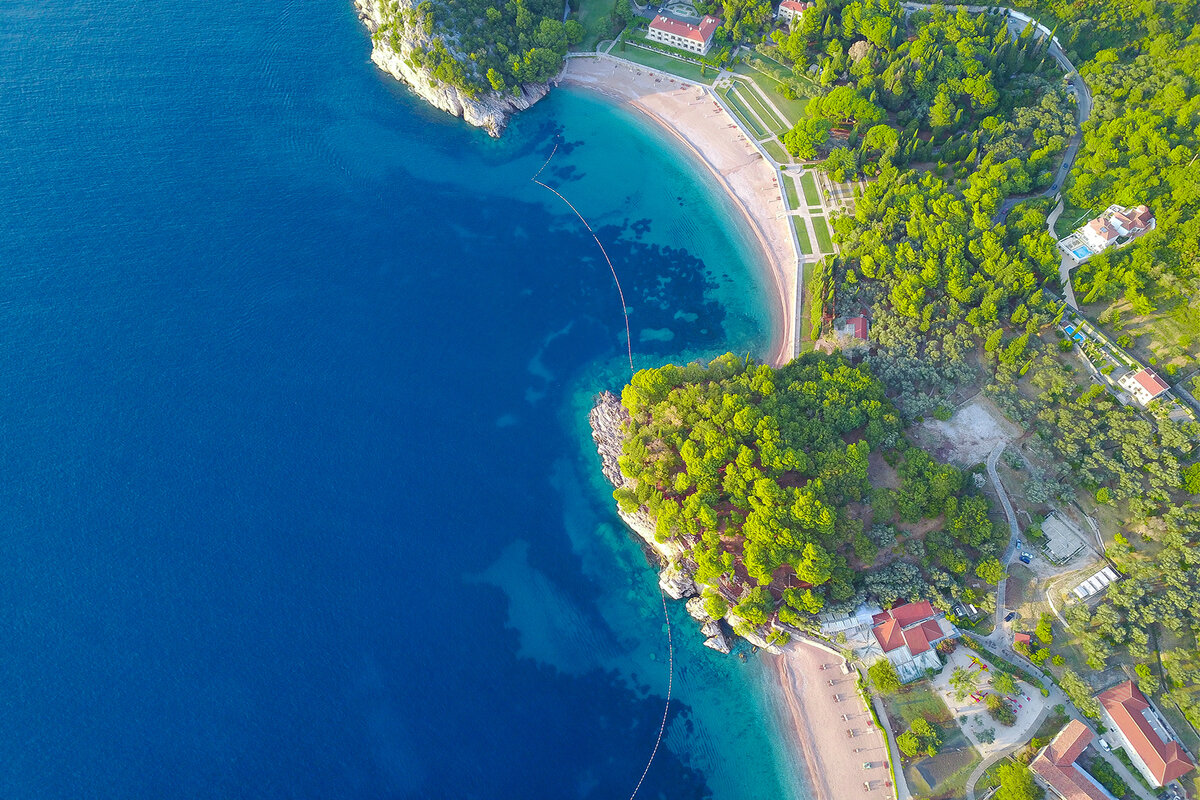
In June the Montenegrin sea was still warming up; in July it reaches its maximum — +25–26°C in the south of the country. Velika Plaža beach near Ulcinj — 13 kilometres of sand, the longest on the entire Adriatic — is ideal for families with children: shallow water, dunes, not a single stone. In the north, Durmitor National Park offers mountain air just two hours from the coast — a rescue from the midday July heat. Flight from Warsaw to Tivat — around 2.5 hours (Ryanair).
| Resort / region | Air temp (day) | Sea | Sun (hrs/day) |
|---|---|---|---|
| Budva / Bečići | +30–33°C | +24–26°C | 12 |
| Kotor / Tivat | +29–32°C | +24–25°C | 12 |
| Ulcinj / Velika Plaža | +31–34°C | +25–27°C | 12 |
| Herceg Novi | +28–31°C | +24–25°C | 11 |
7 nights / 2 people: 3,000–6,000 PLN — around 30–40% cheaper than Croatian equivalents in July
Best family choice: Ulcinj — the only long sandy beach on the Adriatic, shallow water, no pebble banks
Tip: rent an apartment in Kotor or Herceg Novi and taxi to the beach — cheaper than staying seafront in Budva
Who it suits
Families with children, nature lovers and those who want the Adriatic without Croatian prices. Not recommended for those looking for large all-inclusive hotels with developed animation — that format is limited in Montenegro.
What to do
- Spend a day on Velika Plaža with the kids — 13 km of sand; you can find a completely empty stretch even in July.
- Go rafting on the Tara River — one of the deepest canyons in Europe, water temperature +14°C — the best way to cool down.
- Walk around the old town of Kotor in the evening — UNESCO, medieval walls and fish tavernas on the water.
- Climb the Rozafa fortress above Shkodër — in July the vineyards in the valley are vivid green.
Entry to Montenegro
- Polish and EU citizens: visa-free up to 90 days
- Ukrainian citizens: visa-free up to 90 days
- Belarusian citizens: visa-free up to 30 days with a tourist voucher and return ticket
Turkey — Aegean coast
"July in Antalya — too hot; July in Bodrum and Marmaris — just right: sea breeze, warm water and All Inclusive with the kids"
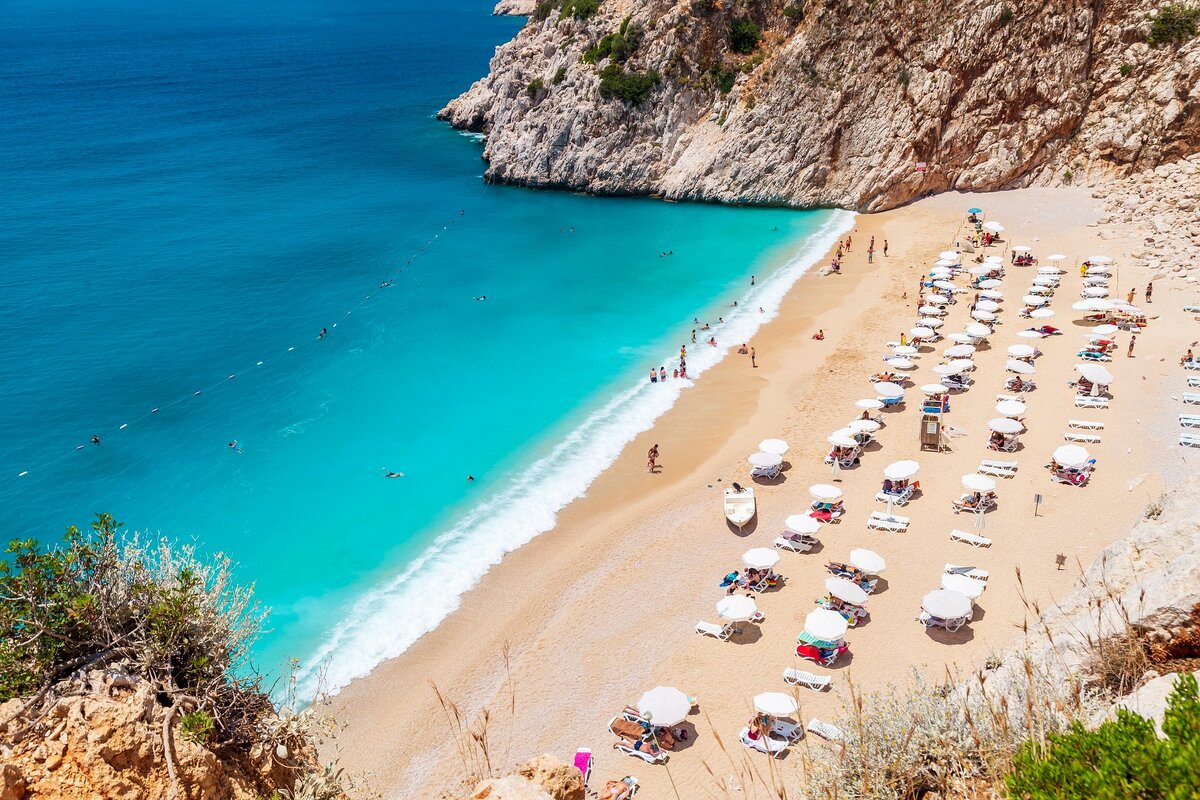
In June we recommended Antalya and Belek. In July the picture changes: Antalya heats up to +37–40°C and spending extended time outdoors becomes uncomfortable for children and older travellers. The Aegean coast — Bodrum, Marmaris, Kuşadası — wins thanks to sea breezes that keep the heat around +30–33°C. Water temperature is +26–28°C throughout. All Inclusive in Marmaris and its surroundings offers the widest choice of family hotels with waterparks and children's clubs in Turkey. Flight from Warsaw to Bodrum or Dalaman — around 3.5 hours; charters from Kraków, Katowice and Wrocław.
| Resort / region | Air temp (day) | Sea | Sun (hrs/day) |
|---|---|---|---|
| Bodrum | +30–33°C | +26–27°C | 13 |
| Marmaris / İçmeler | +31–34°C | +26–28°C | 13 |
| Kuşadası / Didim | +30–33°C | +26–27°C | 12 |
| Fethiye / Ölüdeniz | +33–36°C | +26–27°C | 13 |
| Antalya / Belek (for comparison) | +37–40°C | +27–28°C | 13 |
7 nights / 2 people: 4,500–9,000 PLN (All Inclusive 4–5*) — in July, prices are 30–50% above June levels
Why the Aegean coast, not the Mediterranean coast, in July: in Bodrum and Marmaris, sea breezes reduce the perceived temperature by 5–7°C compared to Antalya
Tip: Ölüdeniz (Blue Lagoon) is stunning, but the main beach is packed in July — arrive by boat at the far coves, or get there before 9 am
Booking: 12–16 weeks ahead for families — good sea-view family rooms during school holidays are booked in winter
Who it suits
Families with children, All Inclusive fans and those who want the warmest possible sea. Not recommended for choosing Antalya or Kemer in July — +38–40°C in the shade makes any time outside the pool a test of endurance.
What to do
- Take a full-day boat trip from Marmaris or Bodrum — turquoise coves that can't be reached by land.
- Paraglide above Ölüdeniz — the Blue Lagoon from 1,900 metres, one of the world's best paragliding sites.
- Catch sunrise at the ruins of ancient Knidos on Cape Datça — a stone amphitheatre over the Aegean, almost no tourists.
- Have dinner at a fish restaurant in the fishing village of Gümüşlük near Bodrum — the best seafood on the Aegean coast.
Entry to Turkey
- Polish and EU citizens: visa-free up to 90 days
- Ukrainian citizens: visa-free up to 90 days (biometric passport)
- Belarusian citizens: visa-free up to 30 days
Greece — family islands
"July on Santorini and Mykonos — tourist hell; July on Kos, Crete and Zakynthos — family paradise"
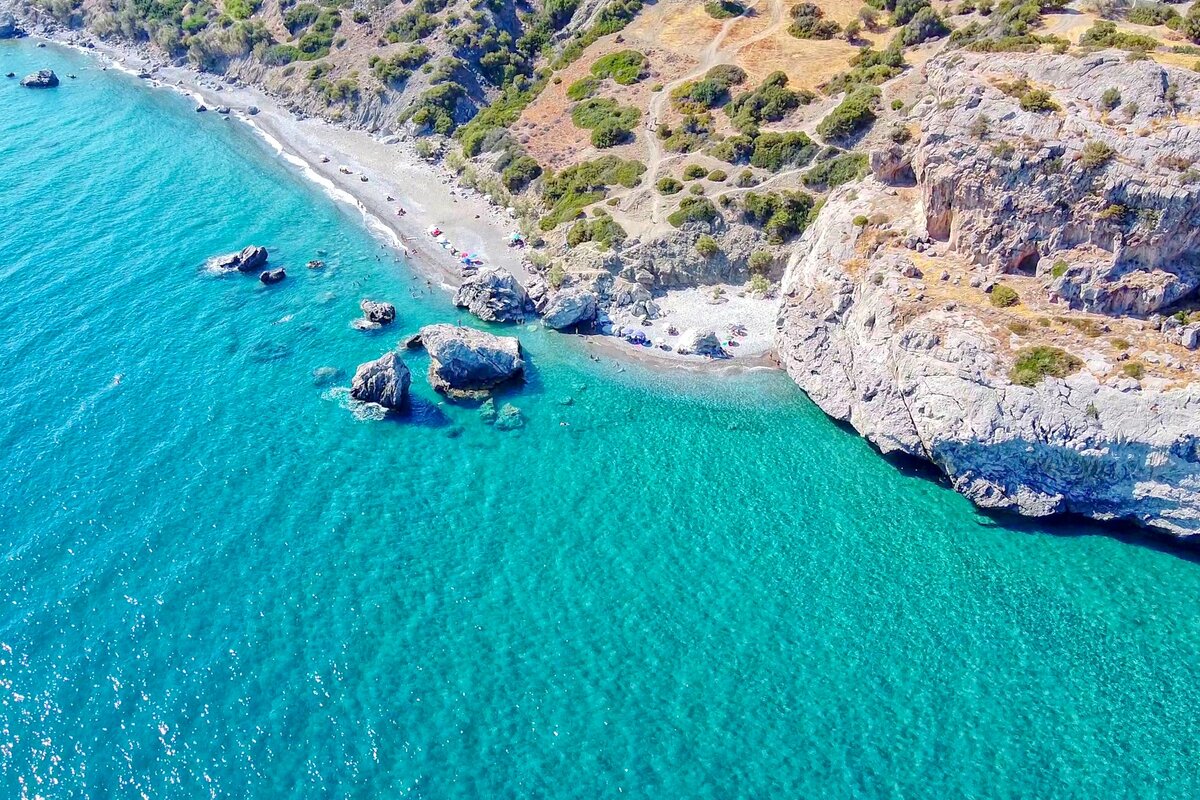
July makes the Greek islands even more appealing weatherwise — water at +25–26°C, 13 hours of sun a day — but simultaneously reveals the main problem: Santorini and Mykonos become tourist conveyor belts with queues, Paris-level prices and overflowing viewpoints. The right July strategy: southern islands with family infrastructure. Kos — waterparks and long sandy beaches. Zakynthos — Navagio beach and turtles, without the Santorini surcharges. Crete — big enough that there's always a quiet corner away from the crowd. Flight from Warsaw 2.5–3 hours; direct charters from Kraków and Katowice to Kos, Crete, Corfu and Zakynthos.
| Resort / region | Air temp (day) | Sea | Sun (hrs/day) |
|---|---|---|---|
| Crete (Heraklion, Chania, Rethymno) | +28–31°C | +24–26°C | 13 |
| Rhodes | +29–32°C | +25–26°C | 13 |
| Kos | +28–31°C | +24–26°C | 13 |
| Zakynthos | +29–32°C | +24–26°C | 12 |
| Santorini / Mykonos | +28–31°C | +24–25°C | 13 |
7 nights / 2 people: 5,500–11,000 PLN (Kos, Zakynthos, Crete); 9,000–20,000 PLN (Santorini in July)
Best family choice in July: Kos — Lido Water Park, the long Tigaki beaches with fine white sand, a solid All Inclusive selection
Why not Santorini in July: almost no beaches (volcanic island), crowds at Oia viewpoints start at 5 am, accommodation from €400/night for a decent option
Booking: 14–18 weeks ahead — good hotels on popular islands are taken from March during school holidays
Who it suits
Families with children (Kos, Crete), couples without children seeking a balance of beauty and comfort (Zakynthos, Rhodes). Not recommended for a first visit to Santorini in July — the gap between expectations and reality (queues, prices, heat) is very wide.
What to do
- Take a boat to Navagio beach on Zakynthos — leave before 10 am: by 11 a dozen tourist boats arrive simultaneously in July.
- Walk the Imbros Gorge on Crete (8 km) — nowhere cooler to escape the July heat.
- Watch loggerhead turtles laying eggs on Sekania beach on Zakynthos — organised tours with a WWF guide.
- Visit Knossos Palace on Crete at 8 am — before the tourist coaches arrive from Heraklion.
Entry to Greece
- Polish and EU citizens: free entry — Greece is an EU and Schengen member
- Ukrainian citizens: visa-free up to 90 days (biometric passport)
- Belarusian citizens: valid Schengen visa required
Sea without crowds: where to go instead of sold-out Europe
Three destinations for those who want warm sea in July but aren't prepared to deal with July prices and queues at the traditional European resorts. The common thread: fewer Western European tourists and either a different currency or a different pricing logic.
Georgia (Batumi)
"Black Sea, subtropics and mountains in one trip — for the price of the Polish Baltic coast"
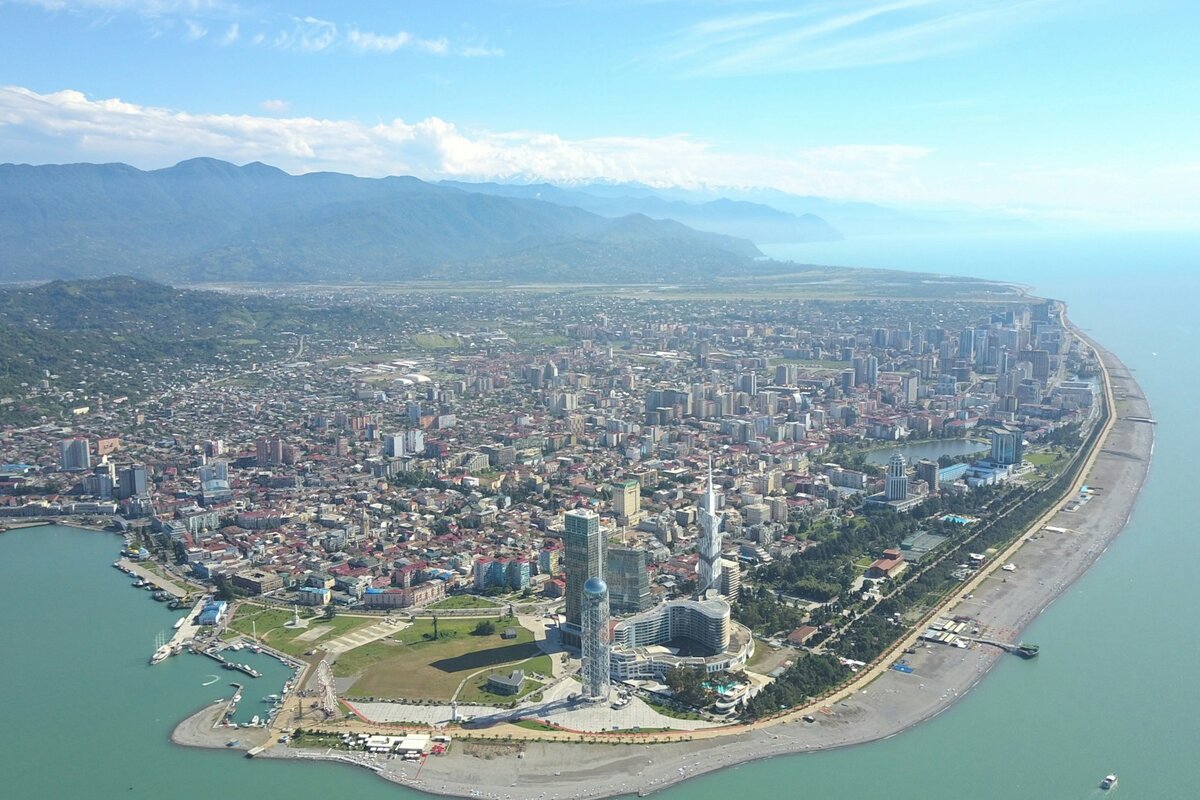
Batumi in July is the most underrated seaside destination from Poland. The Black Sea warms to +26–27°C here — warmer than Bulgaria and comparable to Turkey. The subtropical climate brings greenery and humidity absent from the dry Mediterranean. Fifteen minutes from the beach, mountain villages with vineyards and medieval towers begin. Tbilisi, with its sulphur baths and Dezerter Bazaar, is worth 2–3 days on its own. Accommodation, food and wine prices are 2–3 times lower than Croatian equivalents. Direct flights from Warsaw — around 3.5 hours (Wizz Air); from Katowice — direct flights to Tbilisi.
| Resort / region | Air temp (day) | Sea | Sun (hrs/day) |
|---|---|---|---|
| Batumi (beach) | +28–31°C | +26–27°C | 8–9 |
| Kobuleti (quieter, north) | +27–30°C | +25–26°C | 8–9 |
| Tbilisi (2–3 days) | +33–36°C | — | 10 |
| Kazbegi / Mestia (mountains) | +18–22°C | — | 8 |
Budget 10 nights / 2 people: 3,500–6,500 PLN (flights + accommodation + food) — comparable to a week in Bulgaria, but the trip is much richer
Important about beaches: Batumi beaches are mainly pebble — for families with small children, Kobuleti is better (fine pebble-sand shore)
Trip format: 4–5 days Batumi + 2–3 days Tbilisi + 2–3 days mountains (Kazbegi or Mestia) — the same money, three times the experience
Weather: July is Batumi's sunniest month, but brief showers are possible; mountain evenings are cool (+10–14°C)
Who it suits
Independent travellers, couples and those who want sea, mountains and gastronomy together for a modest budget. Not recommended for those who want all-inclusive format and developed beach infrastructure — Batumi doesn't have it.
What to do
- Take the cable car from central Batumi up to Mount Mtiralа — subtropical jungle at 1,500 metres above sea level.
- Try khinkali and Adjarian khachapuri at any khinkali house for 3–5 lari — cheaper and better than any restaurant.
- Drive to Gelati Monastery near Kutaisi — Georgia's main medieval monastery, a UNESCO site, 1.5 hours from Batumi.
- Visit the village of Ushguli in Svaneti — the highest permanently inhabited village in Europe, with views of the Shkhara glacier.
Entry to Georgia
- Polish and EU citizens: visa-free up to 365 days
- Ukrainian citizens: visa-free up to 365 days
- Belarusian citizens: visa-free up to 90 days
Lake Ohrid (North Macedonia)
"Europe's warmest and clearest lake, a medieval UNESCO city and prices like Bulgaria ten years ago"
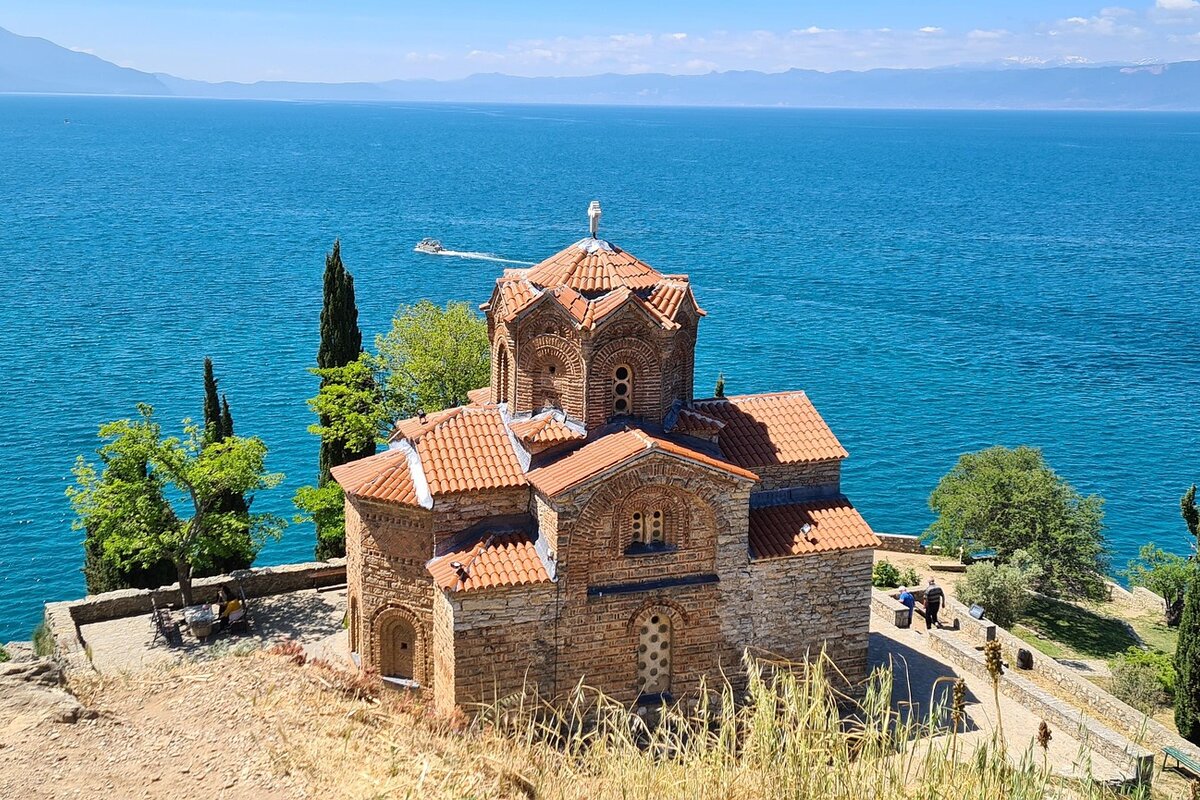
Ohrid is arguably the most underrated resort in the Balkans. The lake warms to +24–26°C in July and water clarity reaches 22 metres — better than most seaside resorts. The town of Ohrid is a UNESCO site: 365 churches, a medieval fortress and narrow cobbled streets above blue water. Accommodation and food prices are among the lowest in the region. The downside: no direct flights from most Polish cities — you travel via Skopje or Tivat. Flight to Skopje — around 2 hours (Wizz Air from Warsaw and Kraków), then 3 hours by bus or a rental car.
| Area | Air temp (day) | Lake | Sun (hrs/day) |
|---|---|---|---|
| Ohrid (town) | +28–32°C | +24–26°C | 12 |
| Struga (north of lake) | +28–32°C | +24–26°C | 12 |
| Peskista / Trpejca (south) | +27–31°C | +24–26°C | 12 |
Budget 7 nights / 2 people: 2,000–3,500 PLN (flights + lakeside apartment + meals) — one of the most affordable summer holiday options from Poland
Best format: apartment directly on the water in Trpejca or Peskista — quiet fishing villages 15 minutes from central Ohrid
Getting there from Poland: Wizz Air from Warsaw or Kraków to Skopje → rent a car → 3 hours to Ohrid along a scenic mountain road
Who it suits
Couples, independent travellers and those who want a European cultural atmosphere with lake swimming on a minimal budget. Not recommended for families with very small children — the beaches are mainly pebbly and stepped.
What to do
- Swim by the cliff church of Sveti Jovan Kaneo right in the lake — one of the most photogenic spots in the Balkans.
- Take a boat to the Monastery of Saint Naum on the southern shore — springs rise directly from the lake bed.
- Walk the Samuil's Fortress early in the morning — medieval walls above the lake, cool air and almost no one around.
- Try Ohrid trout with roasted peppers and homemade bread — the local speciality on every corner.
Entry to North Macedonia
- Polish and EU citizens: visa-free up to 90 days
- Ukrainian citizens: visa-free up to 90 days
- Belarusian citizens: visa-free up to 90 days (biometric passport holders)
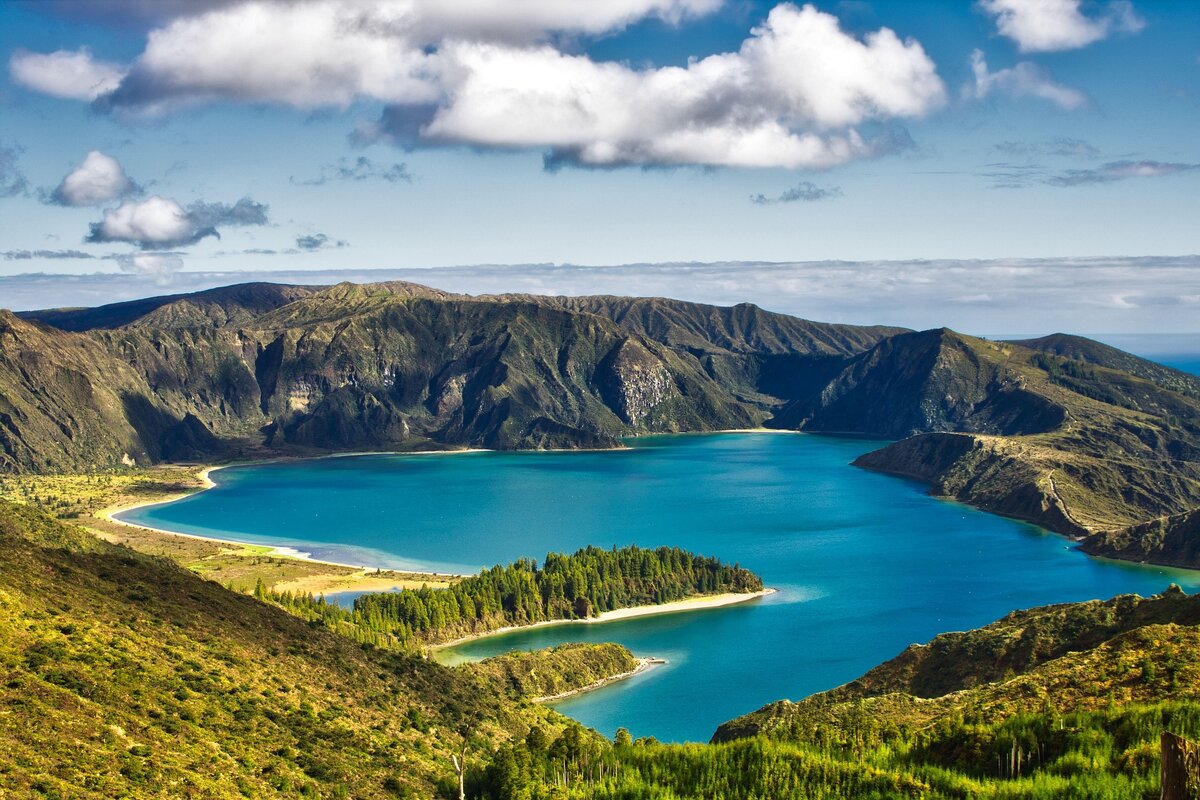
The Azores (Portugal)
"July is the best month on the Atlantic volcanic islands: no oppressive heat, craters in the clouds and whales from the shore"
The Azores are the direct opposite of an overheated July Mediterranean. Air temperature +22–24°C, moderate humidity, ocean +22–23°C — cloudier than the Algarve but without the exhausting heat. July is the peak whale-watching season: blue whales, sperm whales and orcas regularly appear off the shores of Faial and Pico. The nine-island archipelago offers different experiences: Terceira — baroque architecture and festas; São Miguel — boiling geysers in crater lakes; Pico — vineyards at the foot of a volcano. Direct flights from Warsaw to Ponta Delgada (São Miguel) — around 4 hours (Ryanair, seasonal); via Lisbon — always available.
| Island | Air temp (day) | Ocean | Highlights |
|---|---|---|---|
| São Miguel | +22–24°C | +22–23°C | Crater lakes, geysers, main hub |
| Faial / Pico | +21–24°C | +22–23°C | Best place for whale watching |
| Terceira | +22–25°C | +22–23°C | Direct flights, baroque Angra do Heroísmo |
| Flores / Corvo | +21–23°C | +21–22°C | Wildest and most untouched islands |
10 nights / 2 people: 5,000–10,000 PLN — comparable to Croatia in price, but an entirely different experience
Whale watching: best operators are companies from Horta (Faial) and Lajes (Pico); in July, the chance of encountering a blue whale is around 80%
Important: Azores weather in July is unpredictable — there may be rain in the middle of the day. Beach relaxation is secondary here; it's about nature and activities
Format: 5 days São Miguel (trekking, geothermal bathing) + 5 days Pico/Faial (volcano ascent, whales) — ferry between islands ~2 hours
Who it suits
Couples and active travellers tired of the heat who want world-class nature without a long-haul flight. Not recommended for those seeking classic beach holidays — beaches on the Azores are mostly rocky and the weather is unpredictable.
What to do
- Bathe in the Terra Nostra geothermal pool in Furnas on São Miguel — a natural pool with orange water at +39°C in the middle of a tropical park.
- Take a whale-watching tour from Horta — from the high viewpoints of Faial island, whales are visible from shore even without binoculars.
- Climb Pico volcano (2,351 m) — Portugal's highest point, the ascent takes 3–4 hours.
- Try alcatra — a slow-braised meat stew in a clay pot, the national dish of Terceira island, found nowhere else in Portugal.
Entry to the Azores
- Polish and EU citizens: free entry — the Azores are part of Portugal (EU, Schengen)
- Ukrainian citizens: visa-free up to 90 days (biometric passport)
- Belarusian citizens: valid Schengen visa required
Mountains instead of sea: for those escaping the July heat
This section isn't needed in June — there's no heat yet. But in July, when Rome hits +38°C and Majorca's beaches become a wall-to-wall sunbed operation, the idea of heading north or into the mountains becomes increasingly sensible. Three destinations that are the complete opposite of the Mediterranean standard.
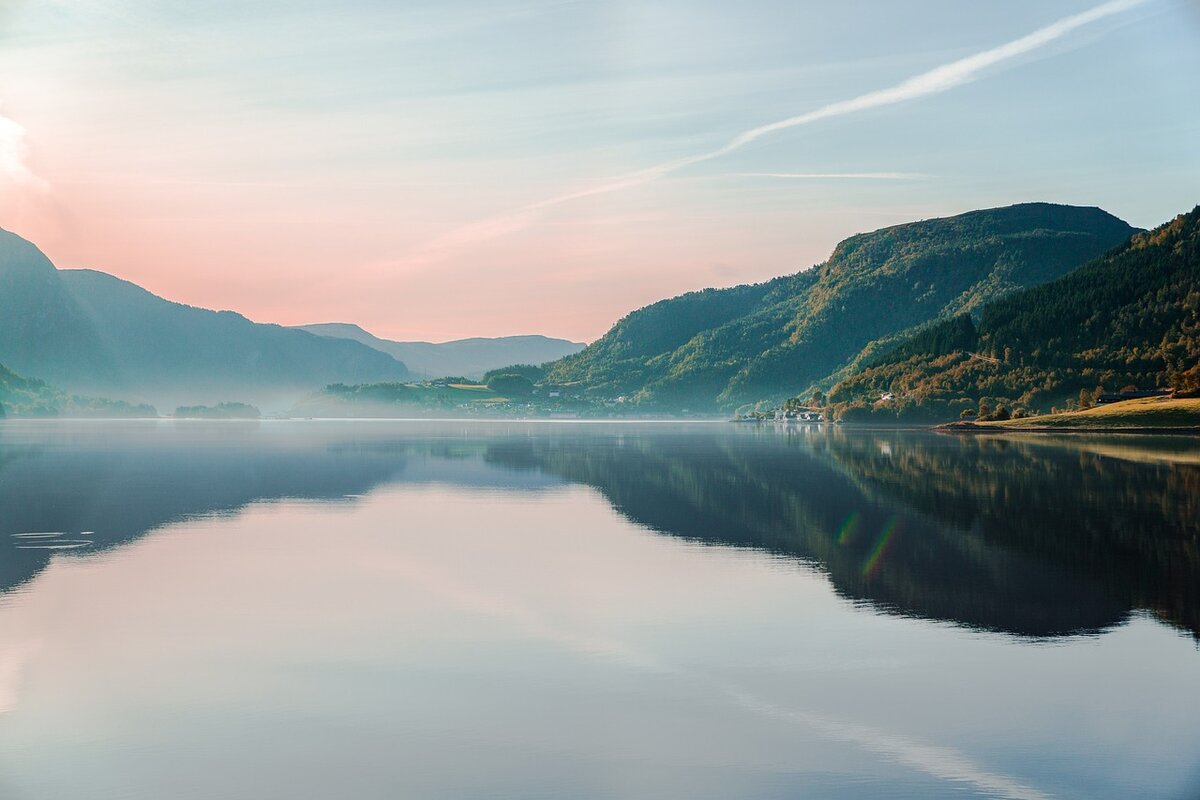
Norway (fjords)
"White nights, fjords and hiking up Preikestolen — July is the only month when warm weather in Norway is guaranteed"
For Norway, July is summer in the literal sense: the only month when temperatures reliably stay above +15–18°C, mountain trails are fully open and fjord ferries run at maximum frequency. White nights give 20–22 hours of daylight — a phenomenon many visitors come specifically for. Main highlights: Lysefjord with Preikestolen pulpit rock (604 m above water), Geiranger with its seven waterfalls, and Bergen as a base for day trips on the fjords. Direct flights from Warsaw and Kraków to Bergen and Stavanger — around 2–2.5 hours (Ryanair, Wizz Air, LOT).
| Region | Air temp (day) | Sea / fjord | Daylight hours |
|---|---|---|---|
| Bergen / Hardangerfjord | +16–20°C | +16–17°C | 20+ hours |
| Stavanger / Lysefjord (Preikestolen) | +17–21°C | +17–18°C | 20+ hours |
| Geiranger | +18–22°C | +15–16°C | 20+ hours |
| Tromsø (Arctic summer) | +12–16°C | +12–13°C | 24 hours |
Budget 7 nights / 2 people: 6,000–12,000 PLN — Norway is expensive, but the gap with southern Europe in July is smaller than you'd think: hotels in Bergen cost as much as in Dubrovnik
Preikestolen: the hike takes 4 hours return (8 km, +600 m) — in July you need to start before 7 am to avoid queues on the narrow trail
Best format: fly to Bergen → Hardangerfjord → Flåm and the Flåmsbana railway → travel to Stavanger → Preikestolen; rent a car or combine ferry + bus
Booking: 12–16 weeks ahead — in July Norway is top of the list for German and Dutch tourists; good glamping and fjord hotels go fast
Who it suits
Those tired of heat, hikers and nature photographers, couples looking for a unique experience instead of a standard beach. Not recommended for families with small children (most trails are technically demanding) and those who want to swim — even in July the water in the fjords doesn't exceed +17°C.
What to do
- Get up at 5 am and hike to Preikestolen before sunrise — the views over Lysefjord at dawn and sunset are completely different.
- Ride the Flåm–Myrdal railway (55 minutes, 20 tunnels, 865-metre elevation change) — one of the most scenic train routes in Europe.
- Try rakfisk (fermented trout) in a small restaurant in Ål — an authentic Norwegian delicacy that tourists rarely order.
- Stay overnight in a glamping tent above the fjord in the Hardanger area — in July it stays light all night; falling asleep under a white sky is an experience in itself.
Entry to Norway
- Polish and EU citizens: free entry — Norway is part of the Schengen Area (not EU)
- Ukrainian citizens: visa-free up to 90 days (biometric passport)
- Belarusian citizens: valid Schengen visa required
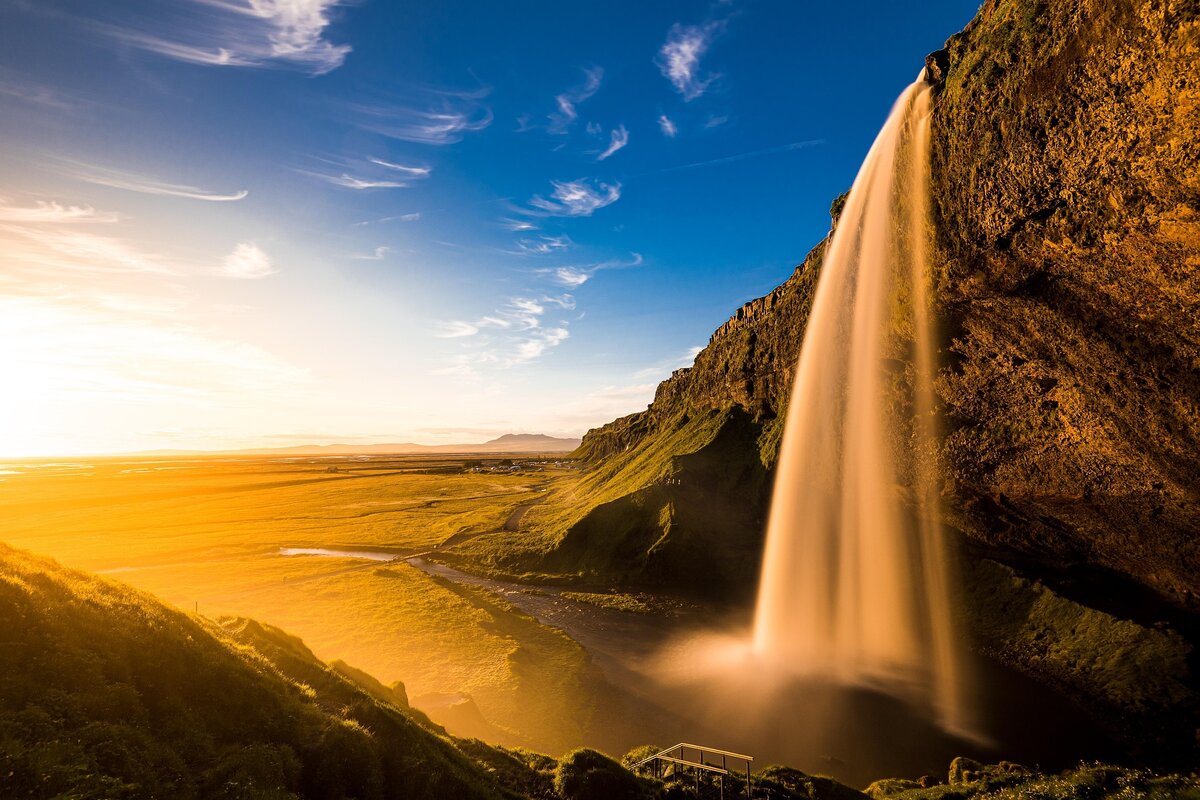
Iceland
"24 hours of sun, all trails open and not a single mosquito — July is the only unconditionally summer month on the island"
Iceland in July is the Mediterranean holiday's opposite in every way except one: the prices are comparable. Air temperature +10–15°C, but 24 hours of daylight, mountain trekking routes fully open (under snow for most of the year), meadows in bloom, bird colonies at peak activity and geothermal springs working in any weather. The famous Golden Circle (Geysir, Gullfoss, Þingvellir) can be done in July without specialist equipment. Flight from Warsaw via London, Amsterdam or direct — around 3–3.5 hours (Icelandair from Warsaw via Keflavík; Wizz Air from Kraków).
| Region | Air temp (day) | Highlights | Daylight hours |
|---|---|---|---|
| Reykjavik / Golden Circle | +11–15°C | Geysers, waterfalls, parliament | 24 hours |
| Snæfellsnes | +10–14°C | Glacier, seals, Jules Verne's volcano | 24 hours |
| Highlands (Landmannalaugar) | +8–13°C | Coloured mountains, geothermal pools | 24 hours |
| Látrabjarg (bird cliffs) | +9–13°C | Puffins, razorbills, Arctic terns | 24 hours |
Budget 7 nights / 2 people: 7,000–15,000 PLN — Iceland is expensive, but with a rental car and self-catering in guesthouses the budget can realistically be halved
Car hire is essential: Iceland without a car makes little sense — buses cover only the tourist routes; a 4WD is only needed for highland F-roads
Laugavegur trek (55 km, 4 days): one of the world's best hiking routes — open specifically in July; mountain huts need booking 6–8 months ahead
No northern lights in July — too much daylight. Come for the nature and white nights, not the aurora
Who it suits
Couples and travellers who value wild nature above warm sea, photographers and anyone who has long dreamed of Iceland. Not recommended for those who want beach holidays and warm weather — even in July it can be +5°C with strong wind.
What to do
- Bathe in the Reykjadalur geothermal stream — unlike the Blue Lagoon, it's free and almost tourist-free.
- Find the puffin colony at Cape Dyrhólaey — in July puffins are rearing chicks here and approach within 2–3 metres.
- Walk the Fimmvörðuháls trail (25 km) between two glaciers — opens in mid-July, with views of Eyjafjallajökull.
- Watch the midnight sun from Mount Esjan above Reykjavik — the sky never darkens, the horizon stays pink all night.
Entry to Iceland
- Polish and EU citizens: free entry — Iceland is part of the Schengen Area (not EU)
- Ukrainian citizens: visa-free up to 90 days (biometric passport)
- Belarusian citizens: valid Schengen visa required
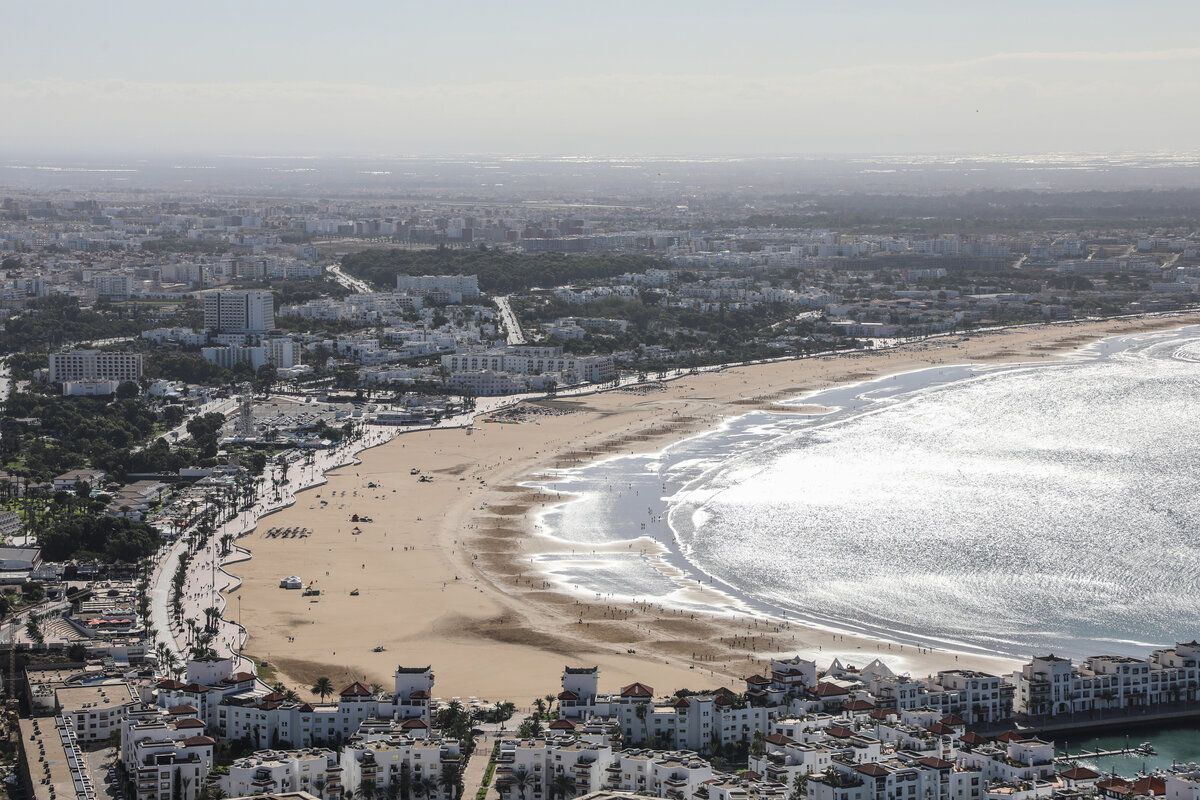
Morocco — highland regions
"Marrakech in July — +42°C and hell; Chefchaouen in the Rif Mountains — +27°C, blue streets and half the tourists"
Morocco divides starkly in July: coastal and desert cities (Marrakech, Fes, Agadir) become uncomfortable due to extreme heat. But the mountain regions are a completely different story. Chefchaouen, at 600 metres in the Rif Mountains, is the most picturesque town in North Africa, famous for its blue-painted buildings; in July temperatures sit at +26–28°C. The Dadès Valley and Ouarzazate are the gateway to the Sahara, with mountain kasbahs and film sets for Gladiator and Game of Thrones. Direct flights from Warsaw to Marrakech — around 4 hours (Ryanair); to Casablanca — Air Arabia and Royal Air Maroc. From Marrakech to Chefchaouen — around 8 hours by bus or 4 hours by car.
| Region | Air temp (day) | Recommendation | Distance from Marrakech |
|---|---|---|---|
| Chefchaouen (Rif Mountains) | +25–28°C | ✅ Comfortable | ~550 km |
| Ouarzazate / Dadès Valley | +32–36°C | ⚠️ Hot but manageable | ~200 km |
| Merzouga (Sahara) | +40–44°C | ⚠️ Dune camp only | ~560 km |
| Marrakech / Fes / Rabat | +40–44°C | ❌ Too hot | — |
Budget 10 nights / 2 people: 4,000–8,000 PLN — cheaper than most Mediterranean destinations
Route: fly to Marrakech (1 day) → Ouarzazate (1 night in a kasbah) → Dadès Valley (2 nights) → Fes (2 nights) → Chefchaouen (3 nights) → exit via Tangier or back to Marrakech
Important: a car is essential for the Dadès Valley and Chefchaouen; in Marrakech and Fes a car is unnecessary — the medinas are pedestrian
Who it suits
Couples and independent travellers interested in exoticism without a long-haul flight, architecture and desert landscape enthusiasts. Not recommended for those wanting a beach holiday — the Atlantic coast around Agadir is busy with tourists in July, and Morocco has almost no Mediterranean beaches.
What to do
- Wake up at 6 am in Chefchaouen and walk the blue alleys to the market — by 10 am the tourists with cameras arrive; in the morning it's locals and pigeons.
- Camp overnight in the Erg Chebbi dunes near Merzouga — candlelit dinner in the desert and a sunrise from the dunes.
- Visit Aït Benhaddou — a UNESCO site and Game of Thrones filming location; arrive before 9 am in July.
- Try a lamb tagine with almonds and prunes at an ordinary chorba in Fes — no tourist menu and with traditional khobz bread.
Entry to Morocco
- Polish and EU citizens: visa-free up to 90 days
- Ukrainian citizens: visa-free up to 90 days
- Belarusian citizens: Moroccan visa required
Off-season exotica: long-haul flights with a price advantage
In July some exotic destinations move into low season — prices drop 20–40% and crowds thin out. You just need to understand where that means rain and where it simply means fewer tourists.
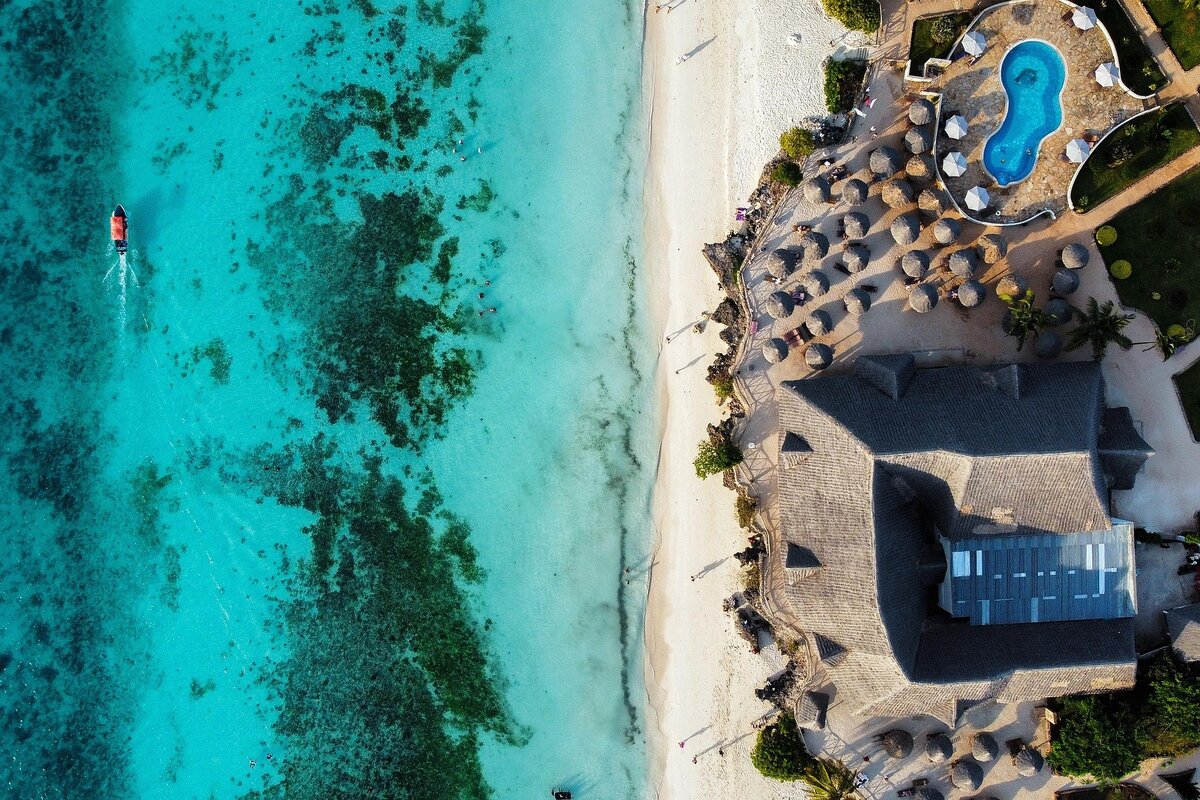
Sri Lanka — east coast
"In June Sri Lanka's west coast is closed by monsoon — in July the east opens up: untouched reefs, quiet villages and +29°C water"
This is the key difference from the June article: in June, Sri Lanka was on our list of places to avoid. In July everything changes: the south-west monsoon eases on the east coast and the shoreline around Trincomalee and Passekaduah emerges from the rains. Water +28–30°C, the coral reefs at Pigeon Point (Trincomalee) are among the most pristine in Asia. Infrastructure is more modest than the west coast — no large hotel complexes, but small guesthouses with ocean views at €30–50 a night. Flight from Warsaw — around 11–12 hours with a connection in Dubai, Doha or Istanbul.
| Resort / region | Air temp (day) | Sea | Season |
|---|---|---|---|
| Trincomalee / Nilaveli | +30–32°C | +28–30°C | ✅ Open, July is peak |
| Passekaduah / Kalmunai | +30–32°C | +28–29°C | ✅ Open |
| Batticaloa | +29–31°C | +28–29°C | ✅ Open |
| Unawatuna / Hikkaduwa / Mirissa | +28–30°C | +27–28°C | ❌ Monsoon, closed |
10 nights / 2 people: 6,000–12,000 PLN — in July significantly cheaper than the December peak
Important: west and south coast (Colombo, Unawatuna, Galle) in July — monsoon, poor beach conditions; east coast only
Format: 3 days Trincomalee (reefs, turtles) + 4 days Sigiriya and the Cultural Triangle (ancient capitals) + 3 days Nuwara Eliya (tea plantations, cool air) — a logical loop route
Health: malaria prophylaxis recommended for northern and eastern regions; hepatitis A and typhoid vaccinations advised
Who it suits
Couples and experienced travellers who want Asia outside the peak season and at more reasonable prices. Not recommended for those who want developed infrastructure and large hotels — eastern Sri Lanka is not yet heavily touristed in a Western sense.
What to do
- Snorkel with turtles at Nilaveli beach — in July they come ashore at night to lay eggs and feed on the reef 5 metres from shore by day.
- Take a kayak out on Trincomalee lagoon at sunrise — pink flamingos, pelicans and not a single tourist.
- Climb Sigiriya Rock ("Lion Rock") — a 5th-century palace on top of a 200-metre monolith, staircase up the vertical face.
- Try kottu roti at a roadside cafe in Trincomalee — a flatbread chopped with curry, egg and coconut sauce for 150 rupees.
Entry to Sri Lanka
- Polish and EU citizens: electronic ETA online — $20, up to 30 days; apply in advance at eta.gov.lk
- Ukrainian citizens: electronic ETA online — $20, up to 30 days
- Belarusian citizens: electronic ETA online — $20, up to 30 days
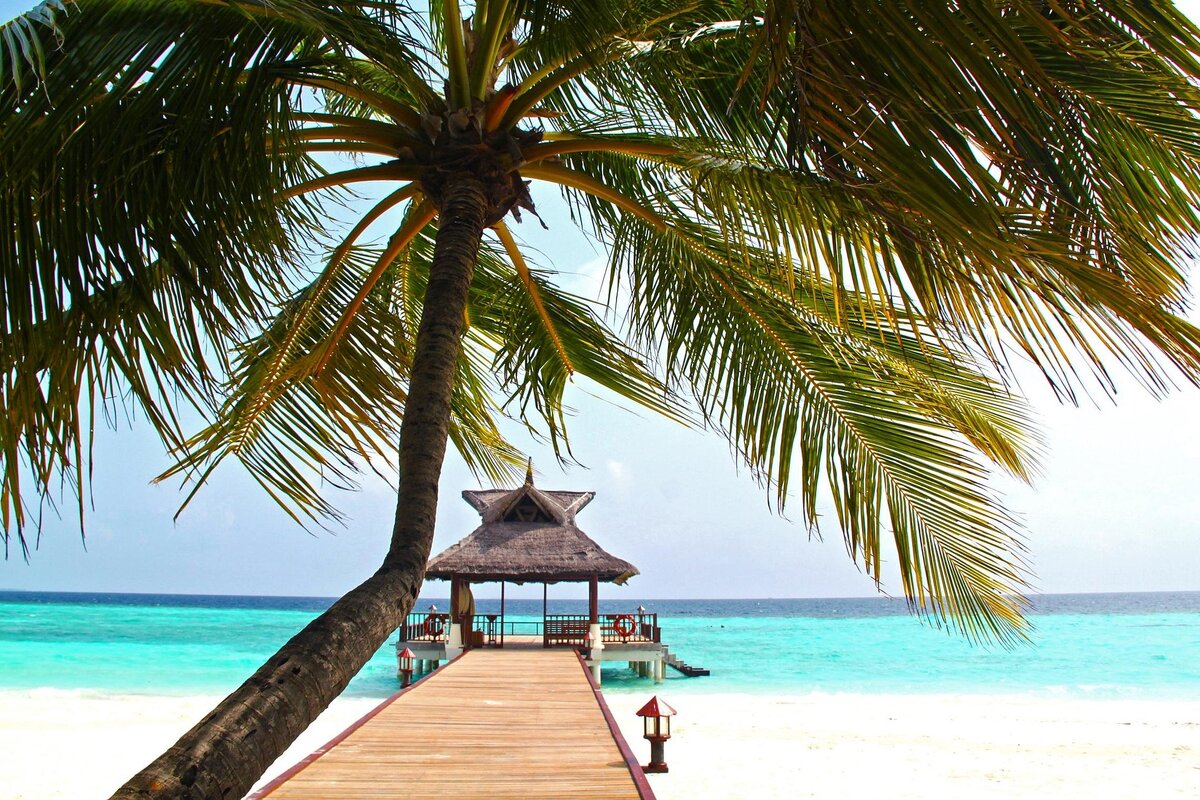
Maldives
"July is low season: prices 30–40% below December levels, brief afternoon showers and near-empty reefs"
The Maldives in December–January are extraordinarily expensive. In July the situation changes: it's the inter-monsoon period, there are showers but they're brief (usually 30–60 minutes after lunch) and don't interfere with snorkelling or diving. Water +29–30°C, reef visibility 20–30 metres. July in the Maldives is the best time to encounter whale sharks at Ari Atoll. The key is choosing the right atoll — southern atolls (Addu, Huvadhu) are slightly rainier in July than the northern ones. Flight from Warsaw — around 10–11 hours with a connection in Dubai, Doha or Istanbul.
| Atoll | Air temp (day) | Sea | Highlights |
|---|---|---|---|
| North Malé / Kaafu | +29–31°C | +29–30°C | Best access, close to airport |
| Ari (Alif) | +29–31°C | +29–30°C | Whale sharks in July |
| Baa | +28–30°C | +29–30°C | Manta rays in July–August |
7 nights / 2 people: 8,000–20,000 PLN (water villa) — in December the same villas cost 14,000–35,000 PLN
Whale sharks at Ari Atoll: July is the best month to encounter them; snorkelling straight from the boat — they are safe and unhurried
July reality: rain 1–2 times a day, 30–60 minutes, then sun again — this is not the rainy season in the full sense, but an inter-monsoon period
Tip: choose resort islands located on the western reef of the atoll — they receive less rainfall and have better protection from swell
Who it suits
Couples, honeymooners and divers who want the Maldives without peak Maldives prices. Not recommended for those who need guaranteed sunshine every day — July can't offer that certainty.
What to do
- Head out at dawn with a dive guide to "Moku Thila" point near Ari Atoll — in July whale sharks appear there regularly.
- Order a private beach dinner on your island — the best resorts set up a table right at the waterline with a personal chef.
- Sail to an uninhabited sandbank island and spend half a day there alone — one of the definitive Maldivian rituals.
- Try mas huni (local tuna curry) in Malé or at a guesthouse on a local island — an entirely different cuisine from resort restaurants.
Entry to the Maldives
- Polish and EU citizens: free visa on arrival, up to 30 days
- Ukrainian citizens: free visa on arrival, up to 30 days
- Belarusian citizens: free visa on arrival, up to 30 days
Japan — Hokkaido
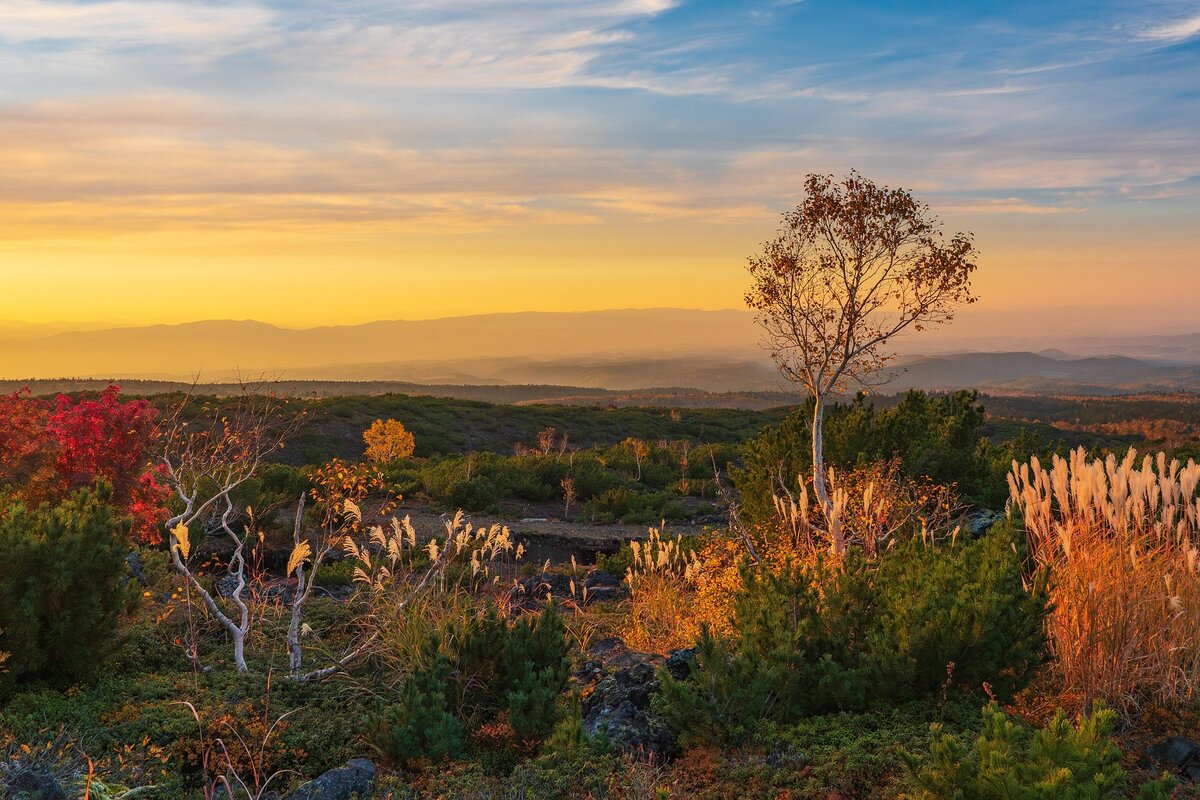
"While Tokyo suffocates in the heat, Japan's northern island in July is green, cool and carpeted in lavender"
The Japanese mainland in July is one of the worst options for tourism: +35°C, high humidity, rainy season. But Hokkaido is a different Japan. The northern island sits at the same latitude as Poland, the climate is temperate (+20–23°C in July) and this is precisely when the lavender fields bloom in Furano — one of the most photogenic sights in the country. Add the Mashu caldera with its crystal-clear lake, the Noboribetsu hot springs and the town of Otaru with its Dutch-style canal port — and you have a route that none of your friends will have mentioned yet. Flight from Warsaw with a connection — around 13–14 hours.
| Hokkaido region | Air temp (day) | July highlights | From Sapporo |
|---|---|---|---|
| Sapporo (base) | +22–25°C | Nijo Market, Sapporo Brewery, hidden restaurants | — |
| Furano / Biei | +20–23°C | Lavender fields, patchwork hills | 2 hours |
| Noboribetsu | +19–22°C | Hot springs, Jigokudani Hell Valley | 1.5 hours |
| Shiretoko (UNESCO) | +17–21°C | Bears, waterfalls, whale watching | 5 hours |
10 nights / 2 people: 8,000–16,000 PLN — Japan is expensive, but in July prices are below the autumn cherry blossom and foliage peak
Furano lavender: peak bloom from 20 June to 20 July; Tomita Farm is free to enter; best photos early in the morning before the coach groups arrive
Rail pass: JR Hokkaido Rail Pass (5 days, ~€100) pays for itself with just two Sapporo–Furano trips
Without Google Maps on a Japanese network: download Maps.me offline maps and buy a local SIM for 14 days at Chitose Airport (~€15)
Who it suits
Those who have long dreamed of Japan but want to avoid Tokyo crowds; photographers and food travellers (Hokkaido is Japan's best region for food and seafood). Not recommended for those wanting classic Japan with Tokyo and Kyoto — in July it's humid and overcrowded there.
What to do
- Wake up at 4:30 and watch the sunrise over Furano's lavender fields — in July dawn comes early and for the first 40 minutes you're alone on the farm.
- Have dinner at Nijo Fish Market in Sapporo — sea urchin, horsehair crab and live scallops straight from the stall.
- Take an onsen at Noboribetsu overlooking the Jigokudani (Hell Valley) crater — sulphur, steam and an end-of-the-world feeling.
- Sail along the Shiretoko coast hoping to spot a brown bear — in July they come down to the shore to fish.
Entry to Japan
- Polish and EU citizens: visa-free up to 90 days
- Ukrainian citizens: Japanese visa required — apply at the consulate in Warsaw
- Belarusian citizens: Japanese visa required
❌ Where not to go in July
In July the "avoid" list changes fundamentally from June. It now includes not only countries with monsoons but also superpopular European destinations that in July turn into overheated tourist conveyor belts.
Rome, Florence, Athens (city trips)
July in these cities is the worst time of year: +37–40°C, crowds at every monument, 2–3-hour queues for the Colosseum, hot tarmac smell and an overwhelmed public transport system. Cultural trips to Italy and Greece are best planned for April–May or September–October.
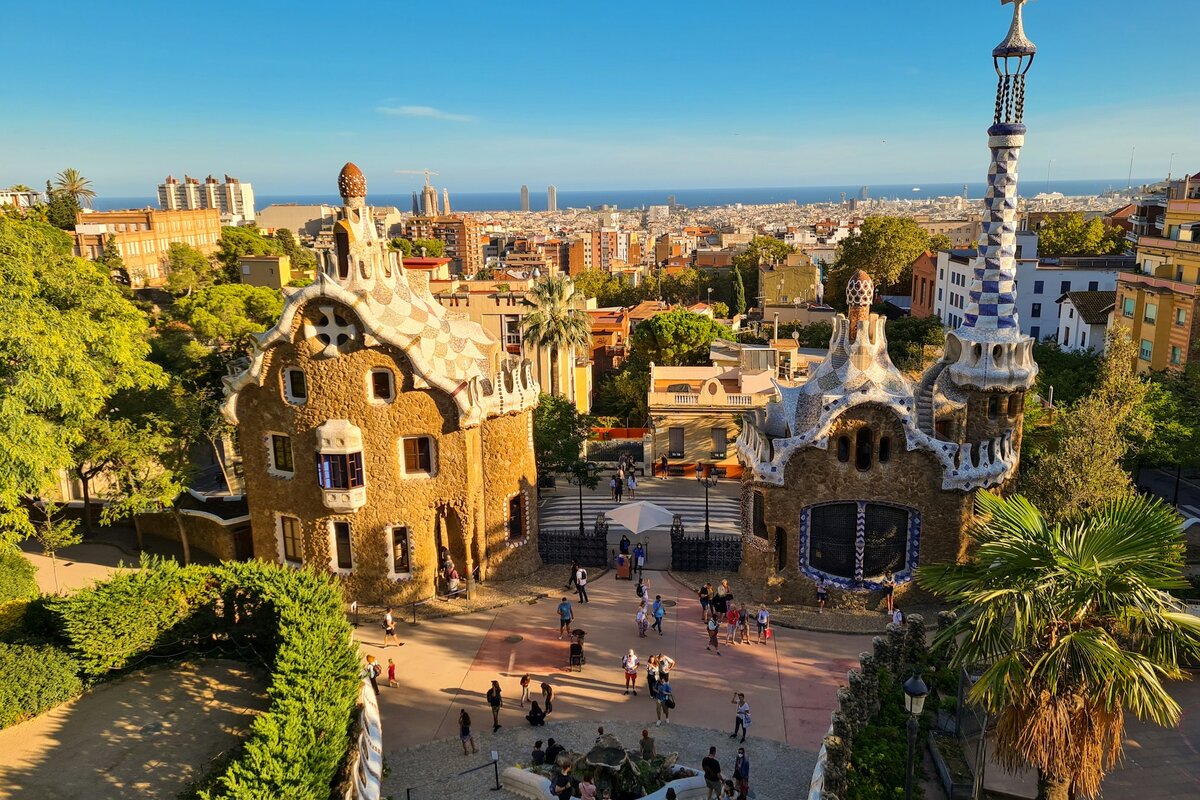
Barcelona and Majorca at peak
Barcelona in July is a tourist gridlock: the Sagrada Família sells slots a month in advance, La Boqueria is stuffed, accommodation prices are twice those in June. Majorca is overwhelmed by the Magaluf and Palma Nova resorts — in July it's one of the most visited places on the Mediterranean. If you do go — only to an aparthotel in a quiet part of the island with a car, away from the main beach.
Thailand (Phuket, Krabi, Ko Pha-Ngan)
The monsoon continues along the entire west coast and through central Thailand. Red flags, 4–6 hours of rain per day, closed beaches. Ko Samui still holds up in July but starts getting caught by the bad weather towards the end of the month.
Marrakech
+42–44°C is not an exaggeration. The Marrakech medina in July is a hot frying pan and even riads with pools don't save you. If you want Morocco in July — only the mountain regions (Chefchaouen, Ouarzazate), not the coastal or desert cities.
Cuba
July marks the beginning of the Caribbean hurricane season: weather is unstable and some Varadero resorts restrict activities. Cuba is best visited in November–February.
Vietnam (south and centre)
As in June: Hội An, Nha Trang, Da Nang — rainy season. Hanoi in July is hot and humid but bearable — if you want Vietnam in July, it's the only workable option. Ha Long Bay gets hit by typhoons in July.
First or second half of July: the price difference
The first 7–10 days of July are still relatively quiet: Polish schools have just broken up for the holidays, German schools have not. In this window, prices are 10–20% lower than in the peak from 15–31 July. If you're travelling with children and can leave on 1–5 July, the saving is real. The second half of July is the absolute annual price peak for most destinations.
When to book for July:
- 16–24 weeks ahead: Norway and Iceland (glamping, fjord cabins, Laugavegur trek); Japan (Hokkaido, lavender season); Maldives (water villas at low-season prices); family hotels in Greece and Turkey with waterpark areas
- 10–14 weeks ahead: Bulgaria, Montenegro, Georgia, Ohrid, Morocco — enough time for a good selection
- 6–8 weeks ahead: Azores, Sri Lanka, Maldives (guesthouses) — low season gives more flexibility
- Last minute barely works in July — it's the one month when operators don't cut prices because demand exceeds supply
Who should go where in July
Families with children — warm sea, shallow water, waterparks, short flight:
- Bulgaria (Sunny Beach, Sozopol) — the most affordable family sea in July
- Montenegro (Ulcinj) — the only long sandy beach on the Adriatic at Bulgarian prices
- Greece (Kos, Crete) — family islands with waterparks and shallow beaches
- Turkey (Marmaris, Bodrum) — All Inclusive with sea breeze, without the Antalya oven
Couples without children — atmosphere, beauty, not mass tourism:
- Azores — volcanoes, whales, not a single tourist coach
- Norway (fjords) — white nights and hiking instead of beach
- Maldives — luxury holiday at off-peak prices
- Ohrid — Balkan exoticism on a minimal budget
Active holidays and adventure:
- Iceland — Laugavegur trek, wild nature, 24 hours of light
- Georgia — Kazbegi and Svaneti mountains + sea in Batumi
- Morocco — highland section with kasbahs and the desert
- Sri Lanka (east) — pristine reefs and a cultural trail
Common mistakes when planning a July holiday
- Going to Rome or Athens with a cultural programme — in July these cities aren't for tourism: +38°C and 2–3-hour queues at every attraction.
- Counting on last minute — in July this mechanism doesn't work. Operators don't cut prices because spaces sell without discounts.
- Choosing Phuket or Krabi — the monsoon is in full force on Thailand's west coast in July.
- Booking Norway or Iceland a month out — good fjord cottages and mountain huts are gone 4–6 months in advance.
- Going to Marrakech for the medina — impossible to do comfortably in July: +42°C makes walking through the covered markets an ordeal.
- Taking children to Santorini — almost no beaches, maximum prices, queues everywhere. Santorini is for couples in May or September.
Choose your July
July is a month of contrasts. Some head for the warmest sea of the year — and rightly so: Bulgaria, Montenegro and Greece are genuinely excellent in July. Others escape the heat to Norway or Iceland and gain an experience that simply cannot be repeated in any other month. Others still take advantage of low season in far-flung destinations, snorkelling on Sri Lanka's reefs or swimming with whale sharks in the Maldives for half the December price.
The one thing that definitely makes no sense in July: a cultural tour of Rome, a midday walk through the Marrakech medina, or counting on last-minute deals. Beyond that — July has more right answers than it might seem.


 Holidays


 Last minute
 Hotels


 Blog
Blog