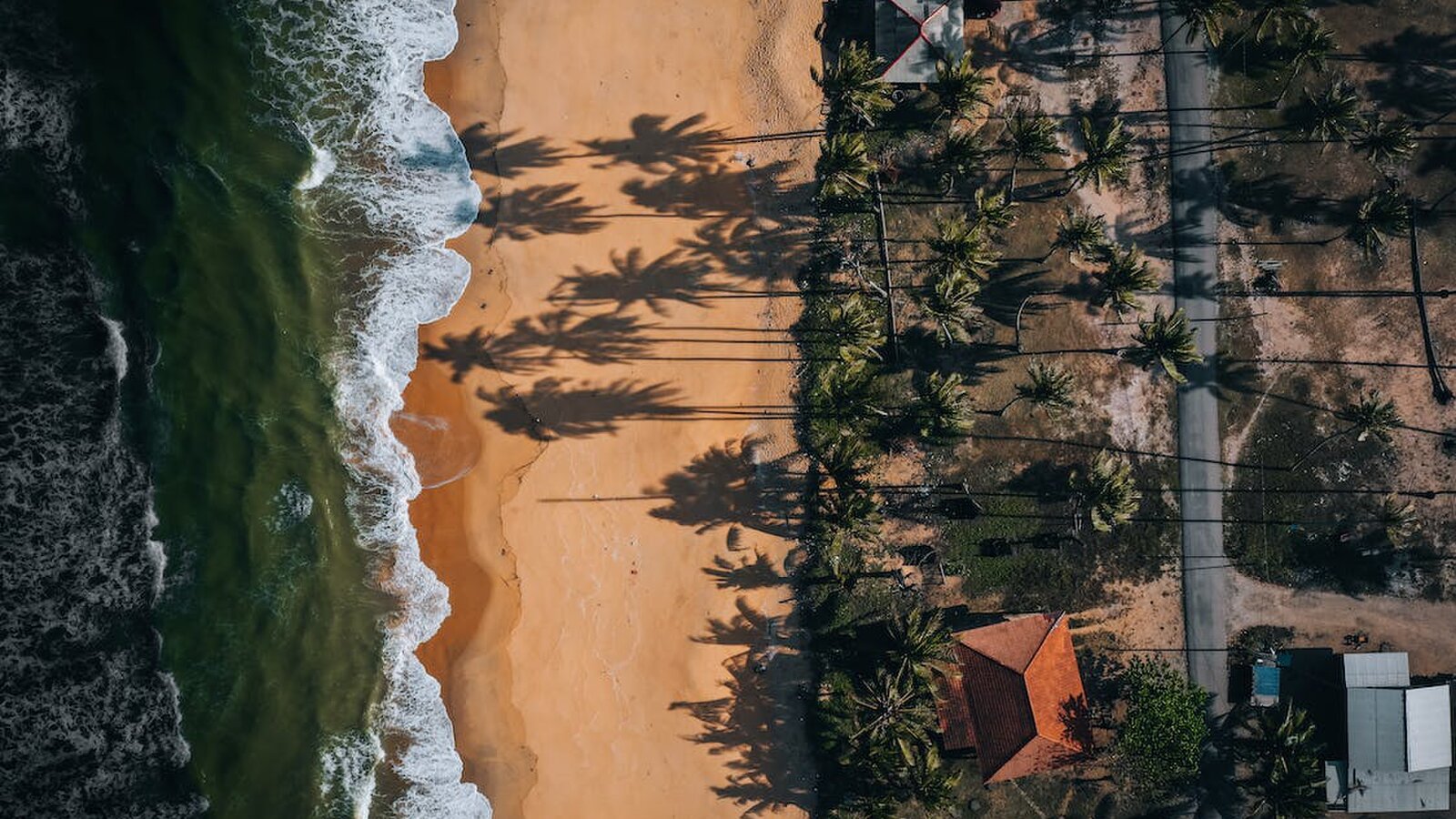
September is the best month for anyone not tied to school holidays. After 1 September, European resorts empty out sharply: there are half as many tourists, package prices from Poland drop 25–35% versus August, and the sea across the Mediterranean holds the maximum warmth it accumulated all summer. A beach in Antalya on 10 September is no worse than one on 10 August — except for one thing: there are far fewer people on it. And if we're talking about the exotic, September opens up destinations that were either too rainy or too expensive in summer.
September vs August: what's different
- Prices: package holidays from Poland are cheaper by 25–35%; hotels in Barcelona, Dubrovnik and Santorini by 20–40%
- Sea: water temperature matches August's or even exceeds it — the Mediterranean is at its warmest specifically in September
- Crowds: queues for the Acropolis, the Vatican and Dubrovnik's walls shrink by half from the very first week of September
- Weather: the heat eases to a comfortable +26–28°C instead of an exhausting +35°C in August — especially noticeable in Turkey and Egypt
- Service: hotels run at full capacity, more staff on hand, entertainment programmes continue uninterrupted — the same summer infrastructure under less strain
- Flights: more seats available, easier to find last-minute deals; charter programmes from Kraków and Katowice keep running until the end of September
- Want sea ≥27°C → Turkey, Cyprus, Egypt
- Sea plus history without the heat → Greece, Italy, Croatia
- The Atlantic and a mild climate → Portugal, the Azores
- Africa and the Middle East → Egypt, Tunisia, Morocco
- The Indian Ocean and Asia → the Maldives, Zanzibar, Bali, Sri Lanka
The Mediterranean at its best
September is the peak of water temperature across the entire Mediterranean. The heat has broken, the crowds have gone home, but the sea hasn't gone anywhere. Right now Greece, Turkey, Cyprus, Malta and Italy offer what wasn't there in July: comfortable weather, free sun loungers, and prices without the summer surcharge.
Turkey
"Peak velvet season: sea at +27°C, the heat broken, all-inclusive at April's prices"
In September, Turkey is close to the ideal destination for a family or beach holiday from Poland. The exhausting August scorch (+35–38°C in Antalya) gives way to a comfortable +28–30°C, and the Mediterranean warms to its yearly maximum of +27–28°C. Beaches noticeably empty out from the first week: Polish, German and French families leave once school holidays end. Hotels, meanwhile, run at full strength — entertainment, water parks, restaurants — but without the queues at the buffet. Package prices from Poland in September run 30–40% below August's. Flight from Warsaw is about 3.5 hours; charters and scheduled flights run from Kraków, Katowice, Gdańsk and Wrocław. 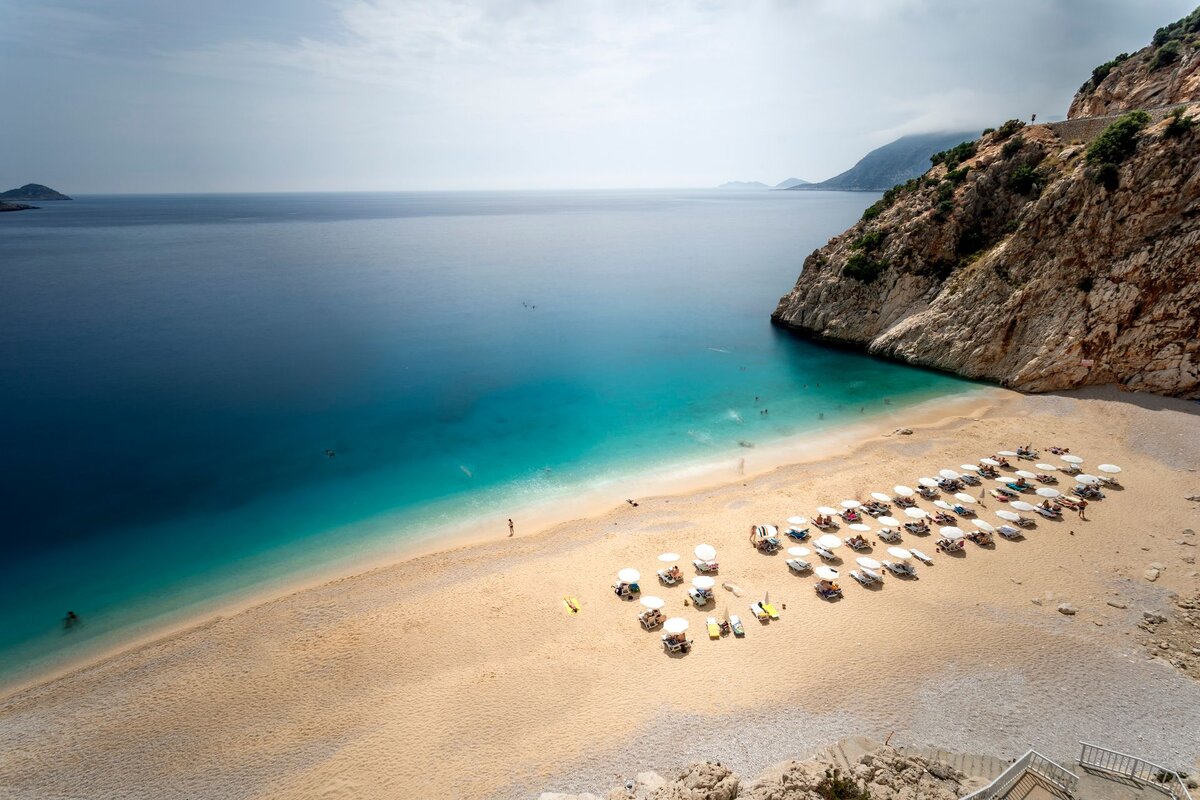
| Resort / region | Air (day) | Sea | Sunshine (hrs/day) |
|---|---|---|---|
| Antalya / Belek / Kemer | +27–30°C | +27–28°C | 11 |
| Alanya / Side | +28–31°C | +27–28°C | 11 |
| Bodrum / Marmaris | +26–28°C | +25–27°C | 10 |
| Kuşadası / Fethiye / Dalaman | +26–29°C | +25–27°C | 10 |
7 nights / 2 people: PLN 2,800–5,500 (5* all-inclusive) — 30–40% cheaper than August
Last-minute in September: Turkey is the best destination for spontaneous trips 7–10 days out; tour operators cut prices aggressively from 1 September
Booking: 3–5 weeks ahead for families; last-minute works well for couples
Who is it for
Families wanting a full beach holiday after school ends, and couples after maximum comfort for minimum money. Not recommended for anyone planning a cultural trip into the interior — some excursion routes start winding down in September.
What to do
- Take a two-day excursion to Cappadocia — comfortable temperatures in September and fewer tour groups.
- Visit the market in Kaş — this small resort town is nearly empty in September, and café prices are lower than in summer.
- Charter a gulet (wooden yacht) for a "Blue Cruise" from Marmaris — the sea is calm and perfectly warm in September.
- Visit Pamukkale — the cotton terraces and thermal waters in comfortable weather, without the summer crowds.
Entering Turkey
- Polish and EU/EEA citizens: visa-free entry for up to 90 days on a valid passport or national ID card; mObywatel isn't accepted at the border
- Non-EU residents of Poland: rules depend on nationality — Polish residency status alone doesn't replace a passport or visa
Greece
"Santorini without the queue at the railing, restaurants without a wait at the door — and sea better than July's"
For Greece, September may be the best month of the year. Water temperature reaches its peak: on Crete and Rhodes it warms to +25–26°C — 2–3 degrees warmer than June. Meanwhile the famous August crowds on Santorini, Mykonos and in Dubrovnik shrink sharply. Restaurants seat you without a wait again, you can stand right at the railing for sunset in Oia, and ferries run without hours-long queues at the ticket office. The weather is stable, with practically no rain. Flight from Warsaw is about 3 hours; charters from Kraków and Katowice to Chania, Rhodes and Corfu run until the end of September. 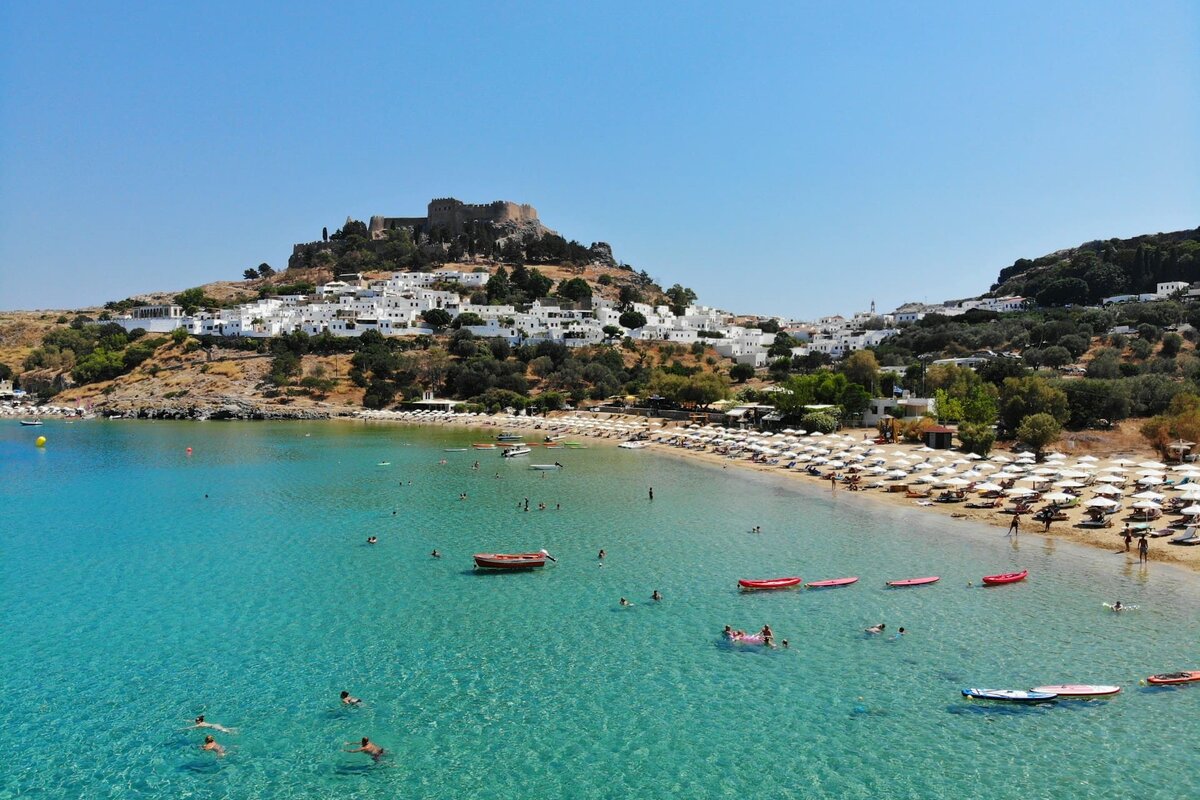
| Resort / region | Air (day) | Sea | Sunshine (hrs/day) |
|---|---|---|---|
| Crete (Heraklion, Chania, Rethymno) | +26–28°C | +24–26°C | 10 |
| Rhodes | +25–27°C | +24–25°C | 10 |
| Kos | +25–27°C | +24–25°C | 10 |
| Corfu / Zakynthos | +24–26°C | +23–25°C | 9 |
| Santorini / Mykonos | +24–26°C | +23–25°C | 10 |
7 nights / 2 people: PLN 3,800–8,000 (Crete, Rhodes); PLN 6,000–12,000 (Santorini)
Santorini in September: caldera-view villa prices drop 25–30% versus August — the best moment to visit Greece's most photographed island
Best format: apart-hotel plus a hire car — every route is open, and the weather is ideal for driving
💡 Greece lifehack
- Inter-island ferry tickets cost 20–30% less in September than in July–August — buy right before departure, not weeks ahead.
- Museums and archaeological sites (the Acropolis, Knossos, Lindos) close an hour later under the summer timetable, which runs until the end of September. Arrive 1.5 hours before closing: the tour groups are gone, and the light is soft.
- Most Greek beach clubs sell day loungers at 50% off after 4pm in September — the sun still has three warm hours left.
Who is it for
Couples, lovers of beautiful views, and anyone wanting to combine the sea with culture without the summer heat and crowds. Not recommended for anyone after loud nightlife — some clubs on Mykonos and Rhodes start closing after 15 September.
What to do
- Watch the sunset in Oia on Santorini — in September you can get right up to the railing and shoot a photo without other people's heads in frame.
- Hike the Samaria Gorge on Crete — the trail is open in September, the air is cooler, and it's more comfortable to walk than in the summer heat.
- Take a day trip from Athens to Delphi — in September the ancient world's foremost oracle receives visitors without queues.
- Hire a scooter on Rhodes and drive the west coast — the roads are empty in September, and the taverna villages run at full strength.
Entering Greece
- Polish and EU/EEA citizens: free entry — Greece is part of the EU and Schengen
- Non-EU residents of Poland: rules depend on nationality and residence status; Polish residency status doesn't replace a visa for every nationality equally
Cyprus
"The island of Aphrodite's most pleasant month: the heat finally breaks, the sea stays hot"
Something happens on Cyprus in September that didn't happen all summer: the heat (+40°C in July–August) finally eases to a comfortable +28–30°C, while the sea doesn't cool at all — it stays at +27–28°C. Beaches in Ayia Napa and Protaras clear of the August crowds, but the infrastructure runs at full strength. It's the best moment for anyone who wanted to visit Cyprus in summer but put it off because of the heat. Flight from Warsaw is about 3.5 hours; direct Ryanair flights from Kraków to Paphos. 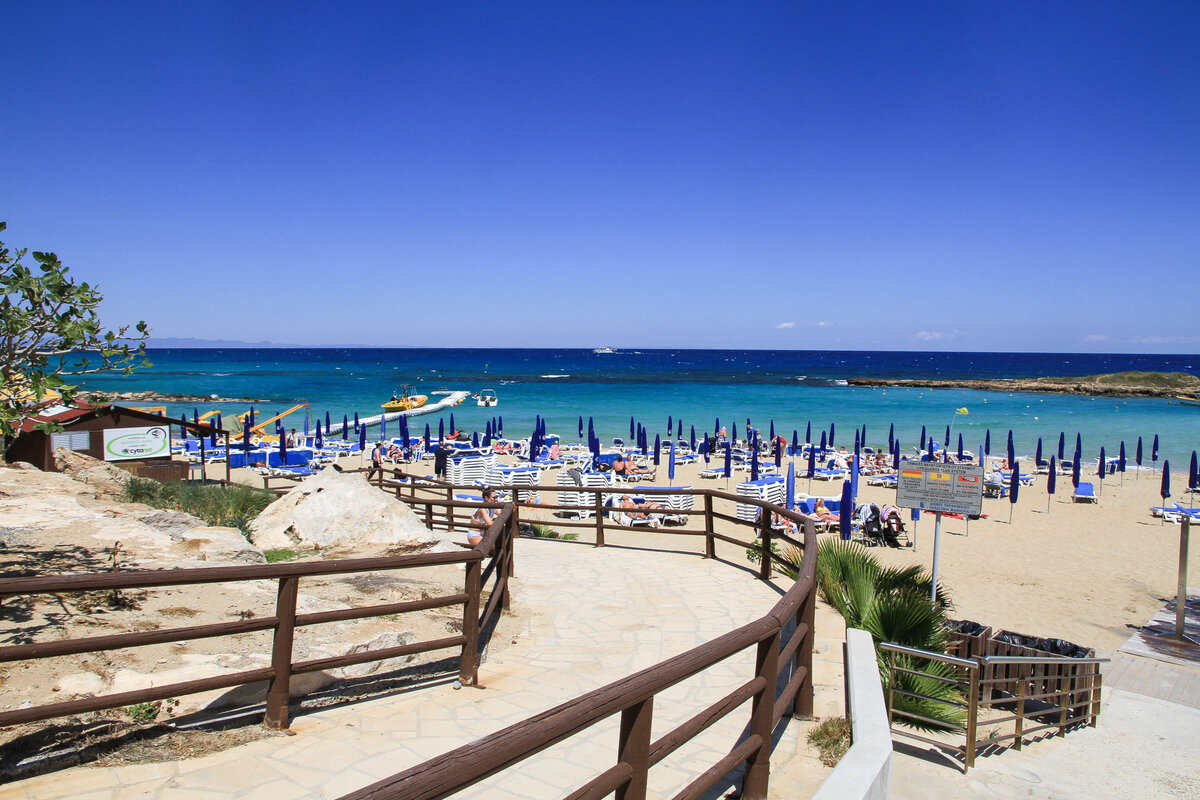
| Resort / region | Air (day) | Sea | Sunshine (hrs/day) |
|---|---|---|---|
| Ayia Napa / Protaras | +28–30°C | +27–28°C | 11 |
| Limassol | +28–30°C | +27–28°C | 11 |
| Larnaca | +27–29°C | +27°C | 10 |
| Paphos | +26–28°C | +26–27°C | 10 |
7 nights / 2 people: PLN 3,800–7,500
Why September beats August: August is Cyprus's hottest month (+40°C); by September temperatures drop to +28–30°C with the same warm sea
Best format: apartment plus a hire car — car hire runs 20–25% cheaper in September
Who is it for
Families with children who wanted a summer Cyprus but couldn't fit the school schedule, and couples after warm sea with European-standard comfort. Not recommended for anyone wanting large-scale nightlife — Ayia Napa noticeably quietens down after 15 September.
What to do
- Walk the Aphrodite Trail on the Akamas Peninsula — with the heat broken in September, the trek becomes genuinely enjoyable.
- Visit divided Nicosia — Europe's only divided capital; cross the checkpoint and walk the northern half.
- Hire a buggy in Ayia Napa and drive out to Cape Greco — the air is clearer in September and the views stretch further.
- Find a wild beach around Pissouri — it's practically empty in September.
Entering Cyprus
- Polish and EU/EEA citizens: free entry — Cyprus is part of the EU (outside Schengen)
- Non-EU residents of Poland: rules depend on nationality; a Polish residence permit may grant entry without an additional visa depending on status
Italy
"Rome without the heat and crowds, Sicily at the peak of its season, and Amalfi you can finally take in"
In September, Italy shifts into a mode many Italians consider the best: the tourists head home, the weather settles into a +24–27°C range, the sea off Sicily and Sardinia stays warm (+24–25°C), and restaurants stop running like a conveyor belt. Rome and Florence, free of August's +35°C scorch, finally become suitable for proper walking tours. The Amalfi Coast in September means a road without tour-bus jams and tavernas with genuinely free tables. Flight from Warsaw to Rome is about 2.5 hours; to Palermo or Catania, about 3 hours. 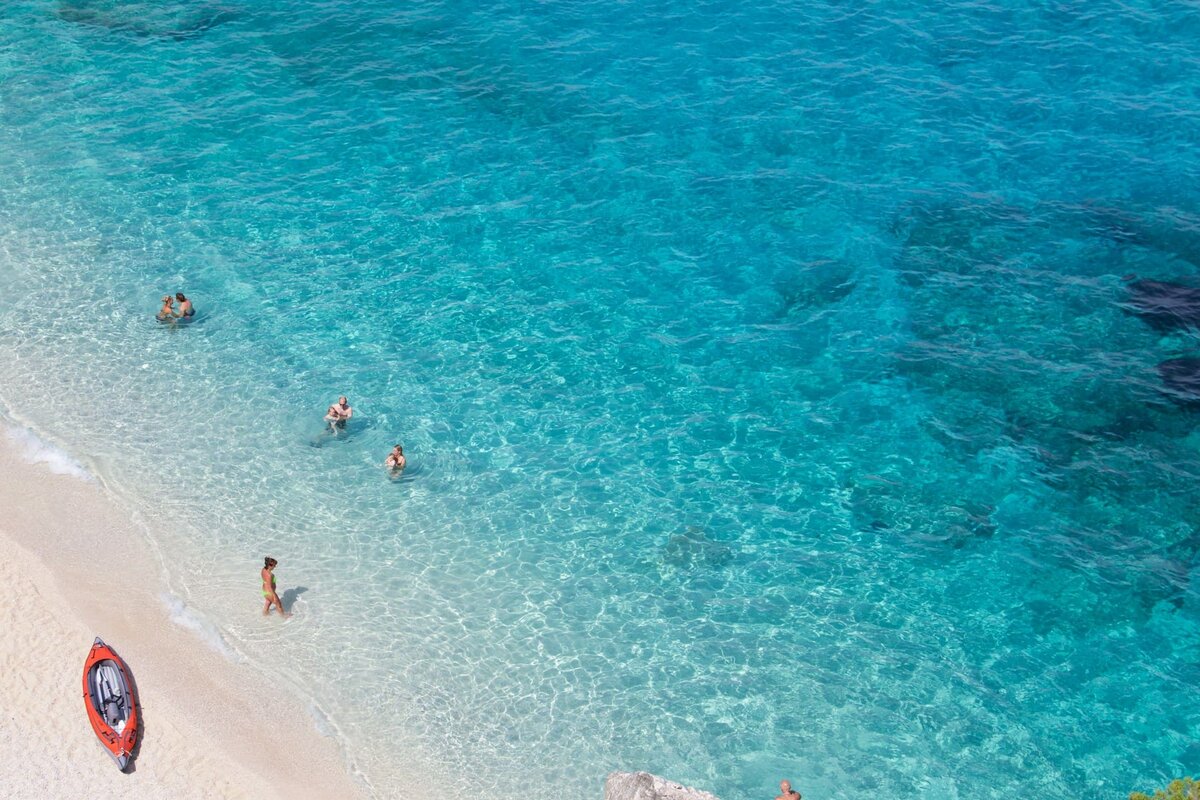
| Resort / region | Air (day) | Sea | Sunshine (hrs/day) |
|---|---|---|---|
| Sicily (Palermo, Taormina) | +26–28°C | +24–26°C | 9 |
| Sardinia | +25–27°C | +23–25°C | 9 |
| The Amalfi Coast | +24–26°C | +23–25°C | 8 |
| Calabria / Ischia | +25–27°C | +24–25°C | 9 |
| Rome / Florence (cities) | +24–26°C | — | 8 |
Package / hotel, 7 nights / 2 people: PLN 4,000–8,500 (Sicily); PLN 5,500–13,000 (Amalfi, boutique hotel)
September is harvest time: the grape harvest begins in Tuscany and Umbria — agritourism and vineyard tastings are in full swing
Best format: 2–3 days in Rome or Naples plus 4–5 days on the beach in Sicily or Amalfi
Who is it for
Food-focused travellers, couples, and anyone wanting culture and sea without the summer heat. Not recommended for anyone looking for all-inclusive — that format doesn't exist in Italy.
What to do
- Visit the Vatican Museums on a weekday at 8am — in September that means a 10-minute queue, not an hour.
- Drive Tuscany in a hire car during harvest season — the vineyards open their doors for tastings.
- Take a boat from Sicily to the Aeolian Islands — the sea is calm in September and the ferries run regularly.
- Have dinner on a taverna terrace on the Amalfi Coast — in September you can finally do it without a 40-minute wait at the door.
Entering Italy
- Polish and EU/EEA citizens: free entry — Italy is part of the EU and Schengen
- Non-EU residents of Poland: rules depend on nationality and residence status
Croatia
"Dubrovnik without the tourist crush: the same walls, the same view of the Adriatic — and half the people"
Croatia in September is a striking contrast to August. Dubrovnik in August is sometimes called a "tourist hell": the city walls turn into a living conveyor belt of tour groups, and queues form at the entrance to the Old Town. By September the picture changes: the cruise ships move on, apartment prices drop, the Adriatic stays warm (+22–24°C), and restaurants finally cook for people who came to eat, not for a stream of tourists. Flight from Warsaw is about 2 hours; direct Ryanair and Wizz Air flights from Wrocław and Poznań to Split and Dubrovnik. 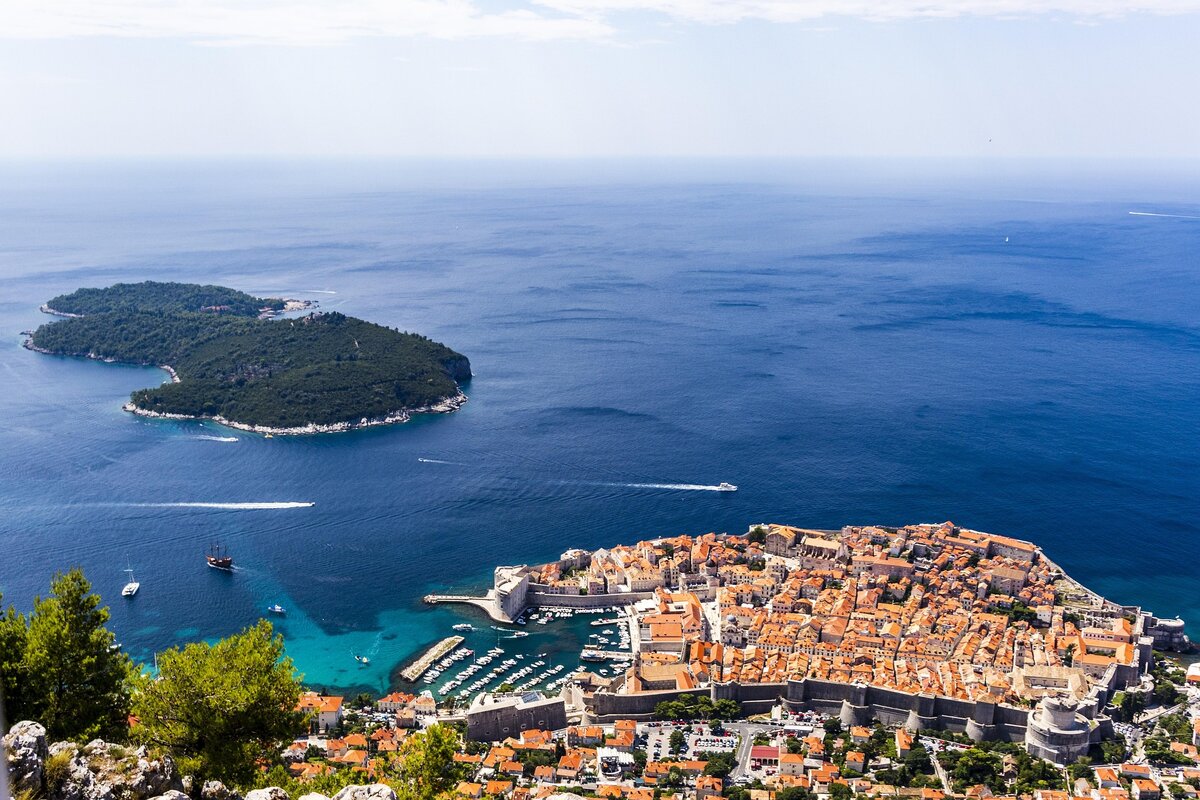
| Resort / region | Air (day) | Sea | Sunshine (hrs/day) |
|---|---|---|---|
| Dubrovnik | +24–26°C | +23–25°C | 9 |
| Split / Zadar | +24–26°C | +22–24°C | 9 |
| Hvar / Brač | +24–26°C | +23–25°C | 9 |
| Korčula | +23–25°C | +22–24°C | 9 |
Hotel / apartment, 7 nights / 2 people: PLN 3,500–8,000
September vs August in Dubrovnik: apartments 25–35% cheaper, the cruise crowds vanish from 1 September, restaurants seat you without a wait
Sailing season: September is the best month to charter a yacht or a berth on one in Croatia — calm seas, less crowded marinas, lower prices
Who is it for
Couples, fans of active holidays on the water, and anyone who wants to see Dubrovnik the way it's meant to be seen. Not recommended for anyone after a budget holiday — Croatia stays an expensive destination even in September.
What to do
- Walk Dubrovnik's city walls at 8am — in September that's simply a stroll, not a fight for space.
- Charter a yacht from Hvar for 2–3 days — the Pakleni Islands are nearly deserted in September.
- Visit Plitvice Lakes National Park — the water in the lakes is warm in September, there are fewer tourists, and the leaves are starting to turn.
- Try prosciutto and pršut at the market in Split — local delicacies you won't find better anywhere else.
Entering Croatia
- Polish and EU/EEA citizens: free entry — Croatia is part of the EU and Schengen
- Non-EU residents of Poland: rules depend on nationality and residence status
The Atlantic in autumn
Two destinations on the Atlantic that reveal themselves especially well in September. Portugal offers golden autumn sun without the summer tourist overheating. The Azores are one of the most unconventional destinations from Poland, one most competitors simply don't mention.
Portugal
"Golden September on the Algarve: gentle sun, an Atlantic without the summer swell, and restaurants with real food"
In September, Portugal sheds its two biggest summer drawbacks: the crowds and the swell. The Atlantic off the Algarve warms to +21–22°C — the maximum for the Portuguese coast, and it's specifically September that delivers those figures. Lisbon and Porto, at +22–24°C, become ideal for walking through the historic quarters. Sintra, Óbidos and Évora, without the August queues and in good weather. Flight from Warsaw to Lisbon is about 3.5 hours; to Faro (the Algarve), also about 3.5 hours (Ryanair, Wizz Air); direct flights from Gdańsk and Wrocław. 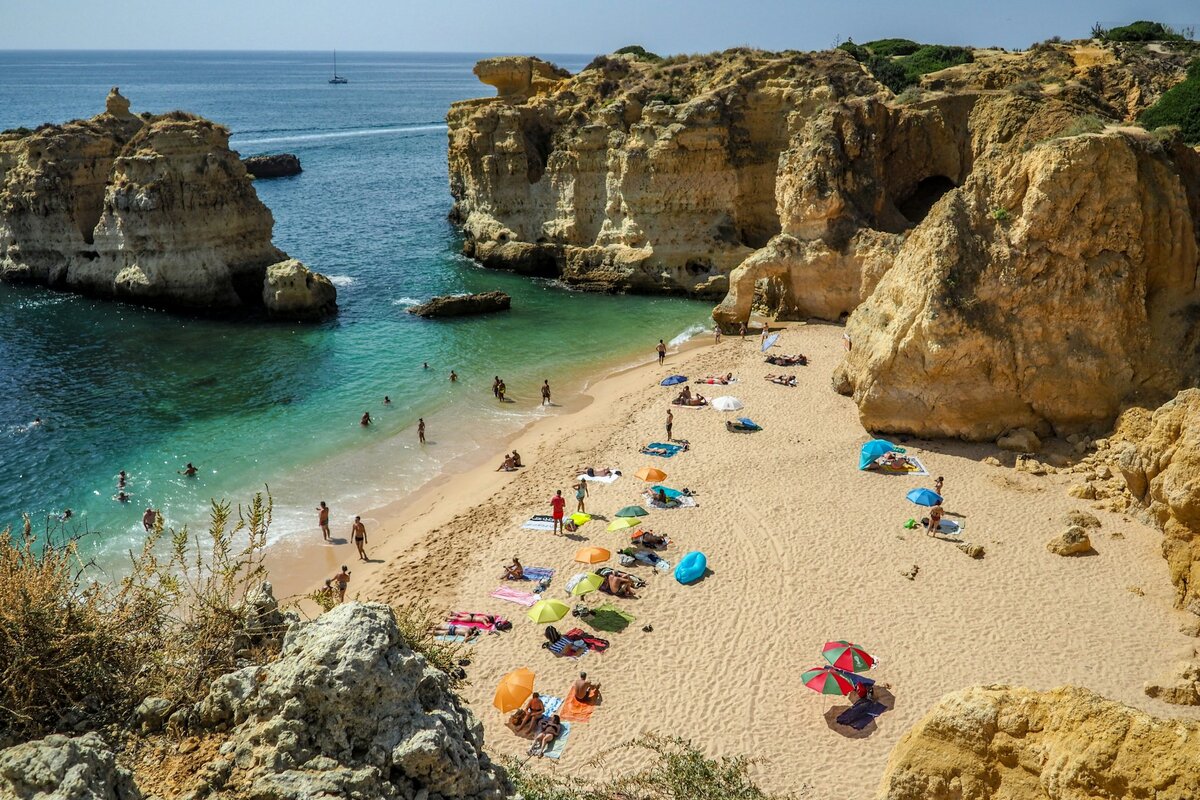
| Resort / region | Air (day) | Sea | Sunshine (hrs/day) |
|---|---|---|---|
| The Algarve (Lagos, Albufeira, Faro) | +24–26°C | +21–22°C | 9 |
| Setúbal / Arrábida | +22–24°C | +20–21°C | 8 |
| Lisbon / Porto (cities) | +22–24°C | — | 8 |
Hotel, 7 nights / 2 people: PLN 3,500–8,000 (Algarve beach hotel)
Best format in September: 2–3 days in Lisbon or Porto plus 4–5 days on the Algarve with a hire car
September's food scene: the new harvest season begins — fresh azeite (olive oil), new wine, figs and Portuguese cheeses at their best
Who is it for
Couples, food lovers, and anyone wanting beautiful cliffs, good food and a mild autumn climate without the crowds. Not recommended for anyone wanting to swim in warm water — the Atlantic is cooler than the Mediterranean even in September.
What to do
- Hire a kayak by the cliffs of Ponta da Piedade (Lagos) — the ocean calms down in September, letting you paddle into the caves.
- Take a day trip to Sintra from Lisbon — the hillside palaces in September, without the August queues.
- Visit Porto's Bolhão Market — fresh seafood, cheeses, figs and local charcuterie.
- Try cataplana (a traditional fish stew in a copper pot) at a fish restaurant on the Algarve.
Entering Portugal
- Polish and EU/EEA citizens: free entry — Portugal is part of the EU and Schengen
- Non-EU residents of Poland: rules depend on nationality and residence status
The Azores (Portugal)
"Volcanoes in the ocean, blue crater lakes, and the most unconventional route from Poland in September"
The Azores are a Portuguese archipelago in the Atlantic, roughly halfway between Europe and North America. Nine volcanic islands with crater lakes, hot springs, whales and green hills that recall Iceland and Ireland at once — just twenty degrees warmer. September is the best month to visit: the weather is at its most stable, air temperature +22–24°C, and flight prices lower than July's. Direct flights from Lisbon to Terceira, Faial and Flores; from Poland, via a connection in Lisbon or through London (around 6–7 hours in total). 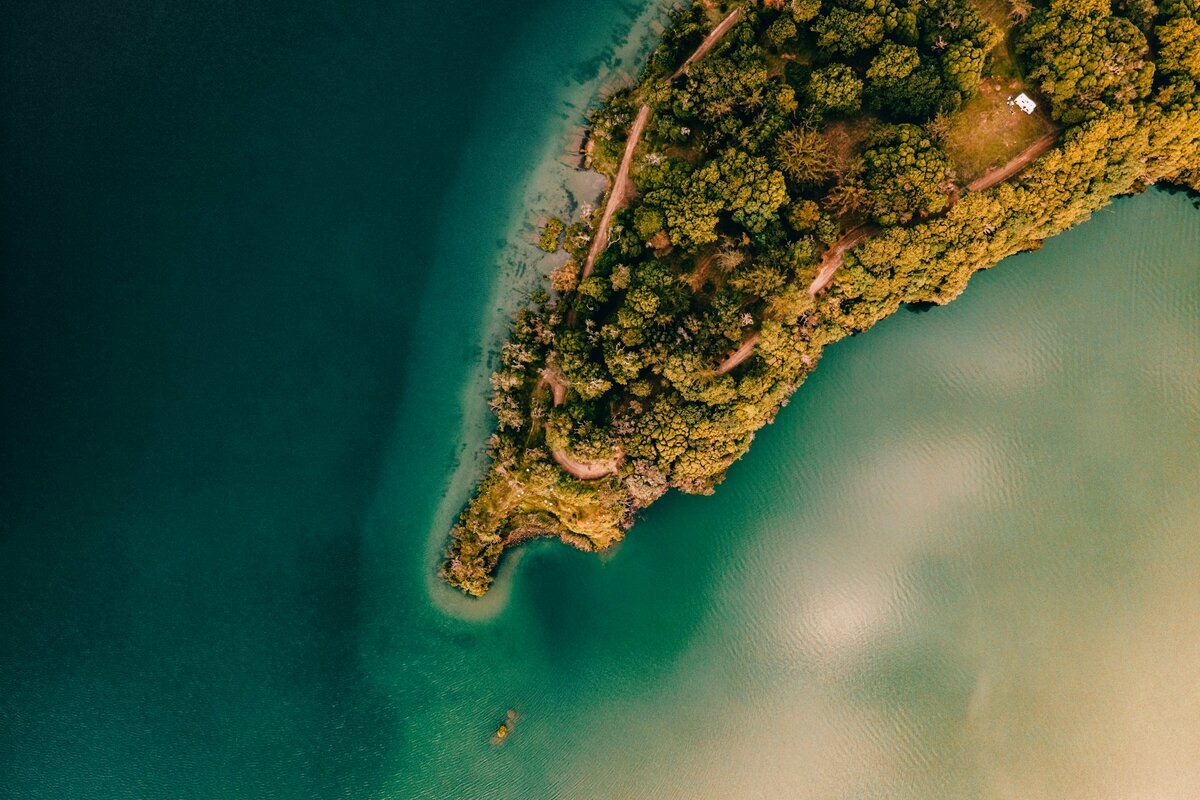
| Island | Air (day) | Sea | Highlights |
|---|---|---|---|
| São Miguel (the main island, Ponta Delgada) | +22–24°C | +22–23°C | The Sete Cidades crater lakes, geysers |
| Terceira | +22–23°C | +22°C | UNESCO's Angra do Heroísmo |
| Faial / Pico | +21–23°C | +21–22°C | Whale watching, Pico volcano |
Budget, 7 nights / 2 people: PLN 5,000–10,000 (flight plus accommodation plus car hire)
Format: a self-drive trip with a hire car — public transport on the islands is minimal
Getting there from Poland: Warsaw → Lisbon (LOT/Ryanair, ~3.5 hrs) + Lisbon → Ponta Delgada (~2 hrs, SATA/Ryanair) — around 6–7 hours in total with the connection
Why September: the most stable weather of the year — the chances of clear days peak specifically in August–September
Who is it for
Lovers of untouched nature, anyone tired of standard beach routes, and couples after an unconventional holiday. Not recommended for anyone wanting a beach holiday by warm sea and familiar resort infrastructure.
What to do
- Visit the Sete Cidades crater lakes on São Miguel — two differently coloured lakes in a single volcanic crater.
- Bathe in the Terra Nostra thermal pools, set against a tropical botanical garden.
- Go whale watching from Faial — the Azores rank among the world's top five whale-watching spots.
- Climb Mount Pico (2,351m) — Portugal's highest point and one of the best day treks in the Atlantic.
Entering the Azores
- Polish and EU/EEA citizens: free entry — the Azores are part of Portugal (EU, Schengen)
- Non-EU residents of Poland: the same rules as entering Portugal, depending on nationality
☀️ Africa and the Middle East
In September, several African and Middle Eastern destinations enter their best season at once: the heat in Egypt starts easing to bearable levels, Morocco opens up for comfortable city walks, and Tunisia offers sea and the last days of summer at budget prices.
Egypt
"The Red Sea at its peak: +28°C water, the best visibility for snorkelling, and finally bearable heat"
Egypt in September is noticeably better than in July–August. The heat is still serious (+32–34°C), but without the exhausting +40°C that makes August in Hurghada uncomfortable. The Red Sea in September reaches its yearly peak water temperature — +28–29°C — while staying clear: visibility for snorkelling and diving runs 30–40 metres. It's the best month for fans of the underwater world. Direct charter flights run from Poland to Hurghada and Sharm El Sheikh — about 4.5 hours from Warsaw. 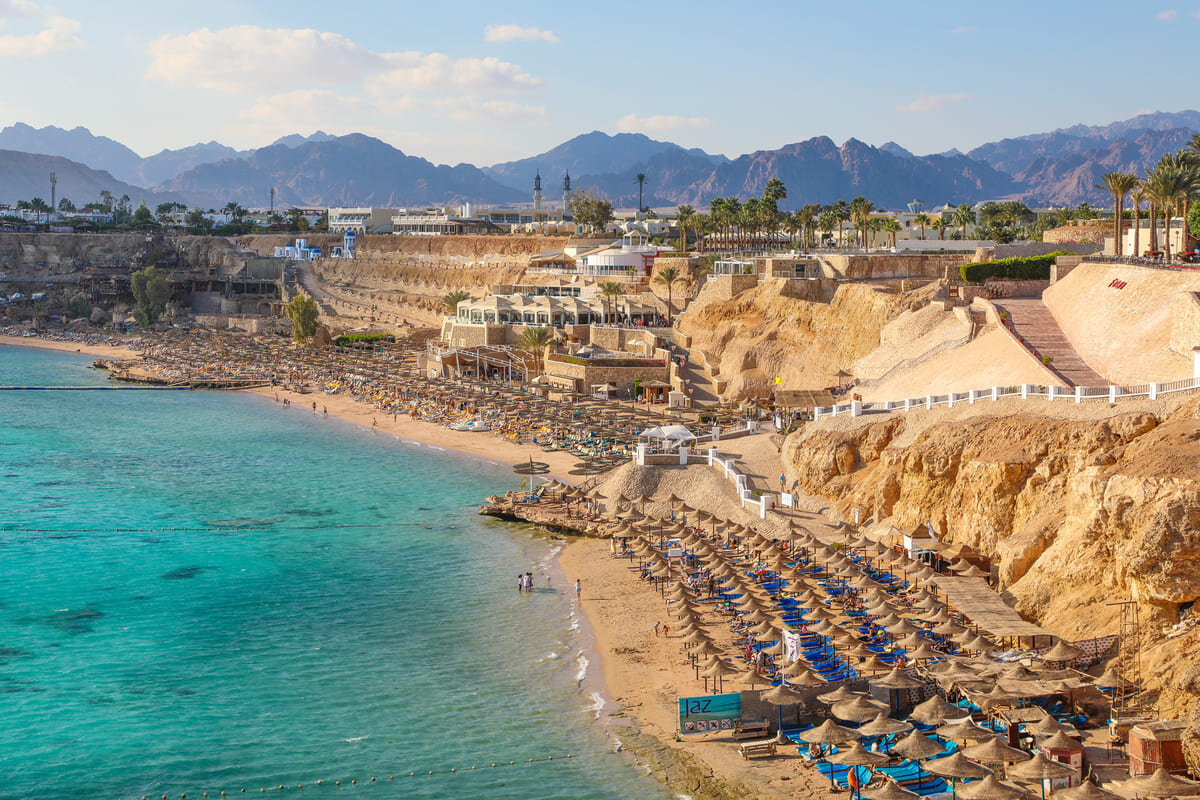
| Resort / region | Air (day) | Sea | Sunshine (hrs/day) |
|---|---|---|---|
| Hurghada / Makadi Bay | +32–34°C | +28–29°C | 11 |
| Sharm El Sheikh / Naama Bay | +32–34°C | +28–29°C | 12 |
| Marsa Alam | +33–35°C | +28–29°C | 12 |
7 nights / 2 people: PLN 3,500–6,000 (all-inclusive)
September is the best month for diving: water at +28–29°C, visibility up to 40 metres, coral reefs at full strength after the summer heat
Worth knowing: plan Luxor and Cairo excursions for early morning in September — daytime is still very hot (+35–38°C in desert areas)
Egypt lifehack
- Tour operators start aggressively releasing last-minute deals on Egypt from 5–7 September, once the main flow of tourists heads home after school holidays. Package prices for departures 7–10 days out drop 20–30% below list price in this window — watch for offers in the first week of September.
- Marsa Alam in September is the best alternative to Hurghada for anyone travelling for the underwater world: fewer tourists, untouched reefs and Sataya Bay with its resident dolphin population.
- An early dinner at 6:30pm instead of 8pm at Hurghada restaurants in September means a 10–15 minute wait, not an hour, for a table.
Who is it for
Families with children, snorkelling and diving fans, and anyone wanting warm sea and affordable all-inclusive. Not recommended for anyone who copes badly with heat — even in September Egypt runs around +33°C in the shade.
What to do
- Swim with dolphins in Sataya Bay (Marsa Alam) — the sea is calm in September and the odds of an encounter are at their highest.
- Take a night tour of Luxor — the illuminated temples of Karnak and Luxor at +25°C instead of +40°C by day.
- Visit the Coloured Canyon in Nuweiba — the rock formations look especially vivid in September's light.
- Book a Bedouin desert dinner — nights are already mild in September, around +22°C.
Entering Egypt
- Polish and EU/EEA citizens: a visa on arrival (USD 30) or an e-Visa arranged in advance; for travellers staying only in South Sinai, a free 15-day stamp is available
- Non-EU residents of Poland: visa rules depend on nationality; Polish residency status has no bearing on it
Tunisia
"Velvet season at the most accessible prices: warm sea, empty beaches and the Sahara within reach"
In September, Tunisia offers what summer's crowds made impossible: empty beaches and no wait at restaurants, with the same warm sea (+25–26°C) and clear skies. Hammamet-Yasmine and Djerba still run at full strength in the first days of September, but numbers drop noticeably from the 10th–15th onward. An added bonus: the lowest package prices from Poland of the whole season. Flight from Warsaw is about 3 hours; charters from Kraków and Katowice to Monastir run until the end of September. 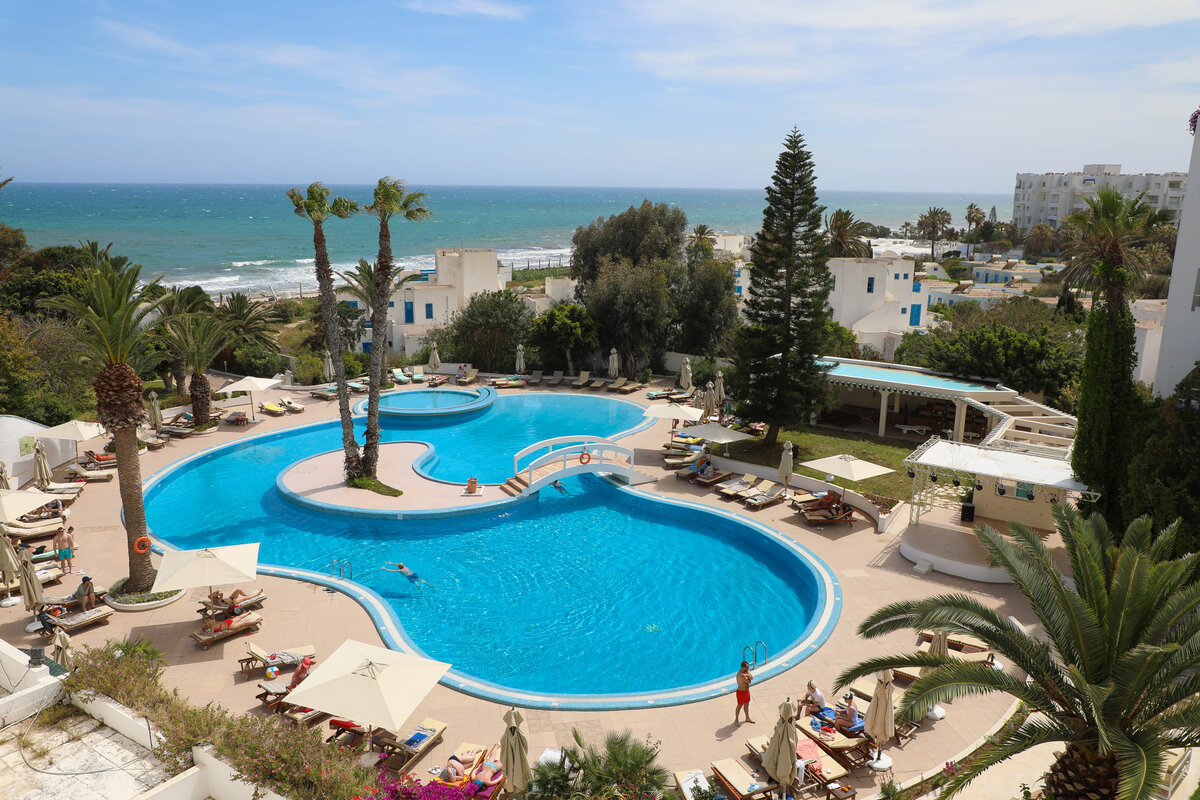
| Resort / region | Air (day) | Sea | Sunshine (hrs/day) |
|---|---|---|---|
| Hammamet / Nabeul | +27–29°C | +24–25°C | 9 |
| Sousse / Monastir | +27–29°C | +24–25°C | 9 |
| Djerba | +28–30°C | +25–26°C | 10 |
7 nights / 2 people: PLN 2,200–4,000 (all-inclusive) — the lowest prices of the season
Djerba in September: the warmest spot in the country with the warmest sea — the best pick within Tunisia for velvet-season warmth
Worth knowing: some hotel entertainment programmes start winding down after 20 September — check the schedule before booking
Who is it for
Anyone wanting the cheapest possible all-inclusive beach holiday and not requiring a high standard of service. Not recommended for anyone used to Turkish-level hotels — the difference is noticeable.
What to do
- Take a two-day tour into the Sahara — the desert temperature in September is no longer +50°C but a manageable +30°C.
- Visit Sidi Bou Said — this blue-and-white town never loses its charm, whatever the season.
- Take a course of thalassotherapy — spa discounts reach 30–40% in September.
- Visit Carthage in the morning — in September the ruins can be seen without the tour-bus crowds.
Entering Tunisia
- Polish and EU/EEA citizens: visa-free entry for up to 90 days
- Non-EU residents of Poland: rules depend on nationality
Morocco
"Marrakesh without the scorching pavement, the Atlas at the peak of trekking season, and the blue lanes of Chefchaouen"
Morocco in September is the first genuinely comfortable month after a scorching summer. In July–August, Marrakesh sees +42–45°C, turning walks through the medina into an ordeal. By September temperatures drop to +30–32°C — hot, but now quite bearable. The Atlantic and Mediterranean coasts offer water at +24–26°C in this period. Mountain-set Chefchaouen, with its blue lanes, welcomes visitors at +22–24°C in September. Flight from Warsaw to Marrakesh is about 4.5 hours (Ryanair); to Casablanca, about 4.5 hours (LOT, Royal Air Maroc). 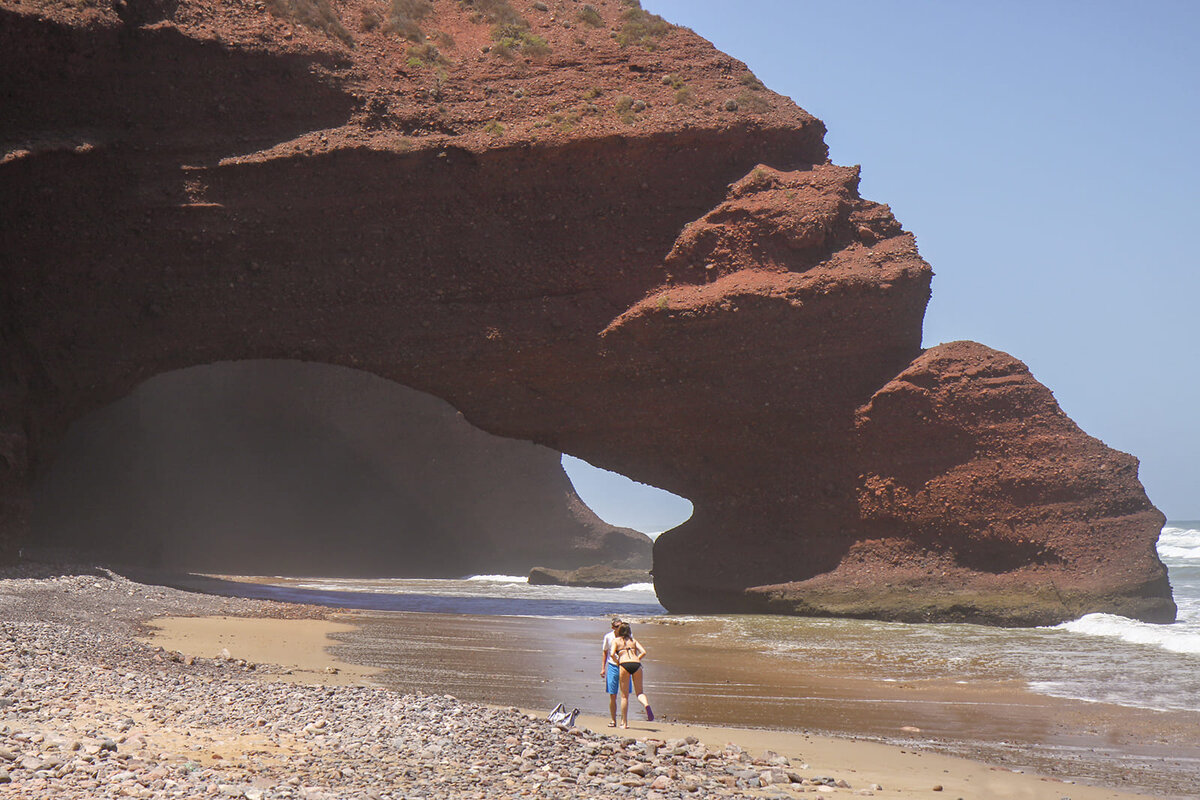
| Region | Air (day) | Sea / conditions | Highlights |
|---|---|---|---|
| Marrakesh | +30–33°C | — | The medina, palaces, riads |
| Agadir (Atlantic) | +26–28°C | +23–24°C | Beach, surfing |
| Chefchaouen (mountains) | +22–25°C | — | The blue city, trekking in the Rif Mountains |
| Fez | +28–31°C | — | The world's largest living medina, UNESCO |
Budget, 7 nights / 2 people: PLN 4,000–9,000 (flight plus a riad or 4* hotel)
Best format in September: 2–3 days in Marrakesh plus 2 days in Chefchaouen or Fez plus 2 days in Agadir (beach)
For surfers: Agadir and Taghazout in September mark the start of the best surf season on the Atlantic coast
Who is it for
Cultural travellers, food lovers, and anyone wanting something fundamentally different. Not recommended for anyone expecting a beach holiday with warm sea — Morocco is primarily a cultural and urban destination.
What to do
- Walk Marrakesh's medina in the evening once the heat breaks — Jemaa el-Fnaa square, with its snake charmers and street chefs, comes alive after sunset.
- Drive to the Ouzoud Falls (3 hours from Marrakesh) — the water is still plentiful in September after the rains.
- Walk Chefchaouen's blue lanes early in the morning — before 9am there's almost no one there, and photography is a pure pleasure.
- Try a lemon-and-olive tagine at a traditional riad — Moroccan cuisine is at its best in September.
Entering Morocco
- Polish and EU/EEA citizens: visa-free entry for up to 90 days
- Non-EU residents of Poland: rules depend on nationality; some nationalities require a visa arranged in advance at a consulate
Asia and the Indian Ocean
September opens up several Indian Ocean and Asian destinations that were either too rainy or too expensive in summer. The Maldives emerge from the rainy season with the deepest discounts of the year, Zanzibar enters its best diving season, and Sri Lanka opens up its east coast.
The Maldives
"An overwater bungalow for the price of a standard room: the end of the rainy season brings discounts of up to 40% on the same ocean"
September in the Maldives is the last month of the official rainy season, and that's precisely why resort-island prices hit their yearly low. In practice, "rainy season" means one or two short downpours a week, each lasting 20–30 minutes. The rest of the time it's +30°C, an azure ocean at +29°C, and complete quiet. Meanwhile there are barely any tourists: those who know this quirk already went in December for twice the money. Flight from Warsaw with a connection is about 11–13 hours. 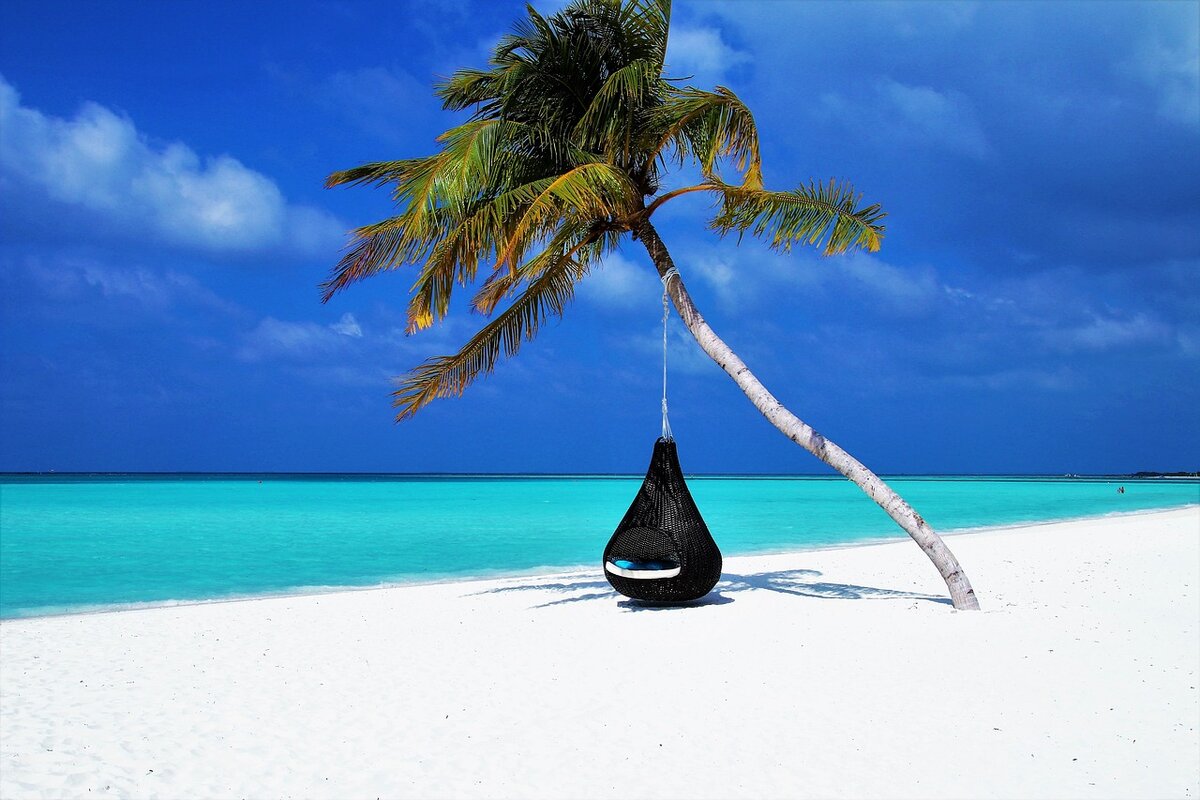
| Atoll | Air (day) | Sea | Sunshine (hrs/day) |
|---|---|---|---|
| North Malé | +29–31°C | +29°C | 7–8 |
| Ari Atoll | +29–31°C | +29°C | 7–8 |
| Baa Atoll | +29–31°C | +29°C | 7–8 |
7 nights / 2 people: PLN 9,000–20,000 — the same bungalows cost PLN 18,000–40,000 in December
Strategy: choose resorts on Baa or Ari atoll — they're better sheltered from rain than the atolls near Malé
Booking: 8–12 weeks ahead — overwater bungalows sell out in advance even at September prices
Who is it for
Couples, honeymooners, and anyone who's long dreamed of an overwater bungalow but isn't ready to pay December prices. Not recommended for anyone who absolutely can't tolerate rain — it does happen, even if briefly.
What to do
- Swim with manta rays on Baa Atoll — they start actively feeding near the surface in September.
- Arrange a dinner on a deserted sandbank island — in low season it's cheaper and organised faster.
- Go night fishing — an essential ritual on the atolls, and a catch is guaranteed in September.
- Watch the glowing plankton along the shore — in September it's often washed up right by the bungalows.
Entering the Maldives
- Polish and EU/EEA citizens: a free 30-day visa on arrival (with proof of booking and a return ticket)
- Non-EU residents of Poland: generally the same rules, but always check based on your nationality
Zanzibar (Tanzania)
"The end of the dry season on the Spice Island: the best visibility for diving, and prices below December's"
September on Zanzibar is the tail of the dry season at its most rewarding: there's barely any rain, but noticeably fewer European tourists than in July–August. The sea warms to +26–27°C and begins climbing toward its October peak. Diving in September is among the best on the island: visibility up to 25–30 metres, and from mid-month the whale shark season begins near the Mafia archipelago. Stone Town — a UNESCO site with Arab-style lanes and a spice market — receives visitors in September without the summer overcrowding. Flight from Warsaw with a connection is about 10–11 hours. 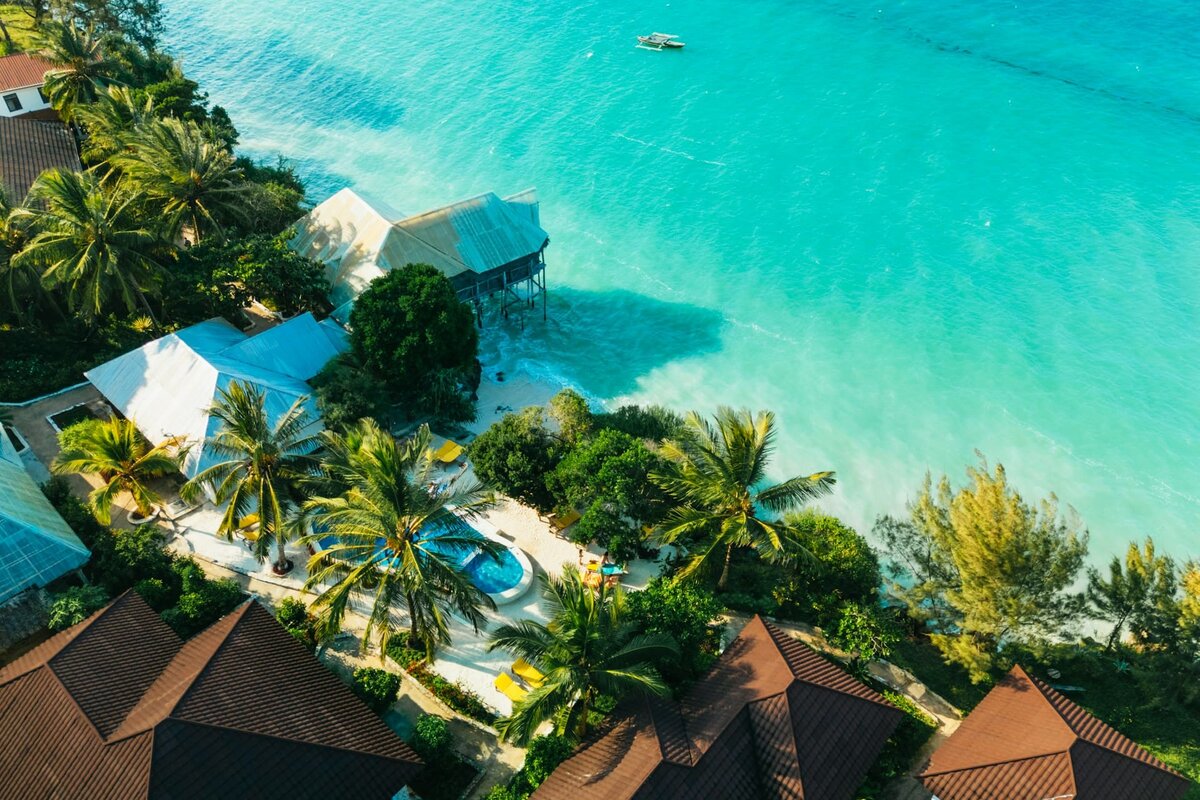
| Resort / region | Air (day) | Sea | Highlights |
|---|---|---|---|
| Nungwi / Kendwa (north) | +28–30°C | +26–27°C | Best snorkelling, sunsets, diving |
| Paje / Jambiani (east) | +27–29°C | +26–27°C | Quiet coast, kitesurfing |
| Stone Town | +28–30°C | — | UNESCO culture, spice market |
10 nights / 2 people: PLN 7,500–17,000 (flight plus hotel)
Format: 2 days in Stone Town plus 7–8 days on the beach in the north of the island
For divers: the whale shark season starts near Mafia Island from mid-September — one of the best encounters with these creatures anywhere in the world
Who is it for
Couples, divers, and anyone wanting a cultural immersion topped off with a beach finale. Not recommended for anyone afraid of long flights or looking for standard resort infrastructure.
What to do
- Swim with turtles near Nungwi village — the water is clear in September and turtles are plentiful around the reefs.
- Take a spice-plantation tour — cinnamon, cardamom and vanilla straight from the tree.
- Take a sunset dhow (traditional boat) ride from Nungwi — a September sunset over the Indian Ocean.
- Walk through Stone Town in the evening — a maze of Arab-style lanes with the scent of spices and street food.
Entering Zanzibar / Tanzania
- Polish and EU/EEA citizens: a visa on arrival or an online eVisa — USD 50, up to 90 days (visa.immigration.go.tz)
- Non-EU residents of Poland: visa rules depend on nationality, usually also via eVisa online
Bali (Indonesia)
"The peak of the dry season: ideal conditions for surfing, mountain excursions and the beach, all at once"
For Bali, September ranks among the best months of the year, alongside June–August. The dry season is in full swing: barely any rain, minimal humidity, stable swell on the west coast. That means ideal conditions for three holiday formats at once: surfing off Kuta and Uluwatu, trekking in the hills around Ubud, and beach relaxation in Nusa Dua. Prices also start dropping slightly relative to July–August. Flight from Warsaw is about 15–16 hours with a connection. 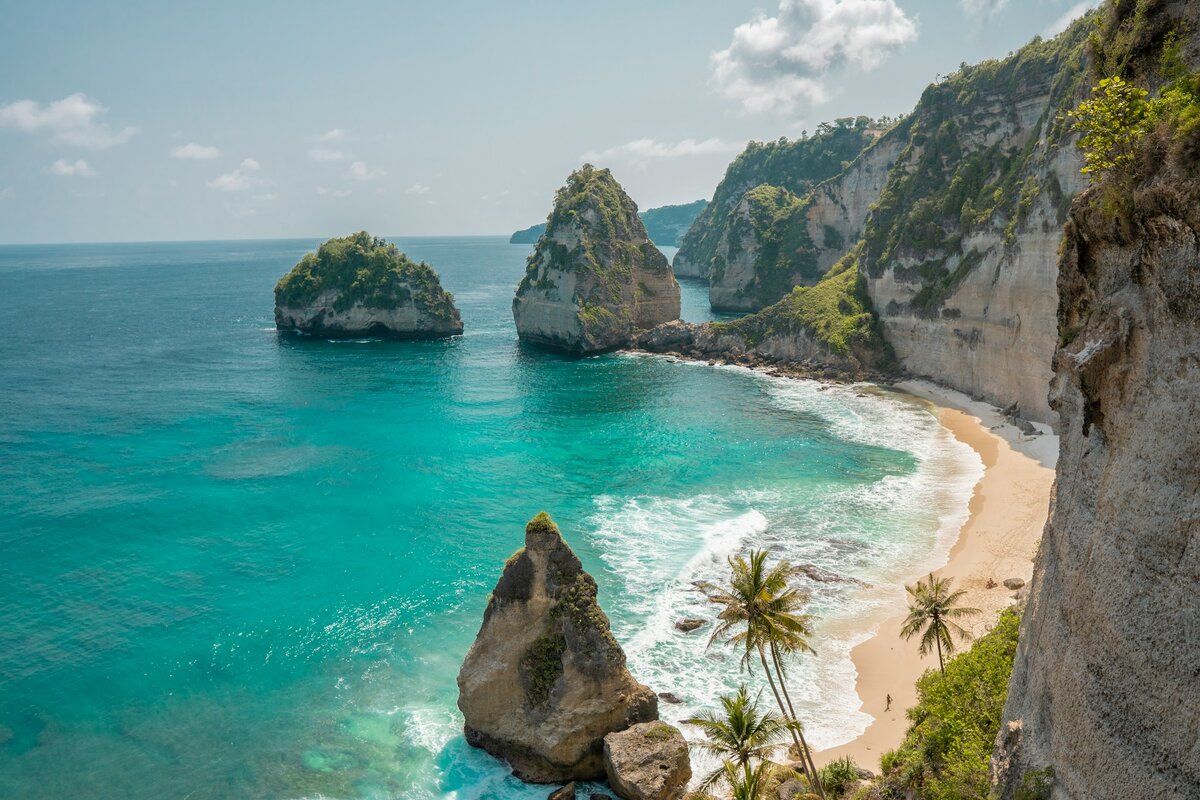
| Region | Air (day) | Sea | Highlights |
|---|---|---|---|
| Nusa Dua / Jimbaran | +29–31°C | +27–28°C | Beach, 5* hotels, calm sea |
| Seminyak / Kuta | +29–31°C | +27–28°C | Surfing, bars, sunsets |
| Ubud | +27–29°C | — | Rice terraces, trekking, culture |
| Uluwatu | +28–30°C | +27–28°C | Cliffs, sunset temple, surfing |
Package / hotel, 7 nights / 2 people: PLN 6,500–15,000
September vs July–August: slightly fewer tourists, pool-villa prices drop 10–15%, with the same weather
Best strategy: 3 days in Ubud plus 4–5 days on the beach, or the reverse — a standard formula that works perfectly
Who is it for
Surfers, fans of the exotic, and couples wanting nature, culture and beach in a single trip. Not recommended for anyone afraid of long flights or looking for familiar European-standard service.
What to do
- Climb Mount Batur at sunrise — the sky is clear in September, and the crater lake view opens up without cloud cover.
- Watch a Kecak dance at Uluwatu Temple at sunset — fire, cliff, and the sea below.
- Hire a scooter and ride out to the Tegallalang rice terraces — the road is dry in September.
- Take a surf lesson in Kuta — the waves are steady in September and well suited to beginners.
Entering Indonesia (Bali)
- Polish and EU/EEA citizens: visa-free entry for up to 30 days, or a Visa on Arrival — USD 35, up to 30 days with the option to extend
- Non-EU residents of Poland: usually a Visa on Arrival, depending on nationality
Sri Lanka
"The east coast opens up: Trincomalee, elephants and tea plantations without the tourists"
Sri Lanka is a special case. The island's west and south coasts (Unawatuna, Mirissa, Hikkaduwa) are still closed in September — the rainy season continues there. But the east coast (Trincomalee, Batticaloa) is experiencing its best season at this very time: dry weather, sea at +28–29°C, empty white-sand beaches. The central highlands and the Cultural Triangle (Sigiriya, Dambulla, Polonnaruwa) are accessible year-round. September is one of the few months when you can combine mountains and sea on a single island. Flight from Warsaw with a connection is about 12–13 hours. 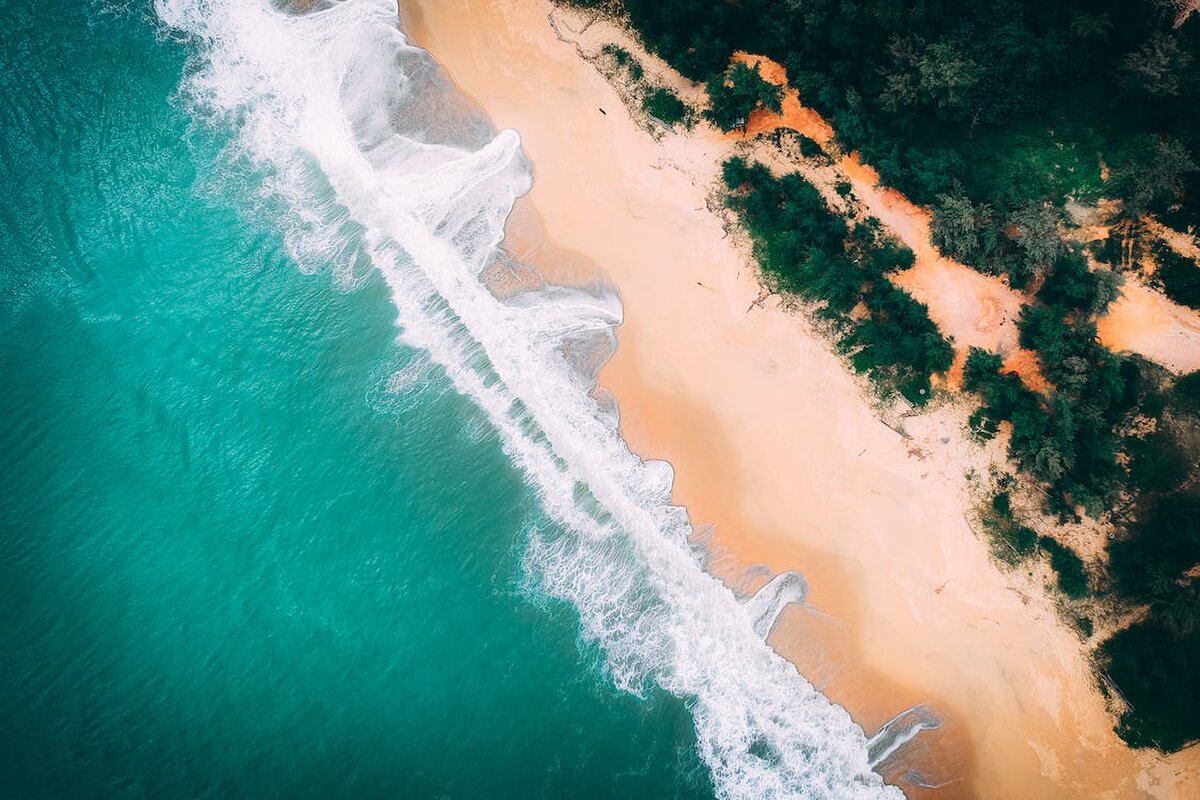
| Region | Air (day) | Sea | Highlights |
|---|---|---|---|
| Trincomalee (east) | +29–31°C | +28–29°C | The island's best beach season |
| Sigiriya / Dambulla (highlands) | +27–29°C | — | The rock fortress, UNESCO, elephants |
| Nuwara Eliya (tea country) | +18–20°C | — | Colonial-era climate, tea factories |
Budget, 10 nights / 2 people: PLN 7,000–14,000 (flight plus hotel)
Best September route: Colombo (1 day) → Sigiriya (2 days, the Cultural Triangle) → Nuwara Eliya (2 days, tea) → Trincomalee (4–5 days, beach)
Worth knowing: the west coast (Unawatuna, Mirissa) is in its rainy season in September — don't go there
Who is it for
Fans of unconventional routes wanting to combine culture, nature and sea in a single trip. Not recommended for anyone wanting a classic "beach plus all-inclusive" format — that doesn't exist in Sri Lanka.
What to do
- Climb Sigiriya (Lion Rock) — a 5th-century fortress atop a 200-metre monolith.
- Take a safari at Minneriya National Park — in September it hosts one of the world's largest concentrations of wild elephants.
- Ride the train through the tea plantations from Kandy to Nuwara Eliya — one of the most beautiful rail routes in Asia.
- Swim off Nilaveli Beach in Trincomalee — white sand, palm trees, practically no one around.
Entering Sri Lanka
- Polish and EU/EEA citizens: an electronic ETA visa online — USD 20–35, up to 30 days (eta.gov.lk)
- Non-EU residents of Poland: the same ETA process, depending on nationality
❌ Where to avoid in September
The Maldives (a caveat)
Technically the Maldives are included above — but with a significant caveat. Officially, September is still the rainy season, and anyone expecting December's cloudless skies will be disappointed. If an occasional bad-weather day is absolutely unacceptable to you, go in November–December instead.
Thailand (Phuket, Krabi, the Koh Samui islands)
September is the height of the monsoon season across Thailand. Phuket and Krabi see heavy rain and high waves, and beaches close. Koh Samui gets hit hard in September too — it's the worst month for the whole of Thailand. Go there from November to April instead.
Vietnam (the centre: Da Nang, Hoi An)
Central Vietnam in September is typhoon and heavy-rain season. Hoi An and Da Nang flood several times a month. The south (Ho Chi Minh City) and north (Hanoi, Ha Long Bay) are still tolerable in September, but not ideal.
The Caribbean (the Dominican Republic, Cuba, Jamaica)
September is the peak of hurricane season in the Caribbean. Even if the weather is fine on any given day, the risk of a sudden shift is very high, and some countries' insurers don't cover hurricane damage during this period. Plan the Caribbean for December–March instead.
India (Goa, Kerala)
The monsoon continues in Goa and Kerala through September: daily downpours, closed beaches, high humidity. Goa opens up to tourists in November.
The practical section
The "velvet season" — myth or reality?
Tour operators love the term "velvet season", but there's a genuine phenomenon behind it. The Mediterranean really is at its warmest in September: the water absorbs heat all summer and peaks in late August to early September. Air temperature, meanwhile, drops 3–5°C relative to August, which makes walking and sightseeing significantly more comfortable. Package prices fall sharply from 1 September — within the first week they drop 20–30% in a matter of days. That's not marketing — it's simply what happens once European families head home along with their schoolchildren.
There's one "but": some infrastructure starts closing towards the end of September — some beach clubs, certain ferry routes between the Greek islands, and entertainment programmes at budget hotels. If that matters to you, book the first half of the month.
When to book a September trip:
- 10–14 weeks ahead: the Maldives, Zanzibar, Bali, Sri Lanka — connecting flights and quality hotels; Croatia and Greece — specific apartments in popular spots
- 4–6 weeks ahead: the sweet spot for Turkey, Cyprus, Greece, Italy, Portugal, Tunisia, Morocco
- Last-minute (5–10 days out): Turkey and Tunisia — tour operators actively sell off remaining inventory from 1 September, with discounts up to 35%; also Egypt and Bulgaria. Doesn't work for long-haul destinations
 Common mistakes when booking a September trip
- Planning Thailand, Vietnam or the Caribbean — for these destinations, September is one of the worst months of the year: typhoons and monsoon in full force.
- Going to Egypt without accounting for daytime heat — even in September, Hurghada runs at +33°C; plan all Luxor excursions for morning or evening only.
- Booking Sri Lanka and heading to the west coast — that's rainy season there in September; only the east coast (Trincomalee) is in season.
- Expecting a full entertainment programme in late September — some hotels in Bulgaria, Montenegro and Greece start winding down their programmes after 20 September.
- Missing the last-minute window for Turkey — the first week of September is the best time for spontaneous decisions: sea at +27°C, empty beaches, rock-bottom prices.
Choose your September
September delivers a rare combination: the best sea of the year, broken heat, dispersed crowds — and prices several times below August's. And unlike October–November, when the season starts closing, in September everything still runs: hotels function fully, flights operate, restaurants stay open.
If you're after a warm Mediterranean without the crowds, choose Greece or Croatia. If you need guaranteed hot water from day one, choose Turkey or Cyprus. If you've long been planning something exotic, September opens up Zanzibar and Sri Lanka and makes the Maldives affordable. And if you want something completely unconventional, the Azores and Morocco are waiting for you this very month.




 Holidays


 Last minute


 Hotels


 Blog
Blog