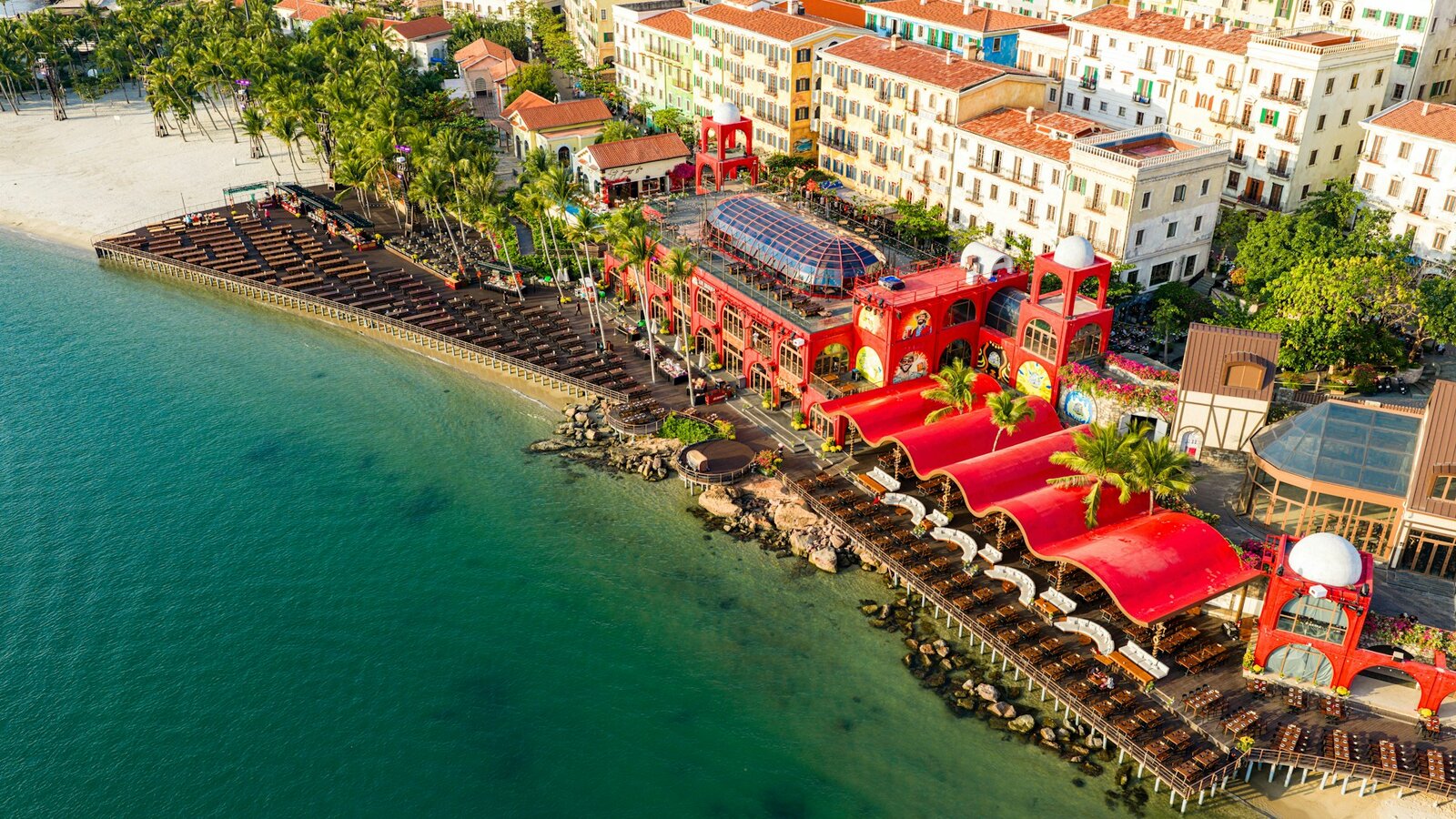
Vietnam is the one popular Asian destination where you can genuinely get cold. In January, Hanoi sits at 15-17°C with high humidity and no heating in most buildings, there are frosts in the mountains of Sapa, and on the very same day Phu Quoc is at 30°C with the swimming season in full swing. The reason is geography: the country stretches 1,650 kilometres north to south and splits into three climate zones that run out of phase. That's why the question "when is the best time to fly to Vietnam" has no answer at all until you've picked a region, and the generic advice in "best time for Vietnam" round-ups does more harm than good.
Below we break down each of the country's three parts separately: what to see there, exactly when to go, and who the region won't suit. Then the practicalities: what a trip from Poland really costs, how the visa rules differ fundamentally by passport, what the digital arrival card introduced in 2026 is, and how money and transport work on the ground. Separately: what's already known about the return of direct flights from Warsaw to Hanoi, and why it's too early to count on them in 2026.
Table of contents
- Getting there from Poland and the direct-flight situation
- Three Vietnams: why the seasons don't line up
- The north: Hanoi, Ha Long, Sapa, Ninh Binh
- The centre: Da Nang, Hoi An, Hue
- The south: Ho Chi Minh, Phu Quoc, Nha Trang, Mui Ne
- What a trip costs
- Visas and documents: your passport decides everything
- Practicalities: money, transport, food, safety
- Comparison of the regions
Getting there from Poland and the direct-flight situation
The headline news for the Polish market: LOT has announced the return of regular direct flights Warsaw - Hanoi after a break of more than fifteen years. But it's worth not jumping to conclusions here, because the dates matter. 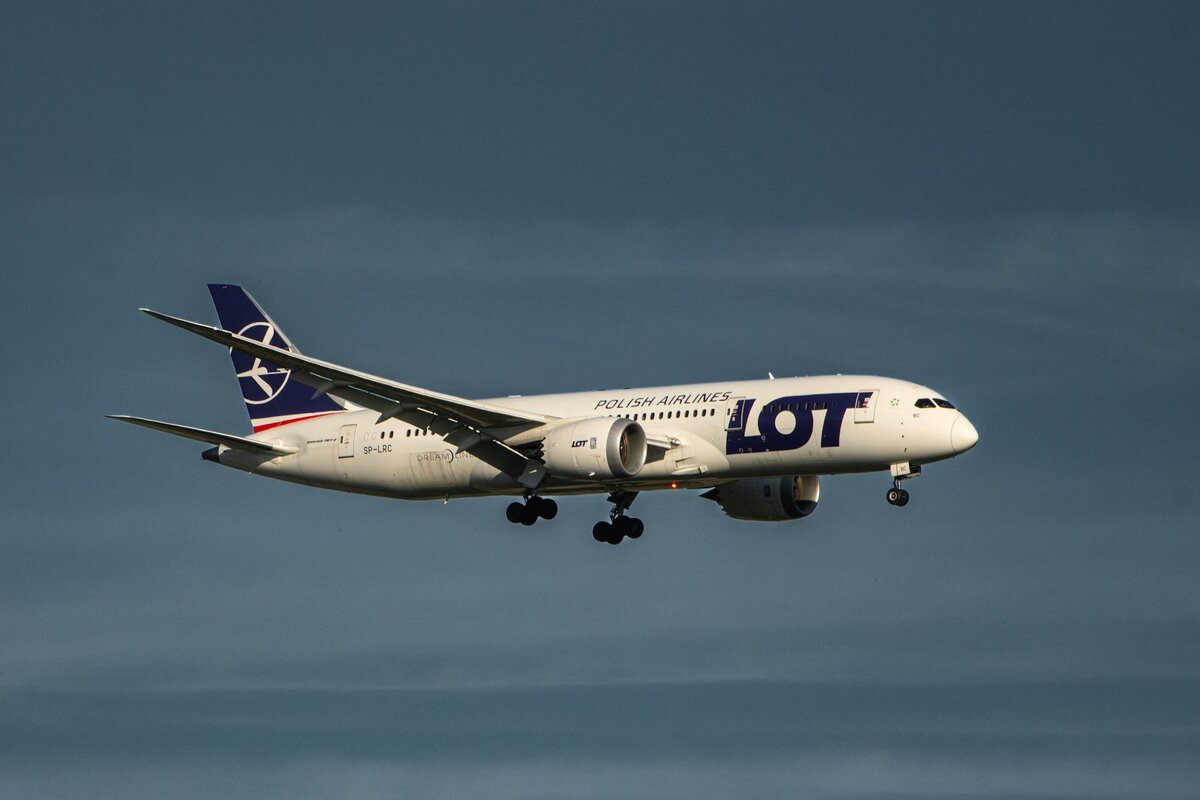
Launch date: the first departure is scheduled for 31 March 2027 - meaning there's no direct connection throughout 2026, and you'll have to fly with a connection
Schedule: year-round, three times a week; from Chopin Airport on Mondays, Wednesdays and Fridays, returning from Hanoi on Tuesdays, Thursdays and Saturdays
Journey time: around 10 hours 25 minutes to Hanoi and roughly 11 hours 20 minutes back
Context: Hanoi will become LOT's fifth Asian destination alongside Tokyo, Seoul, New Delhi and Bangkok; the route existed back in 2010-2012 and was then closed
What this means in practice. If you're planning a trip in 2026, count on a route with one connection - most often through Middle Eastern or Asian hubs, with a total journey time of usually 14-18 hours depending on the layover. If your dates are flexible and a direct flight is what you want, it makes sense to look at spring 2027 and later.
One nuance worth thinking about in advance: the direct flight lands in Hanoi, in the north of the country - the region with the most pronounced change of seasons and the only one where it gets genuinely cold. For a beach holiday, it's not the obvious point of entry, and the route will almost always need a domestic flight added on. Vietnam's domestic air network is well developed and cheap: Hanoi - Da Nang or Hanoi - Phu Quoc takes 2-2.5 hours.
Three Vietnams: why the seasons don't line up
This is the key to all your planning. The country is so long that three different climates fit within it, and "the rainy season in Vietnam" in the same month can mean downpours in one region and completely dry weather in another.
| Region | Best season | Worst season | Characteristic |
|---|---|---|---|
| North (Hanoi, Ha Long, Sapa) | October-April, peak October-November and March-April | June-August: heat up to 38°C and downpours | The only part of the country with a cool winter: 15-17°C, damp |
| Centre (Da Nang, Hoi An, Hue) | February-August | September-November: typhoon and flood season | The country's best beaches, but the riskiest autumn |
| South (Ho Chi Minh, Phu Quoc, Mui Ne) | November-April | May-October: rainy season | Warm year-round, 26-32°C with no real winter |
The table leads to a practical takeaway that saves a holiday. There's almost no ideal month for the whole country - but there are windows when two of the three regions work at once. February-April: good in the north and the south, tolerable in the centre. October-November: excellent in the north, the season starting in the south, but the centre is best left alone entirely then. If the route is planned across the whole country, February and March are the safest choice.
A word on the southern rainy season: it works on the tropical pattern, meaning it's not continuous bad weather but a heavy downpour for an hour or so, more often in the afternoon, with sun between them. A trip to the south in May or June is perfectly workable and noticeably cheaper if you're ready for a flexible schedule. Autumn typhoons in the centre, though, are a different level of risk: they genuinely cancel flights and shut down boat trips.
The north: Hanoi, Ha Long, Sapa, Ninh Binh
The most characterful and least beachy part of the country. Hanoi is a dense, noisy, old city with a French colonial heritage, the narrow streets of the Old Quarter, and street food worth coming for in its own right. Two to three hours away is Ha Long Bay, with its thousands of limestone islands, a UNESCO site and Vietnam's main postcard image. Further north still is Sapa, with its rice terraces and mountain villages, while south of Hanoi is Ninh Binh, dubbed "the inland Ha Long": the same rock formations, but among rice paddies, with boat trips along the rivers. 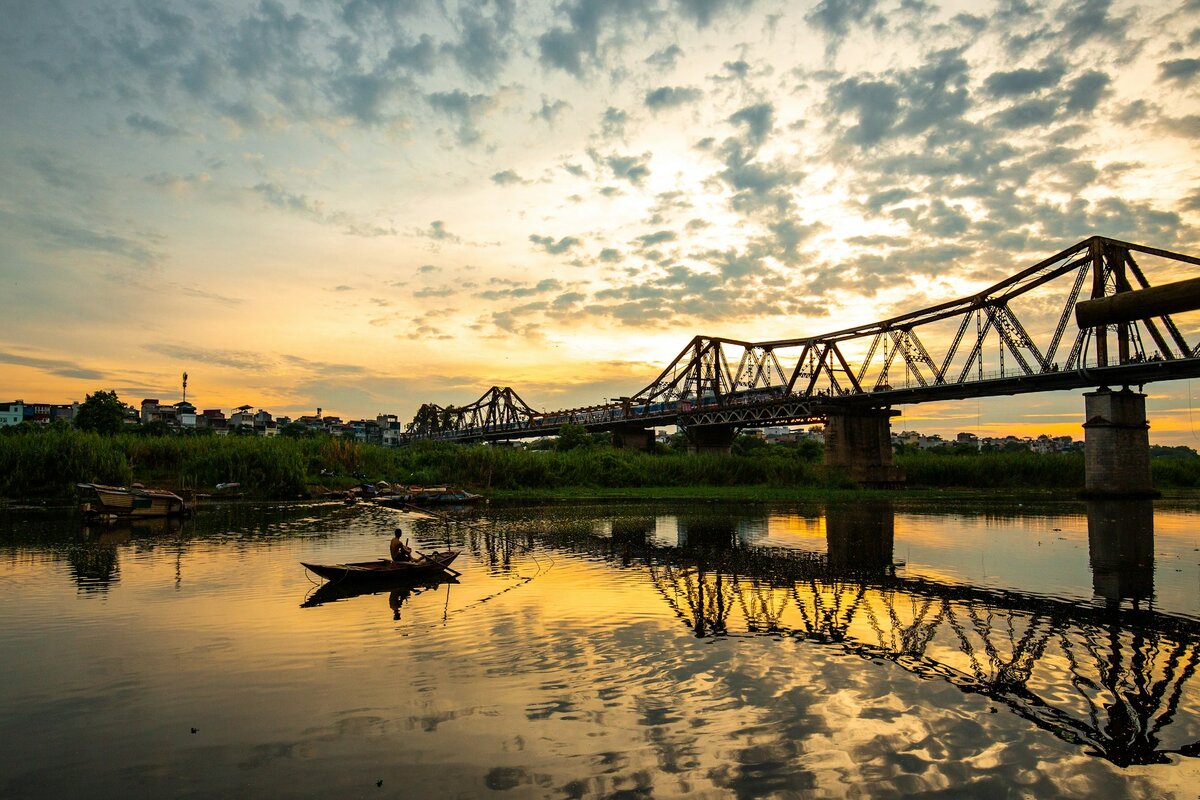
When to go: October-April; peak comfort October-November and March-April
In winter: 15-17°C, high humidity, and almost no heating in hotels and cafés - warm clothing is genuinely needed, not just a formality
Ha Long: overnight junk cruises from one to three days; in fog the visibility drops and the postcard doesn't always come off
Sapa: mountains, 8-15°C in winter, with occasional frosts; the rice terraces are greenest in June-September and golden before the harvest in September-October
Who is it for
The north is for those coming for experiences, culture, scenery and food rather than the sea. It works well for a first trip to Vietnam, for couples and for active travellers up for trekking. It's not worth going here for a beach holiday: there's simply no sea in the usual resort format, and it's cool in winter on top of that. It's also worth assessing Hanoi honestly: it's a loud, intense city with dense scooter traffic, and it's hard going for anyone who needs a slow pace.
What to do
- Take an overnight Ha Long cruise rather than a day trip: the main part of the beauty reveals itself early in the morning, before the day boats arrive.
- Go to Ninh Binh instead of a second day in Ha Long - the same geology, boats instead of buses and noticeably calmer.
- Walk the Sapa rice terraces with a local guide from a mountain village rather than in a large group.
- Try Hanoi's street food in specific spots rather than tourist cafés: pho, bun cha and egg coffee are three things worth flying in for on their own.
- Budget a day for transfers: the distances between Hanoi, Ha Long and Sapa are greater than they look on the map.
The centre: Da Nang, Hoi An, Hue
This is where the country's best beaches are, and the most convenient format for anyone wanting to combine the sea with sightseeing. Da Nang is a modern resort city with a long stretch of sand, a promenade and good hotels. Thirty kilometres away is Hoi An, an old trading port under UNESCO protection: low yellow houses, lanterns, tailors making made-to-measure clothes in a day, and a complete absence of high-rises. Further on is Hue, the former imperial capital with its citadel and tombs. 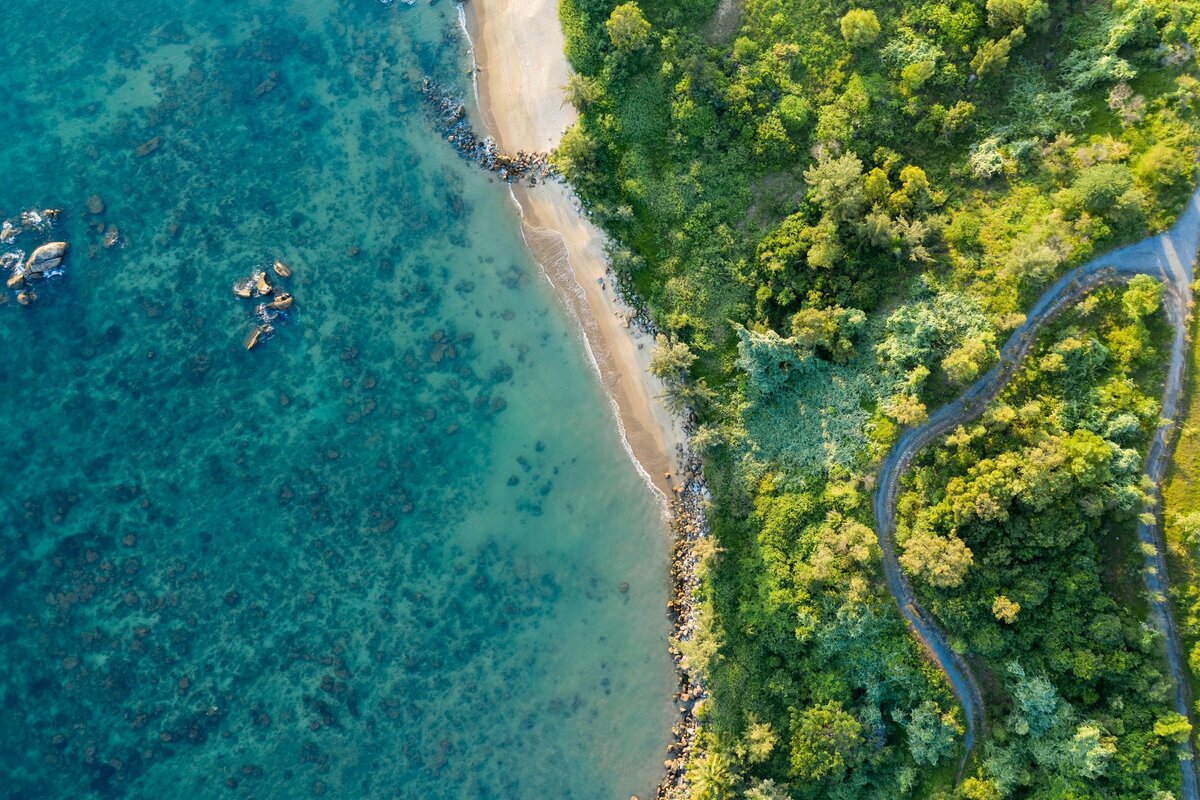
When to go: February-August, the water warm, minimal rain
When not to go: September-November - typhoon and flood season; Hoi An floods regularly, and flights and boat trips get cancelled
Logistics: Da Nang and Hoi An are linked by a half-hour transfer, letting you stay in one and visit the other
The format: the only region where you can genuinely combine a proper beach holiday with a dense cultural programme without long transfers
Who is it for
The centre is the optimal option for a first taste of the country if you want both sea and substance: couples, families and anyone not willing to choose between the beach and sightseeing. Hoi An is especially good for those who value atmosphere over scale. It's not worth going here in autumn - from September to November the risk of the weather ruining the whole trip is the highest in Vietnam. The centre also won't suit those looking for nightlife and a wide choice of entertainment: after ten in the evening Hoi An falls almost completely quiet.
What to do
- Order clothes from a Hoi An tailor on the first day of the trip, not the last: good tailoring takes a day or two, and you need a margin for fittings.
- Drive up to the Hai Van Pass between Da Nang and Hue - one of the most spectacular roads in Southeast Asia.
- See Hoi An early in the morning or after sunset when the lanterns come on: by day the old town is hot and crowded.
- Visit My Son - a complex of Hindu temples of the Champa kingdom, a miniature counterpart to the Cambodian ruins, which relatively few reach.
- Don't plan boat trips for autumn dates, and don't put them on the last day of the trip in any season.
The south: Ho Chi Minh, Phu Quoc, Nha Trang, Mui Ne
The south means warmth year-round and the most resort-oriented format. Ho Chi Minh (formerly Saigon) is the country's business capital, dynamic and noticeably more Western in spirit than Hanoi; it's a convenient base for trips to the Mekong Delta. Phu Quoc is a large island near the Cambodian border, with white sand, resort complexes and the status of Vietnam's main beach destination. Nha Trang is a classic seaside resort with developed infrastructure; Mui Ne is a kite- and windsurfing hub with constant wind and sand dunes. 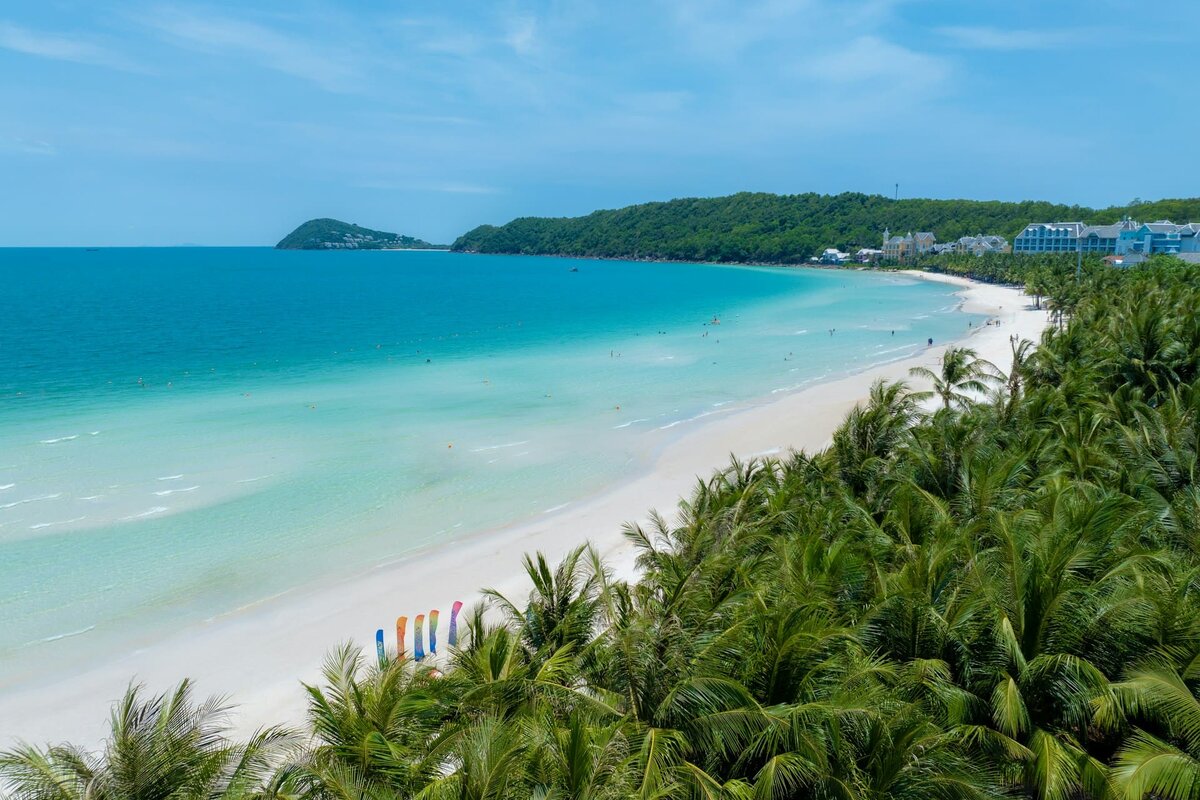
When to go: November-April, dry and stable; this is also the high season and peak prices
Rainy season: May-October - short heavy downpours, more often in the afternoon, with sun between them; a trip is possible and noticeably cheaper
Phu Quoc: a separate 30-day visa-free entry applies to foreigners arriving on the island directly from abroad
Mui Ne: the wind that makes it the best spot for kitesurfing also means swell - a downside for calm swimming
Who is it for
The south is for those who want a beach holiday specifically, with guaranteed warmth, and for water-sports enthusiasts. Phu Quoc works well for families and for those who want a single hotel for the whole trip with no transfers. It's not worth going to the south if the goal is authentic Vietnam and culture: Nha Trang and Phu Quoc are quite heavily geared towards mass tourism, and there's noticeably less character here than in the north or in Hoi An. Beyond that, Ho Chi Minh with its traffic and pace doesn't suit everyone - many limit themselves to a day or two and fly on.
What to do
- Go from Ho Chi Minh to the Mekong Delta with an overnight stay rather than a single day: the floating markets operate early in the morning, and a day trip almost always misses them.
- Take a boat trip on Phu Quoc to the southern islands - the water there is clearer than off the main beaches.
- Try kitesurfing in Mui Ne from November to April, when the wind is at its most stable.
- Visit the Cu Chi Tunnels near Ho Chi Minh - a wartime underground network that conveys the country's history better than any museum.
- Budget for a domestic flight: Ho Chi Minh to Phu Quoc is about an hour in the air, cheaper and faster than any overland alternative.
What a trip from Poland costs
Vietnam remains one of the best-value long-haul destinations in terms of price against quality: the flight is expensive, but costs on the ground are low, and that noticeably changes the shape of the budget compared with a European holiday.
Travel from Warsaw: in 2026 with one connection, usually 14-18 hours en route depending on the layover
10-14 days for 2 people: roughly PLN 14,000-28,000 with flights, depending on the season, hotel level and number of domestic flights
On the ground: street food from a few zloty a portion, a meal in an ordinary café cheap even by Asian standards, domestic flights between regions relatively cheap
What eats the budget: the flight from Europe, Ha Long cruises, high-end hotels on Phu Quoc, and frequent domestic flights on a packed itinerary
A practical note on money: don't try to cover the whole country in a week. Vietnam is physically long, and trying to see the north, centre and south in 7 days means three domestic flights, constant packing, and the feeling of being permanently in transit. The sweet spot is 10-14 days for two regions, or a week for one. It's cheaper and noticeably more pleasant.
Visas and documents: your passport decides everything
Vietnam isn't connected to Schengen, so entry rules follow the nationality on your passport alone. A Polish residence card grants no rights here and doesn't replace a passport. Below are the rules by nationality, worth knowing in advance because they affect how you prepare for the trip.
Entry rules by nationality
- EU/EEA citizens, including Polish citizens: most, including Polish citizens, have visa-free entry for up to 45 days for tourism - Poland is covered by a separate visa-free arrangement in force from 15 August 2025 to 14 August 2028, alongside Belgium, Bulgaria, Croatia, Czechia, Switzerland, Luxembourg, Hungary, the Netherlands, Romania, Slovakia and Slovenia. Note that not every EU nationality is on the list - some still need an e-visa.
- Non-EU residents of Poland: the rules depend entirely on your nationality, not your Polish residence status. Some enter visa-free, others need an e-visa; the Vietnamese e-visa is available to citizens of all countries, completed online, valid for up to 90 days, and comes as single- or multiple-entry, with a fee of around USD 25. Complete it only on the official immigration portal.
- Phu Quoc - a separate rule: foreigners arriving on the island directly from abroad can stay there visa-free for up to 30 days regardless of nationality. But this covers the island only: a trip to the mainland needs a visa or a general exemption.
- For everyone: the passport must be valid for at least 6 months from the date of entry, ideally with two blank pages.
Digital arrival card: from 15 April 2026, all foreigners arriving at Tan Son Nhat Airport in Ho Chi Minh must complete an electronic arrival form within 72 hours before arrival; registration is free
Entry points: the e-visa is accepted at dozens of international airports, land and sea checkpoints - but when completing it you must specify the exact point of entry and enter through that one
A common mistake: specifying one airport and arriving at another - such a visa causes problems at the border
Important: Vietnam's entry rules have changed repeatedly in recent years, so check current requirements on the official portal before buying tickets
Practicalities: money, transport, food, safety
A few things worth knowing before departure - they save time and hassle on the ground.
What to understand in advance:
- Money. The currency is the Vietnamese dong, with a lot of zeros, which makes it easy to be out by a factor of ten when converting. Cards are accepted in hotels and larger venues, but street food, markets and taxis in smaller towns are almost always cash.
- Getting around the country. Domestic flights are cheap and save whole days. Night trains and buses are cheaper, but Hanoi - Da Nang takes about 16 hours, which isn't worth it on a short holiday.
- Scooters. The country's main mode of transport and the leading source of injury among tourists. Renting without an international licence is formally illegal, and standard insurance then usually won't cover the consequences of an accident - check your policy terms before the trip if you plan to ride.
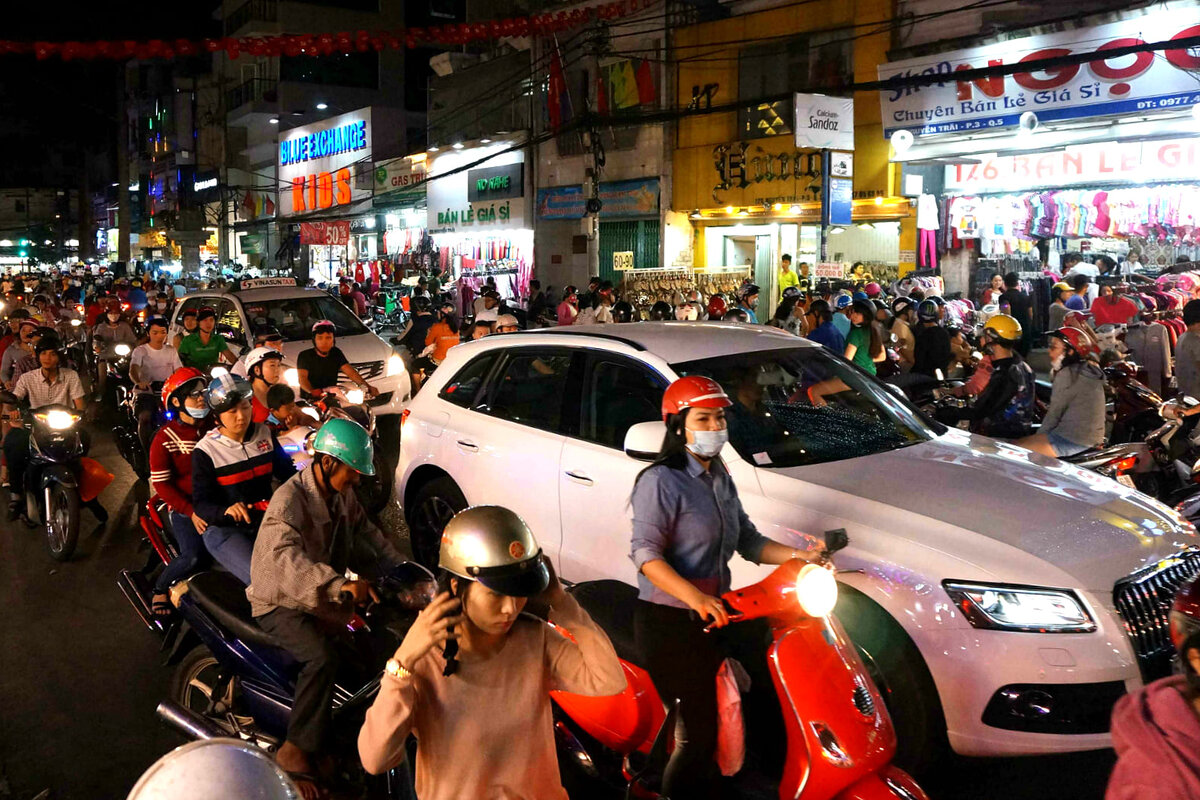
- Road traffic. In Hanoi and Ho Chi Minh, crossing the street works differently from Europe: the flow doesn't stop, it flows around you, so you have to walk steadily and predictably, with no sudden moves or stops.
- Food and water. Street food is one of the main reasons to come to Vietnam, but the tap water isn't drunk; choose busy spots where the food is cooked in front of you.
- Health. Medical insurance covering evacuation is a must. On vaccinations and prophylaxis before a trip to the tropics, it's worth consulting a doctor - the recommendations depend on your route and the season.
- Weather risks. The centre of the country sees typhoons in autumn that affect flight schedules. Don't set connecting flights too tight and don't plan boat trips for the last day.
 Comparison of Vietnam's regions
Figures are approximate. The key difference isn't price - it's the season and the type of holiday.
| Region | Who it's for | Best season | Beach | Honest caveat |
|---|---|---|---|---|
| Hanoi and the north | Culture, scenery, food | October-April | Practically none | Cool and damp in winter, no heating |
| Ha Long | Cruises, nature | October-April | Limited | In fog there may be no view at all |
| Sapa | Trekking, mountains | September-November, March-May | None | Far from Hanoi, cold in winter |
| Da Nang and Hoi An | Beach plus culture | February-August | The best in the country | Typhoons and floods in autumn |
| Hue | History, imperial heritage | February-August | None | One of the rainiest cities in the country |
| Ho Chi Minh | City, food, the Mekong | November-April | None | Noisy, dense traffic, not for relaxing |
| Phu Quoc | Beach holiday, families | November-April | Yes, the main draw | Little Vietnamese character |
| Nha Trang and Mui Ne | Resort, kitesurfing | November-April | Yes | Mui Ne is windy, swimming is choppy |
Checklist before the trip:
- Choose the region first, then the dates: the seasons of the north, centre and south don't line up, and there's no universal "best month" for the country.
- Don't plan the centre of the country for September-November - it's typhoon season, not just rain.
- Check the visa requirements for your specific passport: Polish citizens have visa-free entry for up to 45 days, while other nationalities may need an e-visa.
- Complete the e-visa only on the official portal and specify the point of entry you'll actually arrive through.
- Factor in the digital arrival card when flying into Ho Chi Minh: from 15 April 2026 it's mandatory and completed before arrival.
- Don't try to cover the whole country in a week: 10-14 days for two regions gives a far better result than a dash through three.
- Take insurance with medical evacuation and check whether it covers scooter rental if you plan to ride yourself.
- If you're waiting for a direct flight from Warsaw - that's spring 2027, not 2026.
Common mistakes:
- Looking for "the best time for Vietnam". No such time exists: the country stretches 1,650km, and its three climate zones run out of phase.
- Flying north in winter for the beach. Hanoi in January is 15-17°C, damp and unheated, and there's no sea in resort format there at all.
- Planning Hoi An for October. It's the peak of typhoon and flood season in the centre of the country; the town floods regularly.
- Assuming that a Polish residence card means no visa is needed. Vietnam isn't connected to Schengen, and the rules are set by the nationality on your passport alone.
- Completing the e-visa through intermediaries. The official portal charges the standard fee; intermediaries add a mark-up for the same service.
- Counting on a direct LOT flight in 2026. The first departure is scheduled for 31 March 2027; before that, it's a connection only.
- Renting a scooter without a licence and without suitable insurance. It's the most common cause of serious trouble for tourists in Southeast Asia.
The verdict
So where should you holiday in Vietnam?
The answer depends on what exactly you need, and on the month of the trip - but not the other way round. If you want a classic beach holiday with guaranteed warmth, that's the south: from November to April. If you need to combine sea and substance, the best compromise is the centre, Da Nang with Hoi An, from February to August and categorically not in autumn. If you're going for experiences, scenery and food, and the sea isn't essential - the north, with Hanoi, Ha Long and Sapa, from October to April. And if the trip is planned across the whole country, February and March give the widest window, when all three regions work at once. 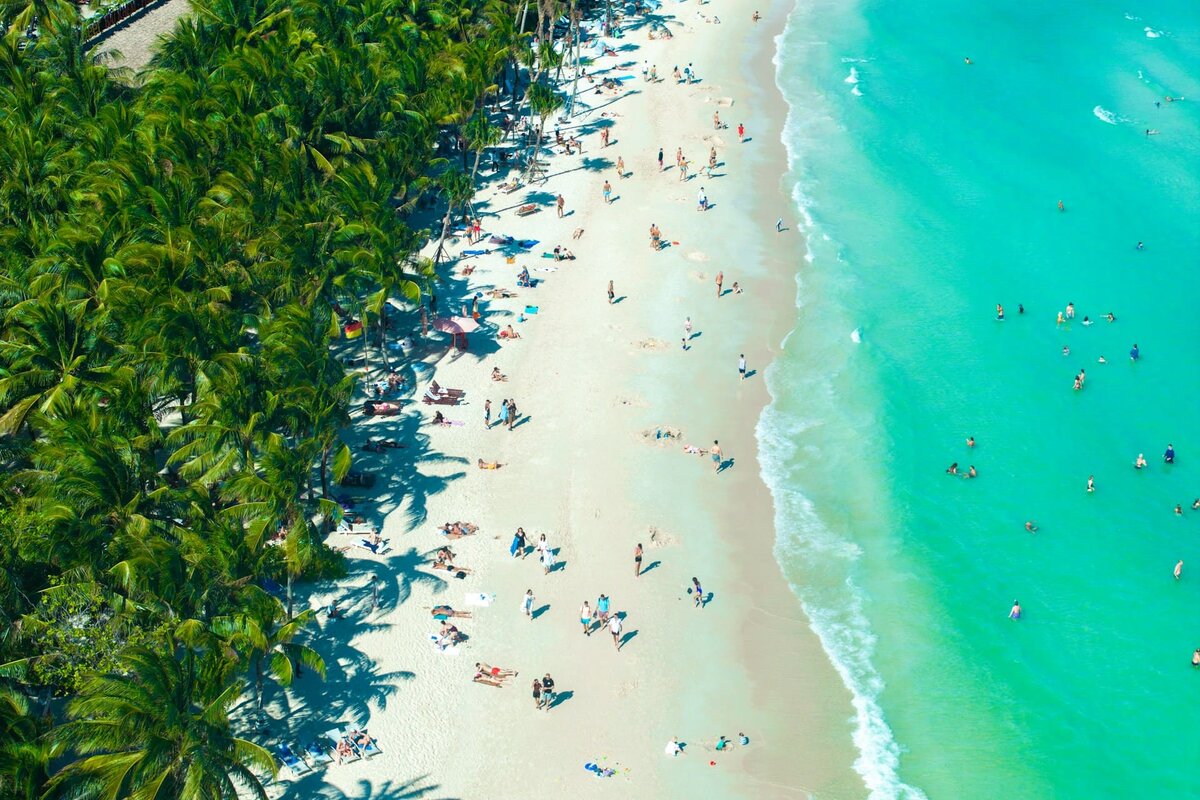
One last piece of advice:
Don't stretch the route across the whole country just to tick it off. Vietnam, 1,650 kilometres long, rewards those who pick two regions and live them slowly, and punishes those who try to fit three flights into seven days. And if a direct flight with no connections matters to you - it's worth waiting: LOT's Warsaw - Hanoi flights start on 31 March 2027 and will run year-round three times a week.











 Holidays


 Last minute


 Hotels


 Blog
Blog