More people are choosing to travel solo, but two real obstacles that actually stop people from booking get surprisingly little attention: the single supplement, which can push up the price of a package by 50–100%, and the worry that a resort full of couples and families will be an awkward place to be alone. Both of these are genuinely solvable if you know where to look — there are destinations, hotels and trip formats specifically designed for solo travellers, from cruises with dedicated single cabins to guided tours with same-sex roommate matching. We've put together a complete guide to solo holidays for 2026: proven destinations, concrete ways to cut costs, safety rules for travelling alone, and a pre-trip checklist.
Quick navigation — jump to the section that matches your travel style:
- I want to switch off completely, away from crowds → Zanzibar
- I want to meet other solo travellers → cruises or guided tours
- Activity and sightseeing in one trip → Turkey or Portugal
- Reliable weather year-round → Canary Islands
- Budget-friendly, guaranteed winter sun → Egypt
- Safety as the priority, first solo trip ever → Portugal or the safety section
- I want to avoid the single supplement → how to do it
- Planning my first solo trip in life → pre-trip checklist
Solo travel: who it suits and what the real challenges are
Travelling alone isn't a one-size-fits-all solution — for some it's the most restorative kind of holiday there is, for others it's a genuine logistical and emotional challenge. What's an advantage for one person can be a real drawback for another, and it's worth testing on yourself before committing to a ticket. 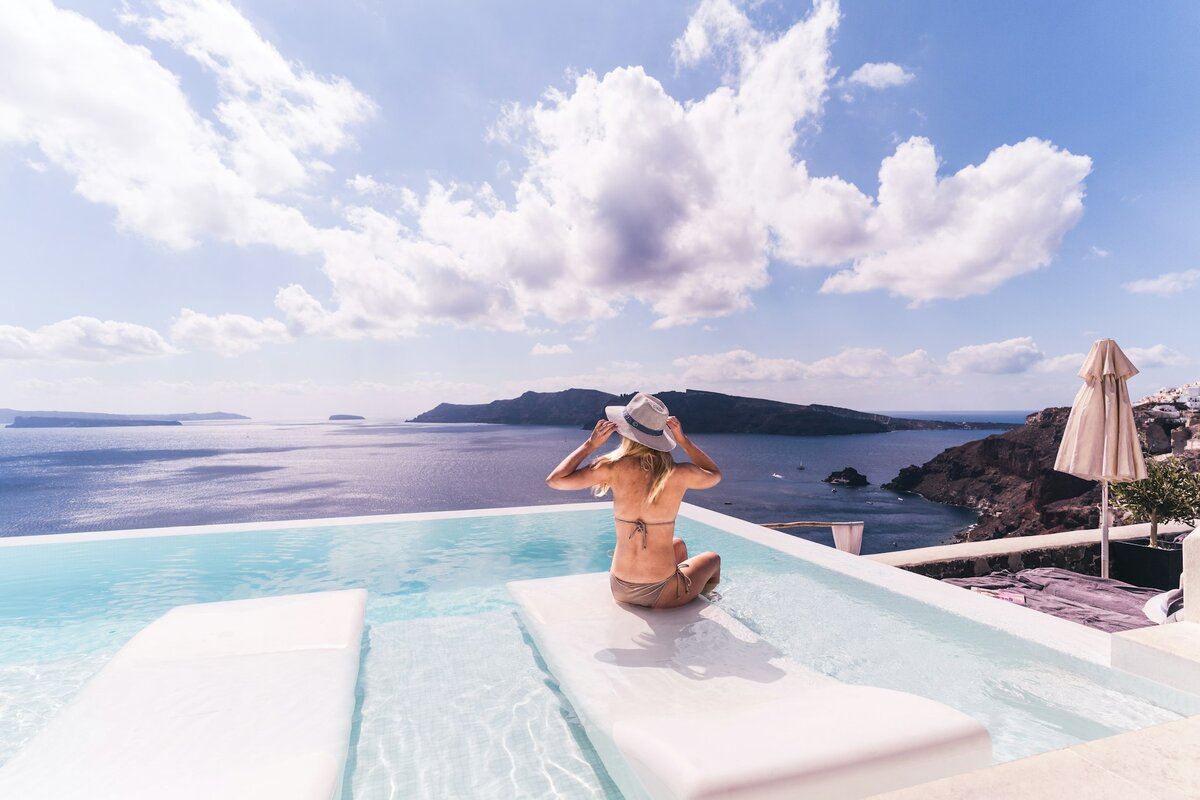
The upsides of solo travel:
- Total freedom of decision. You do exactly what you feel like, with no plans to coordinate and no compromises.
- Flexibility. Change your mind halfway through the day? Nobody's disappointed or surprised.
- Genuine time to yourself. A real chance to go offline, step back from constant stimulation and gain some distance from everyday life.
- Easier contact with others. Solo travellers are statistically more open to conversation, which naturally makes it easier to strike up new connections.
- Personal growth. Handling new situations on your own builds a kind of confidence no group trip can match.
The challenges below aren't a reason to skip the trip — but it's worth knowing how to handle each one before it comes up:
| Challenge | How to handle it |
|---|---|
| No one to lean on in a rough moment (a delayed flight, a lost suitcase, a rainy day) | Get insurance with full assistance cover and save the airline's number — fewer situations will need to be handled entirely on your own without support |
| Feeling lonely in the evenings, especially in places full of couples and families | Choose tavernas and restaurants with shared tables or bar seating, where dining alone is the norm rather than the exception — Mediterranean countries are especially good for this |
| Doing all the logistics yourself — the whole organisation rests on one person | Guided tours and cruises take most of the logistics off your hands — a good choice for a first solo trip |
| Higher costs — the single supplement isn't proportional to the number of people | See the section below — there are several proven ways to reduce or completely avoid it |
| Safety concerns, especially in unfamiliar surroundings | See the safety section below — a few simple habits significantly reduce the risk |
The single supplement: how it works and how to reduce it
Hotels price a room as a unit, not per person — so a solo traveller pays more than half the cost for two, even though they're using the same bed and the same amenities as a couple would. That difference is the single supplement, and it — not loneliness itself — is the most common reason people give up on a solo trip before it starts.
The size of the supplement varies widely: at some hotels it's an extra 30–50% on top of the per-person double-occupancy rate; at others it's the full 100%, meaning you're effectively paying for the whole room as if for two people. A few proven ways to reduce or avoid it:
- Book outside peak season. In May, June and September, many hotels lower the supplement or run promotions aimed specifically at solo guests to fill rooms during quieter dates.
- Choose cruises with dedicated solo cabins. Some cruise lines offer cabins designed specifically for one person, with no supplement at all or a minimal one — one of the most predictable ways to sidestep the problem entirely.
- Check guided tours with roommate-matching. Many tour operators offer the option of sharing a room with another same-sex solo traveller — this eliminates the supplement almost entirely, at the cost of sharing your space.
- Consider cities instead of All Inclusive resorts. In city hotels, a single room is usually its own price category rather than a surcharge on a double — a far simpler and more predictable way to budget as a solo traveller.
- Look for trips explicitly marketed "for solo travellers." Some tour operators run group trips aimed specifically at people travelling alone, either building the absence of a supplement into the base price or offering roommate matching from the outset.
Safety for solo travellers
Travelling alone isn't inherently more dangerous than travelling with others — but it does call for a few extra habits, since if something goes wrong, there's no one right there to react on your behalf.
- Leave your full itinerary with someone close to you. Hotel address, flight numbers, planned route and a rough daily schedule — this costs nothing and makes it far easier for someone to help if a problem comes up.
- Get travel insurance with an assistance package and medical evacuation cover. On a solo trip, your insurer — not a travel companion — becomes the first line of support in an emergency, so it's worth checking your coverage limits before you go.
- Choose well-reviewed accommodation in central locations. Read reviews specifically for how other solo guests rated the sense of safety in that particular place — that's a far more concrete signal than a hotel's overall rating.
- Set a check-in schedule with someone at home. A quick "all fine" message once a day takes a minute and gives both sides real peace of mind.
- Don't display valuables and stay alert to overly persistent friendliness from strangers — a universal rule that applies regardless of destination.
- Trust your instincts. If a place or situation feels uncomfortable, it's fine to leave without explaining yourself to anyone — on a solo trip, that decision is yours alone, and you can act on it instantly.
For a first solo trip, it's worth choosing destinations with a strong safety record and well-developed tourist infrastructure — Portugal, the Canary Islands, and popular Turkish and Greek resorts are all especially good starting points.
Zanzibar
"For those who want to switch off completely"
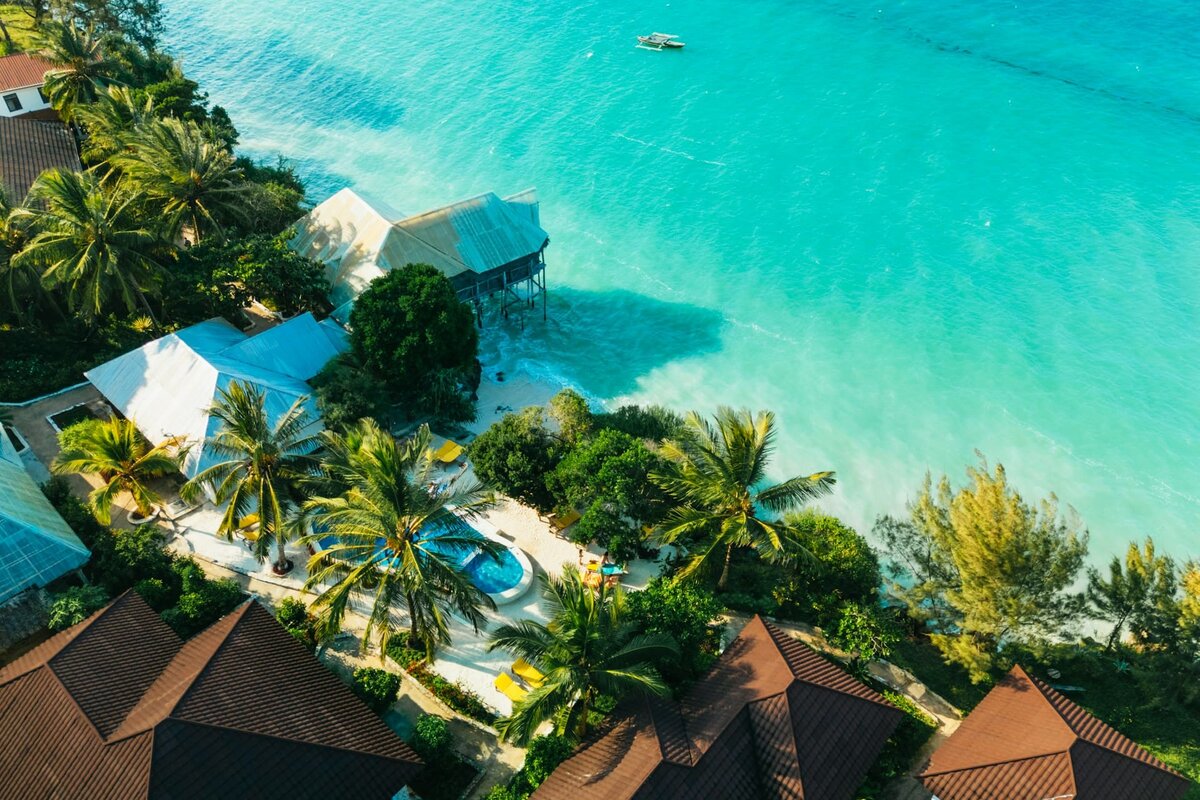
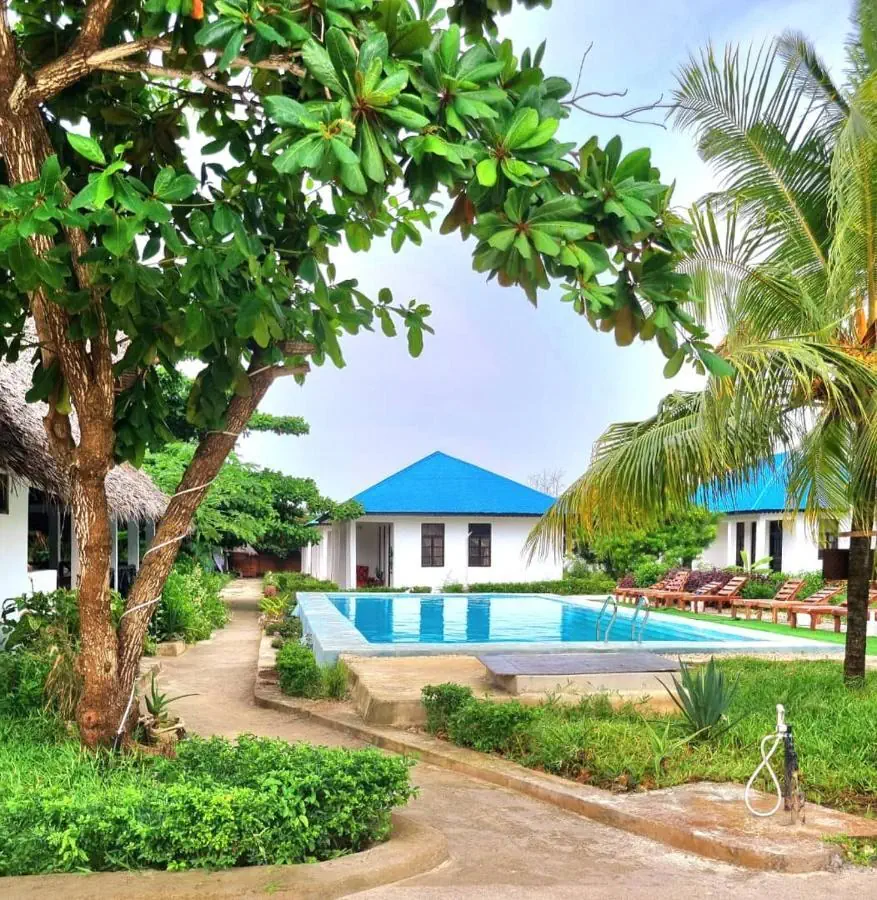
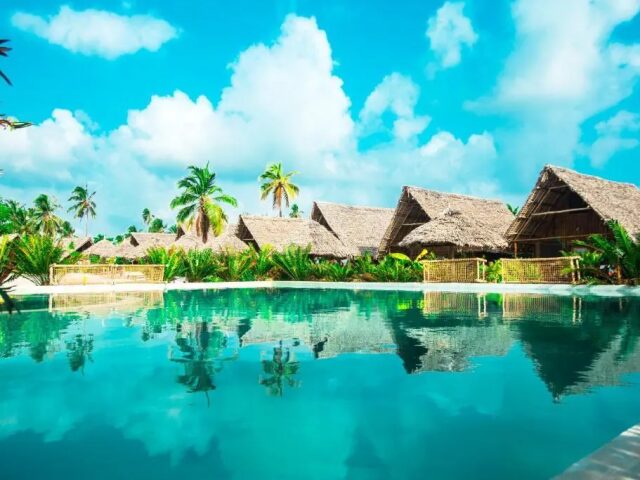
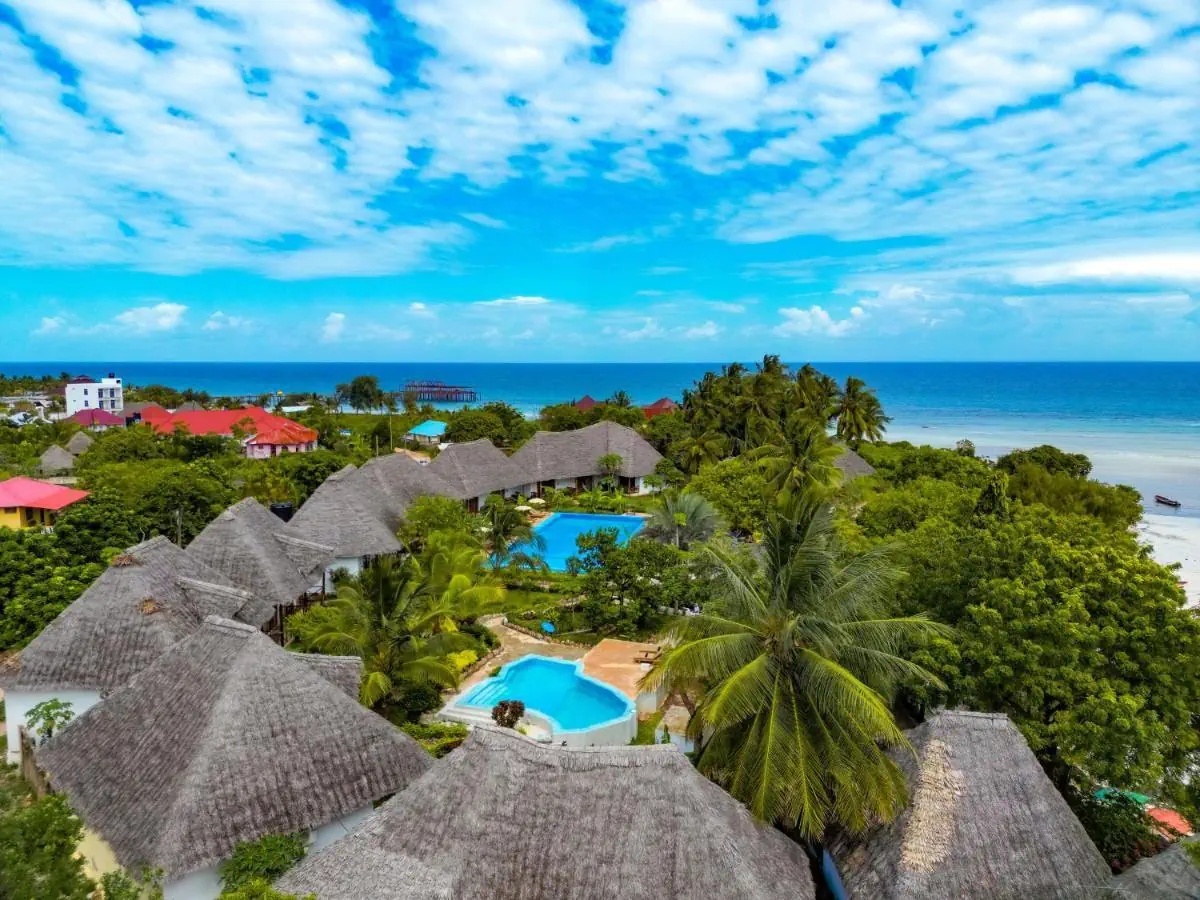
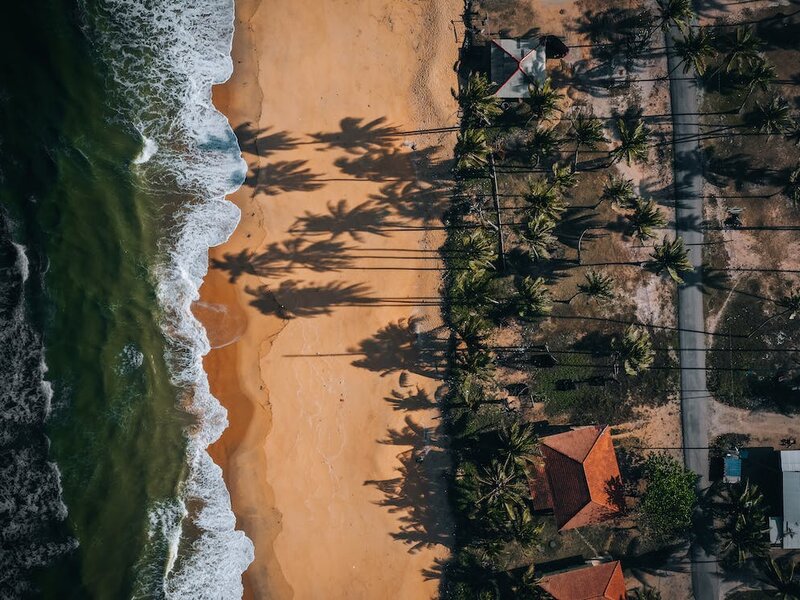
Zanzibar is a destination with no tight sightseeing schedule and no pressure to tick attractions off a list. Every day here looks simple and calm: sunrise over the ocean, breakfast under palm trees, a quiet afternoon on a sun lounger, fresh seafood for dinner. Most resorts provide everything you need without having to go anywhere — comfortable rooms, massages, calm music and friendly staff, all without excess stimulation. It's a destination that works especially well when the only goal is rest, not socialising.
| Period | Air temp. | Sea temp. | Notes |
|---|---|---|---|
| June–October | +26–29°C | +26–27°C | Dry season, the best time to visit |
| December–February | +28–31°C | +27–28°C | Warm and dry, a popular holiday-season period |
| March–May | +27–30°C | +27–28°C | Rainy season — best avoided when planning |
Flight from Poland: 11–14 hrs with 1–2 stopovers (usually via Doha, Istanbul or Dubai); no direct flights from Poland
Solo supplement: typically 50–80% of the per-person double-occupancy rate — worth checking offers outside peak season
Best season: June–October and December–February; avoid March–May (rainy season)
 Who it suits
Ideal for those looking for total switch-off and minimal stimulation — not for those going solo specifically to meet people. Zanzibar works best when the only goal is physical and mental rest in a calm environment.
Turkey
"You don't have to choose between relaxing and sightseeing"
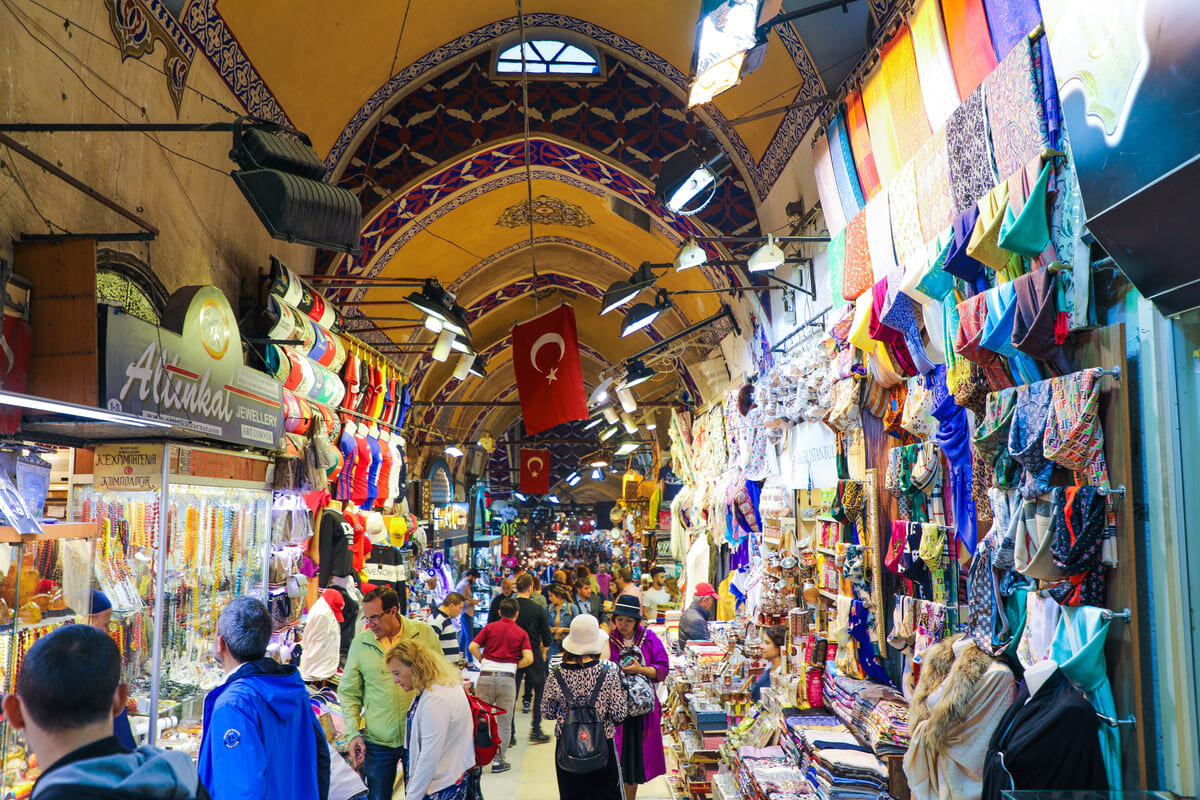
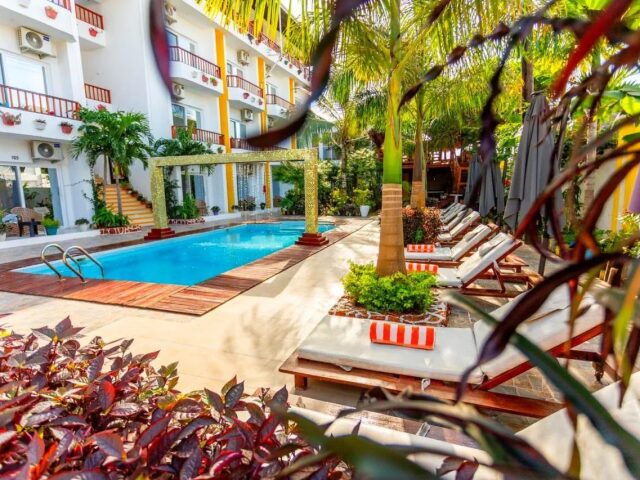
Turkey is one of the most comfortable destinations for a first solo trip: polished hotel infrastructure, staff used to solo guests, and hammams where your whole body relaxes after a long day. Nothing needs planning on your own — just arrive and let it carry you. But Turkey is far more than a sun lounger and a buffet: you can dip your feet into the limestone terraces of Pamukkale, rise in a hot air balloon over Cappadocia at dawn, or spend a few days in Istanbul taking in the Hagia Sophia, the Blue Mosque and the Grand Bazaar. One day in the hotel spa, the next on an optional excursion — no rush, no pressure, exactly as you like it.
| Period | Air temp. | Sea temp. | Sun/day |
|---|---|---|---|
| May | +21–24°C | +19–21°C | 9–10 hrs |
| July | +28–32°C | +25–26°C | 13–14 hrs |
| September | +25–28°C | +24–25°C | 10–11 hrs |
Flight from Poland: 2 hrs 40 min — 3 hrs (direct from Warsaw, Kraków, Katowice)
Solo supplement: one of the lowest among All Inclusive destinations — heavy competition between hotels tends to favour better deals for solo guests
Best season: May–June and September (comfortable temperatures); July–August (peak season, busier hotels)
 Who it suits
A great choice for anyone who wants to combine resort relaxation with active sightseeing without planning the logistics themselves. Optional excursions (Cappadocia, Pamukkale, Istanbul) are a natural opportunity for conversation with other participants.
Greece
"A genuinely holiday-like setting, unhurried and free of distractions"
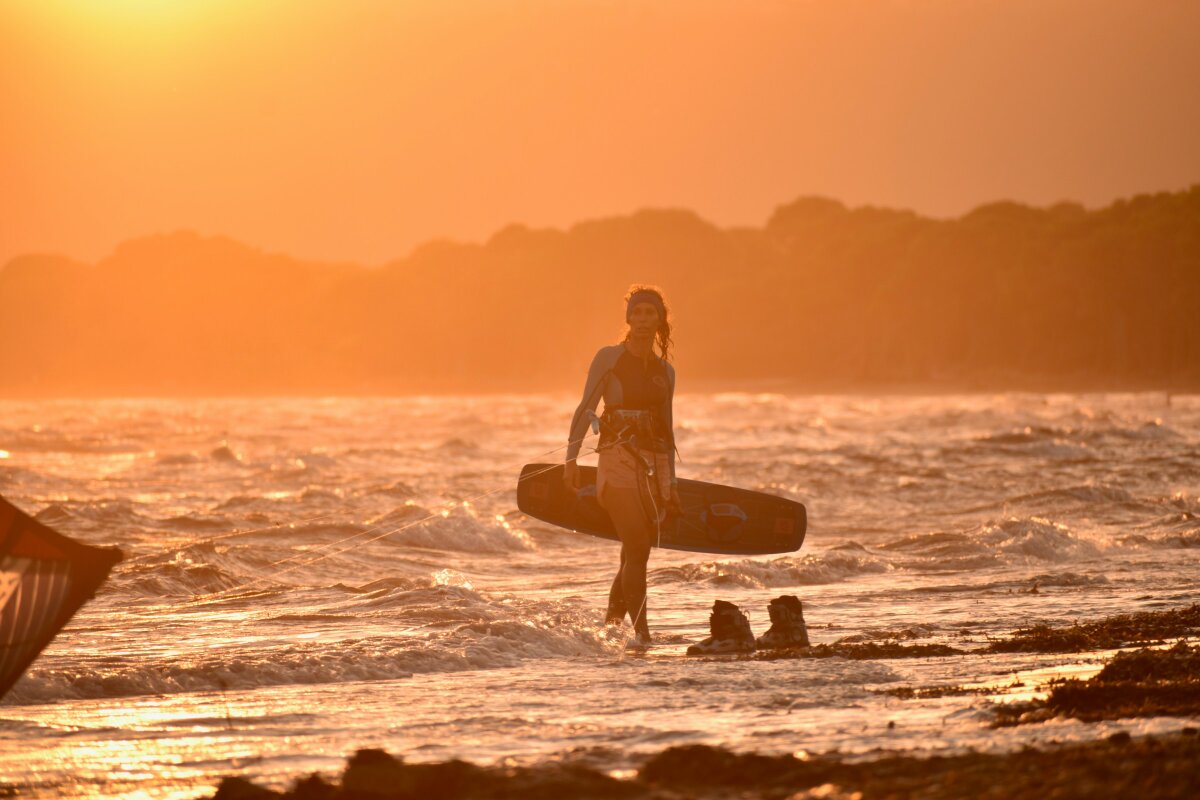
Bright beaches, calm water and plenty of sun — swimming in Greece is a pleasure in its own right, and easy access into the water suits even less confident swimmers. After a day on the beach you can sit down at a taverna and order something simple: a Greek salad with feta, roasted fish, a slice of bread with olive oil — no rush, with a view over the bay. Greece is a classic southern country where everything moves slowly and nobody's in a hurry to move you along. The atmosphere here can't be replicated: warm air, an afternoon hush, an evening with a glass of local wine.
| Period | Air temp. | Sea temp. | Sun/day |
|---|---|---|---|
| May | +20–23°C | +19–21°C | 10 hrs |
| July | +27–30°C | +24–26°C | 13–14 hrs |
| September | +24–27°C | +23–25°C | 10–11 hrs |
Flight from Poland: 2 hrs 40 min — 3 hrs 30 min depending on the island (direct from most Polish cities)
Solo supplement: smaller, family-run hotels on the islands sometimes negotiate a lower supplement than large chain resorts
Best season: May–June and September; July–August is peak season with the highest prices
 Who it suits
For those who value an unhurried pace and want to eat alone without feeling awkward about it — taverna culture in Greece is naturally welcoming to solo diners, unlike many other tourist destinations.
Canary Islands
"Reliable weather no matter the time of year"
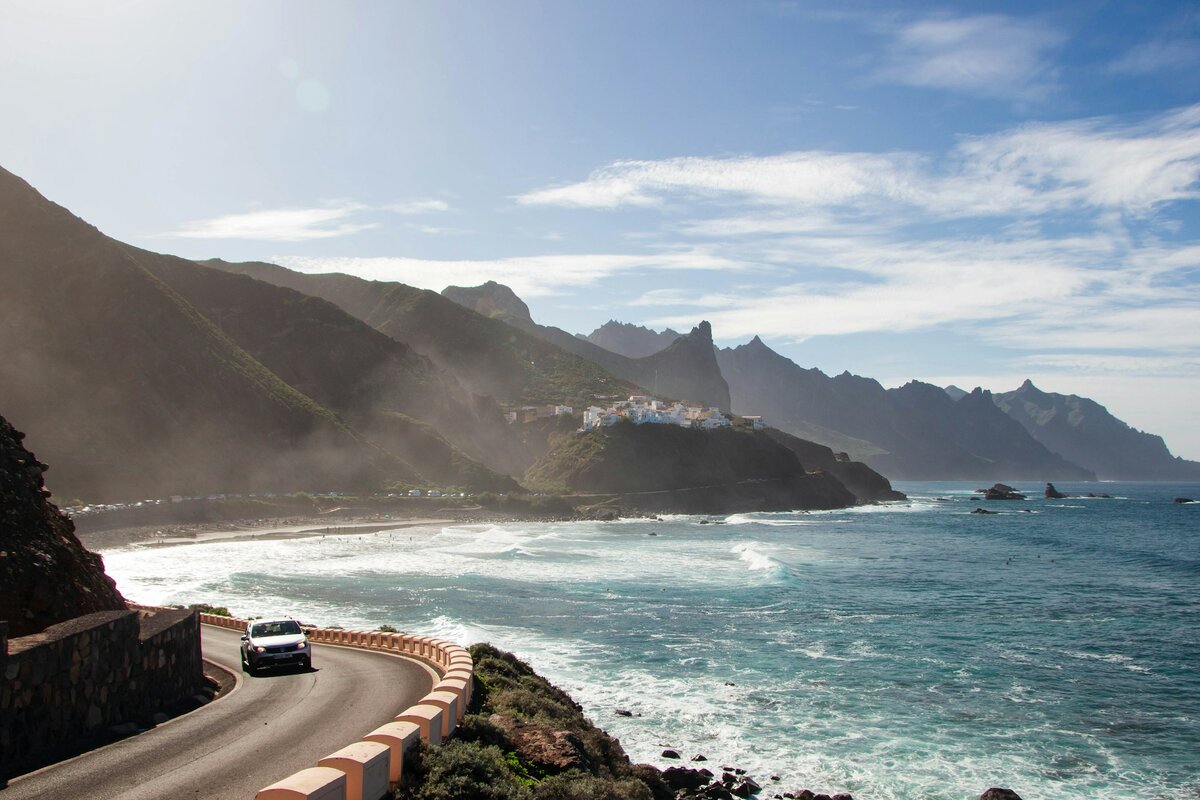
If you're after somewhere with genuinely good weather year-round, the Canary Islands are a direct hit — the only destination on this list you can visit in any month without checking seasonality first. Fuerteventura is famous for its long beaches (Sotavento, Cofete) and windy conditions that suit water sports — its many kitesurfing and windsurfing schools are a natural way to meet other solo travellers under an instructor's guidance. On Tenerife, a day can start with a swim, move on to the mountains, or pause for coffee in a charming small town. Gran Canaria is the most varied of the three — you can stay on the coast or head into the interior with no plan and no pressure.
| Period | Air temp. | Sea temp. | Notes |
|---|---|---|---|
| January | +20–22°C | +19–20°C | Mild winter, a popular escape from the cold |
| July | +24–27°C | +21–22°C | Cooler than the mainland, still comfortable |
| Year-round | +20–27°C | +19–23°C | Minimal seasonal variation — the destination's key advantage |
Flight from Poland: around 4.5–5 hrs (direct seasonal charters or via Madrid)
Solo supplement: varies by island and hotel; Fuerteventura often has better prices than the more touristy Tenerife
Best season: year-round — this destination's main advantage over the others
 Who it suits
An ideal choice for active people who don't want to plan their holiday around a specific season, and for water sports enthusiasts — a windsurfing or kitesurfing course is one of the most natural ways to meet people on a solo trip.
Egypt
"Guaranteed winter sun at a reasonable price"
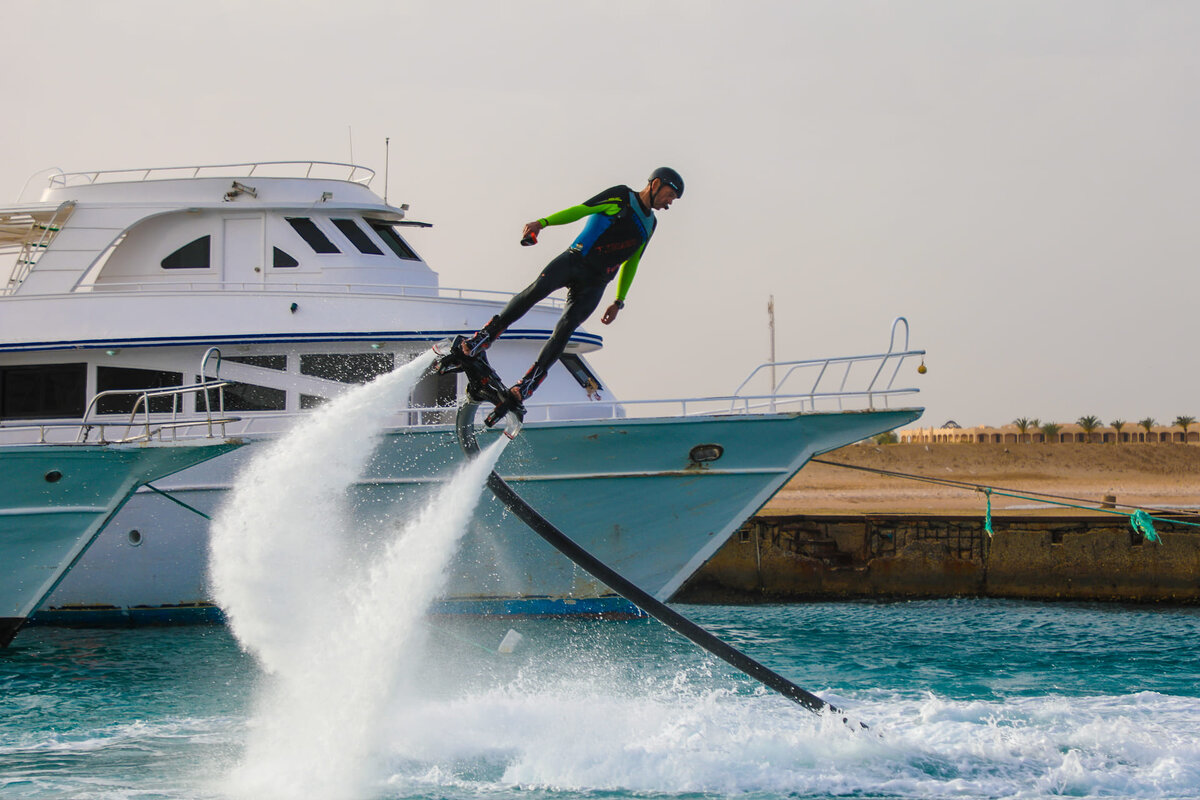
While Turkey and Greece have a clear season, Egypt operates almost year-round — one of the few All Inclusive destinations that works equally well in January and in July. Red Sea resorts (Hurghada, Sharm El Sheikh) offer some of the best-value All Inclusive packages in the region, making Egypt a natural choice for anyone budgeting a solo trip especially carefully. The Red Sea is also one of the best places in the world for diving and snorkelling — organised dive trips double as a great way to meet other solo travellers.
| Period | Air temp. | Sea temp. | Notes |
|---|---|---|---|
| January | +22–24°C | +21–22°C | A popular winter escape from the cold |
| July | +34–38°C | +27–28°C | Very hot during the day, a season for heat-lovers |
| October | +28–31°C | +26–27°C | Comfortable temperatures, cooler than summer |
Flight from Poland: around 5 hrs (direct from Warsaw and other major cities, seasonal charters)
Solo supplement: usually one of the lowest, percentage-wise, among All Inclusive destinations, thanks to a large supply of hotels
Best season: October–April (comfortable temperatures); July–August very hot but still popular
 Who it suits
The best choice for anyone looking for a budget-friendly All Inclusive with guaranteed sun, especially in winter, and for diving and snorkelling enthusiasts — organised reef trips are a natural opportunity to talk to other participants.
Portugal
"For those who prefer a city to a sun lounger — and want to feel safe"
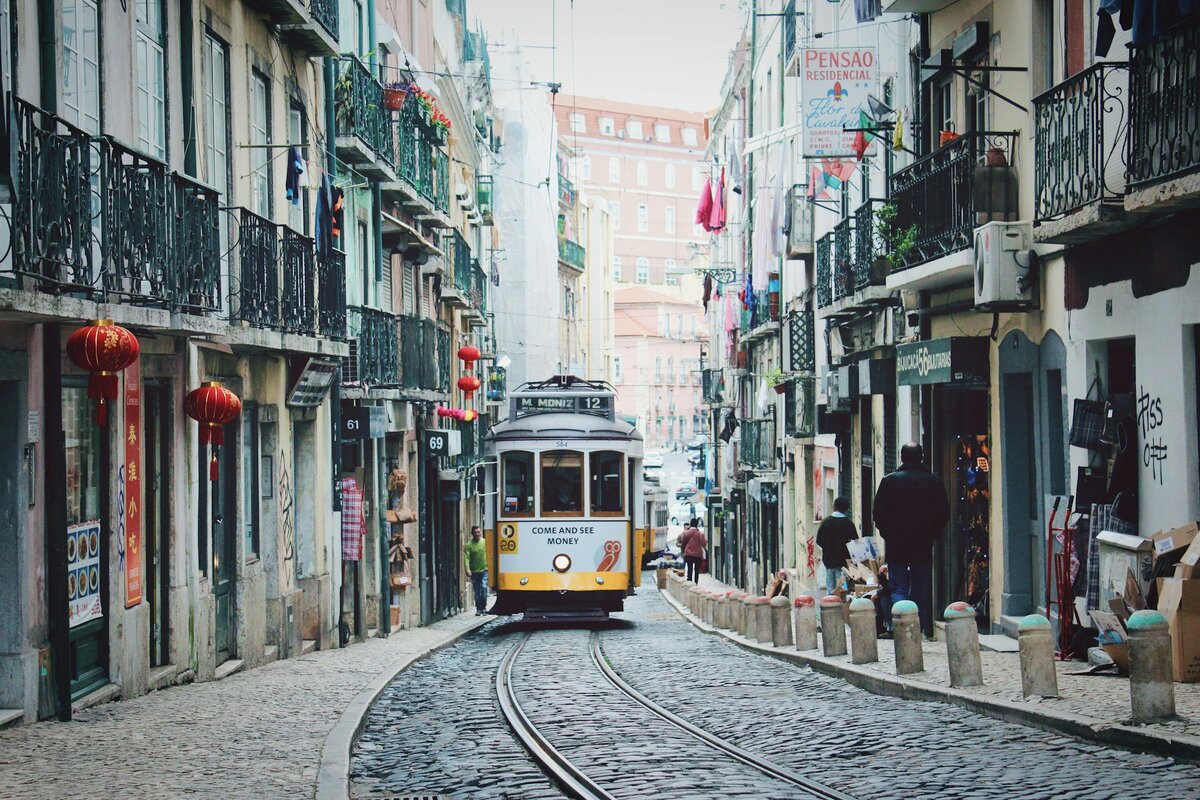
Every destination above is an All Inclusive resort built around switching off completely — Portugal is a completely different kind of solo trip, for people more curious about culture and city life than about the beach. Lisbon and Porto are among Europe's safest and most walkable capitals, with well-developed public transport and a culture of small shared plates (petiscos) that naturally encourages eating alone — nobody looks twice at someone sitting at the bar with a plate of snacks by themselves. Importantly for budgeting: in city hotels, a single room is usually its own price category rather than a percentage surcharge on a double, which makes calculating costs far simpler than at an All Inclusive resort.
| Period | Air temp. | Notes |
|---|---|---|
| April–May | +18–22°C | Comfortable temperatures for exploring cities on foot |
| July–August | +25–29°C | Warm, busier with tourists, longer days |
| September–October | +21–25°C | Mild autumn, fewer crowds than summer |
Flight from Poland: around 3.5–4 hrs (direct from Warsaw to Lisbon and Porto)
Solo supplement: minimal or none at city hotels — a single room is its own category, not a surcharge
Best season: April–June and September–October; July–August is hot and more crowded
Who it suits
An excellent choice for a first-ever solo trip, especially for those who value safety, walkable cities and culture over the beach. The Algarve, in the south of the country, offers a coastal version of the same experience — picturesque seaside towns rather than a large All Inclusive resort.
Cruises for solo travellers
Cruises are one of the most convenient ways to see several places in just a few days — Italian ports, Greek islands, Spanish cities — and wake up somewhere new each morning, without packing a suitcase or moving between hotels. For a solo traveller, this is especially practical: the logistics between destinations are handled for you, and the only decision you make each day is how much you feel like doing.
Meeting people on board is easy — at shared meals around large tables, on shore excursions, or in the entertainment areas — but it's just as easy to keep your own space when you feel like it. It's a good option if you enjoy being around people without necessarily wanting company all the time. Some cruise lines offer dedicated solo cabins with no supplement or a minimal one — it's worth checking this option at the stage of choosing your cruise, since it significantly changes the final cost of the trip.
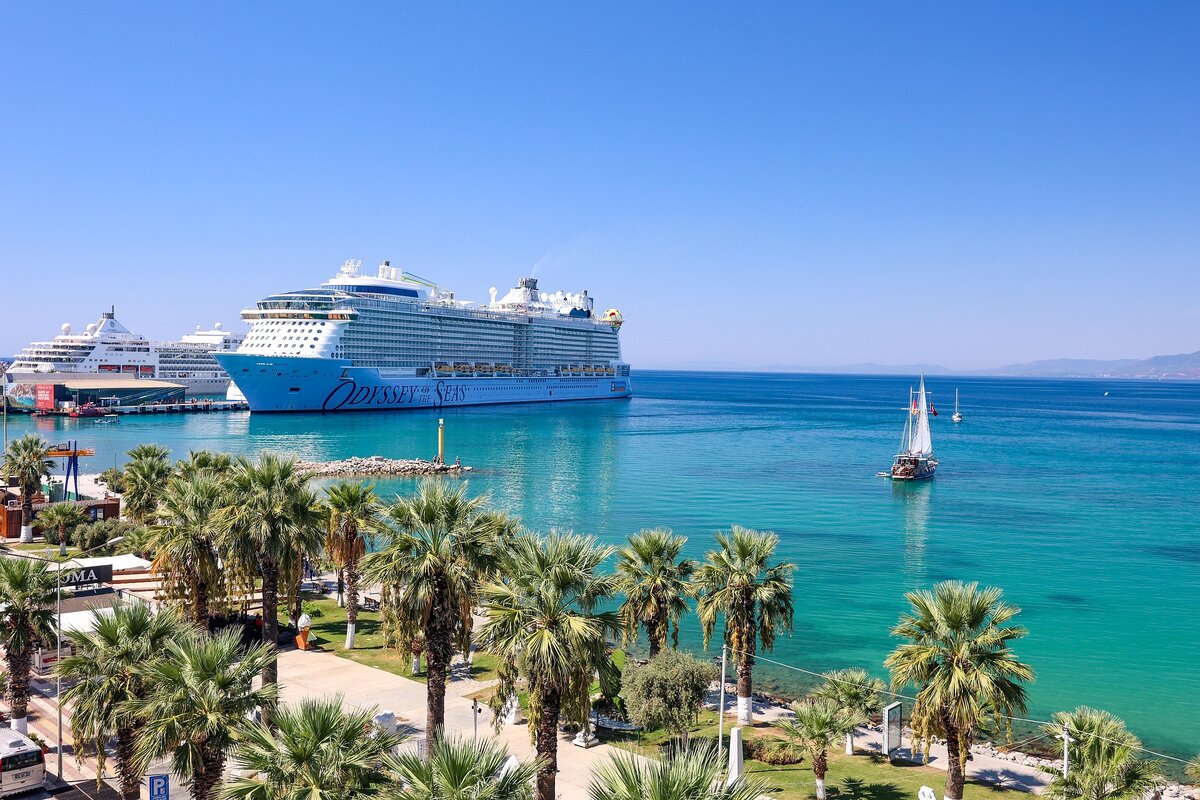 Time on board can be spent very differently: the gym, concerts, entertainment, sports activities, the spa, a sun lounger with a book, or coffee with a sea view. There's room for both activity and rest — cruises work especially well for solo travellers who want to see something, experience something and simply have a good time, without having to plan each day from scratch.
Guided tours for solo travellers
Instead of focusing on one place, a guided coach tour lets you see several cities, or even several countries, in a single trip. Something new is waiting every day, without the chaos of planning the route yourself. In a single week you'll see the major landmarks and cities, while picking up interesting stories and legends about the places you visit along the way.
During sightseeing you can listen to the guide, ask about interesting details, and talk to other participants. A shared itinerary naturally invites conversation — about what you've just seen, what stood out, what surprised you. And even though some people are travelling alone, many moments on a trip like this become a shared experience without any effort on your part. It's a good option if you want to be on the move but don't want to do it all yourself — you get room for your own pace, but also the chance to be around people whenever you feel like it.
It's also worth checking whether a specific tour offers same-sex roommate matching — one of the most effective ways to cut the cost of a solo trip, described in the single supplement section above. Trips like this work well both for closer destinations — Italy, Spain, France — and for more distant ones like Japan, Sri Lanka or India, where a different culture, customs and flavours make for a completely different, more intense experience.
Checklist before your first solo trip
- Get travel insurance with an assistance package and medical evacuation cover — this is your first line of support in an emergency.
- Leave your full itinerary with someone close to you: hotel address, flight numbers, a rough day-by-day schedule.
- Copy or scan important documents and store them separately from the originals — in the cloud or by email.
- Download offline maps and a translation app in case of internet problems on the trip.
- Set up a quick check-in schedule with someone at home — a daily message takes a minute.
- Look up in advance how the culture of dining alone works at your destination — in some places it's completely normal, in others it's worth choosing specific types of venues.
- Bring a portable charger so your phone never dies at a key moment.
- Check the single supplement before booking, not after — this avoids an unpleasant surprise at the payment stage.
Common mistakes when planning a solo holiday:
- Booking without checking the single supplement first. This is the most common cause of an unpleasant surprise when finalising a booking — check this line item straight away, not at the end of the process.
- Choosing a secluded resort on the assumption that "quiet means relaxing," without checking whether the place is simply empty and unsafe in the evening. It's worth reading reviews specifically for lighting, staff availability at night, and a general sense of safety.
- Not telling anyone your travel plans. This is the simplest, free safety step, and yet it's overlooked by a surprising number of solo travellers.
- Overloading the itinerary with activities to avoid "being alone." Paradoxically, this leads to burnout faster than a group trip would — it's worth leaving real space in the plan for doing nothing.
- Skipping insurance because "a solo trip is simple." This is exactly backwards — insurance matters more on a solo trip than in a group, precisely because there's no one else there to react on your behalf.
- Choosing peak season at a destination geared toward couples and families. In August at a family-oriented All Inclusive resort, it's harder to connect with other solo travellers than in May or September — the season matters not just for price, but for company too.
Frequently asked questions about solo travel
Is it safe for women to travel alone?
Yes, provided you follow the basic precautions described in the safety section above. It's worth choosing destinations with well-developed tourist infrastructure and a strong safety record — Portugal, the Canary Islands, and popular Turkish and Greek resorts are all especially good for this, particularly for a first trip. 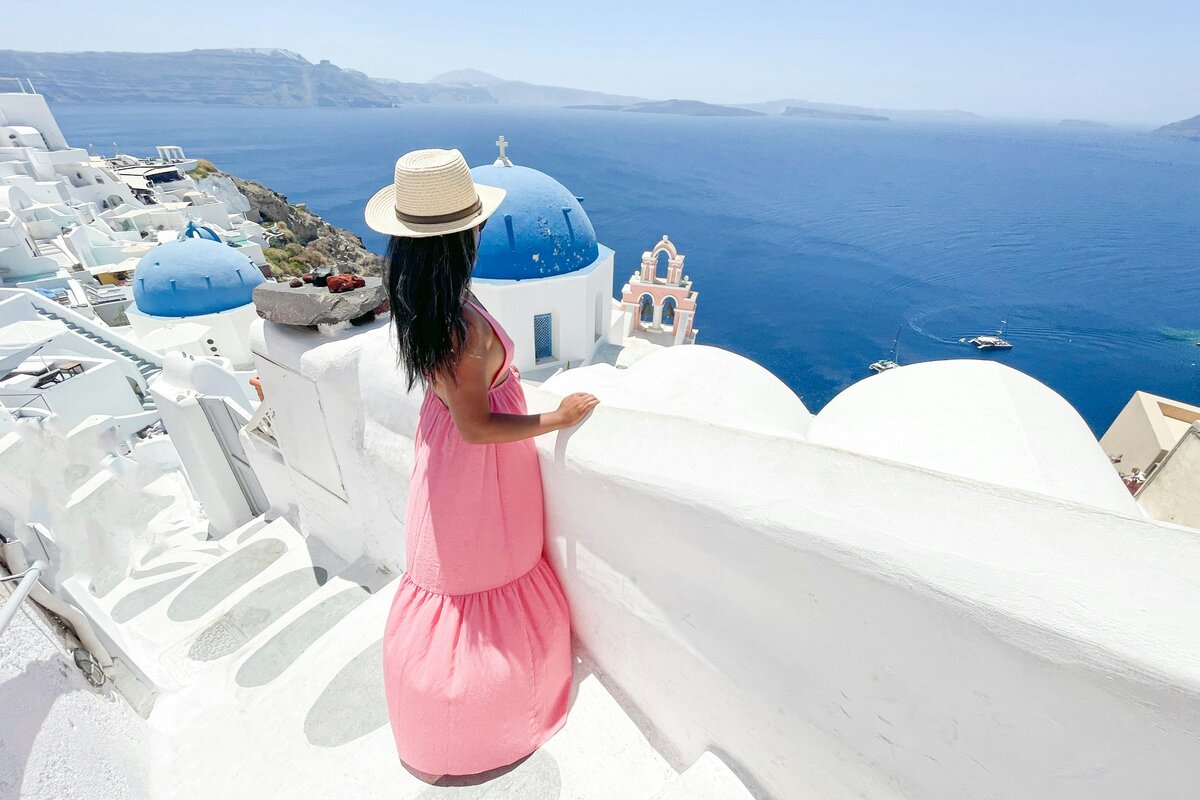
How much more expensive is a solo holiday compared to travelling as a couple?
It depends on the destination and type of accommodation, but the main extra cost is the single supplement — anywhere from 30% to 100% of the per-person double-occupancy rate. Choosing a cruise with a solo cabin, a guided tour with roommate matching, or a city hotel instead of an All Inclusive resort significantly narrows that gap.
How can I avoid the single supplement?
A few proven approaches: booking outside peak season, choosing a cruise with a dedicated solo cabin, a guided tour with same-sex roommate matching, trips explicitly marketed "for solo travellers" with the supplement built into the price, and city hotels where a single room is its own price category rather than a percentage surcharge.
Which destination should I choose if I want to meet other solo travellers?
Cruises and guided tours offer a natural, low-pressure way to connect with other solo travellers through shared meals, excursions and a daily programme. Among resort-style destinations, group activities — windsurfing courses on Fuerteventura, optional excursions in Turkey, diving in Egypt — also encourage new connections.
Is it worth joining a tour aimed at solo travellers, or is it better to travel completely independently?
It depends on your experience and expectations. Tours and cruises for solo travellers handle most of the logistics and naturally make it easier to meet people — a good choice for a first solo trip. Travelling entirely independently offers more freedom and flexibility, but requires more planning on your own and more confidence handling new situations.
How do I spend evenings on a solo holiday without feeling lonely?
Choose venues with shared tables or bar seating, where dining alone is the norm — taverna culture in Greece or petiscos in Portugal are great for this. At hotels with an entertainment programme, it's worth joining the evening group activities, and on cruises, the onboard social scene, which is specifically designed to make meeting people easy.
Are All Inclusive hotels suitable for a solo holiday?
Yes, especially ones with an extensive entertainment programme that naturally brings guests together in one place at set times of day. It's worth checking the single supplement before booking, though — at All Inclusive resorts it tends to be higher than at city hotels.
Which destination is safest for a first solo trip?
Portugal consistently ranks highly in European safety indexes and offers well-developed tourist infrastructure, making it a natural choice for a first trip travelling alone. The Canary Islands and popular Turkish and Greek resorts are also proven, safe options with well-established tourist services.
Conclusion
A solo holiday isn't a compromise — it's a different kind of trip altogether
Travelling alone doesn't have to mean loneliness or overpaying for a room. You just need to know where to look: cruises with solo cabins and guided tours with roommate matching remove most of the extra costs, and destinations like Turkey, Greece and Portugal offer a natural, low-pressure way to connect with others — without giving up your own pace or your own decisions.
Final tip:
Before you book your first solo trip, check the single supplement and leave someone close to you a full copy of your itinerary — these two simple steps resolve most of the real problems people talk about when planning a holiday alone. Everything else is just a matter of choosing the destination that matches what you actually need right now: total switch-off, activity, or new connections.

 Holidays


 Last minute


 Hotels


 Blog
Blog