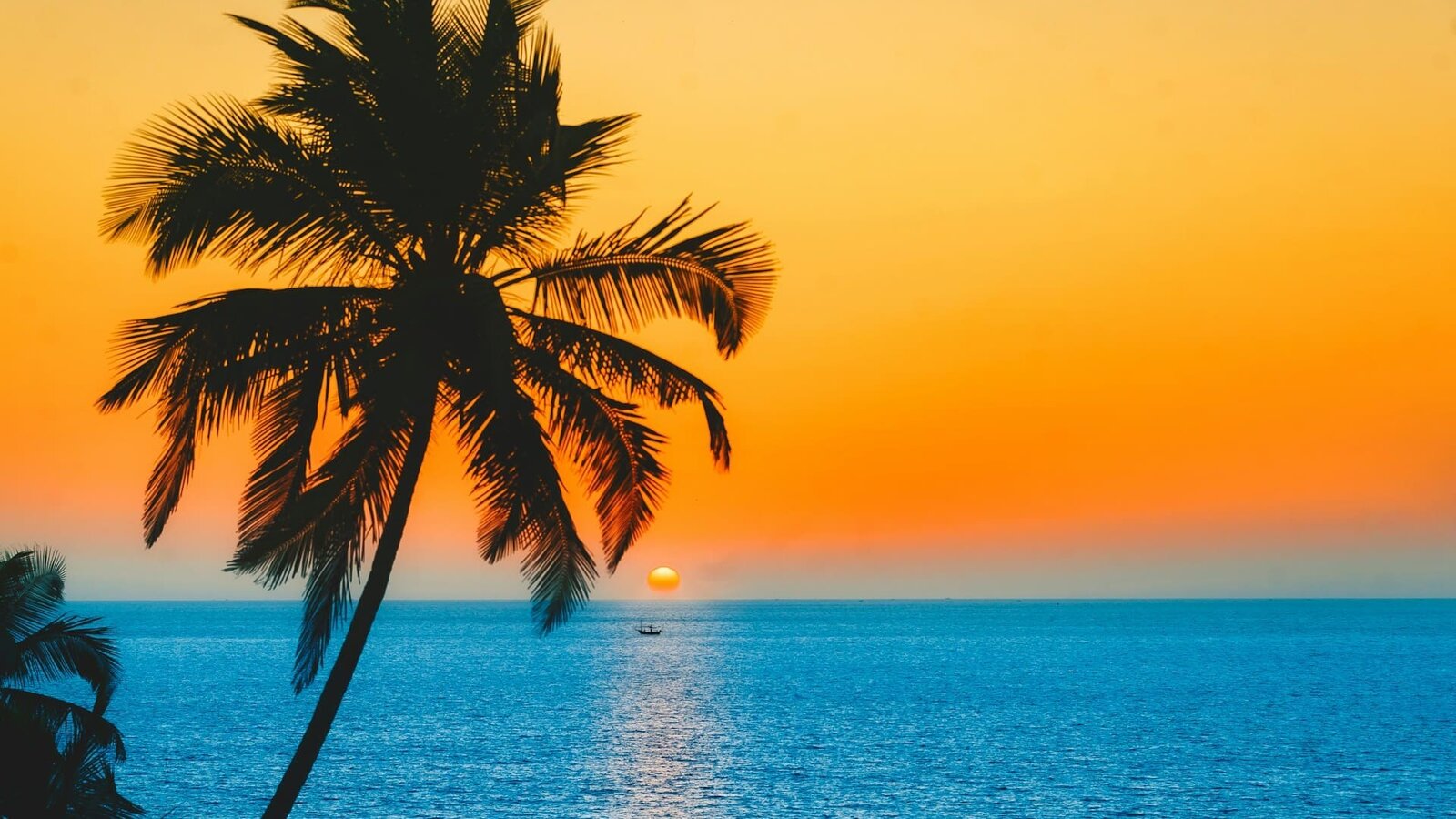
What separates near warmth from far warmth in January is the sea, not the air. Off Tenerife the Atlantic sits at +19–20°C, the Red Sea at Hurghada reaches +22–23°C, the Gulf around Dubai roughly +22°C. Water at +27–29°C, the kind you stay in as long as you like, starts about eight hours' flying from Warsaw. Air readings mislead: +24 in a forecast app looks as tempting as +31.
Below are ten destinations where January water sits between +25 and +29°C, and three nearer ones that deliver sunshine but not swimming. Each entry gives water and air temperatures, flight time from Warsaw, an indicative price for a week for two and the traveller who should skip it. At the end: a table with everything side by side and the entry formalities, several of them new this season.
- Warm sea without a huge budget → Thailand, Sri Lanka and Goa
- Diving and snorkelling → Maldives, Zanzibar
- Honeymoons and quiet → Maldives and Seychelles, Mauritius
- Beach plus sightseeing in one trip → Sri Lanka, Mexico
- Caribbean all inclusive → Dominican Republic, Cuba, Mexico
- Safari next door to the beach → Zanzibar
- Short flight, sunshine instead of swimming → Canaries, Egypt, UAE
- All the numbers together → Comparison
- What to arrange before you fly → Paperwork and fees
The swimming threshold: +19 degrees and +28 make different holidays
Air temperature decides whether the sunlounger is pleasant. Water decides whether you get in the sea at all.
There is no formal line, but most people report the same thing. At +27–29°C you walk straight in and come out when you choose to. At +25–26°C the first few seconds are cool and the rest is fine. At +22–23°C a swim lasts a quarter of an hour. Below +21°C it turns into a dip rather than a swim, which is where the Canaries sit in winter.
| Region | Sea | Daytime air | Flight from Warsaw |
|---|---|---|---|
| Canary Islands | +19–20°C | +20–22°C | 5 hrs 30 min |
| Egypt, Red Sea | +22–23°C | +21–23°C | 4 hrs 30 min |
| UAE | +21–22°C | +24–25°C | 6 hrs |
| Caribbean | +25–27°C | +26–29°C | 11–12 hrs |
| Indian Ocean and Asia | +27–29°C | +29–33°C | 8–12 hrs |
The second figure is time in the air, and that is where the 2026/27 season has changed things. Zanzibar now has a Neos Dreamliner from Warsaw once a week from January 2027: a little over eight hours, against as much as thirteen on the old routing with a refuelling stop in Hurghada. Dreamliners serve Thailand four times a week, and direct charters cover the Maldives, Sri Lanka and the Dominican Republic too. Goa, Mauritius and the Seychelles still involve a connection.
Thailand: peak dry season and no connection
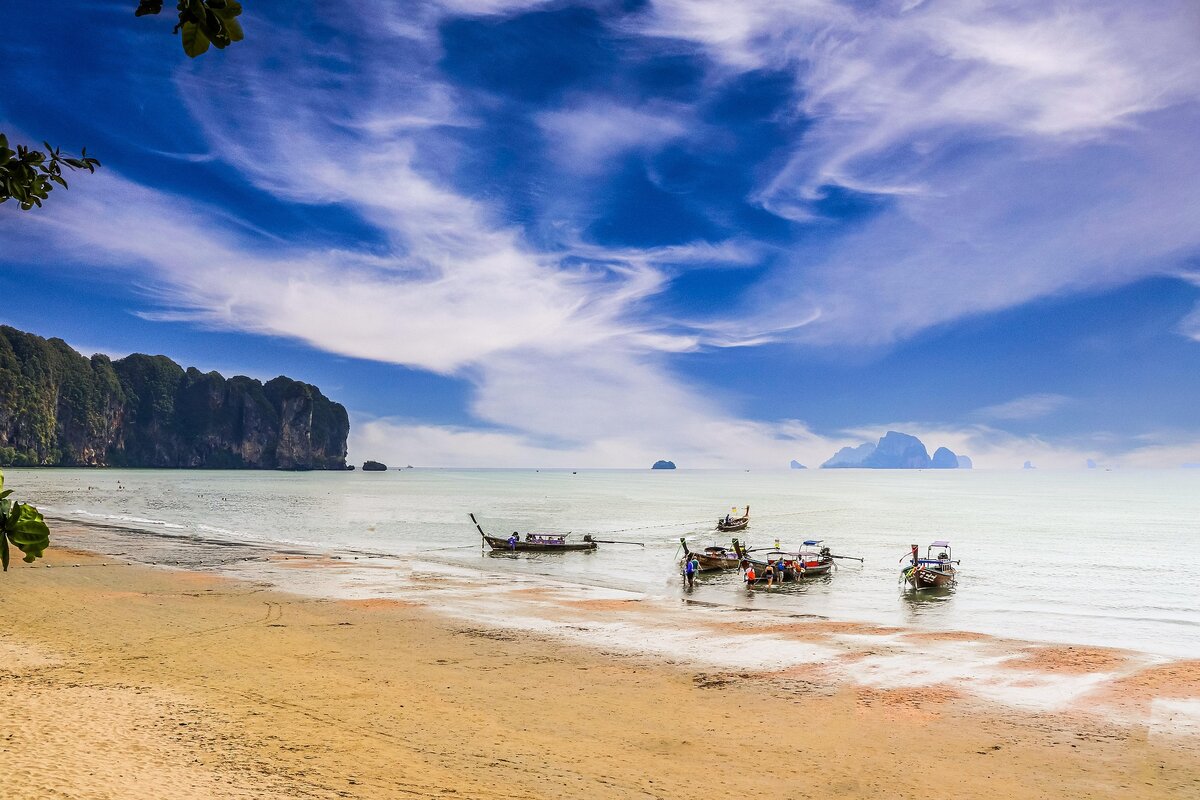
January falls in the middle of the high season on the Andaman coast: Phuket, Krabi, Khao Lak, Koh Lanta. The sea holds +28–29°C, the air +31–33°C, and rain is unusual. Alongside the beach comes what a purely hotel-based destination lacks: temples, markets, food, a massage costing a few dozen PLN, boat trips to the islands. Prices stay moderate by tropical standards.
Sea and air: +28–29°C and +31–33°C on the Andaman coast
Flight from Warsaw: about 11 hours, direct, by Dreamliner
7 nights for two: 7,000–15,000 PLN, depending on hotel and dates
Paperwork: no visa needed, but the TDAC digital arrival card is compulsory
Who is it for
A sound choice for a first long-haul trip and anyone who wants hot water without spending the whole budget on the hotel. Thailand forgives planning mistakes: transport costs little, food is everywhere, changing hotel mid-trip is easy. Not worth it if your January dates point to Koh Samui, which lies on the Gulf of Thailand side, where the tail of the wet season runs into early January. Reliable sunshine in those weeks comes from the Andaman side only.
What to do
- Book a trip to the Similan Islands, open to divers and snorkellers only from mid-October to mid-May, with January inside that window
- Choose Khao Lak over Patong if a wide beach and a quiet evening matter more than nightlife
- Set aside a day for Railay, reached by boat because no road goes there
Sri Lanka and Goa: tropical water at the lowest prices here
Both sit at +28°C and cost less than anything else here — provided you pick the right coast.
Sri Lanka
The season on the south-west coast runs from December to April: Bentota, Hikkaduwa, Unawatuna, Mirissa. Water reaches +28°C and air +30–31°C, and a week on the beach expands into tea plantations, temples, leopard safaris at Yala and the hill train to Ella. A driver with a car for a full day costs less than one excursion in Egypt.
Who is it for
Suited to anyone who runs out of patience with a sunlounger by day three, and to families who want to show children elephants without flying to Africa. Not worth it if a cheap hotel on the east coast has caught your eye, around Trincomalee or Pasikuda: January is out of season there, with swell and rain.
Goa
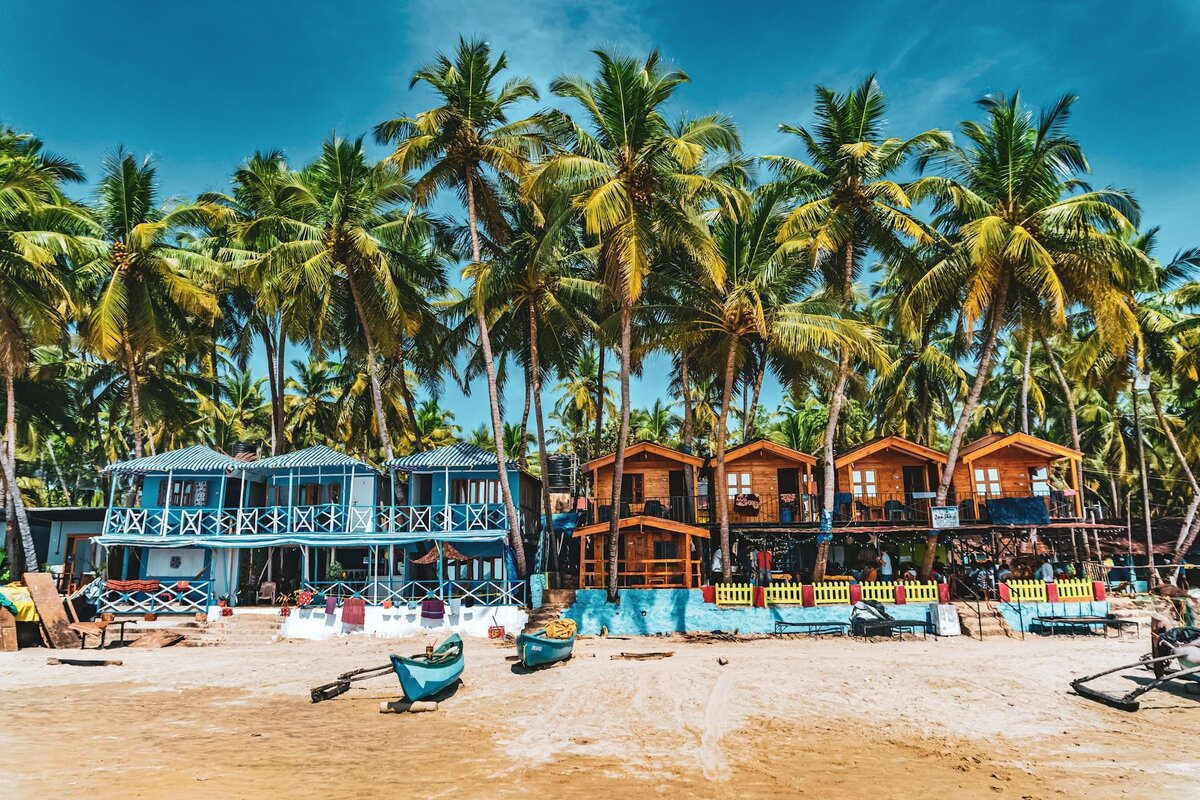
January is the height of the dry season in Goa: Arabian Sea at +28°C, air at +31–32°C, almost no rainfall. The north, around Candolim and Calangute, is loud and cheap; the south, around Palolem and Agonda, is calmer and better looking. The least expensive way into genuine tropics.
Who is it for
Right for travellers who value character and accept that not everything runs to plan. Not worth it for anyone expecting consistent hotel standards or spotless sand: in Goa both shift from one kilometre to the next.
Sri Lanka: sea +28°C, about 10 hours direct, 7 nights for two 6,000–13,000 PLN
Goa: sea +28°C, 9–10 hours with a connection, 7 nights for two 6,000–13,000 PLN
Paperwork: Sri Lanka needs an ETA, India an e-visa arranged before departure
In season in January: south-west Sri Lanka, all of Goa
Maldives and Seychelles: two postcards, two different forecasts
The photographs look alike, yet January brings one peak dry season and the other a wet monsoon.
Maldives
This is the most predictable month of the year here: ocean at +28°C, air at +30–31°C, little swell and the visibility divers come for. A day amounts to choosing between the reef and a hammock. That reliability comes at the highest rates of the year, since January coincides with school holidays across half of Europe.
Who is it for
Couples, honeymooners and anyone who dives; the seaplane transfer across the atolls counts as an outing in itself. Not worth it for travellers who need a change of scene, since a resort island runs out after a twenty-minute walk. The alternative is a guesthouse on a local island, where local rules apply and no alcohol is served.
Seychelles
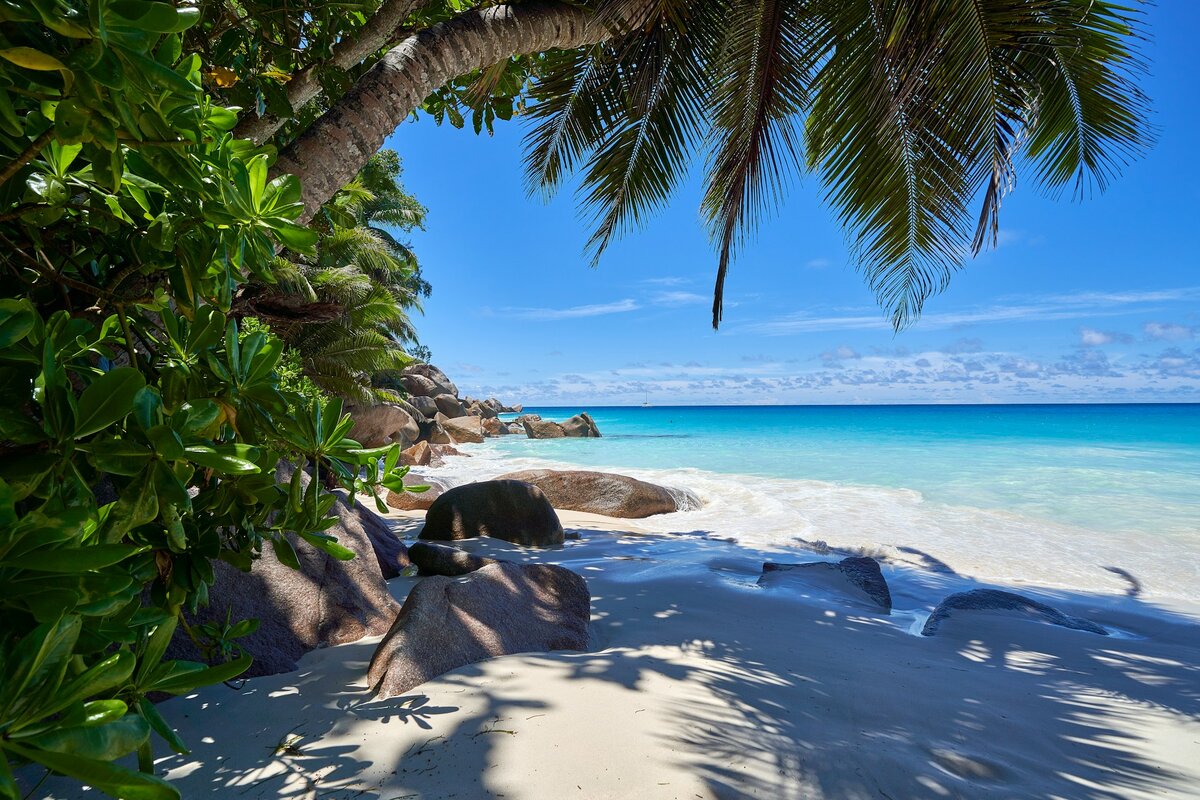
Granite boulders, turquoise shallows and Anse Source d'Argent on La Digue, the beach from every brochure cover. The ocean reads +28–29°C and the air about +30°C. The catch is the north-west monsoon: high humidity, short downpours and seaweed carried onto some beaches by the current.
Who is it for
Worth it if these beaches are the reason for the trip and you accept whatever weather turns up; a ferry links Mahé, Praslin and La Digue. Not worth it for anyone building their one holiday of the year around photographs: the risk of rain is real and prices still match the Maldives.
Maldives: sea +28°C, about 9.5 hours with direct charters available, 7 nights for two 9,000–20,000 PLN
Seychelles: sea +28–29°C, about 11 hours with a connection, 7 nights for two 9,000–19,000 PLN
January weather: Maldives at peak dry season, Seychelles in the wet monsoon
Paperwork: Maldives needs the free IMUGA declaration, Seychelles a paid Travel Authorisation
Zanzibar and Mauritius: the Indian Ocean from the African side
January gives Zanzibar a short dry gap between two rainy seasons, and Mauritius the middle of its wet season.
Zanzibar
Air at +31–32°C, ocean at +28–29°C, white sand and the smell of cloves in Stone Town. January lands between the two rainy periods, so it runs hot and mostly dry. The Serengeti and the Ngorongoro Crater lie on the mainland, so a beach week extends into a three-day safari on the same ticket. This season adds an argument that did not exist before: the direct Dreamliner cuts the journey to a little over eight hours.
Who is it for
Good for anyone combining a beach with a proper expedition, and for snorkellers: the reef off Mnemba ranks among the best in the region. Not worth it on the east coast if you want to swim whenever you feel like it: the tide goes out twice a day and exposes hundreds of metres of seabed. To swim regardless of the tide, pick the north, Nungwi and Kendwa.
Mauritius
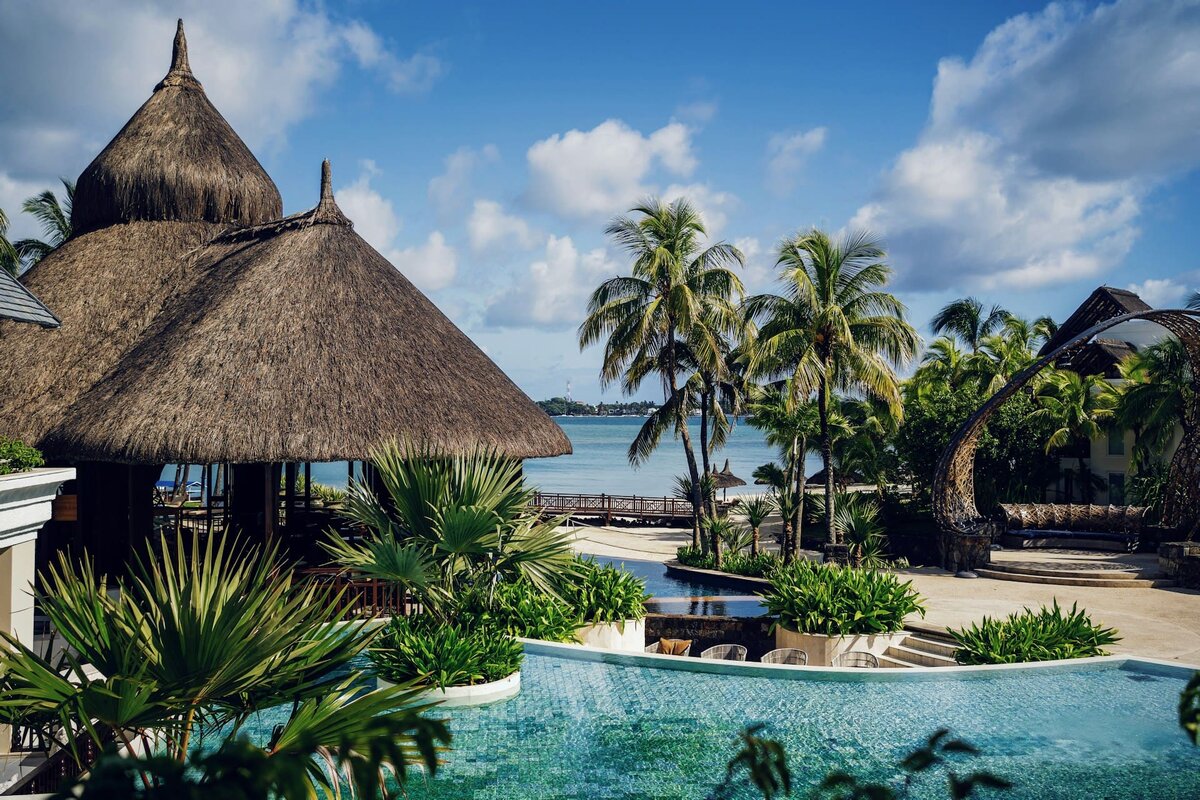
The island has far more variety than the Maldives: beyond the lagoons there are mountains, waterfalls, botanical gardens and a mix of cultures that shows up in the food. Water sits at +27–28°C, air at +29–30°C, and hotel standards run high. The caveat applies to January exactly: this is the middle of the southern-hemisphere wet season, and cyclones form here between January and March. Downpours are usually brief, but poor weather is likelier than in May or October.
Who is it for
Right for couples who care about service and anyone wanting a lagoon with somewhere to drive to nearby. Not worth it for travellers who cannot cope with several wet days in a row, or who fly long-haul once every few years: the most dependable weather window here falls elsewhere in the calendar.
Zanzibar: sea +28–29°C, about 8 hours direct, 7 nights for two 6,500–14,000 PLN
Mauritius: sea +27–28°C, about 12 hours with a connection, 7 nights for two 9,000–20,000 PLN
Extra cost in Zanzibar: compulsory government insurance, 44 USD per adult
January weather: Zanzibar in a dry gap, Mauritius in rain and cyclone season
The Caribbean: Dominican Republic, Cuba and Mexico
Hurricane season ended in November, so January brings the steadiest weather here - at the cost of the longest journey.
Dominican Republic
Ocean at +27°C, air at +29°C, peak dry season and tens of kilometres of sand around Punta Cana. Nothing asks much of you: you land at an all-inclusive resort and spend a week making no decision harder than which restaurant to book. Flights from Warsaw run direct.
Who is it for
Made for families and anyone who wants to switch off the phone along with the planning. Humpback whales gather in Samaná Bay from 15 January until late March, and the boat trip out to them is one of the few reasons to leave the resort. Not worth it as a seven-night trip: with eleven hours of flying and five hours of time difference, the first two days go on adjusting.
Cuba
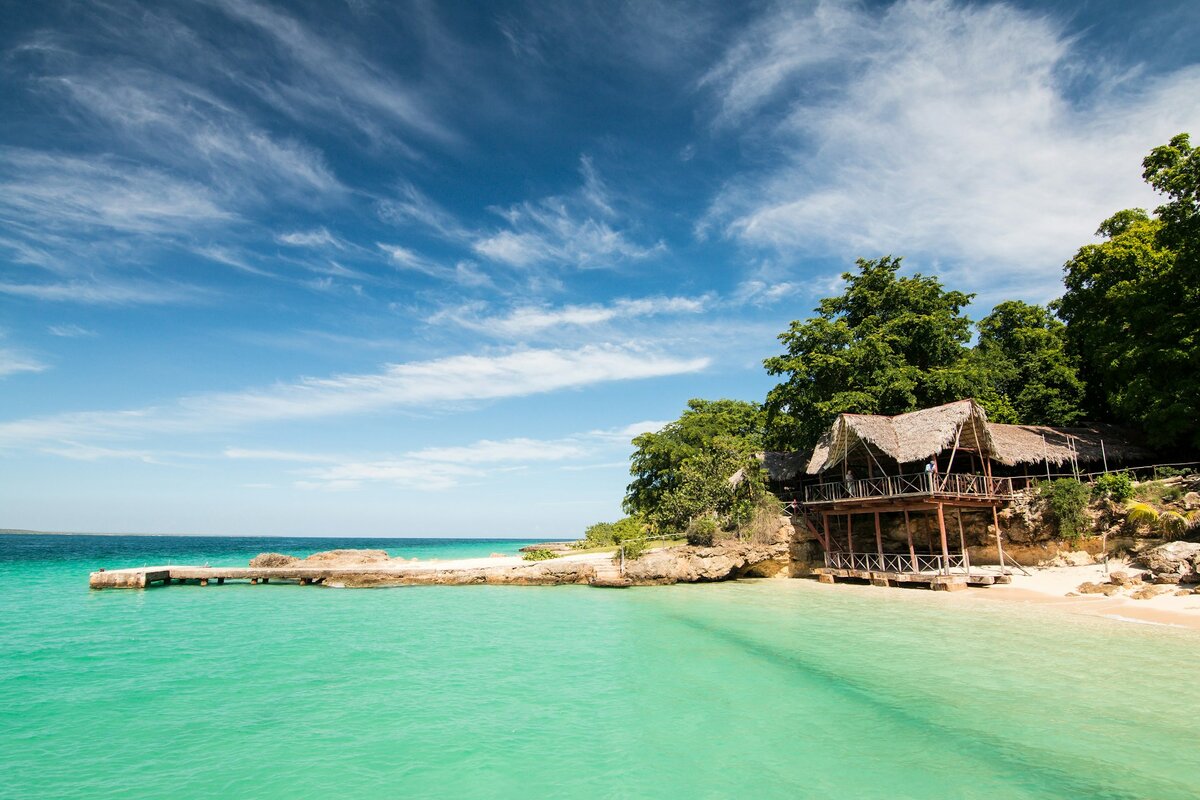
Varadero sits at +25–26°C in the water and +26–28°C in the air, and the season is dry. Cuba trades on what its neighbours cannot offer: Old Havana, cars from the fifties, music in the street. Hotel standards and supplies are plainer than next door.
Who is it for
Suits travellers who rate atmosphere above the buffet and anyone pairing Havana with a beach. Carry euros in cash: cards issued by American banks do not work in Cuba, and card payment in general remains a gamble. Not worth it for anyone used to five-star service and constant connectivity.
Mexico
The Riviera Maya - Cancún, Playa del Carmen, Tulum - offers the Caribbean at +26–27°C, air at +28°C and the fullest programme of the three: pyramids at Chichén Itzá and Tulum, cenotes to swim in, colonial towns inland. January carries one more advantage that rarely comes up at booking: it is the month with minimal sargassum, the brown seaweed that shuts beaches for days between May and August.
Who is it for
Works for couples and families with teenagers who want a beach and an itinerary rather than a sunlounger alone. Not worth it with small children: twelve hours of flying and seven hours of time difference make the hardest combination in this list.
Dominican Republic: sea +27°C, about 11 hours direct, 7 nights for two 7,000–16,000 PLN
Cuba: sea +25–26°C, 11–12 hours, 7 nights for two 7,000–15,000 PLN
Mexico: sea +26–27°C, about 12 hours, 7 nights for two 7,500–16,000 PLN
Recommended length: 10–14 days, since a week loses half the trip to travel and time zones
Warm but not swimmable: the Canaries, Egypt and the UAE
If ten hours on a plane is out of the question, the nearer options remain. What they buy is sunshine, a long day and T-shirt temperatures, but not a week in the water.
Canary Islands
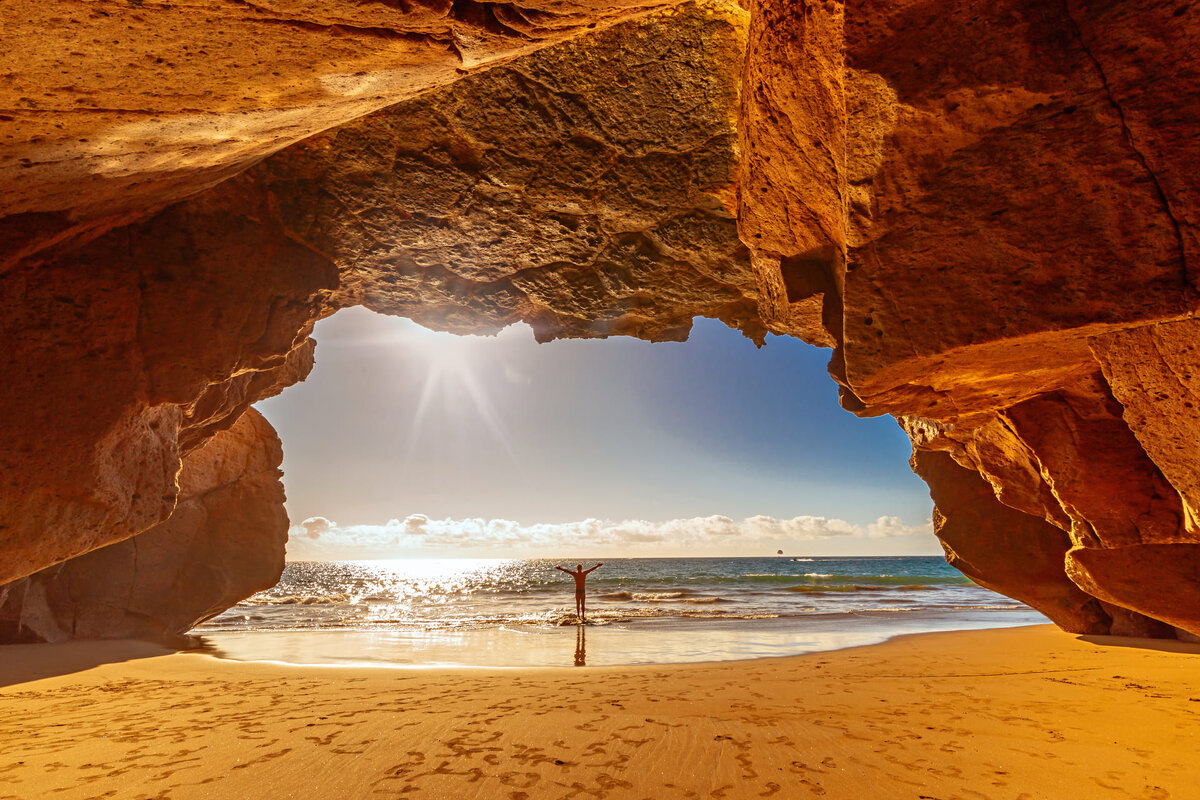
Daytime air of +20–22°C, ocean of +19–20°C, eleven hours of daylight and a flight under six hours. The south of Tenerife and Gran Canaria gets noticeably more sun than the north. Away from the beach January works well: Teide, hiking trails, whale watching, a circuit of the island by car.
Who is it for
Well suited to active travellers, anyone escaping damp winters and holidays that must fit a short flight. Not worth it if a holiday means swimming every day: the Atlantic reads 19°C, the wind adds to it, and what is left is the hotel pool.
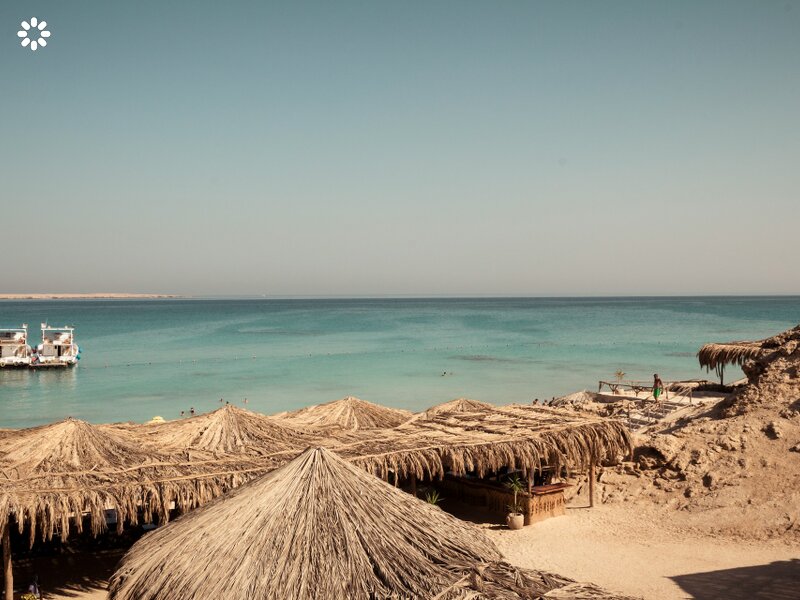
Egypt
The Red Sea at +22–23°C, daytime air at +21–23°C, under five hours of flying and the lowest prices among reef destinations. Sharm el-Sheikh runs marginally warmer than Hurghada, and evenings turn cool enough for a fleece.
Who is it for
Built for divers, families after inexpensive sun and trips shorter than a week. Check whether the hotel heats its pool — in winter that decides whether you swim at all. Not worth it for anyone remembering the Red Sea in August: +22°C means a quarter of an hour in the water, not an hour.
UAE
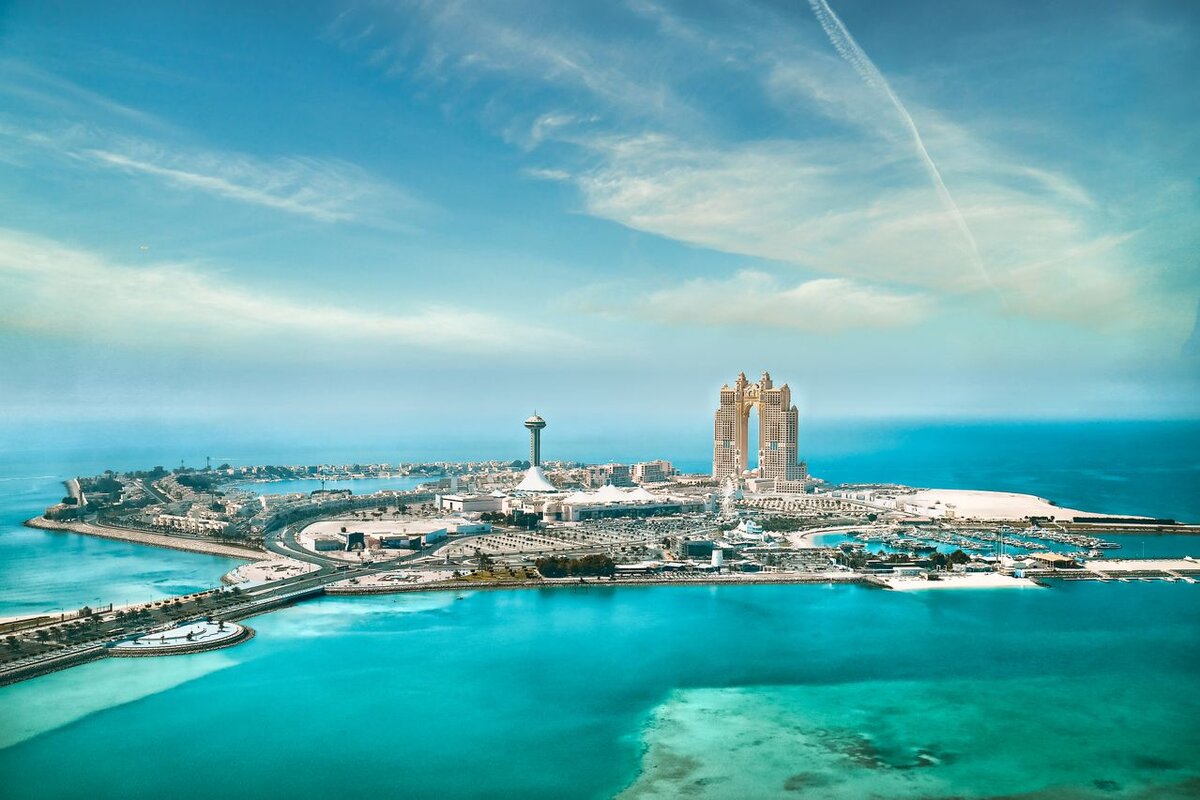
Air at +24–25°C, sea at +21–22°C, roughly six hours of flying. January is the best month here for walking around the city.
Who is it for
Right for a city break with a beach in the background, families aiming at theme parks and short, busy trips. Not worth it as a conventional beach holiday, because evenings on the Gulf can feel sharp.
Ten destinations side by side
Prices are indicative and cover seven nights for two travelling from Poland; outside the Christmas and school-holiday dates the lower figure drops further. Sea temperature and the caveat are the columns that matter.
| Destination | Sea | Flight from Warsaw | Caveat | 7 nights for two |
|---|---|---|---|---|
| Thailand | +28–29°C | about 11 hrs, direct | Koh Samui still catches rain | 7,000–15,000 PLN |
| Maldives | +28°C | about 9.5 hrs, direct | Priciest month of the year | 9,000–20,000 PLN |
| Sri Lanka | +28°C | about 10 hrs, direct | Only the south-west is in season | 6,000–13,000 PLN |
| Goa | +28°C | 9–10 hrs, connection | Uneven standards | 6,000–13,000 PLN |
| Zanzibar | +28–29°C | about 8 hrs, direct | Tides on the east coast | 6,500–14,000 PLN |
| Mauritius | +27–28°C | about 12 hrs, connection | Rain and cyclone season | 9,000–20,000 PLN |
| Seychelles | +28–29°C | about 11 hrs, connection | Wet monsoon, seaweed | 9,000–19,000 PLN |
| Dominican Republic | +27°C | about 11 hrs, direct | Five hours of time difference | 7,000–16,000 PLN |
| Cuba | +25–26°C | 11–12 hrs | Plainer service, cash needed | 7,000–15,000 PLN |
| Mexico | +26–27°C | about 12 hrs | Longest journey, seven time zones | 7,500–16,000 PLN |
The nearer options: the Canaries at +19–20°C and 5 hrs 30 min, Egypt at +22–23°C and 4 hrs 30 min, the UAE at +21–22°C and 6 hrs. A few degrees separate them on air, six to nine on water.
Checklist before booking:
- Check sea temperature for the resort, not a national average: Sri Lanka and Thailand each have two coasts with different January weather
- Confirm whether the flight is direct or stops en route — this season the same journey can differ by five hours
- In Zanzibar match the side of the island to the tides: the north lets you swim at any hour, the east does not
- Budget for entry fees: Zanzibar insurance, the Seychelles Travel Authorisation, e-visas for India and Cuba
- File compulsory forms inside their windows — the Maldives declaration is refused more than 96 hours before departure
- Compare seven nights against ten: the gap is smaller than expected, because the flight is already paid for
Common mistakes:
- Judging a destination by air temperature. Eight degrees separate the Canaries from the tropics in a forecast and nine in the water, and the water decides whether you swim.
- Mauritius or the Seychelles booked without checking the season. January is hot but wet in both, and Mauritius is in its cyclone months.
- Seven nights in the Caribbean. Eleven hours of flying and several time zones take half the trip.
- Counting on the paper Cuban tourist card. It has gone; since January 2026 only an e-visa arranged in advance is valid.
- Assuming your own policy covers Zanzibar. The government requires its own insurance and does not accept private cover.
- Sri Lanka's east coast in January. It is out of season, and crossing the island takes half a day.
Paperwork, forms and fees before departure
None of these destinations lies inside the Schengen area, so entry depends on the nationality in your passport. A Polish residence card grants no right of entry to any of them and does not replace a passport, though you need it, still valid, for the journey back into Poland. Keep the passport valid for at least six months beyond your return. The rules below follow a Polish passport; travellers from Poland holding another nationality should check their own, which often differ.
- Thailand: no visa required. The allowance is currently 60 days, and the government has approved a return to 30 days once the regulation is published, which changes nothing for a week away. The TDAC digital arrival card is compulsory and filed online before departure; the paper form handed out on board has gone.
- Maldives: a free 30-day visa on arrival for every nationality. Before flying, submit the free IMUGA declaration, one per passenger, inside the 96-hour window; the system rejects anything earlier.
- Sri Lanka: an ETA is compulsory for all visitors. Since 25 May 2026 it has been free for forty nationalities, Poland among them, and covers 30 days.
- India, for Goa: an e-visa applied for online before departure. There is no visa on arrival on this route, and processing takes days.
- Tanzania and Zanzibar: a visa costing about 50 USD, online or on arrival, plus compulsory government insurance at 44 USD per adult and 22 USD per child aged 3 to 17, valid up to 92 days and sold only through the official portal. Your own policy does not exempt you.
- Cuba: the paper tourist card has been withdrawn. Since 1 January 2026 an e-visa applies, around 22 euros in Europe, single entry, 90-day stay. The separate D'Viajeros form is filed within seven days of departure, and medical insurance valid in Cuba is a condition of entry, not a suggestion.
- Dominican Republic: no visa for Polish and EU citizens. The free E-Ticket is compulsory and filed online; the 10 USD tourist card is built into the airline ticket.
- Mexico and Mauritius: visa-free entry for Polish citizens.
- Seychelles: no visa for anyone, but a paid Travel Authorisation is compulsory, around 12 euros at standard processing, children included. Applications open ten days before departure at the earliest.
Every form goes through an official government site. Search results put agents first, and they charge tens of euros for free declarations.
The verdict: which destination suits whom
If January has to include swimming and not only sunbathing, the shortlist starts at eight hours of flying.
Thailand, Sri Lanka and Goa give the best return on a warm-water budget: +28°C in the sea and a week costing what a good hotel in Egypt does. The Maldives is where you go for quiet and a reef, while the Seychelles and Mauritius only make sense once you have accepted a wet month. The Caribbean means all inclusive and the steadiest forecast, along with the longest journey and a serious time difference. Zanzibar pairs hot water with a safari and, this season, a direct flight. Keep the Canaries, Egypt and the UAE for trips where sunshine and a short journey matter more than the sea.
One practical tip:
Compare the calendar before you compare prices. Departing after 6 January costs appreciably less than the New Year dates for identical weather, and on long-haul routes three extra nights add under a quarter to the total, because the flight - the largest item in the budget - is already paid for. In the Caribbean that is the difference between a holiday that worked and a week spent resetting your body clock.






 Holidays


 Last minute
 Hotels


 Blog
Blog