Look at the Canaries' weather table for September, October and November, and it won't make the decision for you. Air drops from +28°C to +25°C, the ocean from +24°C to +22°C, and there's plenty of sun throughout. The difference between these three months isn't hiding in the numbers — those are nearly flat. It's hiding in what the table doesn't show: in prices, which fall first and then climb; in the ocean, which — counter-intuitively — is warmest not at the height of summer but in early autumn; in the shrinking day; and in the fact that somewhere between October and November the Canaries switch from "an extension of summer" to "the start of the winter-sun season".
Below we break the three autumn months down by the factors that actually decide it: ocean temperature and its surprising peak, day length and hours of sunshine, the price curve, crowds, and the risk of calima and autumn storms out in the Atlantic. Separately, we suggest which island suits autumn best, what to do beyond the beach, and the entry rules and fees for 2026 — there's news on that front too this season.
- The short answer, no preamble → Which month for whom
- Why the numbers won't decide it → The weather in autumn
- The warmest ocean and the last of summer → September
- The sweet spot → October
- The start of winter-sun season → November
- Which island for autumn → Choosing an island
- Whales, Teide, surfing → More than the beach
- Compare the months at once → Comparison
The short answer: which month for whom
If you want the answer without reading the whole piece, here it is in three sentences.
September: the warmest ocean, the longest day and the last of the resorts' summer energy — but also the biggest crowds of the three early in the month, and the peak of the Atlantic storm season
October: the sweet spot — the ocean still warm, fewer people, prices at their lowest point before winter, the day still decent; the safest choice for most travellers
November: the start of winter-sun season — the warmest destination within reach of Poland at this time of year, but rising prices, the shortest day, and the first cloudy days on the islands' north
What follows is the detail behind why the answer is exactly that.
The weather in autumn: why the numbers won't decide it
The Canaries lie in the Atlantic off the coast of Africa and have the most even climate within reach of Poland. Temperatures fall slowly and smoothly through autumn, so the table alone won't pick a winner — it needs reading alongside day length, the state of the ocean and what's happening to prices. One thing surprises people most often: the ocean here is warmest not in July but in late summer and early autumn, because the water warms with a lag behind the air. That's why September and October give the best swimming of the whole year.
| Factor | September | October | November |
|---|---|---|---|
| Air (day) | +27–29°C | +26–28°C | +24–26°C |
| Ocean | +23–24°C | +23–24°C | +22–23°C |
| Day length | ~12 hrs | ~11 hrs | ~10.5 hrs |
| Sunshine/day | ~8 hrs | ~7 hrs | ~6 hrs |
| Rain | Rare | Occasional | Possible, especially in the north |
Two more things the table doesn't say. First, the interior and the north of the islands (especially Tenerife and Gran Canaria) can be cloudy while the sunny south stays clear — that gap widens in autumn. Second, September and October are the peak of the Atlantic hurricane season: direct hits are very rare, but the remnants of tropical systems sometimes bring a few cloudy, windy days. That's not a reason to skip the trip — more an argument for a flexible plan and travel insurance.
September: the warmest ocean and the last of summer
"The best swimming of the year — with the longest day and the biggest crowds of the three"
September is still summer stretched by a month: the ocean is the warmest of the whole year (+23–24°C, thanks to the thermal lag), the day is the longest of the autumn three, and the resorts are full of energy. It's the best time for the Atlantic itself — swimming, snorkelling, water sports. The cost is twofold: the first half of the month still overlaps European school holidays, so it can be crowded and pricier, and September falls at the peak of the Atlantic storm season, which brings a small but real risk of a few windy days.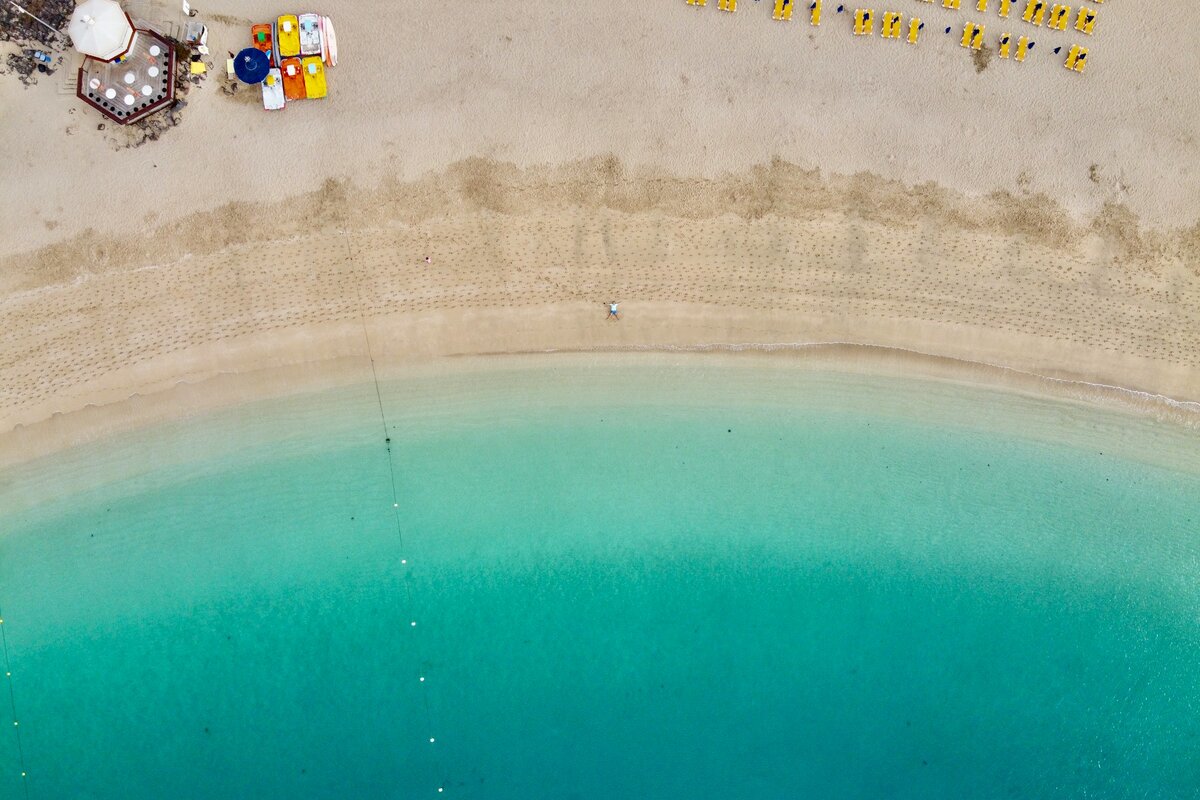
Ocean: +23–24°C — the warmest of the year; no wetsuit needed, great visibility
Crowds and prices: higher early in the month (school holidays), dropping after mid-September
7 nights / 2 people: PLN 3,800–9,000
Note: peak of the Atlantic storm season — keep your plans flexible
Who is it for
The best choice for anyone who cares above all about the ocean: swimming, diving, surfing, water sports. Also good for families with school-age children, who are travelling in September anyway, and for anyone who wants the longest day. Not worth it to pick early September if quiet and a low price matter to you: it's still the tail end of the holidays, and the best rates only appear towards the end of the month and into October.
October: the sweet spot
"A warm ocean without the holiday crowds — and prices at their lowest before winter"
October is the month that turns out to be the most sensible choice for most people. Thanks to the thermal lag, the ocean is still nearly as warm as in September (+23–24°C), European school holidays are over, so the crowds thin out, and prices dip into a low point: the winter-sun season hasn't picked up yet, and the summer one has already faded. The day is shorter than September's, but still decent, and the weather is usually stable. It's the window where you pay less for the same thing you'd have got a month earlier.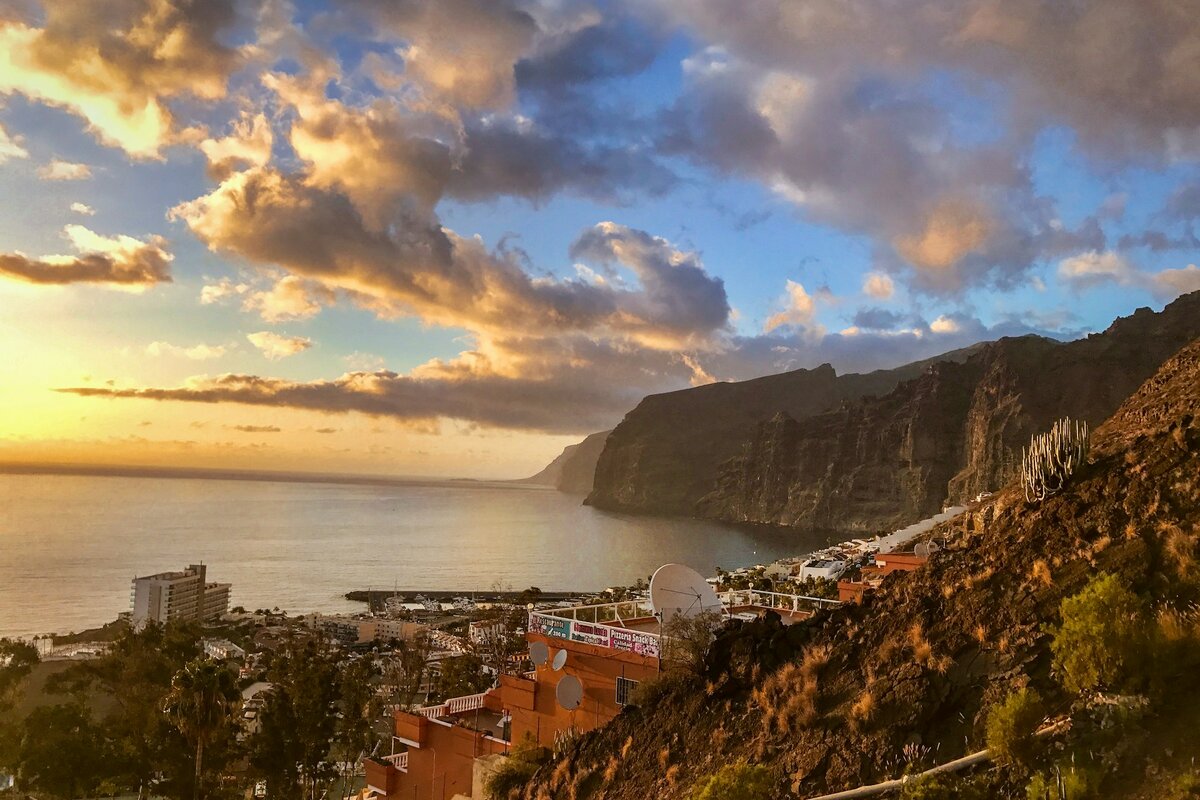
Ocean: +23–24°C — practically as warm as September
Crowds and prices: the lowest of the autumn three — the dip between seasons
7 nights / 2 people: PLN 3,500–8,500
Day: ~11 hours, weather usually stable
Who is it for
The optimal choice for most travellers: those who want a warm ocean and sun without the holiday crush and at the best price. Ideal for couples, calm families and anyone combining the beach with excursions. Not worth it to bank on October if you're set on the longest day and full resort energy — go for September instead; or if you need a guarantee of clear skies on the islands' north, where cloudy days already occur.
November: the start of winter-sun season
"Europe's warmest destination at this time of year — but the shortest day, and prices climbing again"
In November the Canaries change role: from "extended summer" they become Europe's leading winter-sun destination. When it's already cold and grey in Poland, it's still +24–26°C by day here, with the ocean at +22–23°C. That's a genuine escape from the autumn gloom — but it comes at a cost. Demand from northern Europe rises, so prices climb back up from October's dip; the day is the shortest of the three (~10.5 hours); the first risk of calima appears — dust blown from the Sahara that dulls the sun for a day or two — and the islands' north can turn cloudy and wet. The south of the islands remains the sunniest refuge.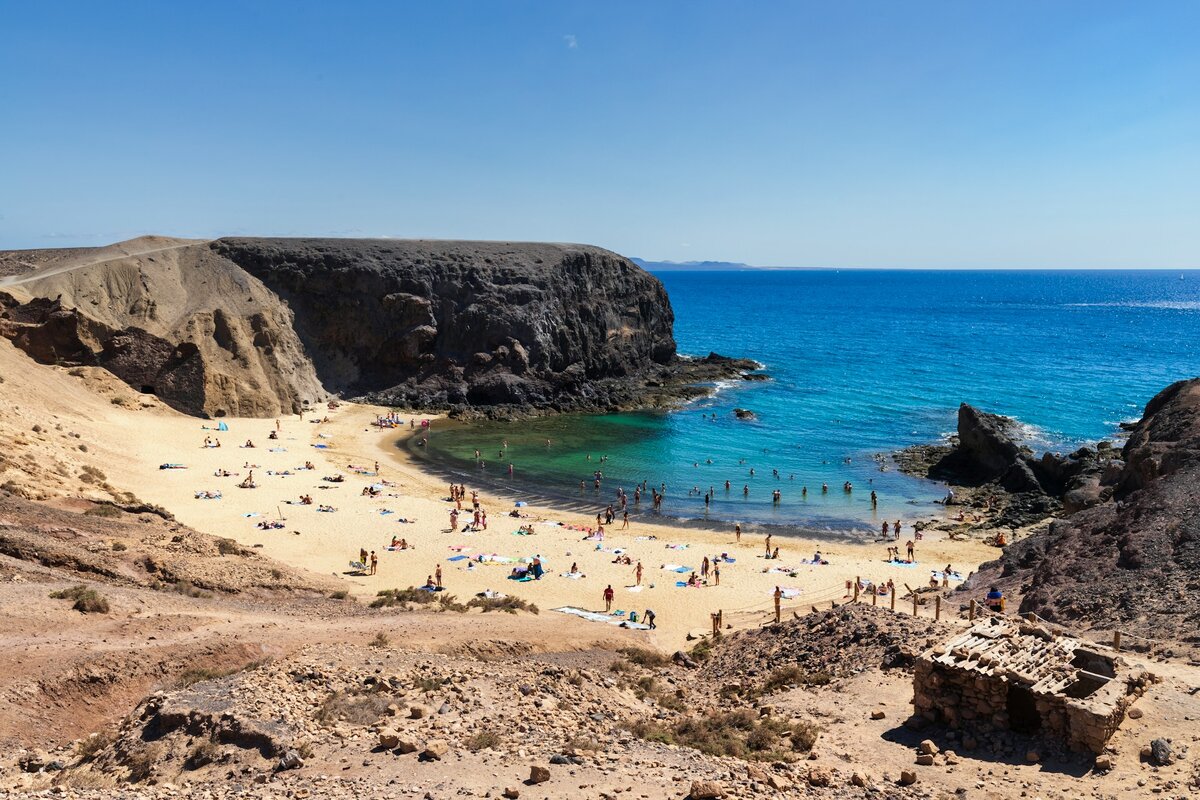
Ocean: +22–23°C — cooler than early autumn, but still swimmable
Crowds and prices: rising with demand for winter sun from across Europe
7 nights / 2 people: PLN 4,000–9,500
Day: ~10.5 hours; calima and cloudy days possible in the north
Who is it for
The best choice for anyone escaping a Polish autumn and looking for the warmest sun within reasonable flying distance — and who cares less about swimming and a long day. Good for couples and remote workers wanting to stretch summer a little further. Not worth it to pick November if a warm swim and maximum daylight are the main goal: the ocean is already cooler, the day is short, and you'll pay a premium for the sun compared with October. In that case, choose the sunny south of the islands, not the green, cloudy north.
Which island for autumn
In autumn the choice of island carries more weight than in summer, because the differences in cloud cover and wind become more pronounced. Briefly, on the four main ones.
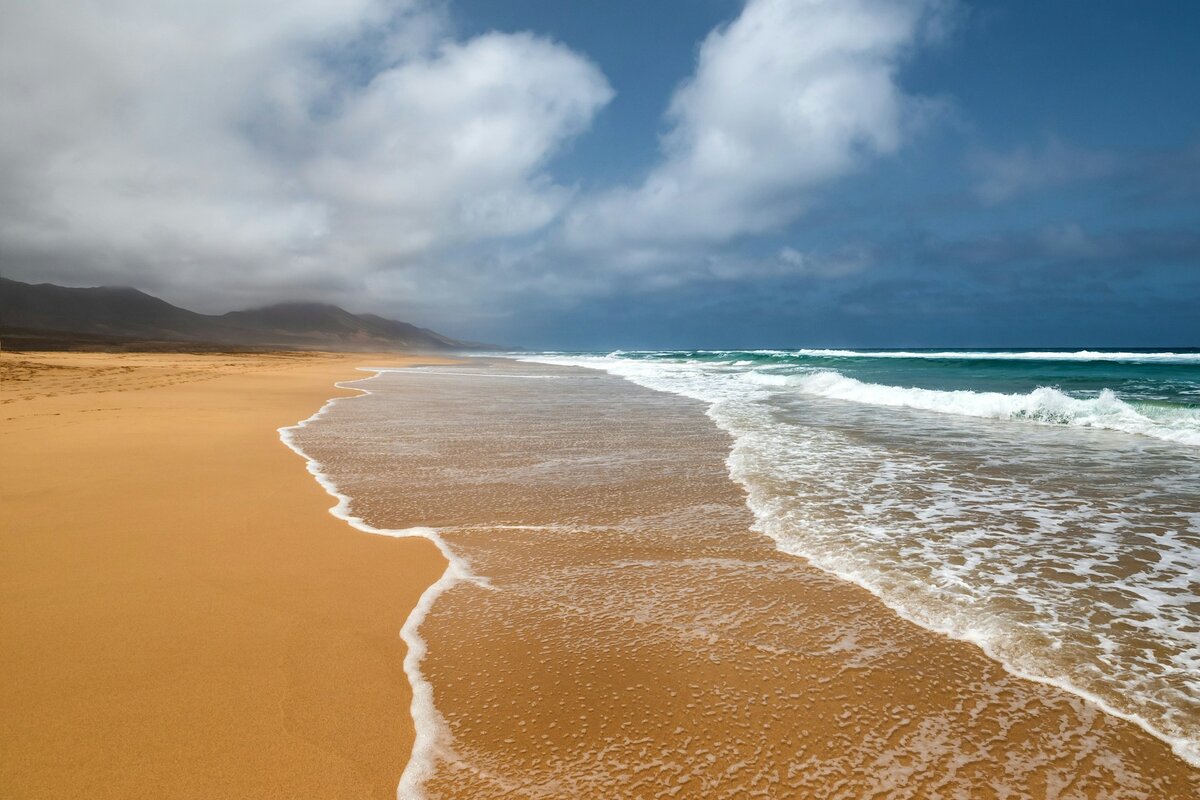
- Fuerteventura and Lanzarote. The driest, flattest and sunniest — the least cloud in autumn and the best pick for November. Fuerteventura is also a paradise for surfing and kiting thanks to the trade winds. The downside: the wind can be strong, and the water lively.
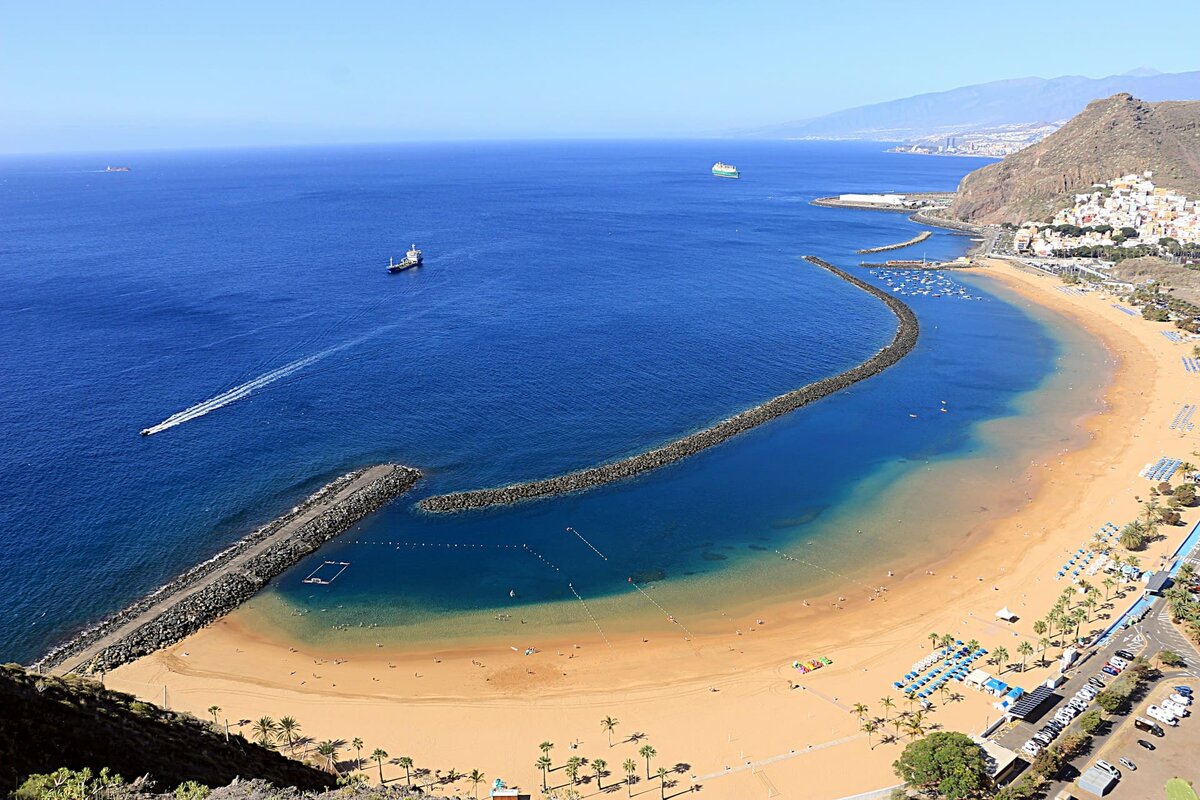
- Tenerife. The most all-round: a sunny, developed south versus a green, more often cloudy north. In autumn, choose the south (Los Cristianos, Costa Adeje). In the background: the Teide volcano, with new entry rules in 2026.
- Gran Canaria. A "continent in miniature": a sunny south with the Maspalomas dunes and a cooler, greener north with the capital. Good for September and October.
- La Palma and La Gomera. The greenest and wildest, but also the rainiest in autumn — these are destinations for trekking and nature, not for guaranteed beach swimming.
More than the beach: whales, Teide and surfing
Autumn in the Canaries isn't just a sun lounger — several things work especially well at this time of year.
- Whales and dolphins. The waters between Tenerife and La Gomera are one of Europe's best places to watch cetaceans year-round; in autumn the boat trips run on calmer seas.
- The Teide volcano. Spain's highest peak (3,718m) and an almost Martian landscape. Worth noting for 2026: fees of up to €25 per person are being introduced for selected summit trails in the national park (including Route 10, "Telesforo Bravo"), and reaching the summit itself still requires a permit booked in advance — arrange it ahead of time.
- Surfing and kiting. Autumn Atlantic swell and trade winds make Fuerteventura and the islands' north one of the best seasons of the year for water sports.
- The night sky. La Palma and the area around Teide are among the best stargazing spots in the world; the longer autumn nights favour astrotourism.
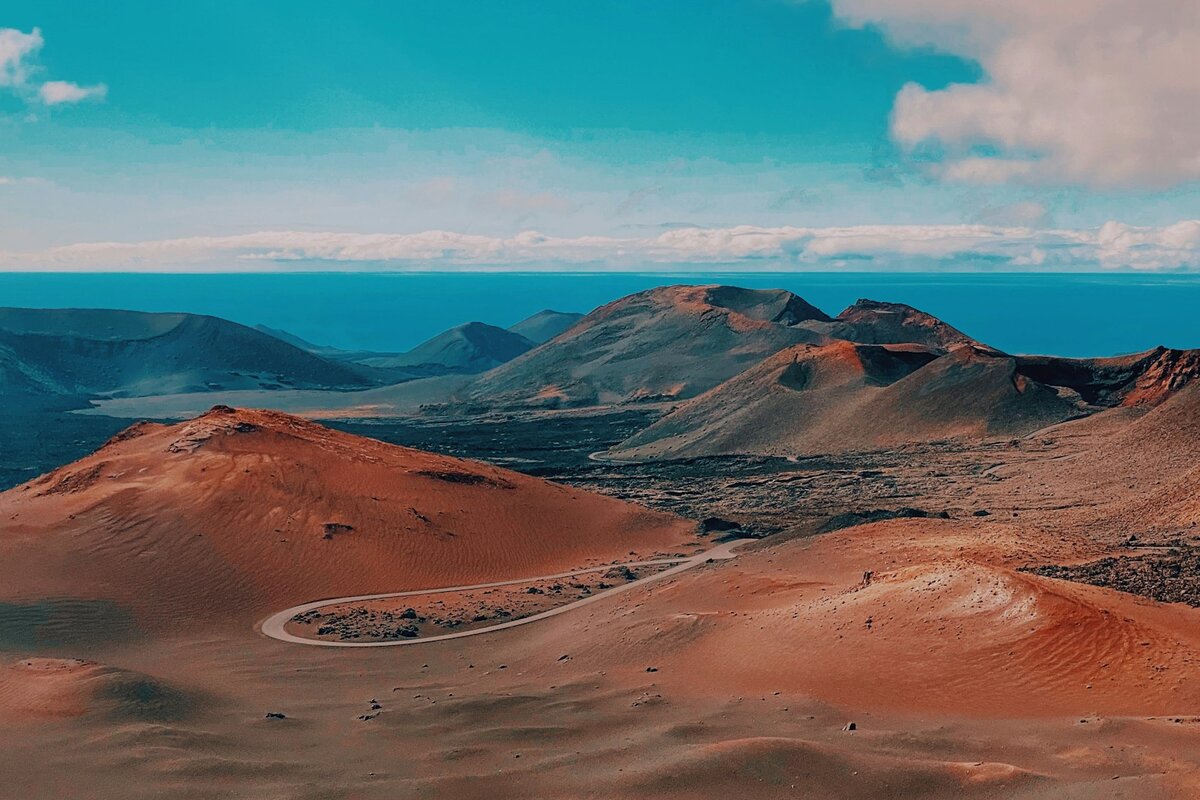
- Dunes and volcanoes. Maspalomas on Gran Canaria and the Timanfaya park on Lanzarote — landscapes that don't depend on water temperature.
Quick comparison: September, October, November
Figures are indicative, for a 7-night trip for two departing Poland. The columns that matter here aren't the degrees but "prices", "crowds" and "day" — those are what decide it.
| Criterion | September | October | November |
|---|---|---|---|
| Ocean | +23–24°C (peak) | +23–24°C | +22–23°C |
| Day / sunshine | Longest | Middling | Shortest |
| Crowds | Higher at the start | Lowest | Rising |
| Prices | Middling | Lowest | Rising |
| Weather risk | Storm season | Low | Calima, cloud in the north |
| 7 nights / 2 people | PLN 3,800–9,000 | PLN 3,500–8,500 | PLN 4,000–9,500 |
| Best for | Swimming, water sports | The all-round choice | Escaping the cold |
In short: September wins on ocean and day length but loses on crowds and weather; October doesn't win outright on any single measure but comes out best overall — warm water, calm and the lowest prices; November is a different story altogether, won on the contrast with a Polish winter rather than on beach metrics. If you have no fixed preference, October is the safe default.
Pre-booking checklist:
- Decide what's the priority: a warm swim and a long day (September), the best value for money (October), or escaping the cold (November). The degrees alone won't settle it.
- Choose the sunny south of the islands, especially in November: the north of Tenerife and Gran Canaria can turn cloudy and wet in autumn.
- For November, consider Fuerteventura or Lanzarote — the driest and sunniest islands at this time of year.
- Check whether your hotel sits on the windward or leeward side of the island: autumn trade winds and swell make a real difference to the beach and pool experience.
- Planning Teide? Book the summit permit in advance and factor in the new fees for selected trails (up to €25 per person in 2026).
- Take a flexible ticket or insurance if flying in September: it's the peak of the Atlantic storm season, though direct hits are rare.
Common mistakes:
- Choosing the month by air temperature alone. The gap between September and November is barely a few degrees; what really decides it is prices, crowds, day length and the state of the ocean.
- Assuming summer gives the warmest water. In the Atlantic the ocean is warmest in late summer and early autumn — September and October beat July.
- Booking the green north of the islands for November. That's the cloudiest, wettest part of the archipelago at this time of year; for sun, head south or to Fuerteventura.
- Expecting a warm sea like the Mediterranean. The Atlantic is bracing and lively, and autumn swell and wind on open beaches are normal, not a weather glitch.
- Planning Teide without booking ahead. Reaching the summit needs a permit booked in advance, and from 2026 some trails carry a fee — you can't do it on a whim.
- Overlooking the difference between the islands. In autumn La Palma and La Gomera are green and rainy, while Fuerteventura is dry and sunny — it's not the same trip.
Entering the Canaries and fees: what to know in 2026
The Canary Islands belong to Spain, and so to the EU and the Schengen Area — the entry rules are the same as on the mainland. Key changes this season: through 2026 the Schengen Area is progressively rolling out the automated Entry/Exit System (EES), recording biometric data on first entry, and by late 2026 the ETIAS pre-authorisation system is expected to launch for visa-free travellers from outside the EU.
- EU/EEA citizens, including Polish nationals: entry on a valid passport or national ID card, no visa, no limit on length of stay within EU rights.
- Ukrainian citizens: visa-free entry to Schengen, including the Canaries, for up to 90 days within any 180-day period, on a biometric passport. Once ETIAS is live, visa-free tourists will need to arrange an online authorisation in advance — watch for the launch date.
- Belarusian citizens: a valid Schengen visa is required, or a valid Polish residence permit, which grants the right to a short stay across Schengen, including the Canaries, without a separate Spanish visa.
- Tourist fees: the Canaries have no general tourist accommodation tax in 2026 (the exception is a symbolic, legally contested charge in the municipality of Mogán on Gran Canaria). Local fees for specific attractions are appearing instead — such as the paid trails in the Teide national park. The EES, ETIAS and local-fee rules are being refined, so confirm the current status with your tour operator or official sources before travelling.
The verdict
September, October or November?
If the ocean and a long day matter most, September: the water is the warmest of the year, the resorts are full of energy, but it costs more early on and sits in the shadow of the storm season. If you're after the best value without the crowds, October: an ocean nearly as warm as September's, calm, and prices at their lowest — for most people this is the safe default. If the main goal is escaping a Polish winter, November: the warmest sun within flying distance, though the day is shortest, the ocean cooler, and prices climbing again. And when choosing an island, remember: in autumn the sunny south and dry Fuerteventura beat the green, cloudy north.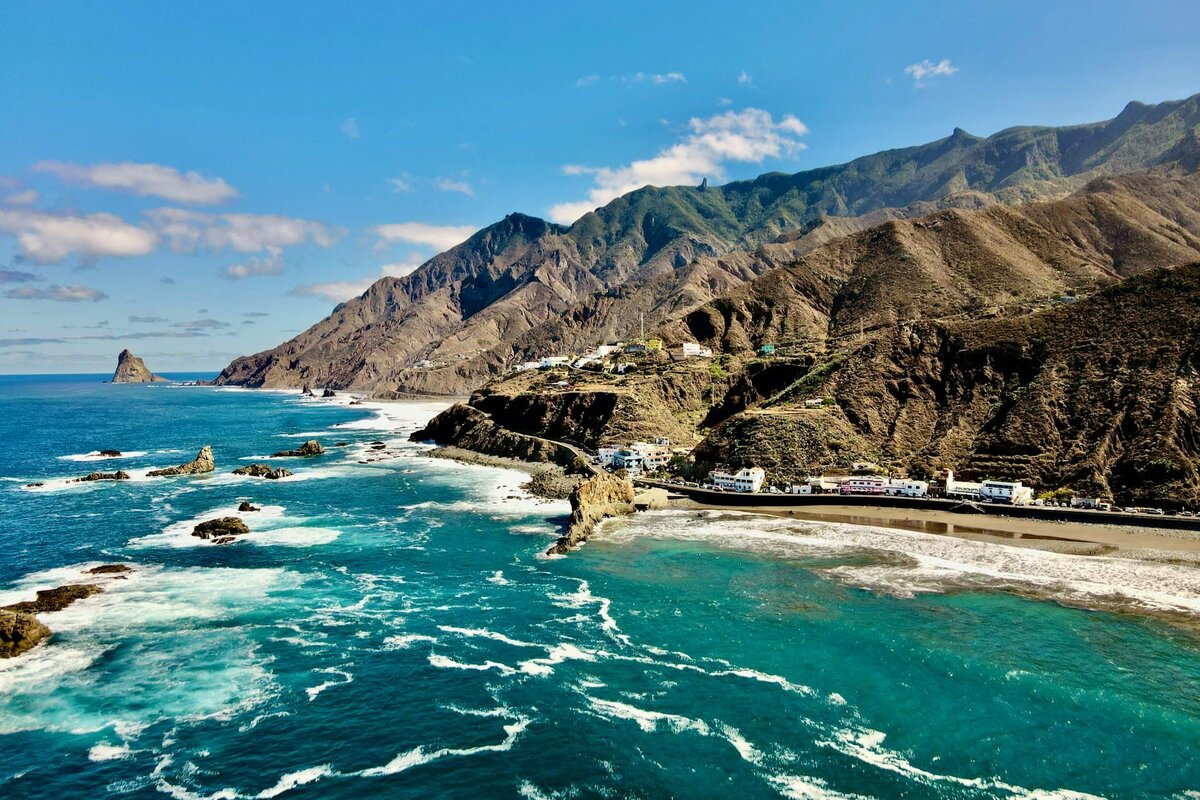
One last tip:
Don't compare these three months by the temperature table — they're nearly identical. Compare them by what you're after: warm water (September–October), a low price (October), or the biggest possible contrast with Polish grey skies (November). And if you have no strong preference, October gives you the most for the least — which is why it's usually the right answer.


 Holidays


 Last minute
 Hotels


 Blog
Blog