October is the one month when Egypt's two halves finally agree. On the coast the Red Sea is still at summer temperature — 28°C off Marsa Alam, 27°C off Sharm — while inland the furnace switches off and Luxor drops from July's 41°C to something you can walk a temple in. The trap is the other 2026 headline: the visa exemption Egypt extended to EU passports early this year has been reported as though the country simply scrapped visas, and it is not that simple. The free Sinai entry permit covers Sharm and Dahab for 15 days and stops at the edge of the peninsula, so the same stamp that lets you swim at Ras Mohammed will not put you on a coach to the pyramids.
Below: what the air and sea actually do at each Red Sea resort in October, which of the five bases suits which traveller, what a week costs in PLN once the visa and the compulsory extras are counted, how the entry rules differ by passport rather than by residence in Poland, and why the last week of the month changes the flight map for travellers leaving from Warsaw.
- Warmest water and the best reefs → Marsa Alam
- First trip to Egypt → Hurghada, Sharm El Sheikh
- Families with children → Hurghada, Sharm El Sheikh
- Entering without a visa on a short stay → Sharm El Sheikh, Dahab
- Kitesurfing and windsurfing → Hurghada
- Diving without a resort around it → Dahab, Marsa Alam
- Temples, tombs and a Nile cruise → Luxor and the Nile
- Lower budget → Dahab, Marsa Alam
- Understanding the wind before booking → the weather section
- Working out the real budget → costs in PLN
October weather: summer sea, autumn air
The sea lags the air by about a month, and in Egypt that lag is the entire argument for October.
Red Sea water peaks in August and drains slowly, so October opens at roughly 27–28°C across the coast and closes about a degree lower. Air behaves differently: daytime highs on the coast settle at 30–33°C instead of the high thirties, and nights fall to 20–23°C, which is the first point in the year when an evening outside is pleasant rather than endured. Rain is effectively absent — Hurghada averages around 6 mm across an entire year, and October is nominally its wettest month at about 2 mm. 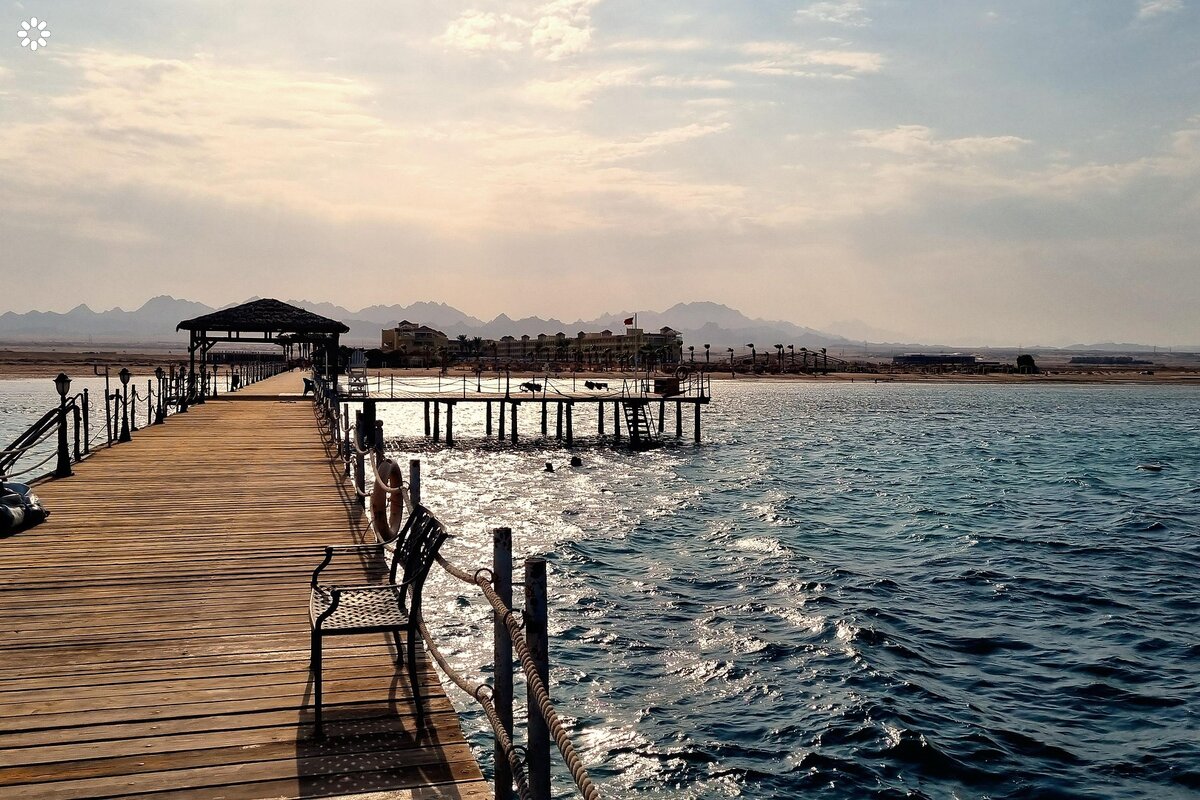
The variable that separates the resorts is wind, not temperature. The northern Red Sea funnels a steady northerly down the coast, which is why Hurghada built a kitesurfing industry and why its open beaches carry chop and blown sand on many afternoons. The further south you go, the calmer it gets: Marsa Alam sits out of the worst of it, and Sharm, tucked into the Sinai side, is sheltered from a different angle. Inland the picture reverses — Luxor still reaches 35–37°C at midday in October, which is a large improvement on August but not a mild climate.
| Place | Air, day | Air, night | Sea |
|---|---|---|---|
| Marsa Alam | +32–34°C | +21–23°C | +28°C |
| Sharm El Sheikh | +31–33°C | +21–23°C | +27–28°C |
| Hurghada | +30–32°C | +20–22°C | +26–27°C |
| Dahab | +29–31°C | +19–21°C | +26–27°C |
| Luxor | +35–37°C | +19–21°C | — |
| Cairo | +29–31°C | +18–20°C | — |
Who is it for
October suits anyone who wants to combine a beach week with the inland sights, because it is the first month since spring when both work at once. It also suits divers, since visibility is high and the water is still warm enough to dive in a 3 mm suit rather than a 5 mm one. And it suits travellers who dislike heat: the second half of the month is noticeably softer than the first. Not worth it if you are booking specifically for guaranteed flat, glassy water — the northern coast around Hurghada is at its windiest in the afternoons, and no amount of paying up for a five-star changes what happens on an exposed beach after 14:00. Pick the southern resorts or a sheltered bay instead.
Hurghada: the widest choice and the strongest wind
The default booking from Poland, and the one where choosing the right bay matters most.
Hurghada is less a resort than a 60-kilometre strip of them. From north to south it runs El Gouna, a purpose-built lagoon town with its own marina; the city itself, which is workmanlike rather than pretty; then Makadi Bay, Sahl Hasheesh and Soma Bay, where the large modern all-inclusives sit in self-contained bays. That spread is the whole decision — El Gouna and Soma Bay are calm and polished, the central beaches are cheaper and busier, and the difference in wind exposure between two hotels 20 kilometres apart is real. The reef structure also varies: several stretches have shallow seagrass or a coral shelf, so hotels use jetties to reach swimmable water, and this catches out people expecting to wade in from sand.
Flight from Warsaw: about 4 hours direct (seasonal charter and scheduled services), transfer 20–60 minutes depending on the bay
7 nights for two: 3 200–7 500 PLN, all-inclusive four-star, October
October air and sea: +30–32°C air, +26–27°C sea
Best window: the whole month; late October adds flight capacity as the winter schedule starts
Who is it for
First-time visitors, families who want a large all-inclusive with pools and slides, and anyone chasing price — the sheer number of hotels here keeps rates below Sharm. It is also the best base in Egypt for kitesurfing and windsurfing, and the easiest for day trips, with Luxor, Cairo and desert excursions all sold from the same hotel desks. Not worth it if you want a destination rather than a compound: Hurghada town has little to detain a visitor, the shopping streets are aggressive, and the strip is designed so that you leave the hotel by minibus or not at all. If flat afternoon water is the priority, this is the wrong stretch of coast.
 What to do
- Take a boat to Giftun Island in the morning rather than the afternoon, when the northerly gets up and the crossing turns choppy
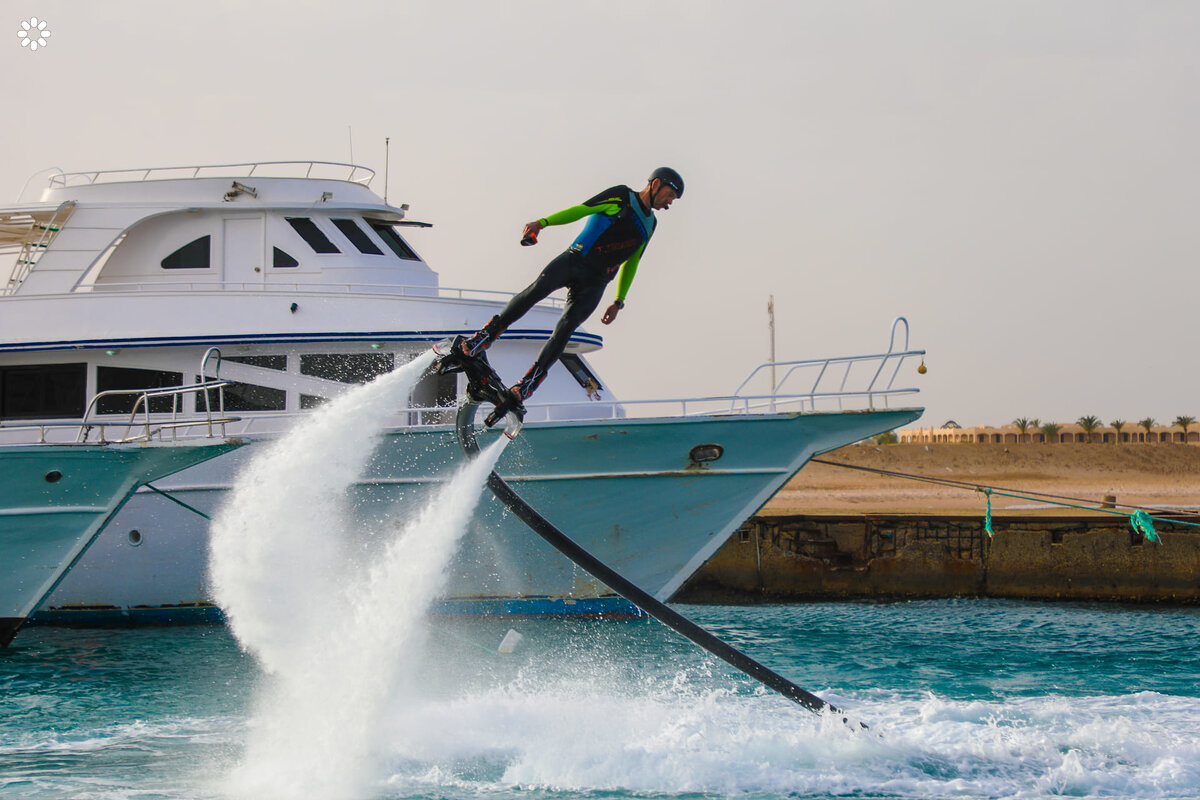
- Book a kite or windsurf lesson at one of the flat-water lagoons south of the city — the conditions here are the reason the schools exist, and beginners progress faster than in gusty spots
- Spend an evening in El Gouna rather than central Hurghada; the marina restaurants cost more but the town is walkable and the difference in atmosphere is substantial
- Dive or snorkel Abu Nuhas, the reef that has claimed several cargo ships, where wrecks sit shallow enough for snorkellers to see the outline from the surface
- Check whether your hotel's house reef needs a jetty before booking, not after — it changes the daily experience more than the star rating does
Sharm El Sheikh: the best-protected bays and the visa shortcut
The one Egyptian resort where a short stay can be entered without buying a visa at all — with a catch worth reading twice.
Sharm sits at the southern tip of Sinai, and its geography does two useful things. It shelters the main bays from the prevailing northerly, so mornings and afternoons are calmer than on the Hurghada strip. And it puts Ras Mohammed National Park, where the Gulfs of Suez and Aqaba meet over vertical reef walls, half an hour from the hotel zone. The resort divides into Naama Bay, older and louder, and Nabq and Sharks Bay further north, which hold most of the newer large hotels. The other draw is the entry rule: travellers staying only within South Sinai can use a free entry permit valid up to 15 days instead of a visa — but that permit stops at the peninsula, so a Cairo or Luxor excursion requires the full visa anyway.
Flight from Warsaw: about 4 hours direct (seasonal charter and scheduled services), transfer 15–40 minutes
7 nights for two: 3 500–8 000 PLN, all-inclusive four-star, October
October air and sea: +31–33°C air, +27–28°C sea
Best window: the whole month; water holds above 26°C into November
Who is it for
Families who want calm, shallow entry and a short transfer, snorkellers who would rather walk into a house reef than board a boat every day, and anyone taking a short break where the Sinai permit removes a cost and a queue. Divers get Ras Mohammed, the Thistlegorm wreck and the Straits of Tiran within day-trip range. Not worth it if the plan is a beach week plus the pyramids: the permit that made entry free does not cover the mainland, so you buy the visa regardless and the shortcut evaporates. It is also the wrong choice for anyone hoping to wade in over sand — much of the coastline is fringing reef, entry is via jetty or ladder at many hotels, and reef shoes are not optional. 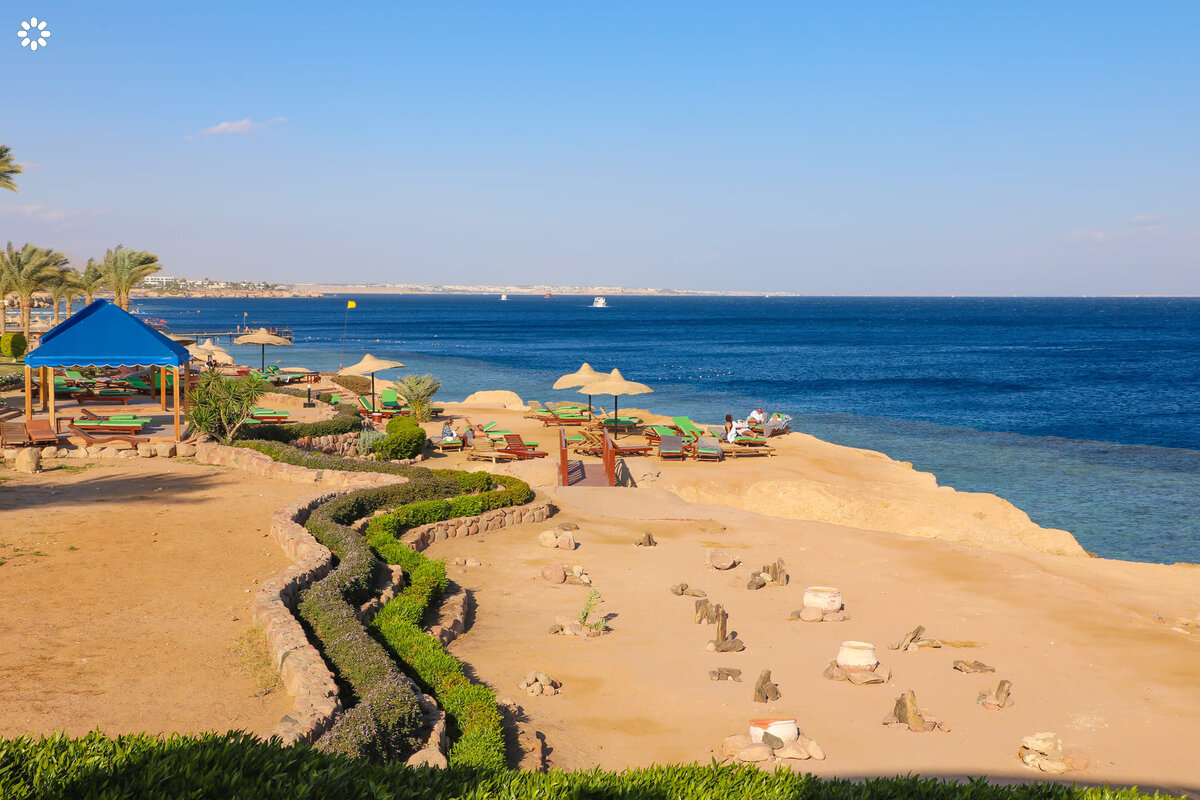
What to do
- Snorkel the shallow shelf at Ras Mohammed early, before the day boats arrive, and stay inside the marked areas where the current is manageable
- Dive the Thistlegorm, the wartime supply ship sitting upright at around 30 metres with its cargo still in the holds, on a full-day boat rather than a rushed half-day
- Drive up to St Catherine and climb Mount Sinai overnight — October is the first comfortable month for it, and the summit is genuinely cold before dawn
- Eat in Old Market rather than the Naama Bay strip; prices are roughly half and the fish is bought the same morning
- Confirm before booking excursions whether your entry stamp is the Sinai permit or a full visa, because it decides which trips you can legally take
Marsa Alam: warmest water, best reefs, least to do
The southern coast trades entertainment for water quality, and in October that trade is at its most favourable.
Marsa Alam runs about a degree warmer than Hurghada all year and holds 28°C into October, the highest sea temperature in Egypt at that point. It is also the least developed of the four coastal bases: hotels are strung along a long, thinly built coast, the airport was only opened in 2001, and there is no town in any meaningful sense. What there is instead is reef. Elphinstone, an offshore reef with steep walls, is the region's signature dive, and the autumn months are when oceanic whitetips are most often reported around it. The bays at Abu Dabbab and Marsa Mubarak hold seagrass meadows where dugongs and green turtles graze, and both are shallow enough to snorkel.
Flight from Warsaw: about 4 hours 20 minutes direct (seasonal charter services), transfer 20–90 minutes depending on the hotel
7 nights for two: 3 000–7 000 PLN, all-inclusive four-star, October
October air and sea: +32–34°C air, +28°C sea
Best window: the whole month, and it stays the warmest option through November
Who is it for
Divers and serious snorkellers, couples who want quiet, and anyone whose main criterion is water temperature. It also works well for families with children old enough to snorkel, because several house reefs start in waist-deep water. Not worth it if anyone in the party expects to leave the hotel in the evening: there are no walkable restaurants, no promenade and no nightlife outside the resorts, and some hotels sit an hour or more from the airport along an empty coast road. Teenagers who want something to do and travellers who dislike full-board captivity should book Hurghada instead. 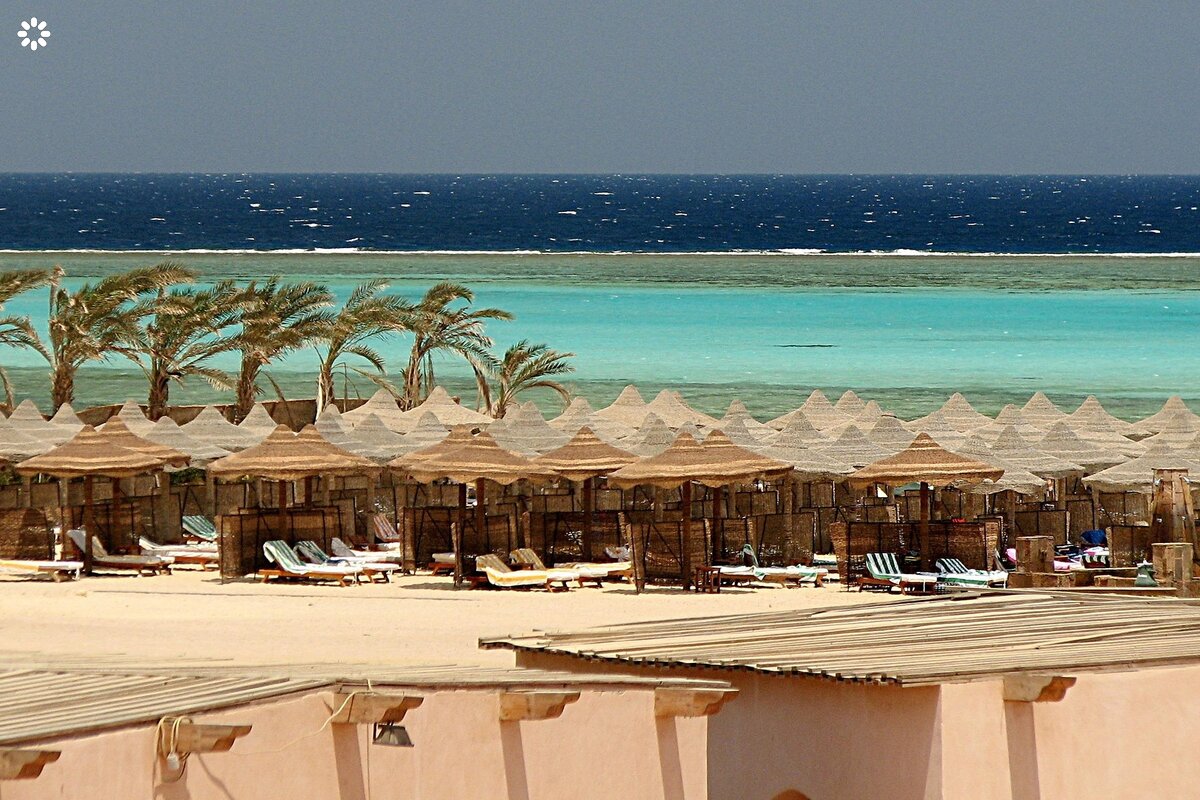
What to do
- Snorkel Abu Dabbab bay early in the day for the seagrass meadow and its turtles, and keep the distance the guides ask for rather than following the crowd
- Dive Elphinstone from a day boat, but check the operator's briefing on current — this is a drift site with real conditions, not a beginner's reef
- Take a night snorkel over a lit house reef, when the daytime fish are replaced entirely by a different set of species
- Drive inland to Wadi El Gemal national park for the desert-and-coast combination that most visitors to the south never see
- Ask the hotel exactly how far it is from the airport before booking; on this coast the transfer ranges from 20 minutes to well over an hour
Dahab: the cheapest week and the least resort-like
A Bedouin fishing village that turned into a dive town without ever turning into a hotel strip.
An hour and a half up the Sinai coast from Sharm, Dahab is the counterargument to everything the Red Sea is usually sold as. Accommodation is mostly small hotels and guesthouses rather than all-inclusive compounds, the seafront is a line of low-slung cafés where people eat sitting on cushions, and the prices are the lowest of the five bases by a clear margin. The diving is the reason most people come: the Blue Hole, a submarine sinkhole a short drive north, plus the Canyon and a string of shore sites you can reach by pickup truck. It also benefits from the same Sinai entry permit as Sharm, which makes it unusually easy to visit for a short stay.
Flight from Warsaw: about 4 hours to Sharm El Sheikh, then roughly 1 hour 30 minutes by road (about 130 km)
7 nights for two: 2 800–6 000 PLN, October, usually room-only or half board rather than all-inclusive
October air and sea: +29–31°C air, +26–27°C sea
Best window: the whole month; desert nights start cooling noticeably by the end
Who is it for
Divers, freedivers, independent travellers and anyone who finds large resorts oppressive. It is also the best value in Egypt: a week here including diving costs less than a mid-range all-inclusive elsewhere on the coast. Not worth it for a standard family beach holiday: there is no sand-and-slides infrastructure, the shoreline is stony with reef right off the front, all-inclusive barely exists, and the transfer from Sharm airport adds three hours to the round trip. Anyone who wants animation teams, buffets and a pool complex will be actively disappointed here. 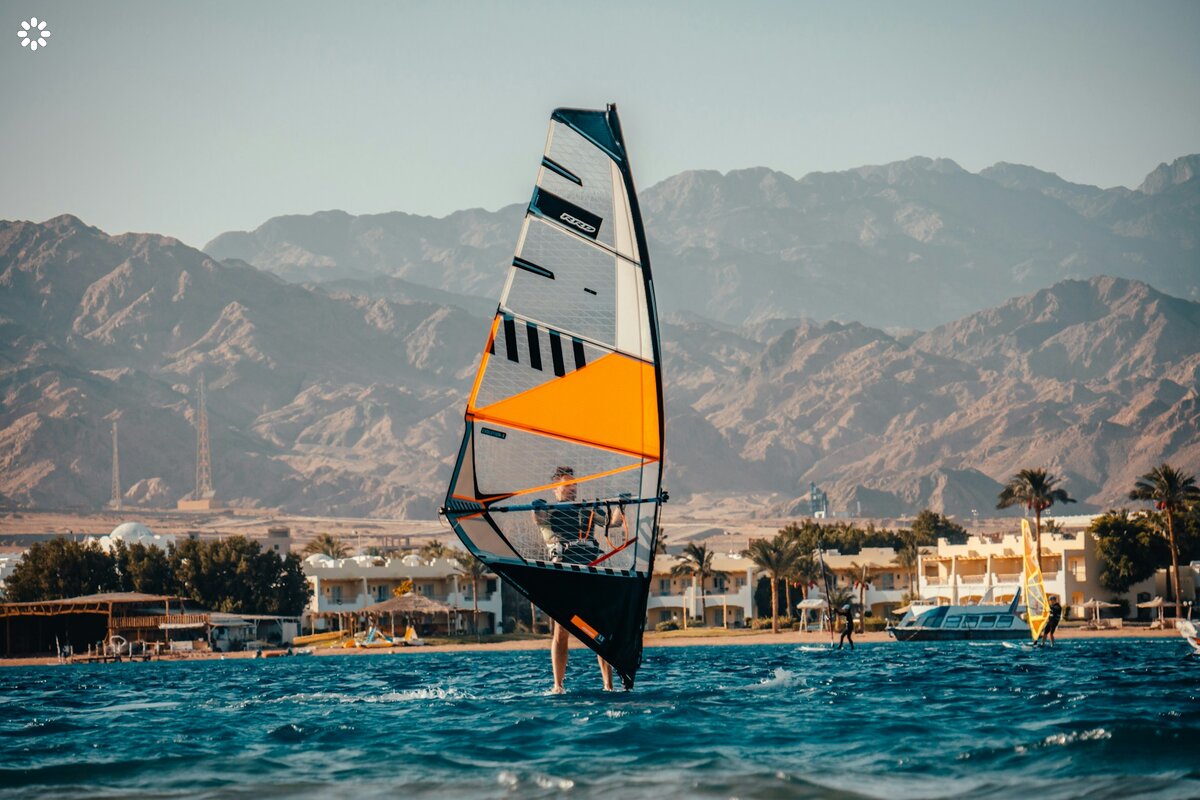
What to do
- Snorkel the Blue Hole from the shallow side rather than diving it — the rim is spectacular from the surface and carries none of the risk that has made the site notorious
- Take a freediving or technique course; Dahab is one of the established training centres for the sport and the calm mornings suit it
- Ride out to the Three Pools and Abu Galum by camel or pickup, where the coast road ends and the shore sites are reached on foot
- Have dinner in the Assalah end of town rather than the central seafront, where the same dishes cost noticeably less
- Book a desert night at a Bedouin camp inland — October is the month the temperature drop after dark becomes the point rather than the problem
Luxor and the Nile: the reason to come in October rather than July
Not a beach destination, but the half of Egypt that only becomes practical once the summer breaks.
Luxor holds roughly a third of the world's surviving ancient monuments within a few kilometres of the river, and in July that concentration is unusable — midday temperatures pass 40°C and the Valley of the Kings becomes a set of hot stone corridors. October brings it down to 35–37°C by day and around 20°C at night, which is when early-morning starts become genuinely workable. The standard formats are a two- or three-day trip from a Red Sea resort, or a Nile cruise between Luxor and Aswan, typically three or four nights. October also carries a fixed date worth knowing: on 22 October the rising sun aligns through the temple at Abu Simbel to light the inner sanctuary, one of only two such alignments in the year.
From the coast: Luxor is about 280 km from Hurghada, roughly 4 hours by road; also reachable by air via Cairo
Typical cost: 4 500–9 000 PLN for two on a three- or four-night Nile cruise, excursions included; a two-day trip from Hurghada runs far less
October conditions: +35–37°C by day, +19–21°C at night, no rain
Best window: the second half of October, when daytime highs ease further
Who is it for
Travellers for whom a week of full board would be repetitive, anyone visiting Egypt for the first time who would regret not seeing the monuments, and photographers, since October light is long and the haze is lower than in summer. A cruise suits older travellers well because the sightseeing comes to the boat. Not worth it as a day trip from Sharm or Marsa Alam: from Sharm it means a flight or a very long drive, and from Marsa Alam the road is longer than from Hurghada. It is also the wrong plan if anyone in the group struggles with heat — 36°C in an unshaded necropolis at 11:00 is still hard work, and the tombs themselves are hotter than the open air. 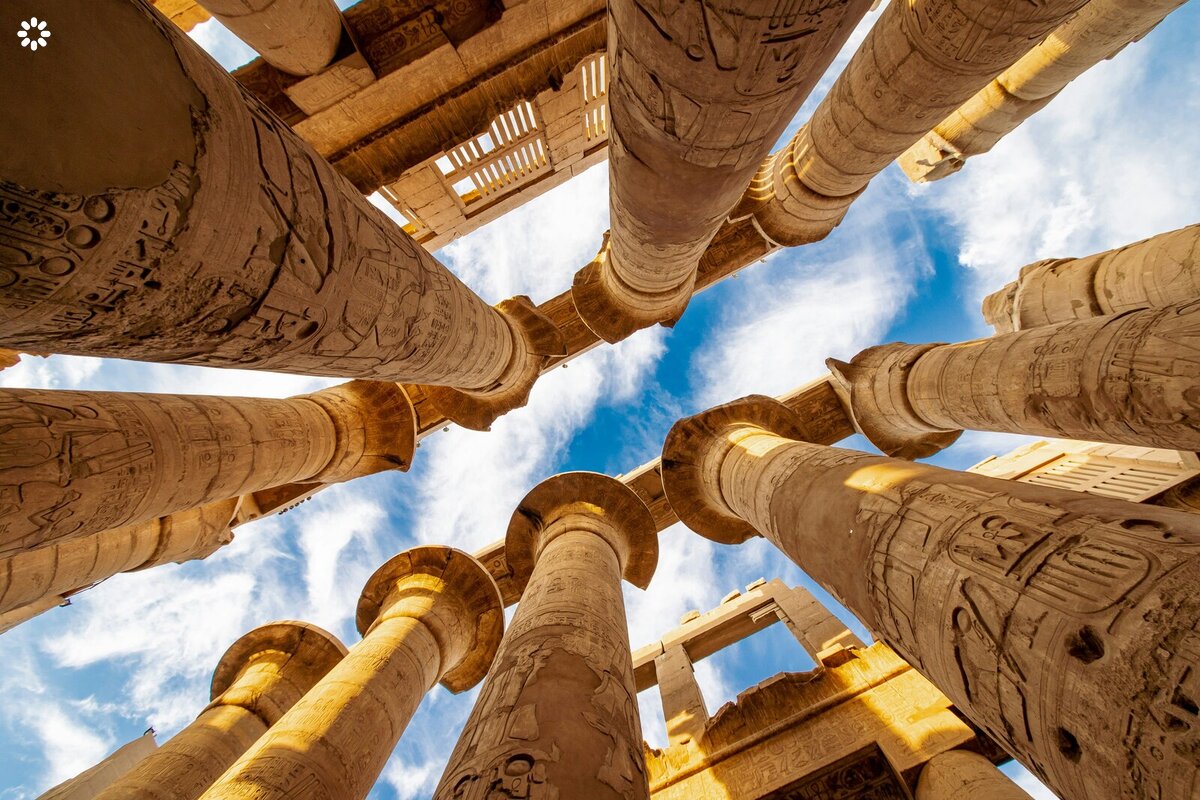
What to do
- Enter the Valley of the Kings at opening time and buy the separate ticket for Seti I, the deepest and best-preserved tomb, which is not included in the standard entry
- Walk Karnak from the back rather than the processional entrance, so the hypostyle hall arrives after the smaller courts rather than before them
- Cross to the west bank at dawn by balloon if the budget allows, or by the local ferry if it does not — both give the same view of the flood plain meeting the desert
- Time a visit to Abu Simbel around 22 October for the solar alignment, and book months ahead, because that morning is the busiest of the year there
- Choose a cruise boat by its itinerary rather than its star rating: the number of nights decides how many sites you actually see
What a week actually costs in October
Egypt is the cheapest warm-sea option from Poland this month; the extras are where the budget slips.
An all-inclusive week for two in a four-star runs roughly 3 000–8 000 PLN in October depending on the resort, with Marsa Alam and Hurghada at the lower end and Sharm at the upper. What sits outside that number is the visa, which for some passports is now nothing and for others is 25–36 USD per person; the excursions, which are the largest discretionary cost and are usually cheaper at the hotel desk than pre-booked; and tipping, which in Egypt is a functioning part of the service economy rather than an optional gesture. Bring small notes — a supply of low-denomination Egyptian pounds is worth more in daily practice than a card.
The currency is straightforward compared with some neighbours: the Egyptian pound can be obtained on arrival, cards work in hotels and larger shops, and euros or dollars are accepted informally in tourist areas, usually at a poor rate. Alcohol is available in hotels but heavily taxed, so an all-inclusive package changes the arithmetic more here than in most Mediterranean destinations.
| Item | Typical price | Worth knowing |
|---|---|---|
| Visa, where required | 25–36 USD per person (~100–145 PLN) | e-Visa cheapest; check whether your passport still needs one at all |
| Two-day trip to Luxor from Hurghada | Roughly 400–700 PLN per person | Long road day at each end; book the earliest departure |
| Day boat with two dives | Roughly 250–400 PLN per person | Equipment hire usually extra; check if marine park fees are included |
| Ras Mohammed park entry | Small per-person fee, paid at the gate | Usually excluded from excursion prices — confirm before paying |
| Tips across a week, two people | Roughly 200–400 PLN | Small notes, given directly; budget it rather than improvising |
Entry rules for travellers from Poland
This is the part of the 2026 picture that changed most, and the part most likely to be reported wrongly.
Egypt moved during 2026 to widen visa exemption for a large group of nationalities, and separately restructured the visa-on-arrival system. Both changes are real, but coverage has been inconsistent about who is included and from when. Treat the following as the shape of the question, verify against the Egyptian embassy close to departure, and carry enough cash for a visa as a fallback even if you expect not to need one.
- EU and EEA citizens, including Polish nationals: Egypt announced an expanded visa exemption in early 2026 covering EU member states alongside the UK, US and Canada, with stays reported at 30 to 90 days on a passport valid at least six months. Because implementation details have been described differently by different sources, do not rely on it as your only plan — the fallback routes remain the e-Visa at 25 USD single entry, and a visa on arrival, which rose to 30 USD in March 2026 and has been moving to a digital format at a higher fee.
- Ukrainian nationals: a visa is required. The practical options are an e-Visa applied for in advance — it cannot be obtained at the airport, and roughly a week's lead time is advised — or a visa on arrival at the airport. The exemption for resort-only stays has generally been described as applying to EU, UK and US passports, so do not assume it extends here.
- Belarusian nationals: a visa is required, and sources differ on whether visa on arrival is reliably available or whether an e-Visa in advance is the safer route. Given that ambiguity, applying in advance removes the risk of being turned back at check-in.
- Non-EU residents of Poland generally: a Polish residence card proves your right to live in and return to Poland. It grants no right of entry to Egypt. Your passport nationality decides the requirement, and it can differ sharply between nationalities treated identically within Schengen.
- The South Sinai permit: travellers going only to Sharm El Sheikh, Dahab, Nuweiba or Taba can receive a free entry permit for up to 15 days instead of a visa. It is restricted to the peninsula. Any excursion to Cairo, Luxor or the mainland requires a full visa, and so does a stay longer than the permit allows.
- Everyone: passports need at least six months' validity and blank pages for stamps. Some nationalities are required to register with the police within a week of arrival, which hotels normally handle on your behalf; confirm with reception rather than assuming.
Quick comparison
| Base | Who it suits | Sea in October | Flight from Warsaw | 7 nights / 2 people | Main trade-off |
|---|---|---|---|---|---|
| Hurghada | First visit, families, budget | +26–27°C | ~4 h direct | 3 200–7 500 PLN | Windiest coast, dull town |
| Sharm El Sheikh | Families, snorkellers, short stays | +27–28°C | ~4 h direct | 3 500–8 000 PLN | Reef entry, permit limits trips |
| Marsa Alam | Divers, quiet, warmest water | +28°C | ~4 h 20 min direct | 3 000–7 000 PLN | Nothing outside the hotel |
| Dahab | Divers, independent, low budget | +26–27°C | ~4 h to Sharm + 1.5 h road | 2 800–6 000 PLN | No resort infrastructure |
| Luxor and the Nile | Monuments, cruises, first-timers | — | Via Hurghada or Cairo | 4 500–9 000 PLN | Still 35–37°C at midday |
On the numbers Marsa Alam wins October for water and reefs, Sharm wins for sheltered bays and short transfers, and Hurghada wins for choice, price and the ability to leave the resort for something. Dahab is the cheapest week available and the least like a package holiday. Luxor is not an alternative to the coast but the argument for choosing October over July in the first place.
Checklist before booking:
- Settle the visa question by passport before you pay, and check separately whether your itinerary stays inside South Sinai or leaves it.
- Check the hotel's beach type: sand entry, reef with a jetty, or seagrass shelf. On this coast it matters more than the star rating.
- Ask for the airport transfer time in writing, especially in Marsa Alam, where it ranges from 20 minutes to over an hour.
- If wind matters to you, choose a sheltered bay or go south; the northern beaches around Hurghada are exposed to the prevailing northerly.
- Book Luxor or a Nile cruise for the second half of the month, and start excursions at dawn rather than mid-morning.
- Budget the extras — excursions, marine park fees, tips and drinks outside the package — as a separate line rather than an afterthought.
The most common mistakes:
- Reading the 2026 visa news as "Egypt has no visas now". The exemption does not cover every passport flying out of Warsaw, and the free Sinai permit is a separate, geographically limited thing.
- Booking Sharm on the Sinai permit and then buying a pyramids excursion. Leaving the peninsula requires the full visa, so the saving disappears and the trip may be refused.
- Assuming any Red Sea hotel means walking into sand. Large stretches are fringing reef; entry is by jetty or ladder, and reef shoes are needed for both comfort and the coral's sake.
- Choosing Hurghada for calm water. It is the windiest of the four coastal bases, which is exactly why it is the best for kitesurfing and the worst for a flat afternoon swim.
- Treating Luxor as a comfortable day out. It is 35–37°C at midday even in October, four hours each way from Hurghada, and considerably further from the other resorts.
- Booking Marsa Alam expecting evenings out. There is no town, no promenade and no walkable restaurants; if that matters to anyone in the group, the resort is the whole holiday.
So, is Egypt worth it in October?
Yes, and more clearly than for most competing destinations this month.
By late October the Mediterranean options are closing — Tunisia's north, the Greek islands, much of Turkey — while the Red Sea is still at 26–28°C with the air down to a workable 30–33°C. That combination, at these prices and four hours from Warsaw, is close to unmatched. Marsa Alam is the strongest booking for water and reefs, Sharm for sheltered bays and short transfers, Hurghada for choice and value with the widest range of things to do off-site, and Dahab for divers and anyone who would rather not be in a resort at all. Add Luxor or a short Nile cruise if this is a first visit, because October is the month that stops being an endurance test. 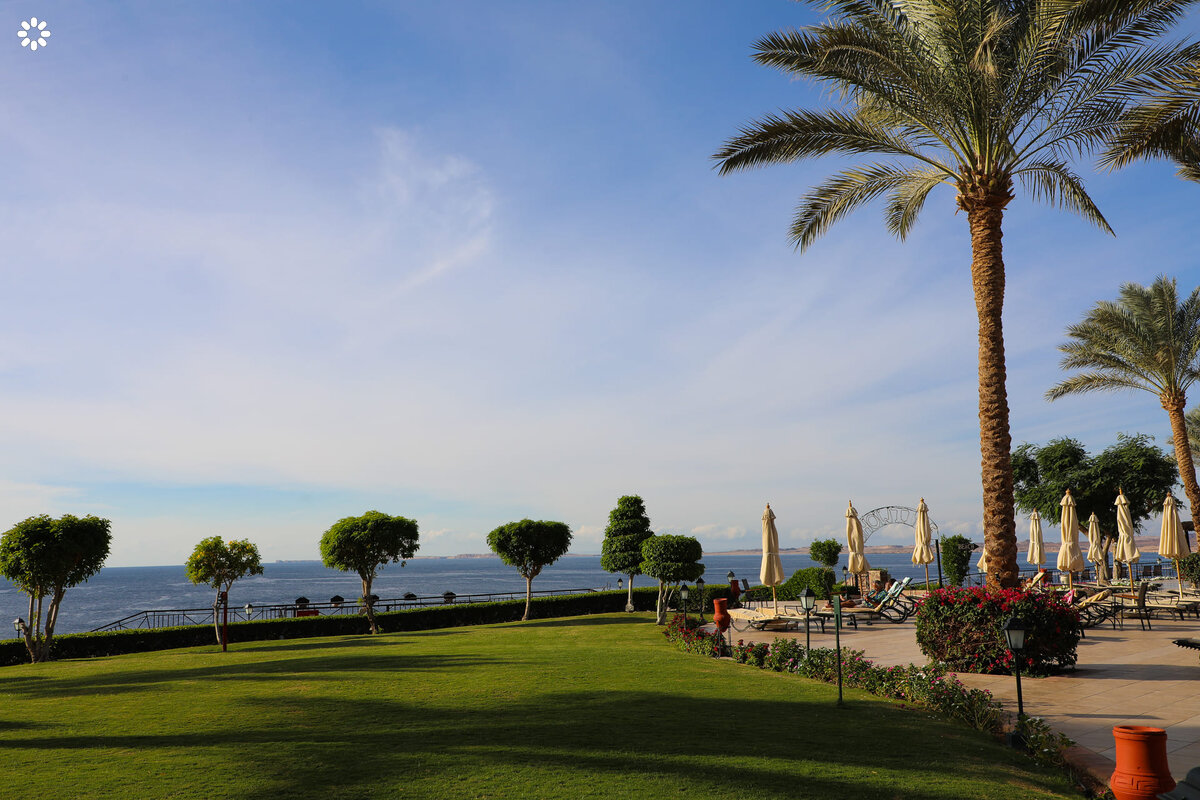
One practical recommendation:
Look at departures in the last week of October. Egypt's winter flight programme starts then, including a substantial expansion of year-round routes from Polish airports to the Red Sea, which means more departure days and more competition on the same week — while the sea is still barely a degree off its October opening temperature.


 Holidays


 Last minute


 Hotels


 Blog
Blog