In January the Red Sea holds 22–23°C. That is warmer than a hotel pool with no heating, which falls to roughly 18°C overnight, and warmer than the air once the sun has gone, when the thermometer reads 10–12°C. Across Hurghada, Sharm el-Sheikh and Marsa Alam the sea varies by about one degree, so the week is decided by the hotel you book and the reason you are going, not by the name on the resort sign.
What follows: how warm the water and the air really are at each resort, what to look for in a hotel listing, which resort suits which traveller in winter, how long a day trip to Luxor takes, which dates in January cost least, and what you need at passport control — set out separately for a visa and for the free Sinai stamp.
- You mainly want to swim in the sea → Water and air, Choosing a resort
- Travelling with children, the pool matters → Heated pools
- Luxor and the pyramids come first → Luxor and Cairo, Visas
- Looking for the cheapest dates → Flights and prices
- Wind on the beach bothers you → Heated pools, Choosing a resort
- You dive and want to know about wetsuits → Water and air
- You hold a Belarusian or Ukrainian passport → Visas
- You just want the answer → The short answer
Is January still a beach month in Egypt?
It comes down to one thing — whether you are going to swim, or going for sun and sightseeing.
January gives you eight to nine hours of sunshine within an eleven-hour day, one rainy day in the whole month and 22°C at midday. The beach works from about ten in the morning until three in the afternoon; after that the sun stops doing any real work. The water reads 22–23°C, which most adults will step into, though nobody swims for an hour and a child asks for a towel after fifteen minutes.
If your reference point is Egypt in August, when the sea reaches almost 29°C, January will feel like a different trip. The difference is not bad weather — there is nearly as much sun and virtually no rain. What changes is six degrees in the water, and the jumper you will reach for after five o'clock.
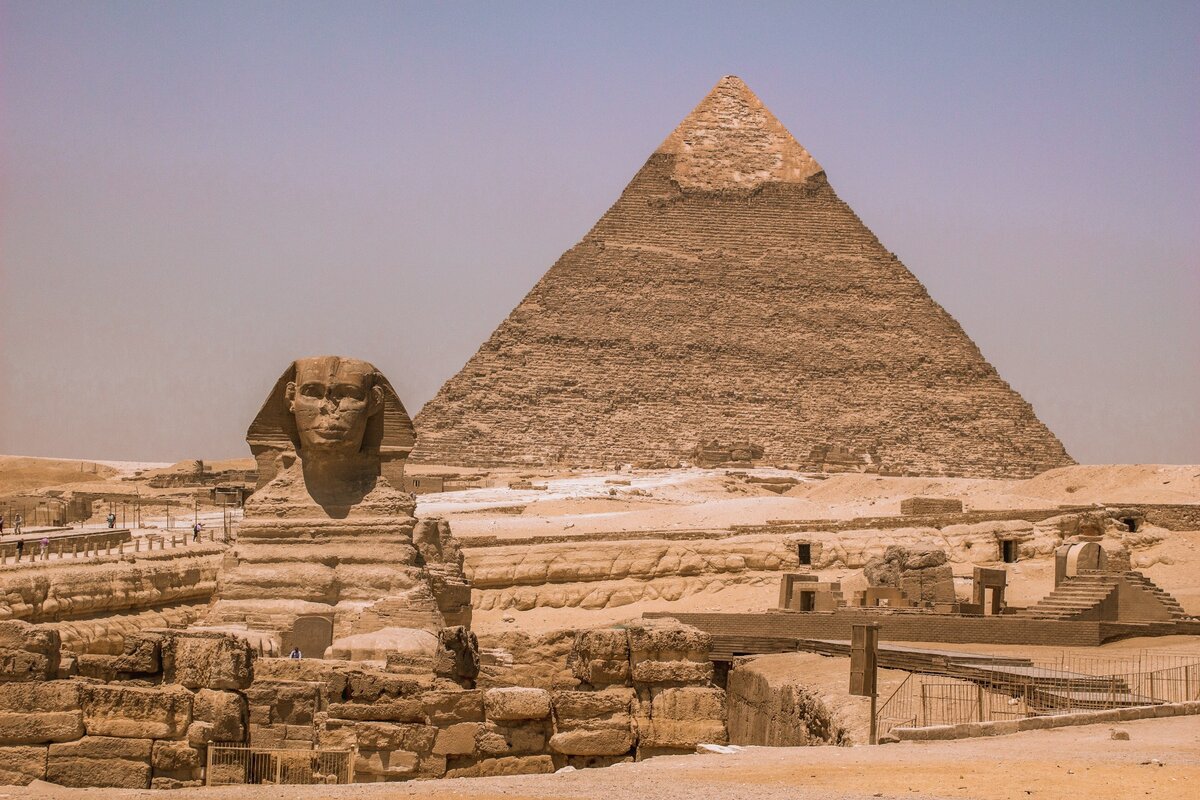
Everything that happens away from the beach, though, is at its best this month. Luxor holds 22–23°C and Cairo 19°C. You can walk the Valley of the Kings all day at an easy pace, whereas in July it reaches 41°C there and sightseeing is finished before eleven. Nile cruises are running at full capacity.
In short: go if you want winter sun, warm afternoons, a cheap week and a realistic shot at Luxor. Give it a miss if your idea of a good holiday is a swim before breakfast, several hours a day in the water and dinner outdoors in a T-shirt.
How the numbers look, resort by resort
Brochures suggest bigger differences than the thermometer finds. Marsa Alam lies furthest south and has the warmest water, yet it is less than a degree ahead of Hurghada. Sharm comes in a degree cooler, but its bays shelter the beaches, and in winter that counts for more than the degree does.
| Place | Sea | Day | Night | Worth knowing |
|---|---|---|---|---|
| Hurghada | 23°C | 22°C | 11°C | windiest of the three |
| Sharm el-Sheikh | 22°C | 22°C | 10–14°C | sheltered bays |
| Marsa Alam | 23°C | 20–21°C | 10°C | 1–2 mm of rain a month |
| Dahab | 23°C | 21°C | 10°C | wind along the open shore |
| Luxor | — | 22–23°C | 7–9°C | peak sightseeing season |
| Cairo | — | 19°C | 9–10°C | around 8 mm of rain |
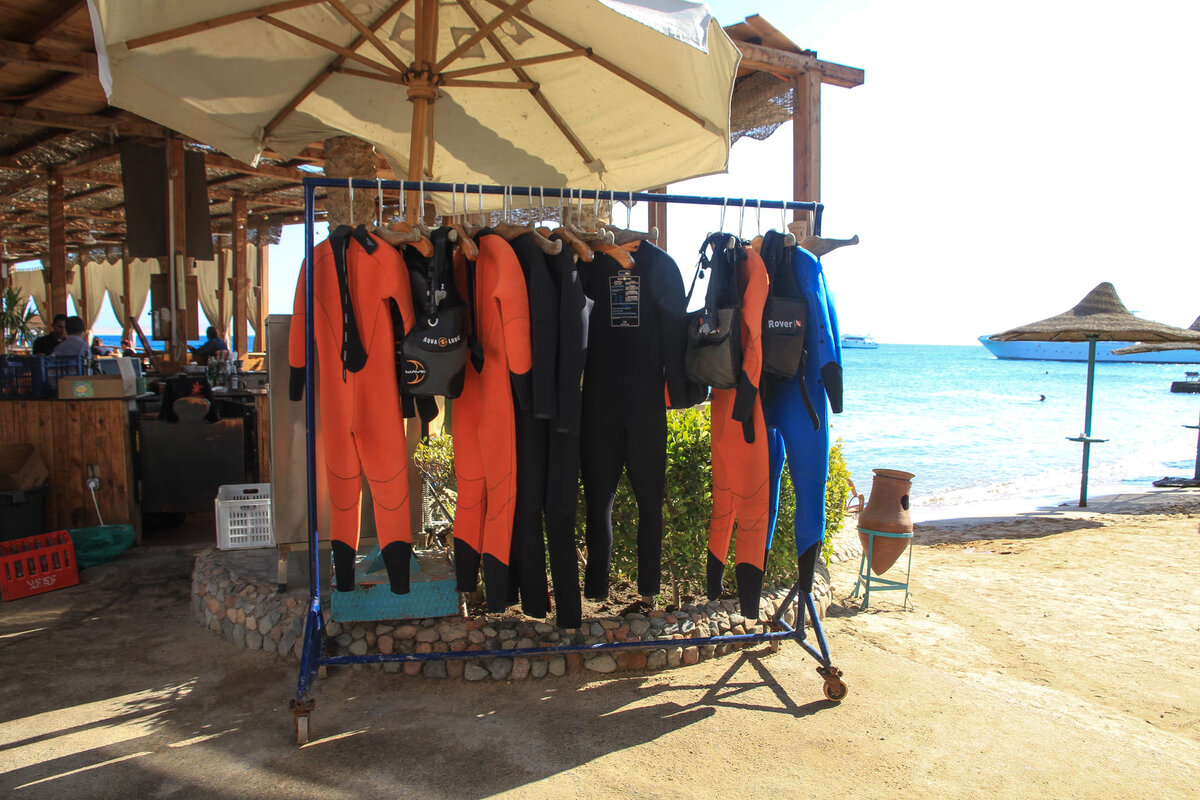
Readings taken in Hurghada over recent years range from 21.7 to 25.1°C, so one particular week can land well above or well below the average. Divers work in a 5 mm wetsuit from December through March, when temperatures at depth stay between 21.6 and 24.6°C; a shorty lasts exactly one dive before you notice.
What the table cannot show is how quickly the warmth goes. Around five o'clock the sun drops behind the hills and the air sheds several degrees within a quarter of an hour. A jumper, long trousers and closed shoes are not fussiness — they are what lets you sit outside after dinner. Ramadan in 2027 begins around 8 February, so a January trip falls outside it.
An unheated pool is colder than the sea
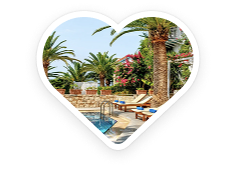
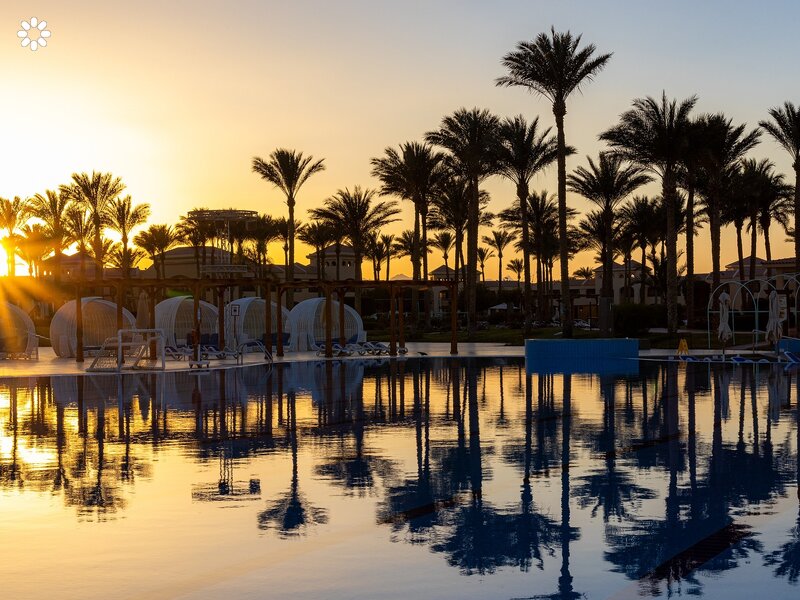
Here is the oddity of a winter trip: the pool is the coldest water on the property. A shallow basin gives up its heat through a 10°C night and cannot recover by lunchtime, while the sea, with tens of metres of depth beneath it, holds 22–23°C around the clock.
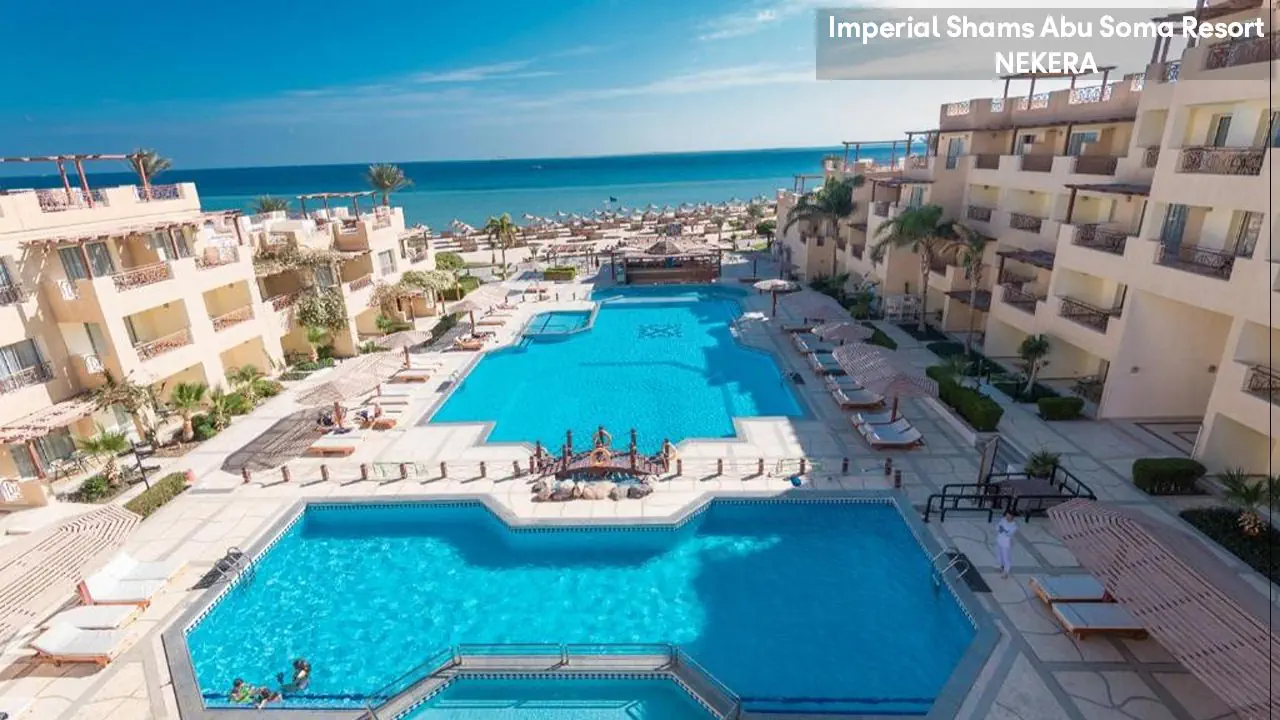
The larger hotel groups heat their pools to a calendar, and their own guest information usually names the window from 1 November to 30 April. Two things are worth confirming before you pay: whether the heating covers the whole pool area or only selected basins, and whether the slides and the water park keep summer opening hours in winter. December and January reviews regularly come from guests who found a cold basin despite the description.
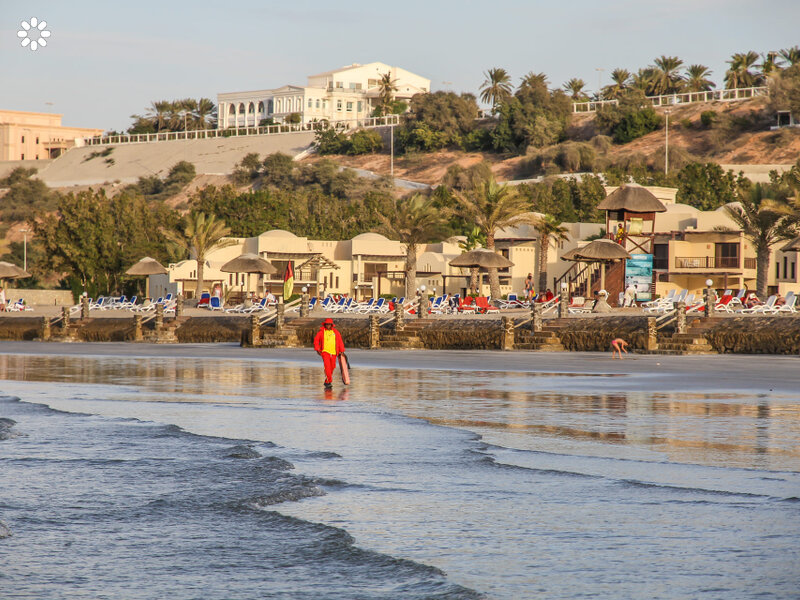
Wind is the second variable. A wide, open beach at 22°C with gusts can feel unpleasant even though the figures look like holiday figures. A bay, a sheltered lounger area and buildings that actually break the wind do more here than an extra star on the hotel.
Who is it for
For anyone who wants sun, warm afternoons and a pool they can genuinely use in midwinter — provided the basin is heated and the grounds are sheltered. Not worth it for someone planning early morning and evening swims: before ten and after five the air is around ten degrees cooler than the water, and getting out becomes the worst part of the day.
Which resort suits which traveller in winter
Since the water is much the same everywhere, the choice moves to shelter from the wind, the length of the transfer and what you plan to do besides lie down.
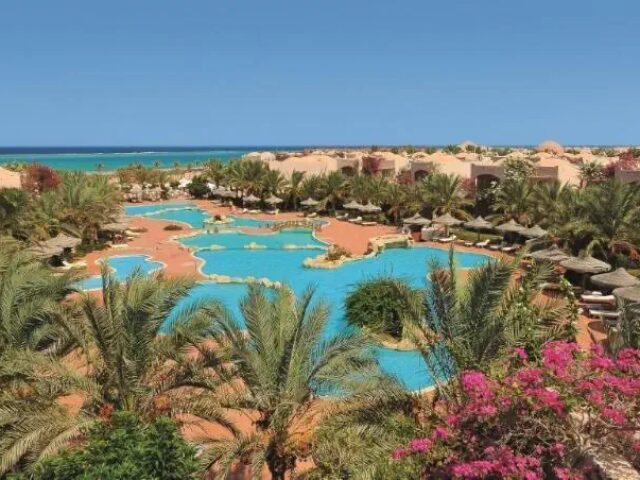
Marsa Alam has the warmest water and reefs close inshore; plenty of hotels give you reef access straight from the beach, which in winter saves an hour on a boat in the breeze. The air runs a degree or two cooler than in Hurghada, and the resort stretches a long way down the coast.
Sharm el-Sheikh is the safest choice in winter for how warm it actually feels, because the bays shield the beaches from the north. It is also the only destination you can enter on a free stamp rather than a paid visa, with the limits explained below.
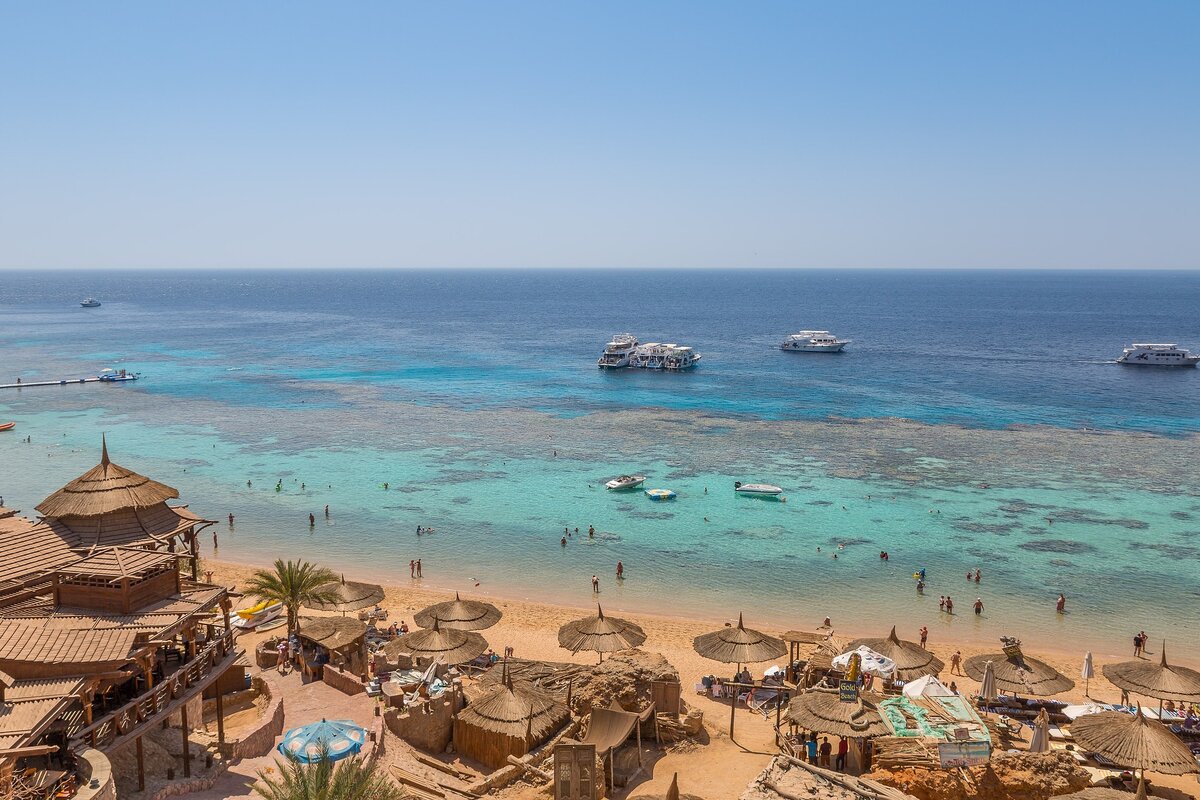
Hurghada wins on logistics: the widest choice of hotels at every budget, water parks, the shortest road to Luxor and the most departure dates. The trade-off is wind — this is the breeziest of the three, excellent for kitesurfing and less so for a lounger on an exposed shore.
El Gouna and Makadi Bay both sit within reach of Hurghada airport and are considerably quieter; Makadi in particular is where the big family hotels with slides are concentrated. Dahab runs on different rules altogether: it suits divers and people who spend their days outside the hotel rather than on its grounds.
Flight from Warsaw: Hurghada and Sharm about 4 hrs 20 min, Marsa Alam about 4 hrs 40 min
Airport transfer: anything from 15 minutes to 2.5–3 hours, depending on how far out the hotel zone is
For the evening: a jumper and long trousers — temperatures fall fast after 5 pm
Who is it for
For families and couples who want predictable weather and a short drive from the airport, which points to Hurghada, Makadi or Sharm rather than the outlying zones. Not worth it to take a hotel at the far end of the Marsa Alam coast on a seven-night booking if you dislike long drives: three hours each way removes half of your first day and half of your last.
Put Luxor in the first half of your week
This is the argument that works harder in winter than in high season. In the Nile valley the temperature falls to a level where a full day outdoors is comfortable: Luxor 22–23°C, Cairo 19°C. By comparison, July in Luxor reaches 41°C and the tour ends before midday.
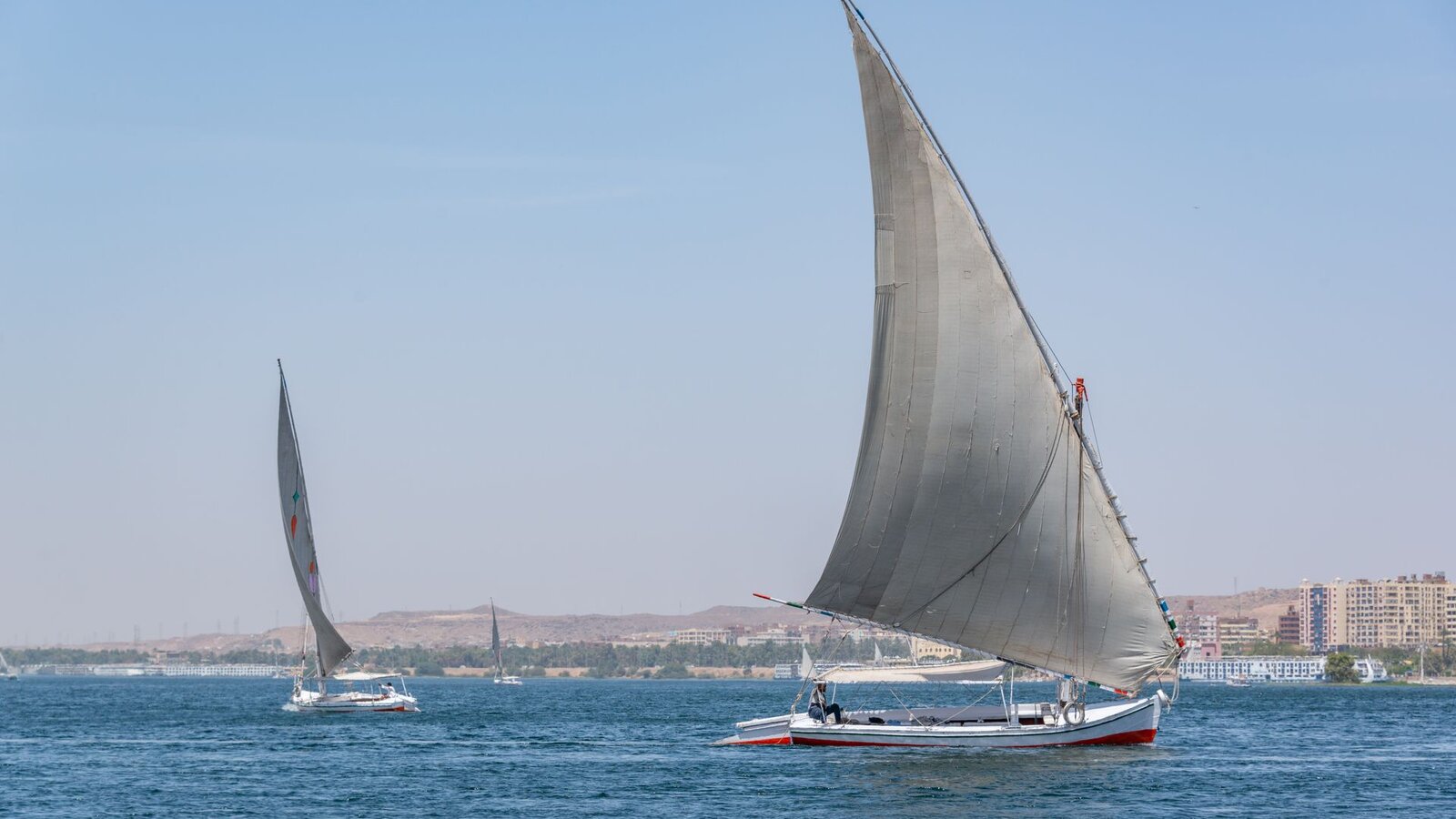
Hurghada to Luxor is 300 km and under four hours on Highway 60. From Marsa Alam it is 350 km and a little over four hours. A coach day covering Karnak, the Valley of the Kings and the Temple of Hatshepsut takes most of a day and night once travel is counted, leaving before dawn; operators typically describe it as eighteen hours door to door. Sharm el-Sheikh offers a different set: Ras Mohammed, the Coloured Canyon and the overnight climb up Mount Sinai for sunrise.
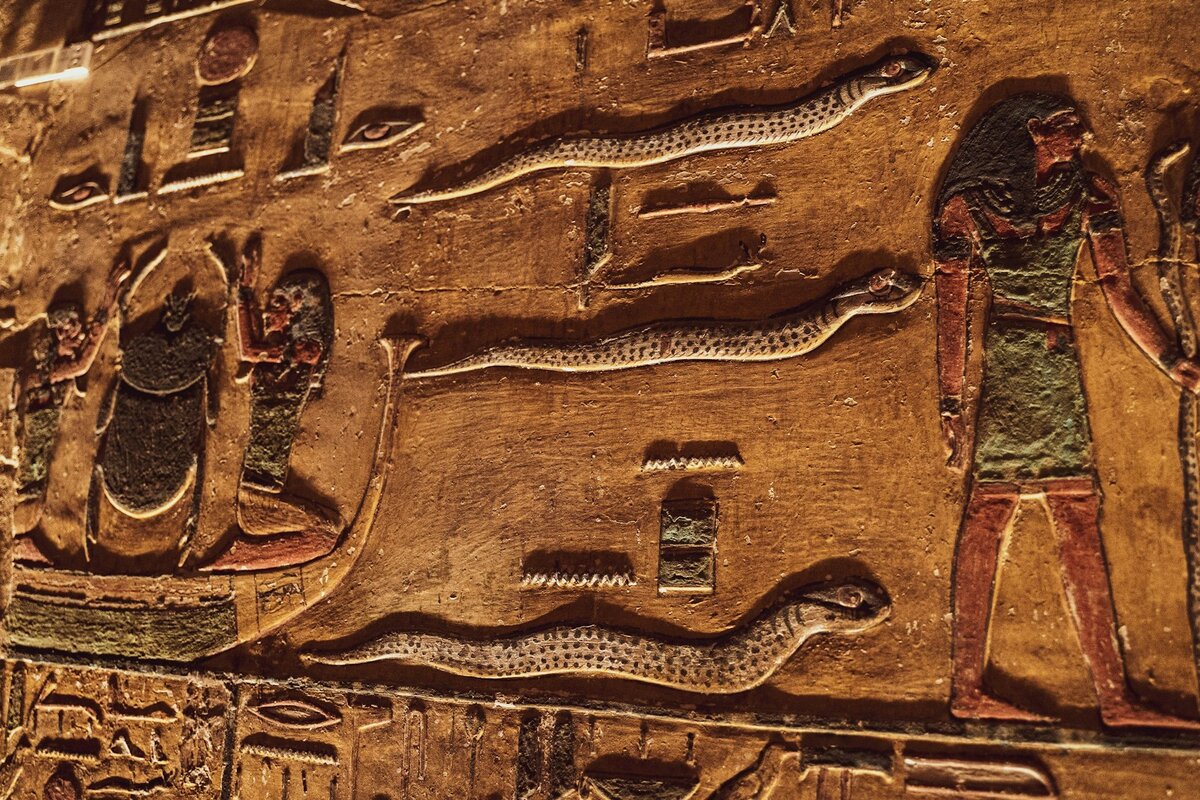
Coptic Christmas falls on 7 January. Cairo and Upper Egypt look unlike their usual selves that day, though some sites keep altered hours, so confirm the running order with your rep rather than assuming it.
What to do
- Book the Luxor trip for the first half of your stay, so that a windy day costs you beach time rather than the excursion
- Read the week's forecast and save the lounger days for when the wind eases
- Take a jumper and something for your ears on the coach — a four in the morning departure happens at 8–10°C
- Price a flight to Cairo against the full-day coach; the journey takes an hour instead of most of the daylight
- If you dive, reserve a 5 mm wetsuit when you book rather than at the centre, because sizes go first in winter
Hurghada to Luxor: 300 km, under 4 hours on Highway 60
Marsa Alam to Luxor: 350 km, a little over 4 hours
Nile cruises: January is the height of the season and dates go early
Who is it for
For travellers who come to Egypt for the temples and museums first and treat the beach as a bonus — no month in the year gives them better conditions. Not worth it to arrive in Sharm on the free Sinai stamp with that plan, because the stamp covers the peninsula only and a full visa is required for Luxor or Cairo.
What a week costs and when it costs least
Getting there changes this winter. From 25–27 October 2026 Wizz Air opens ten year-round routes from five Polish airports to the Red Sea: Modlin to all three resorts, Katowice to all three, Gdańsk to Sharm el-Sheikh and Marsa Alam, Kraków to Marsa Alam, Wrocław to Hurghada. That comes to 30 flights a week and roughly 6,000 seats each way, with one-way fares starting at 259–309 PLN. Mind the airport: these go from Modlin, not from Warsaw Chopin. Tour operator charters continue as before, including from Poznań, Rzeszów and Berlin.
What you pay depends mostly on which week you land on. The first days of January still carry New Year pricing and are the dearest departures of the month, with the better hotels largely gone. From 8 to 17 January prices are the lowest of the winter, because occupancy is at its thinnest. From 18 to 31 January the first round of Polish school holidays begins, covering the dolnośląskie, łódzkie, opolskie, podkarpackie, podlaskie and śląskie regions; family hotels with slides empty out fastest then, and departures from Katowice and Wrocław rise more sharply than the rest. The second round runs from 1 to 14 February and takes in mazowieckie, so Warsaw families feel the squeeze a fortnight later.
Actual figures from January 2027 offers, checked in September 2026: a week of all inclusive departing Katowice starts at 1,570 PLN per person in the simplest hotels, while the standard most people picture costs 2,100–2,150 PLN per person. For two people over seven nights that works out at roughly 3,200–8,000 PLN, depending on the hotel and the date. Treat these as indicative — the closer to departure, the further apart they get.
Cheapest dates: 8–17 January, between New Year and the school holidays
First holiday round: 18–31 January 2027
Seven nights for two: 3,200–8,000 PLN all inclusive, indicative
Who is it for
For anyone whose dates are flexible: moving a departure by one week changes a January booking by several hundred PLN per person. Not worth it to travel during the school holiday round expecting to pick a hotel at the last minute — family properties with a heated pool sell out first, and what remains is what others turned down.
Visas: what your passport decides
Entry rules follow the citizenship in your passport, not where you live. A Polish residence card is not a substitute for a passport and gives no right of entry to Egypt, and a Schengen visa is of no use there either. Your passport must be valid for at least six months from your return date, and a child with their own passport needs their own visa.
Since 1 March 2026 a single-entry tourist visa costs 30 USD and allows a stay of up to 30 days. You can arrange it in advance on the government e-Visa portal — allow about a week for the application — or buy it on arrival. Since 1 August 2026 Cairo airport has been running a pilot digital visa on arrival with a QR code instead of the paper sticker, coming to around 36 USD with the service fee. The pilot covers Cairo only, and paper stickers remain valid. From 1 January 2027, the standard visa fee will increase from USD 30 to USD 33, while the digital visa on arrival in Cairo will cost USD 39.
The stamp, SINAI ONLY, is issued on arrival in Sharm el-Sheikh, Dahab, Taba and Nuweiba. It costs nothing and allows up to 15 days inclusive on the Sinai Peninsula, but it does not extend to Hurghada or Marsa Alam, nor to any trip to Luxor or Cairo. If your plans change once you are there, you obtain the visa yourself at the tourist police office in Sharm el-Sheikh.
The Polish Ministry of Foreign Affairs advises against all travel to the North Sinai governorate, to the areas bordering Libya and Sudan, and to the Nile valley between Aswan and the Sudanese border, Abu Simbel excepted. The Red Sea resorts operate normally, but the advisory level is updated from time to time, so check the current notice on gov.pl before you pay and register your trip in the Odyseusz system.
Checklist before booking:
- Passport valid for at least six months beyond your return, for every traveller including children
- Written confirmation that the hotel heats its pool in winter, and whether that covers the whole pool area
- Transfer time to your specific hotel rather than to the resort in general
- Type of beach: a bay or an open shore, which changes how the same 22°C feels
- Entry route: a full visa if Luxor, Cairo or anywhere beyond Sinai is on the list
- The current advisory level and registration in Odyseusz
Common mistakes:
- Taking the Sinai stamp with sightseeing planned. Free entry looks like a saving of 30 USD right up to the moment Luxor comes off the list.
- Choosing a hotel without checking the pool heating. In January an unheated basin reads about 18°C and goes unused for most of the day.
- Comparing resorts by sea temperature. One degree separates them, while wind and shelter decide how the beach feels.
- Packing for July. Evenings drop to 10°C, and without a jumper and long trousers dinner outdoors is off.
- Leaving school holiday dates late. Between 18 and 31 January the family hotels with water parks go first.
- Relying on a residence card. It means nothing at the Egyptian border; you travel on a valid passport from your own country.
Book it for the sun, skip it for the swimming
Yes if you want sun and sightseeing. No if you want a warm sea from morning to night.
A couple without children get the best weather-to-price ratio of the whole winter, plus a genuine chance to fit Luxor into the same week as the beach. A family with small children need one thing to make it work — a heated pool; without it the holiday shrinks to five hours a day beside a lounger. Divers get the calmest reefs of the year, albeit in a 5 mm wetsuit. Anyone flying purely to swim will be far happier in May or October.
Egypt
One practical point to finish on:
When two hotels cost much the same, take the one in a bay even if its rooms read less impressively. In January the wind takes away more than a few square metres and a balcony view ever will, and no line in the listing puts a number on it.

 Holidays


 Last minute
 Hotels


 Blog