The single most useful fact about Malta is that the sea runs about two months behind the air, and almost every mistake people make about when to visit comes from ignoring it. In spring the island looks like a swimming holiday — 22°C days, wildflowers, clear light — but the water is still 16–17°C and genuinely cold. In autumn the calendar says the season is ending, yet the sea holds 24–25°C into November because it spent all summer absorbing heat. So Malta in May and Malta in October can show the same air temperature and be completely different holidays: one is for walking, the other for swimming. Get that backwards and you have packed for the wrong island.
This guide takes the four seasons in turn and tells you what each is actually for — spring for sightseeing and hiking, summer for beaches and the festa calendar, autumn for the warmest swimming of the year, winter for cheap city breaks and diving — with the specific months inside each season that stand out, honest notes on what not to do, and the practical facts on flights, prices and entry so you do not need to look anywhere else.
- Sightseeing, hiking, wildflowers → spring (March–May)
- Beaches, festas and nightlife → summer (June–August)
- The warmest sea of the year → autumn (September–November)
- Cheap city breaks and diving → winter (December–February)
- The one-line answer → when to go, by priority
- What a week costs → prices and flights
- Passport and Schengen questions → entry rules
Why the sea lag decides everything
Water is considered comfortable for swimming from about 20°C, and in Malta that threshold is met for roughly six months — but not the six months most people expect.
Malta has one of the longest swimming seasons in Europe and the highest average annual sea temperature on the continent, but the warmth is loaded into the back half of the year. The water is coldest around February and March at roughly 15–16°C, warms slowly through spring, and only becomes comfortable from June. It peaks in August and September at around 25–26°C and stays swimmable for many people well into November before it finally cools. That long tail is the whole reason autumn is underrated and spring is oversold: in October the air has eased into the low-to-mid 20s while the sea is still warmer than it ever gets in June.
The practical rule that follows is simple. If your holiday is built around being in the water, the second half of the year beats the first half at the same air temperature. If it is built around being on your feet — Valletta, Mdina, the temples, the Gozo cliffs — spring and autumn both work and summer is the one to avoid. Fix which of those two holidays you want before you pick a month, because Malta will happily sell you the wrong one.
| Season | Air, day | Sea | Crowds | Best for |
|---|---|---|---|---|
| Spring (Mar–May) | +16–24°C | +15–19°C | Low, rising in May | Sightseeing, hiking, wildflowers |
| Summer (Jun–Aug) | +28–34°C | +23–26°C | Peak | Beaches, festas, nightlife |
| Autumn (Sep–Nov) | +20–29°C | +20–26°C | High in Sep, easing | Warmest swimming, diving |
| Winter (Dec–Feb) | +14–17°C | +15–16°C | Lowest | City breaks, diving, value |
Spring: the island at its green best, but a cold sea
March to May is the sightseeing and walking season — warm on land, quiet at the sights, and a brisk dip if you brave the water.
Spring is when Malta looks its best on land. The countryside greens up after the winter rains and the wildflowers are out across Gozo and the rural areas before the summer heat browns everything, usually through March and April. Days climb from around 16°C in March to the low 20s by May, the light is clear, and the major sites — Valletta, Mdina, the megalithic temples, the Three Cities — can be walked without the summer sweat and without the summer crowds. What spring is not, despite how it looks, is a swimming season: the sea sits at 15–17°C for most of it and only reaches a manageable 18–20°C by late May. This is the exact opposite of autumn, and the most common spring mistake is booking a beach hotel and finding the water too cold to enjoy.
Flight from Warsaw: about 3 hours direct
7 nights for two: 2 400–4 800 PLN, well below summer, rising through May
Air and sea: +16–24°C air across the season; sea +15°C in March to +19°C by late May
Rain: tapering off from the winter wet; April averages only around five rainy days
Who is it for
Anyone whose Malta is history, walking and photography rather than the beach: the temples, the walled cities and the Gozo coast are all at their most comfortable now. April in particular is close to ideal for combining sightseeing with outdoor activity, and Easter — if it falls late — brings colourful church processions while prices stay well below peak. Not worth it as a beach or swimming holiday: the sea is cold enough that only hardy swimmers will enjoy it before late May, and a resort chosen for its bay will underdeliver. If lying on a beach is the point, wait for the second half of the year.
What to do
- Walk the Gozo coast and the countryside while it is still green and the wildflowers are out — a spring-specific window that closes once summer browns the landscape
- Do Valletta, Mdina and the megalithic temples on foot now, when the same walk is punishing in July
- Take the Gozo day trip in April or May rather than August; the ferry and roads are far quieter and the walking is pleasant
- Time a late-March visit to Easter if you want the processions, but check the date, as it moves year to year
- Pack for land, not sea: shirtsleeves for the day, a layer for the evening, and leave the expectation of long swims at home
Summer: beaches, world-class fireworks and one long festival
June to August is peak season in every sense — the warm sea arrives, and so do the crowds, the heat and the prices.
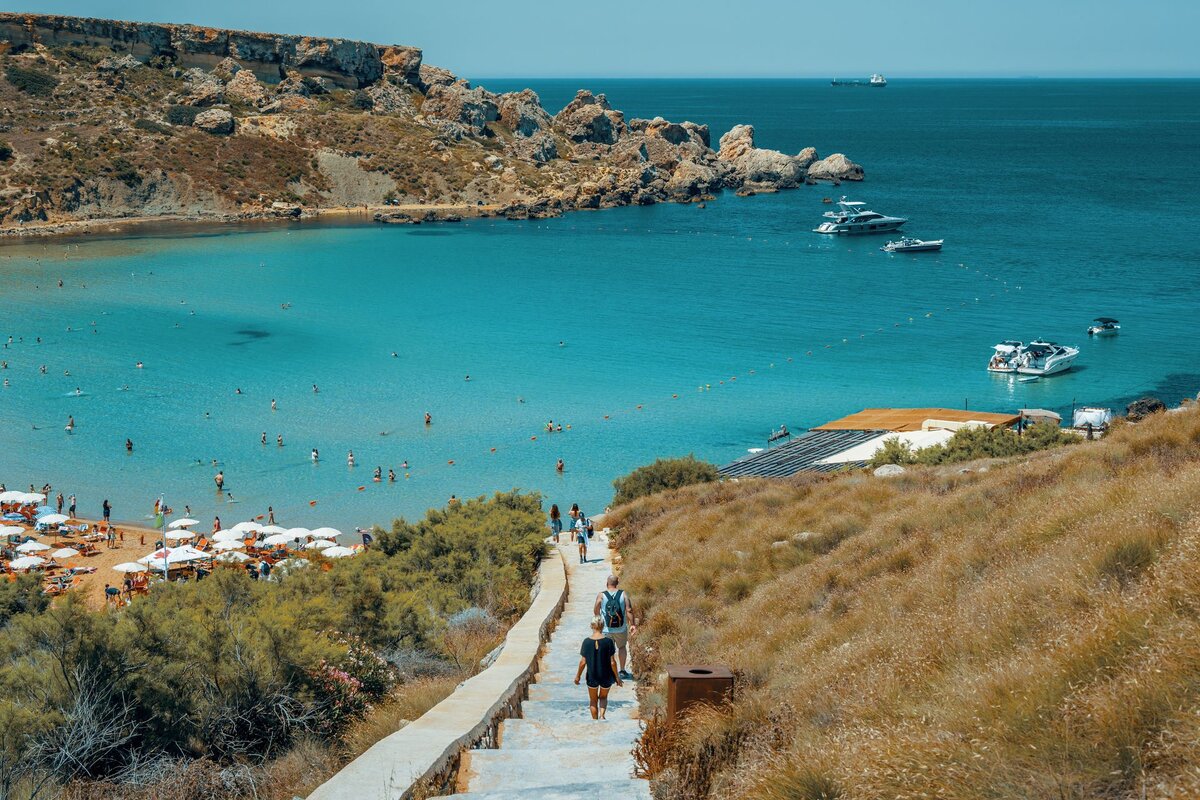
Summer is what most people picture and it delivers the picture: hot, dry days from 28°C to the mid-30s, a sea that finally warms through 23°C in June to 26°C in August, and the islands' famous social calendar in full swing. This is festa season, the uniquely Maltese part of the year most tourists miss: from June through September almost every village holds a weekend feast for its patron saint, with brass-band marches, illuminated churches, street food and fireworks displays that genuinely rival professional shows — Malta's pyrotechnic artisans are among the best in the world, and most festas are free. Layered on top are the big set-pieces: Isle of MTV in July, a free open-air concert drawing tens of thousands, plus jazz, beer and electronic festivals through August. The cost is real, though: July and August are hot, crowded and expensive, the good beaches fill early, and the small road network struggles on big event nights.
Flight from Warsaw: about 3 hours direct, most frequent in summer
7 nights for two: 4 500–9 500 PLN, the annual peak, higher again around headline events
Air and sea: +28–34°C air, sea +23°C in June rising to +26°C in August
Book ahead: accommodation near Valletta, Sliema and St Julian's sells out weeks before Isle of MTV and the August festivals
Who is it for
Beach and sea lovers who want guaranteed warm water, festival- and nightlife-goers drawn to Paceville and the summer events, and anyone who specifically wants the festa experience, which peaks now and at no other time. Families get reliable beach weather, if they can handle the heat. Not worth it for sightseeing-led trips: Valletta, Mdina and the temples are unshaded and genuinely unpleasant to walk at midday in a July heatwave, and the crowds are at their worst. It is also the wrong season for anyone on a budget or anyone who dislikes crowds — prices peak, the beaches are busy, and the value simply is not here. Consider late June, which gives you warm sea and festa season before the worst of the July–August crush.
What to do
- Drop into any village festa on a summer weekend — they look like local affairs, which is exactly why they are worth attending; arrive early and expect world-class fireworks after dark
- Get to the sandy beaches — Golden Bay, Paradise Bay, Għajn Tuffieħa — before 10am, because they fill fast in peak season
- Check the Isle of MTV date if you want the free July concert, and book your bed weeks ahead if you do
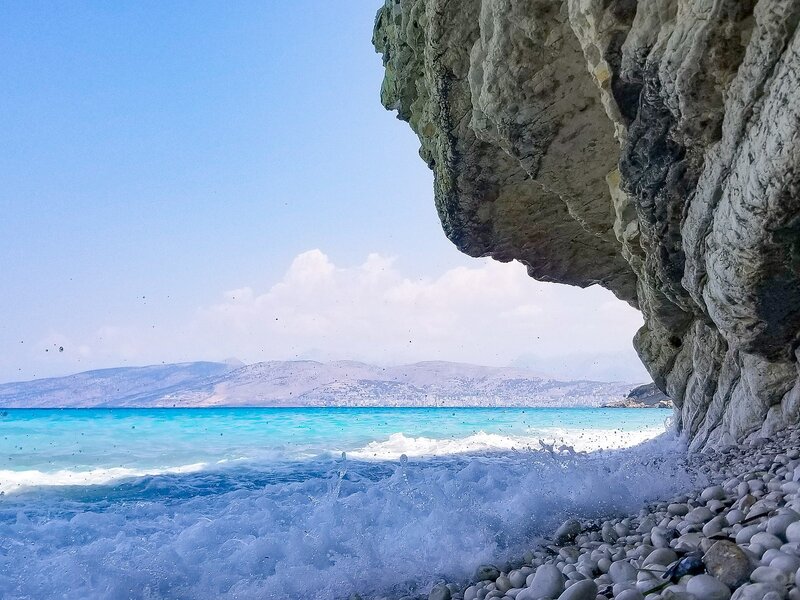
- Swim and snorkel in the early morning or evening rather than the fierce midday sun, and use the rocky Sliema and St George's Bay entries when the sandy beaches are packed
- Save the walled cities and temples for a cooler day trip or the early morning, not the afternoon
Autumn: the warmest swimming of the year, and the island's best-kept secret
September to November is where the sea lag pays off — beach weather that matches August, with thinner crowds and falling prices.
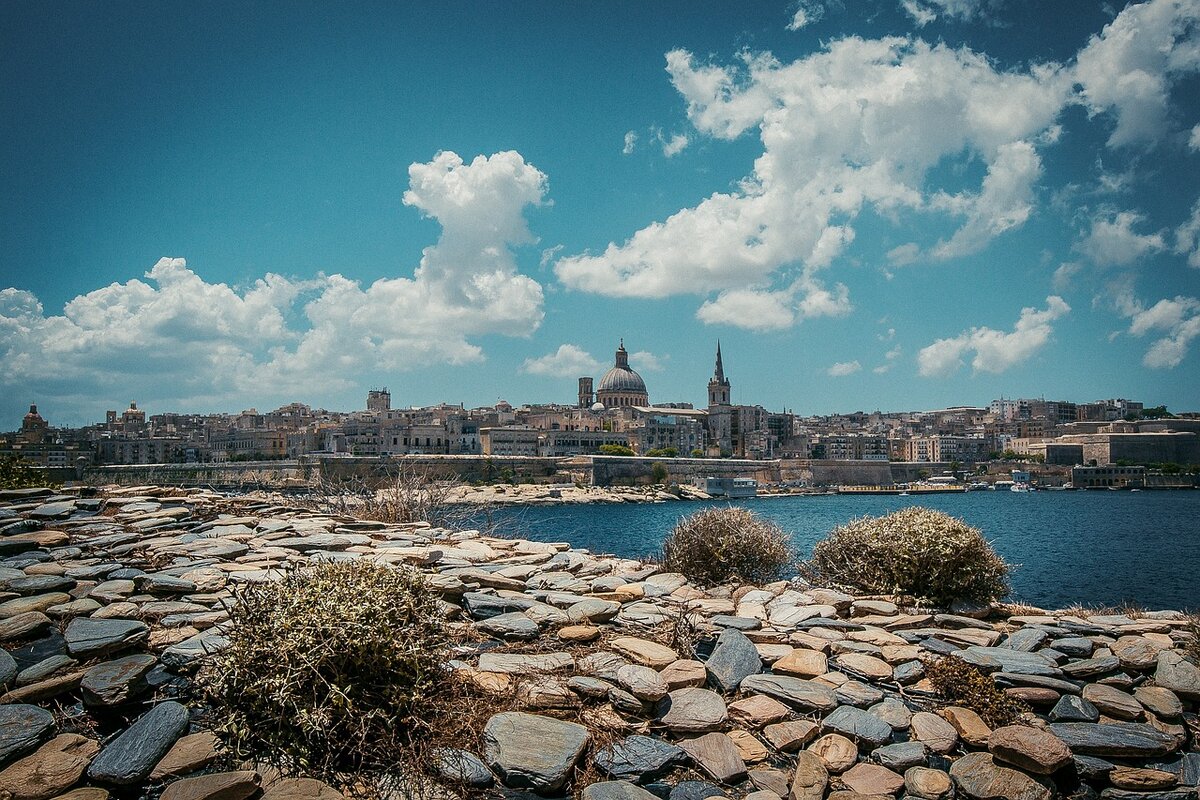
Autumn is the season the sea lag rewards, and it is the most underrated time to visit. The intense summer heat breaks, but the water retains everything it absorbed over the summer: the sea holds around 25–26°C in September and a comfortable 23–24°C through October, staying swimmable for many people into November. In other words, September and October deliver the same beach benefits as August with meaningfully fewer people and lower prices, while the air eases into the pleasant low-to-mid 20s that make sightseeing comfortable again. September is the standout for value — high-summer sea, post-peak prices, quieter sights, and the festa season still running into its close. October adds the cultural calendar: Notte Bianca in Valletta, when the capital stays open all night with free museums and open-air concerts, plus the harvest wine and food festivals in the rural villages. November is the turn towards winter — the warm tail finally cools and rainfall rises — but it is still milder and drier than a northern European autumn.
Flight from Warsaw: about 3 hours direct
7 nights for two: 3 000–6 000 PLN in September, falling further through October and November
Air and sea: air +29°C in September down to +20°C in November; sea +26°C in September, +24°C in October, upper teens by late November
Best all-rounder: late September to mid-October — warm sea, comfortable air, thinner crowds, lower prices
Who is it for
Almost everyone: swimmers get August's sea without August's crowds, sightseers get comfortable walking weather, and value-seekers get post-peak prices while the water is still warm. It is the best single recommendation on this page for a traveller who wants both beach and culture in one trip. September suits those who still want summer energy; October suits those who want the balance of warm sea and cool air; both beat June for swimming. Not worth it only in late November if a warm sea is essential — by then the water is cooling towards the upper teens and the weather is turning, so a late-autumn trip is better framed as a mild city break than a beach holiday. Booking November expecting September is the one autumn misstep.
What to do
- Swim through September and October, when the sea is warmer than it is in June and the beaches are far calmer than in August
- Time a visit to Notte Bianca in early October for one of the best cultural nights of the year in Valletta — free museums, closed streets, open-air concerts
- Catch the harvest wine and food festivals in the rural villages, an autumn-specific pleasure tied to the grape harvest
- Dive now, while the sea is still warm and the summer boat traffic has thinned — Malta is a major shore-diving destination
- Book late September to mid-October first if your dates are flexible; it is the sweet spot the regulars quietly rely on
Winter: cheap, mild, and surprisingly alive
December to February is Europe's mildest winter city break — low prices, empty sights, short days and a cold sea.
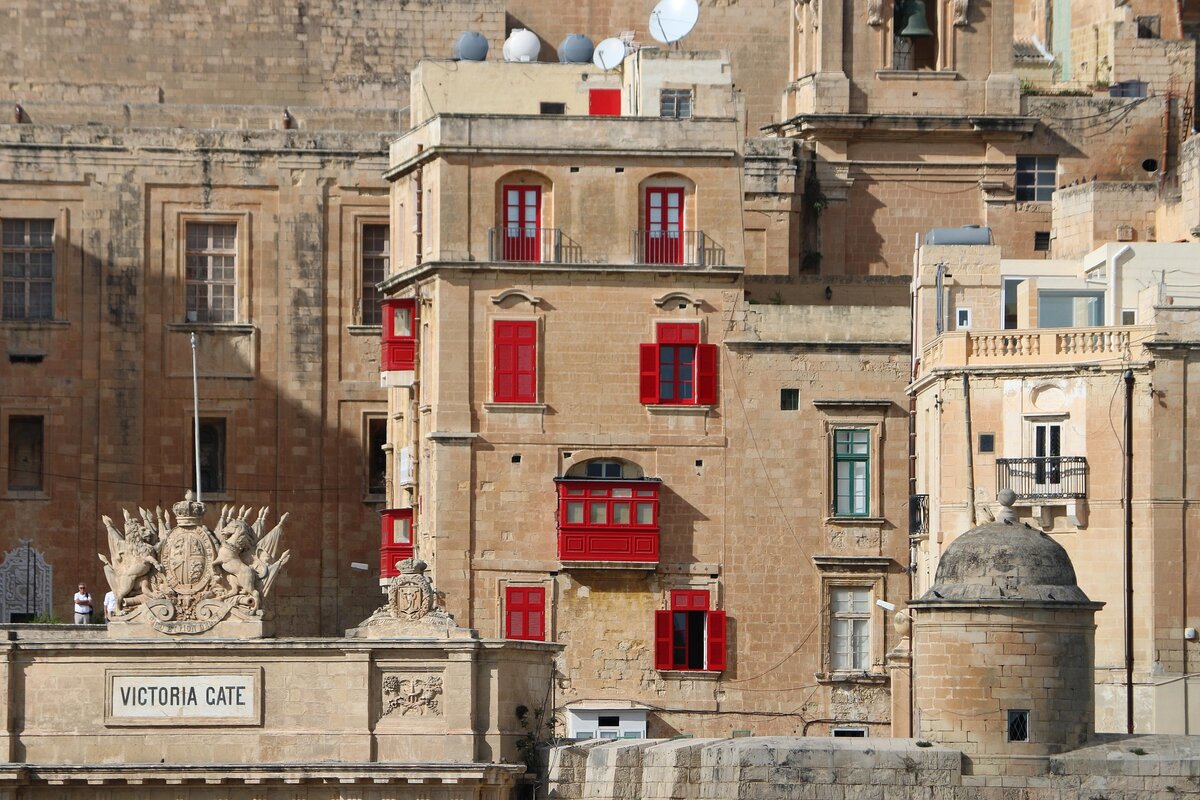
Malta's winter is not a beach season, but it is a genuine destination in a way most Mediterranean islands are not, because it stays mild and it does not shut down. Days hold at 14–17°C — Malta gets roughly twice the winter sunshine of London or Paris — and while evenings are cool and coastal winds can bite, hard frost is unknown. This is the cheapest and quietest time of year, ideal for Valletta's museums, Mdina's silent alleys and the temples without a crowd or a bead of sweat. The calendar keeps going too: Valletta's Christmas season and markets in December, the Valletta Baroque Festival in January, and Carnival in February — five days of colour, costumes and floats in Valletta and Floriana, with a wilder, adult-skewing version in Nadur on Gozo. The sea is 15–16°C, so swimming is a wetsuit affair, but diving continues year-round thanks to sheltered shore sites, and December brings the highest rainfall of the year without ever being reliably wet.
Flight from Warsaw: about 3 hours direct, though schedules thin out compared with summer
7 nights for two: 2 000–4 000 PLN, the annual floor outside the Christmas and New Year window
Air and sea: +14–17°C by day, cooler evenings; sea +15–16°C, wetsuit swimming only
Carnival 2026: 13–17 February, Valletta and Floriana, with the adult Nadur Carnival on Gozo the same dates
Who is it for
City-break travellers, history and culture lovers, divers, and anyone chasing winter sun on a budget who does not need to swim. It is the best-value window Malta offers, and the sights are at their most atmospheric empty. Carnival in February is a genuine reason to time a trip. Not worth it for a beach or swimming holiday of any kind — the sea is cold, the beach infrastructure is closed, and lidos and lifeguards are gone. It is also less suited to anyone who needs long days, since winter daylight is short and some rural services run reduced hours. Come to Malta in winter for the cities and the value, not for the coast.
So when should you actually go?
The honest answer depends entirely on what your holiday is made of — and the sea lag means the intuitive month is often the wrong one.
If you want the best all-round trip — warm sea and comfortable sightseeing in one — go in the shoulder season, roughly mid-May to June and September to October, with late September to mid-October the single strongest window on the island. If swimming is non-negotiable, the second half of the year beats the first: choose September or October over June for warmer water and fewer people, and treat spring as a walking holiday rather than a beach one. If your Malta is history, hiking and photography, spring and autumn both deliver, and summer is the season to avoid for the heat and crowds. If you want festas, fireworks and nightlife, summer is the only time that peaks. And if you want the cities cheap and empty, winter is unbeatable, provided you did not come to swim.
One practical recommendation:
Decide first whether you are a swimmer or a walker on this trip, because that single choice flips the calendar. Swimmers should anchor on September–October; walkers should anchor on April–May or October. The one combination that disappoints is the intuitive one — booking spring for the beach because the air looks warm — and avoiding that mistake is most of what planning a Malta trip well comes down to.
| If you want… | Best window | Why | Avoid |
|---|---|---|---|
| Best all-rounder | Late Sep–mid Oct | Warm sea, cool air, lower prices | Late Nov (sea cooling) |
| Swimming and beaches | Sep–Oct, or Jul–Aug | Warmest sea, autumn far quieter | Spring (cold sea) |
| Sightseeing and hiking | Apr–May, Oct | Green land, comfortable walking | Jul–Aug (heat, crowds) |
| Festas and nightlife | Jun–Aug | Festa season and festivals peak | Winter (quiet) |
| Value and empty cities | Dec–Feb | Lowest prices, mild, uncrowded | If you need to swim |
Prices, flights and getting around
Malta is a three-hour direct flight from Warsaw, and the price swing across the year is large enough to be a planning factor in itself.
A week for two runs roughly 2 000–4 000 PLN in winter, 2 400–4 800 PLN in spring, 3 000–6 000 PLN in September easing down through autumn, and 4 500–9 500 PLN at the summer peak — with headline events and the Christmas–New Year window pushing the top end higher. The pattern rewards the shoulder seasons twice over: you get the best conditions and close to the lowest prices at the same time, which is unusual. Flights are most frequent in summer and thin out in winter, so off-season trips need a little more scheduling care.
On the ground, Malta is small but its road network is modest and buses are the main public option; they are cheap but slow and crowded on event nights. Ferries link Malta to Gozo and across Valletta harbour to Sliema and the Three Cities. A day trip to Gozo is far more pleasant in spring or autumn than under the August sun, with quieter ferries and roads. There is no accommodation tax collected per night at reception in the way some Mediterranean destinations charge; Malta applies only a very small environmental contribution per night, capped low.
| Season | 7 nights, two people | Crowds | Sea usable? |
|---|---|---|---|
| Winter (Dec–Feb) | 2 000–4 000 PLN | Lowest | Wetsuit only |
| Spring (Mar–May) | 2 400–4 800 PLN | Low, rising | Cold until late May |
| Autumn (Sep–Nov) | 3 000–6 000 PLN | Easing from high | Yes, into November |
| Summer (Jun–Aug) | 4 500–9 500 PLN | Peak | Yes, warmest Aug |
Entry rules for travellers from Poland
Malta is inside the Schengen area and the EU, which makes entry simpler than for Turkey or Egypt — and changes what matters on your documents.
Because Malta is in Schengen, the questions that catch people out on non-Schengen trips work differently here, and a Polish residence card carries real weight rather than none.
- EU and EEA citizens, including Polish nationals: free movement applies. You can enter with a valid passport or national ID card, with no visa and no fixed six-month validity rule; the card only needs to be valid for your stay. This is the simplest entry of any destination in this series.
- Non-EU nationals resident in Poland: a Polish residence permit lets you travel within Schengen, so a trip to Malta does not require a separate visa — unlike Turkey or Egypt, where your passport nationality decides and the residence card counts for nothing. Carry the residence card together with your passport.
- Ukrainian nationals: holders of biometric passports have visa-free short-stay access to the Schengen area, and those under temporary protection in Poland can travel on that basis; carry the documents that evidence your status.
- Belarusian nationals: a Schengen visa is generally required unless you already hold a Polish or other Schengen residence permit, in which case that permit governs your travel.
- The 90/180 rule: non-EU visitors relying on visa-free access may stay up to 90 days in any 180 across the whole Schengen area, Malta included — time spent in other Schengen countries counts against the same allowance.
Rules can change; confirm the current position for your nationality before booking if you are travelling on anything other than an EU passport.
Checklist before booking:
- Decide whether this is a swimming trip or a walking trip — it flips which months work and is the single most important choice.
- If you want to swim, book the second half of the year; September and October beat June at the same air temperature.
- If you want sightseeing, target April–May or October and keep midday summer off the list.
- For the best all-round trip, aim at late September to mid-October and book early, because it is no secret.
- Match the base to the season: a beach resort in autumn or summer, a Valletta or Sliema base for a spring or winter city break.
- Check event dates — Isle of MTV, the festas, Carnival, Notte Bianca — if any of them is the reason you are going, and book accommodation well ahead.
The most common mistakes:
- Booking spring for the beach. The air looks like summer but the sea is 16–17°C; spring is for walking, not swimming.
- Assuming autumn is over. October's sea is warmer than June's, and September rivals August for swimming with far fewer people.
- Sightseeing in July and August. Valletta, Mdina and the temples are unshaded and brutal at midday in peak heat.
- Booking November expecting September. The warm tail cools through November — treat late autumn as a mild city break, not a beach week.
- Coming in winter to swim. The sea is 15–16°C and the beach infrastructure is closed; winter is for cities, culture and value.
- Underestimating summer event demand. Beds near Valletta, Sliema and St Julian's vanish weeks before Isle of MTV and the August festivals.
The bottom line
Malta has no bad season — only seasons matched to the wrong holiday.
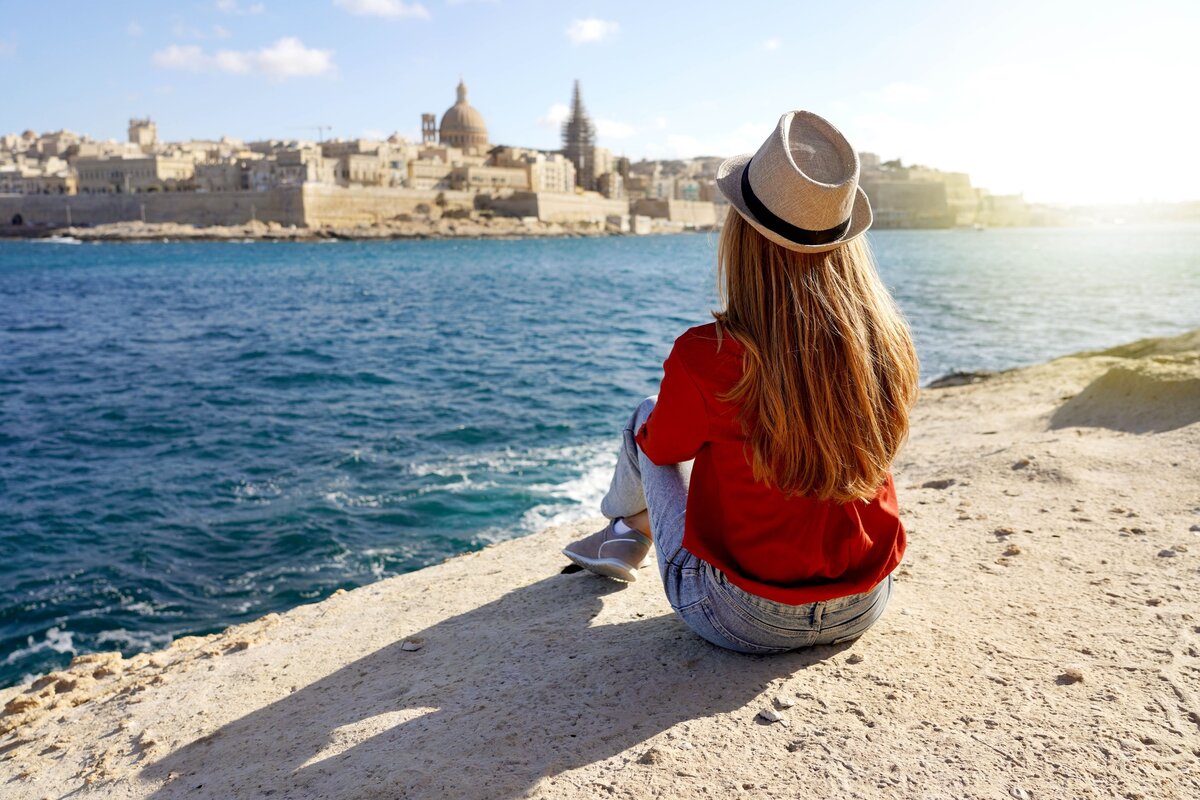
Spring is green, quiet and made for walking, with a sea too cold for most. Summer brings the warm water, the festas and the fireworks, at the cost of heat, crowds and price. Autumn is the quiet winner — the warmest swimming of the year running into November, with easing crowds and falling prices, and late September to mid-October the best all-round window on the island. Winter is Europe's mildest and cheapest city break, sunny and empty, as long as you leave the swimsuit at home. Decide whether you are chasing the sea or the streets, remember that the water runs two months behind the air, and Malta will give you exactly the holiday you came for.

 Holidays


 Last minute


 Hotels


 Blog
Blog