Three things decide a December trip to Turkey, and two of them are dates. After roughly 15 December the snow on the slopes stops depending on snow guns — Uludağ opens only once enough has fallen naturally. From 30 December hotels in Istanbul and on the coast move to New Year pricing: a surcharge, a minimum stay and a compulsory gala dinner on the bill. The third is a figure no date will shift — 19°C, which is what the sea off Antalya holds now and until spring.
What follows sorts December into the trips it offers: the mountains and the point at which snow becomes dependable, Istanbul in wet weather, the Antalya coast with its 250 mm of rain, and Pamukkale and Cappadocia as short trips inland. Prices, the New Year surcharge and entry rules by citizenship come at the end. Figures are indicative, in PLN for two people travelling from Poland.
- Skiing and dependable snow → the mountains
- New Year and a city in festive mode → Istanbul, New Year pricing
- A warm week without the beach → Antalya
- Warm water in cold air → Pamukkale and Cappadocia
- Whether swimming is possible at all → weather and sea
- Short daylight and winter opening hours → practical limits
- Passport, citizenship and residence card → entry rules
- One recommendation to finish on → the verdict
Weather: up to 18 degrees between the coast and the east of the country
Yes, it is worth going — but not for swimming: that season ended in November and will not restart before May.
On a single December day the Antalya coast can reach 16°C with a dry gap between fronts, Istanbul 8–12°C with wet pavements, Cappadocia several degrees below zero overnight and Erzurum full winter at −10°C. No suitcase covers that range and no route joins it up comfortably. You pick the type of trip first and build the rest around it, rather than attaching a beach to a ski week or snow to a city break.
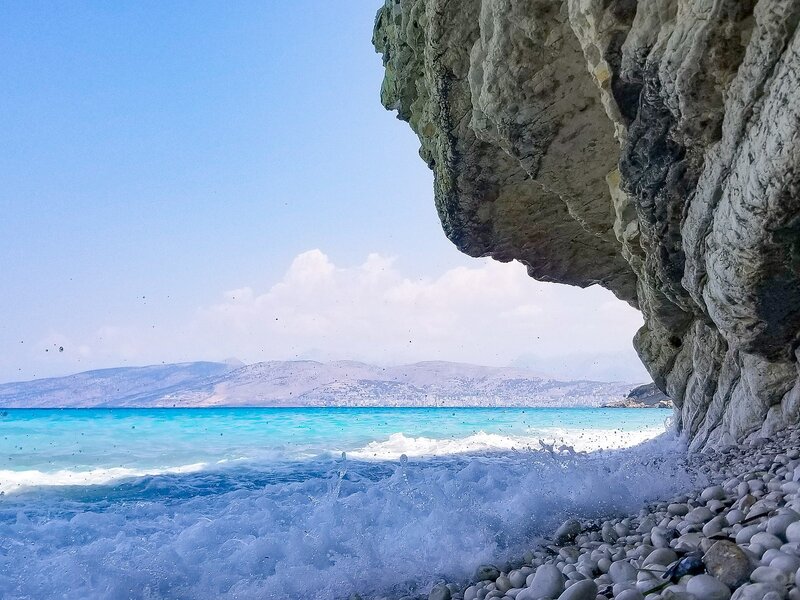
The sea holds 18–19°C on the Mediterranean side and about two degrees less on the Aegean. You can walk beside it, you cannot swim in it, and unheated pools stand empty until April. If warm water is a condition rather than a bonus, December in Turkey will not supply it: the Red Sea in Egypt is at 23–24°C, and that is a fair swap rather than a consolation.
| Place | Day | Night | What December gives |
|---|---|---|---|
| Antalya coast | +15–16°C | +7–9°C | Walking and ruins, sea at 19°C |
| Istanbul | +8–12°C | +4–6°C | Indoor sights, New Year |
| Pamukkale, Denizli | +10–13°C | +2–5°C | Thermal season, pool at 36°C |
| Cappadocia | +3–7°C | −4 to +1°C | Snow in the valleys, winter rates |
| Uludağ, Palandöken | −2 to +2°C | −8 to −4°C | Start of the ski season |
The mountains: the season opens in December, dependable snow starts mid-month
In December, Turkish resorts differ less on price than on whether they can cover the slope when natural snowfall is late.
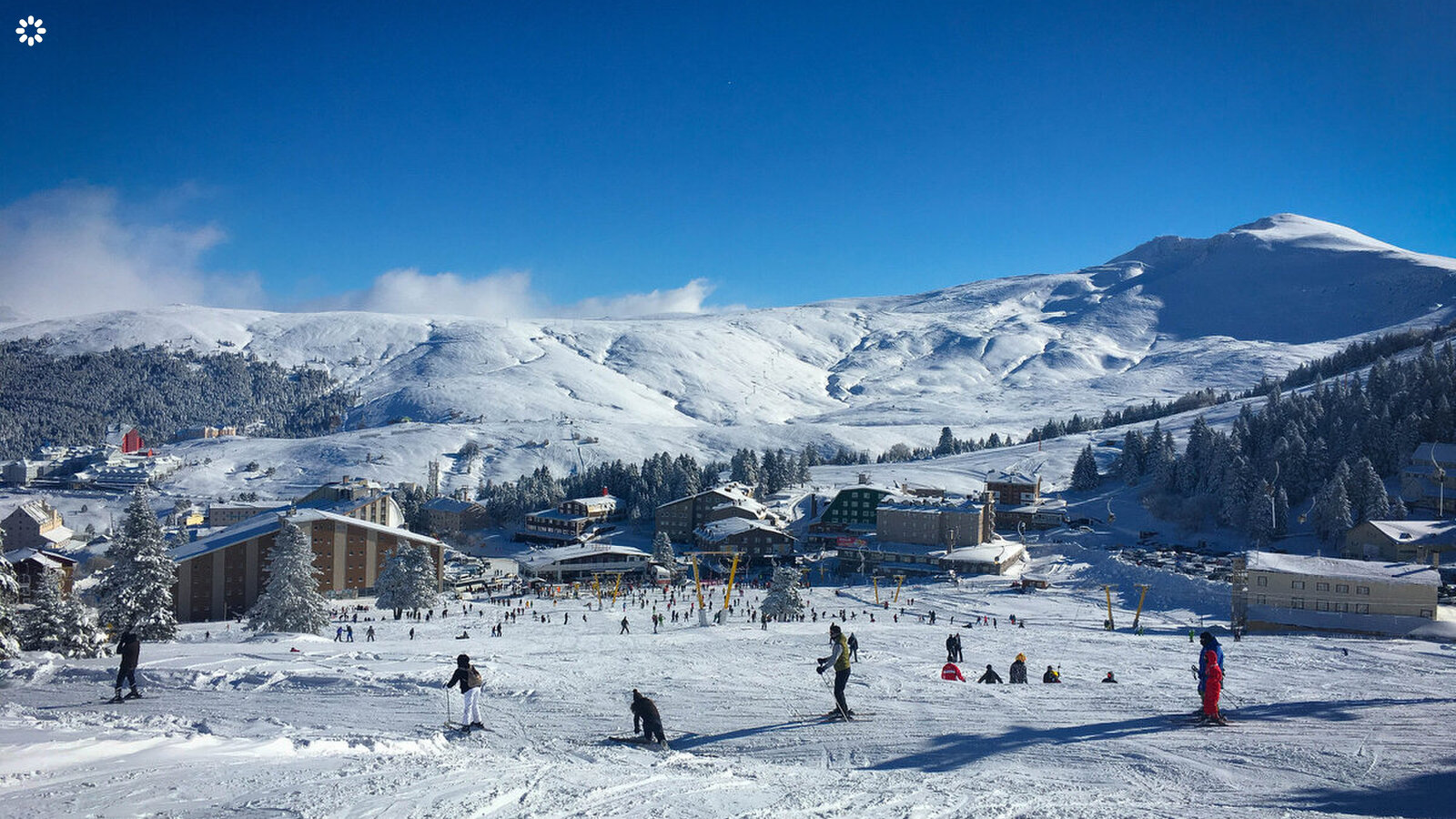
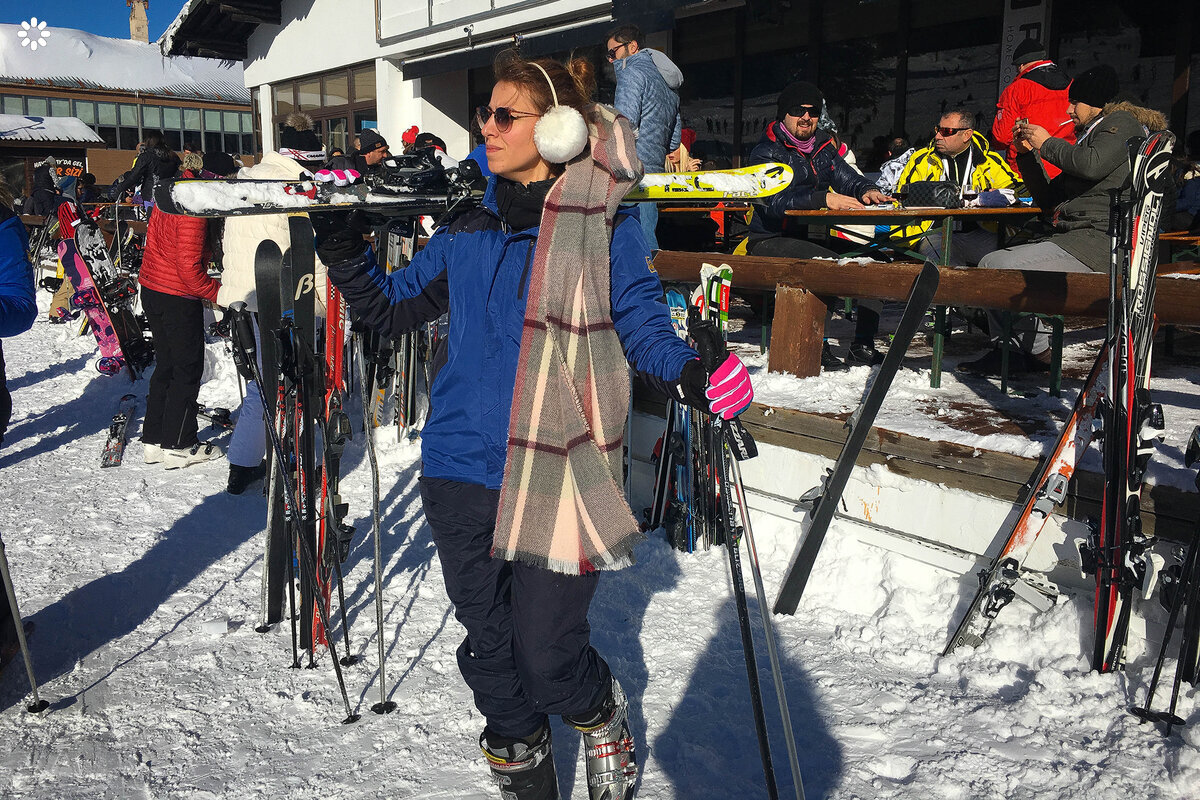
Palandöken above Erzurum runs pistes climbing towards three thousand metres, holds the longest season in the country and lights a slope for evening skiing. It opened in November last season, which makes it the most predictable snow Turkey has. Erciyes near Kayseri has its own snowmaking and usually starts mid-December; the airport is half an hour away, so it pairs easily with Cappadocia. Uludağ above Bursa is closest to a major city and suits families best, but no single snowmaking system covers the whole resort — individual hotels run their own guns, and the opening depends on natural snowfall, most often in the third week of the month.
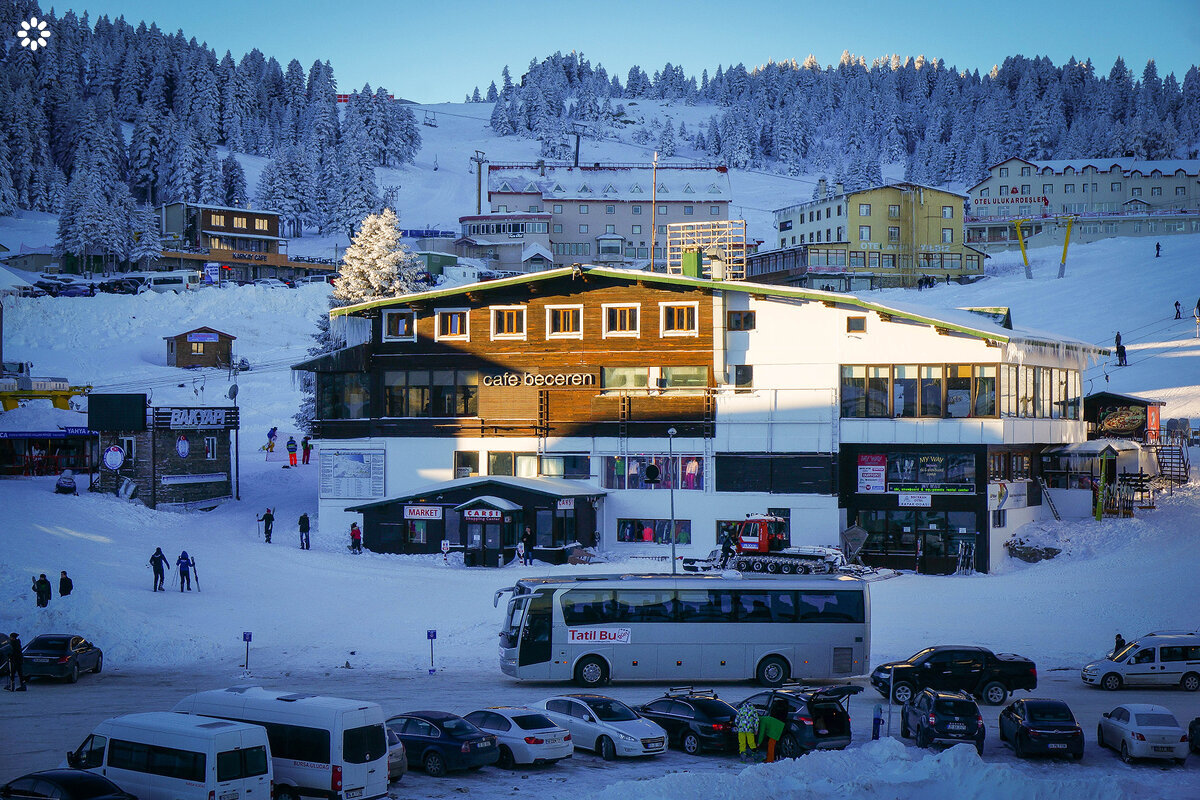
The conclusion is about dates, not resorts: the first week of December is a gamble, the second half an ordinary working season. Lift passes, hire and lessons cost several times less than in the Alps, though what you buy is the skiing rather than an alpine village — the evening ends in a hotel restaurant.
| Resort | Getting there | Snow | Suits |
|---|---|---|---|
| Palandöken | Erzurum, domestic flight via Istanbul | Most dependable, season into spring | Confident skiers, evening slope |
| Erciyes | Kayseri, about 30 minutes from the airport | Snowmaking, opens mid-December | A ski-plus-Cappadocia week |
| Uludağ | Bursa or Istanbul | Depends on natural snowfall | Families, beginners, short breaks |
Getting there: fly to Istanbul, then a domestic flight to Erzurum or Kayseri plus a transfer to the slope
7 nights / 2 people: 3 000–7 000 PLN including lift passes, indicative
Conditions: −2 to +2°C on the slope by day, −8 to −4°C at night
Dates: book after 15 December if snow is the point of the trip rather than the backdrop
Who is it for
Skiers and snowboarders who want decent conditions without an alpine budget. Families and beginners, since ski school and hire cost several times less than in western Europe. It also suits a week split between the slope and Cappadocia. Not worth it in the first week of December if you count on a full list of open pistes: early in the season half the mountain is a realistic outcome, and Uludağ is still waiting for snow. Skip it too if après-ski matters — after the lifts close there is the hotel, the pool and dinner.
Istanbul: a city that was built for wet weather
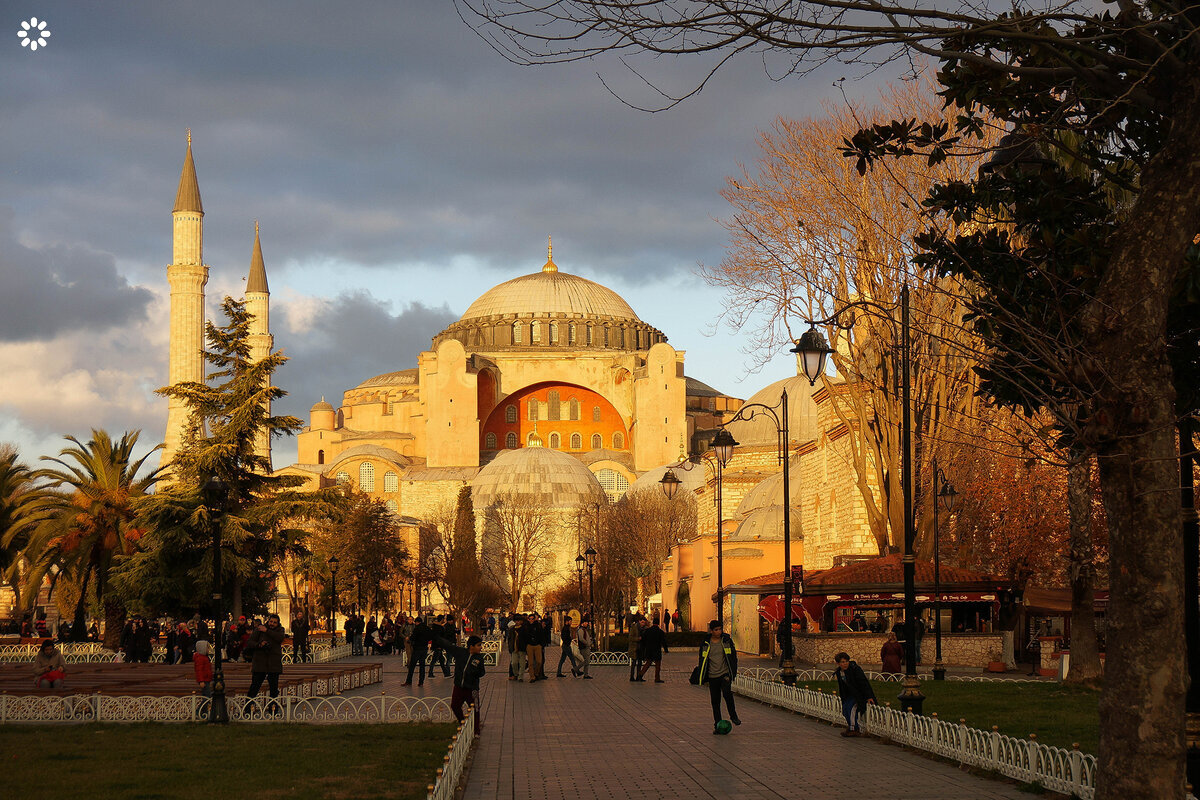
The main sights in Istanbul are under a roof, so December rain does not cancel the programme.
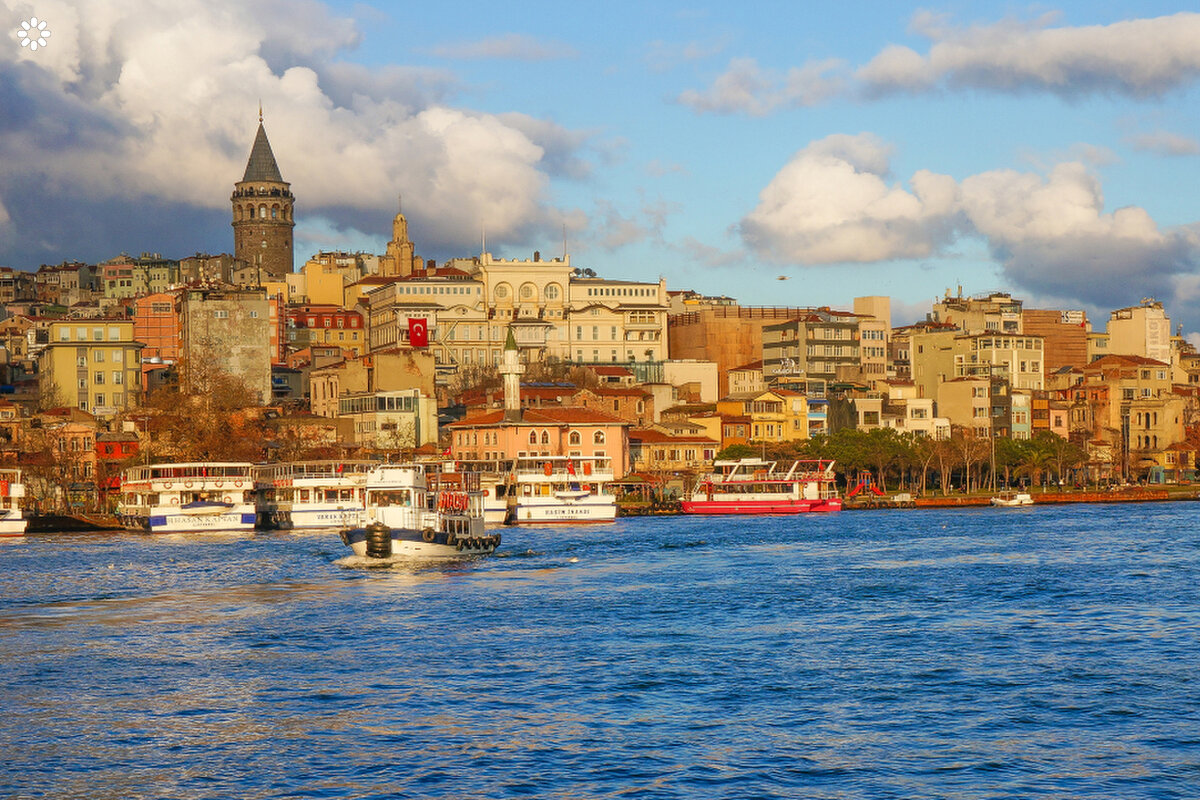
Days run at 8–12°C and nights at 4–6°C, with frequent rain and a couple of sleet days a month. Hagia Sophia, Topkapı Palace, the Basilica Cistern, the Grand Bazaar and the Spice Bazaar work regardless of the sky, the archaeological museums and the Chora mosaics stand almost empty, and a hammam makes sense in a way it never does in July. The city stays lit all month: Christmas is not marked here, but the end of the year counts as the main winter event, visible along Istiklal, around Taksim and on the Bosphorus.
Outside the final days of the month this is one of the cheapest times of year, and three nights make a complete trip. Note only that the summer city of ferries, rooftop terraces and breakfast by the water runs partly in winter.
Flight from Warsaw: about 2 hrs 40 min direct, the shortest route into the country
3 nights / 2 people: 1 300–3 200 PLN outside the New Year dates
Conditions: +8–12°C by day, +4–6°C at night, regular rain
Bring: shoes with real grip, because the marble and cobbles of the old city are slippery after rain
Who is it for
Couples on a long weekend, travellers who come for the food, and anyone who wants a large New Year in a city that treats the night seriously without charging western European prices. It is also the one Turkish destination you can reach without setting aside a full week of leave. Not worth it if your picture of Istanbul rests on sunshine and rooftop views: December delivers grey stretches several days long, and the Bosphorus walk turns out shorter than planned.
What to do
- Book a full hammam, not the ten-minute tourist version — in winter it is the best 150–250 PLN you will spend here
- Keep the indoor sights that summer itineraries skip — the Basilica Cistern, the archaeological museums, the mosaics at Chora — for the wettest days
- Take the ferry to Kadıköy on the Asian side, where the bill is lower and the tables around you are local
- Check winter opening times the evening before, since several museums shorten their hours from December
- If you stay for New Year, choose early: the crowd at Taksim, or a Bosphorus-view dinner booked a month ahead
Antalya: 15–16°C and 250 mm of rain, so a week of sightseeing
Rain on this coast arrives in short heavy fronts rather than steady drizzle, and that changes how you plan the day.
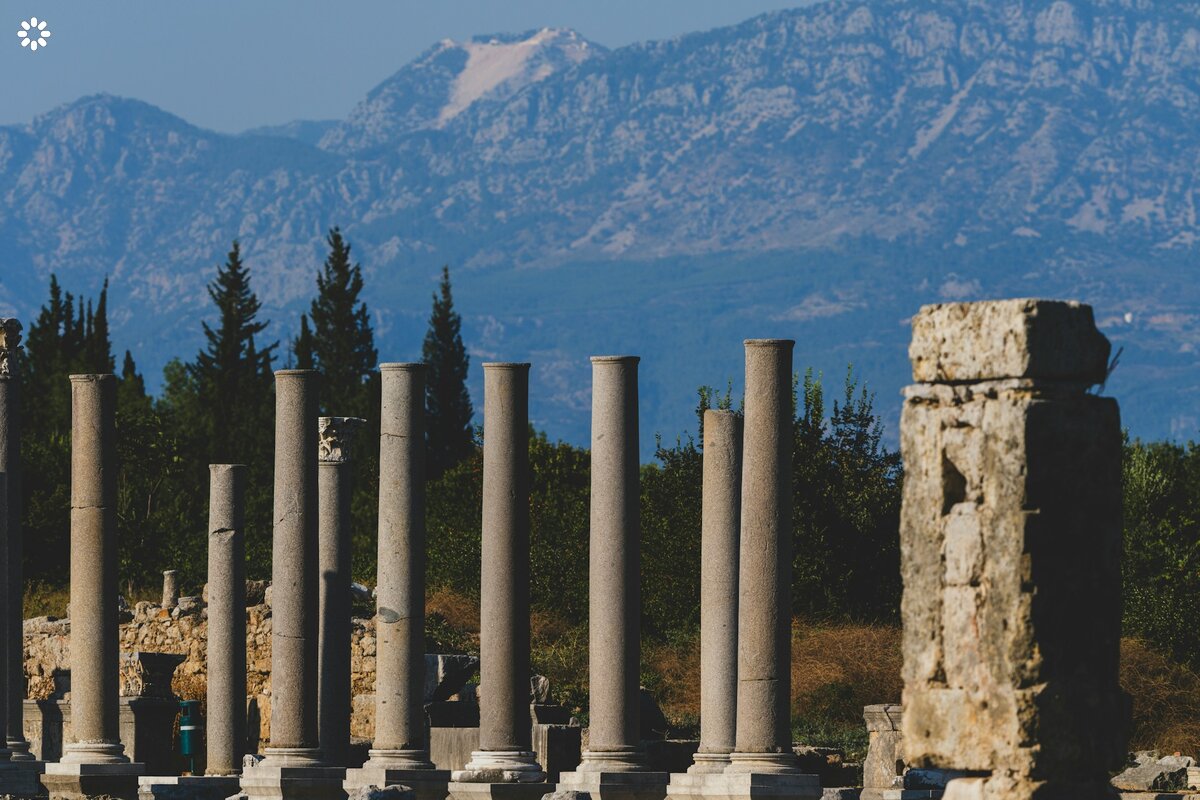
Antalya is a city of more than a million people that carries on working through the winter. Days reach 15–16°C, the warmest figure in this guide, but the month brings around 250 mm of rain, more than any other part of the year. The distribution matters: a downpour is usually followed by several clear, mild hours, and the whole programme fits into those — Kaleiçi dropping down to the Roman harbour, the Antalya Museum with its sculpture halls from Perge, Aspendos, Perge itself and the Düden waterfalls at full volume instead of the summer trickle.
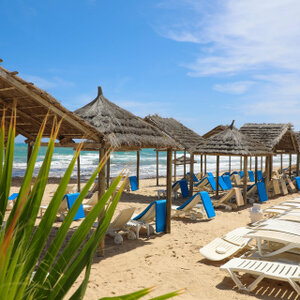
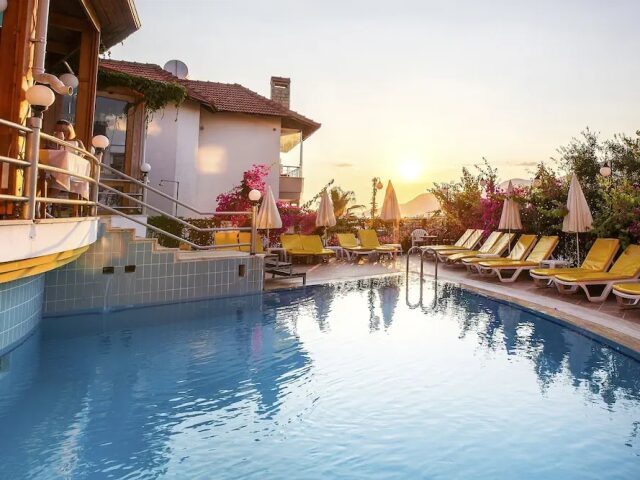
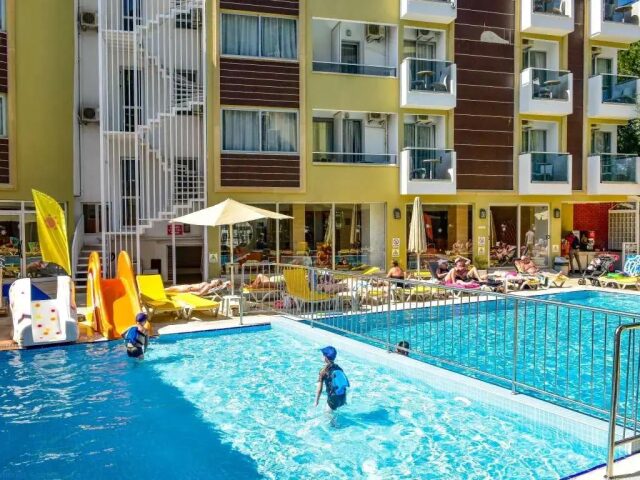
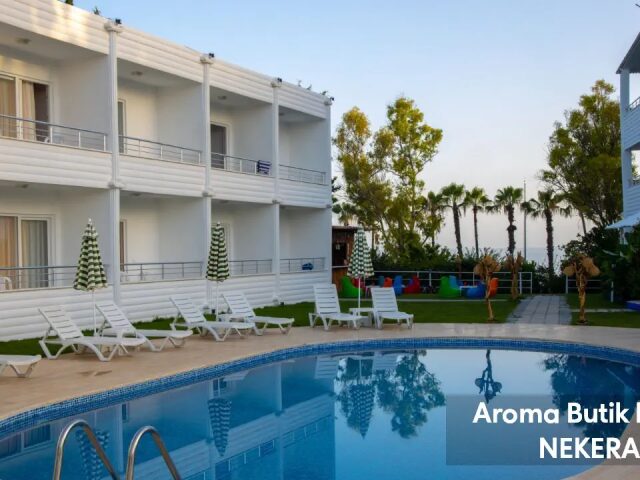
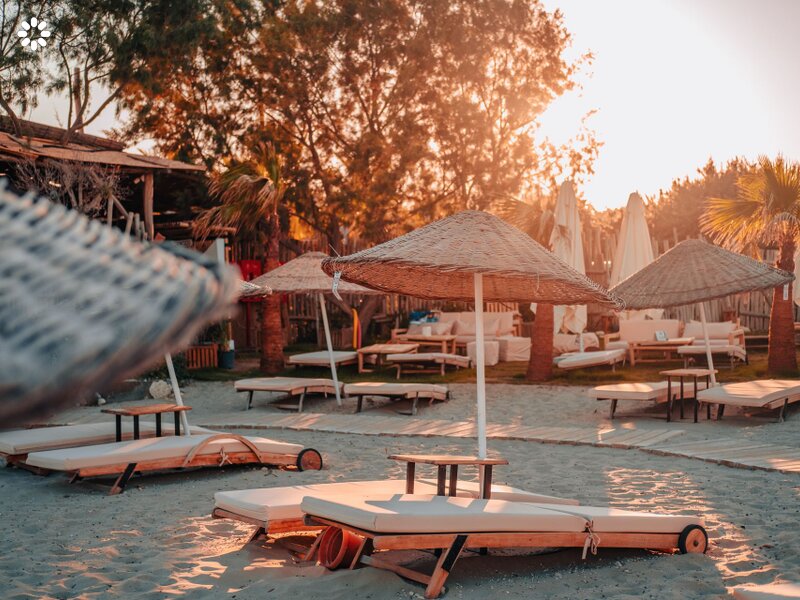
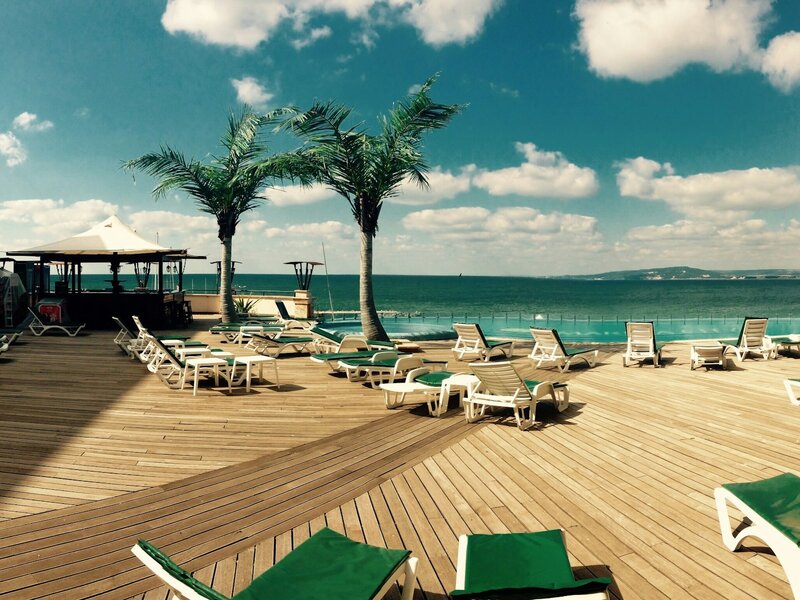
What the coast does not offer in winter is a hotel holiday in its summer form: many seafront properties run a reduced service — one restaurant open instead of four, cold pools, entertainment wound down. The hotel is somewhere to sleep and have breakfast, not the substance of the trip.
Flight from Warsaw: about 3 hrs 20 min direct
7 nights / 2 people: 2 300–5 000 PLN, among the lowest rates of the year
Conditions: +15–16°C by day, +7–9°C at night, sea at 19°C, around 250 mm of rain
Ask the hotel: which restaurants, pools and spa areas will be open on your dates
Who is it for
Travellers who want a warm week and a base for day trips, who would rather walk Perge and Aspendos at 16°C than at 36°C, or who are after a quiet, inexpensive escape in midwinter. Some hotels run their own New Year programmes with a heated pool and dinner. Not worth it if you book all-inclusive by the sea with the beach and pool in mind: the strip is closed, the water is at 19°C, and no discount rewrites that. The trip also comes apart without a wet-weather plan — two heavy days in a row will keep you in the room.
What to do
- Walk Kaleiçi down to the old harbour between fronts, when the lanes are quiet and lit for the season
- Keep the Antalya Museum for a downpour and give it at least two hours
- Go to Aspendos and Perge on the first clear forecast — both are open sites, far easier to cover in winter air
- See the Düden waterfalls now, in the rainy season, when they carry the most water
- Check regional bus timetables, because winter excursions often fail to fill and are cancelled at short notice
Pamukkale and Cappadocia: two short trips that improve in the cold
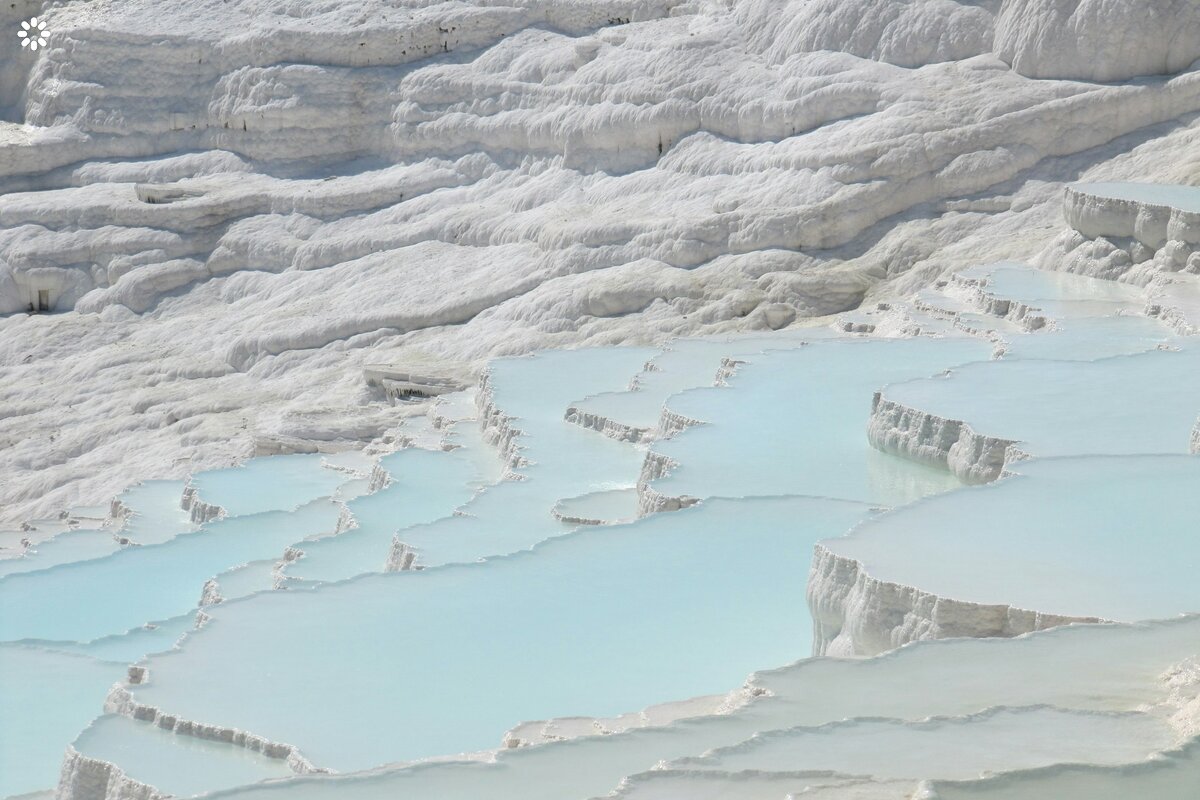
Cleopatra's Pool holds 36°C all year round, and December is when Cappadocia looks like the photographs that sell the region.
The white travertines, hard work underfoot in summer heat, are comfortable in December: 10–13°C by day, far fewer people, and water in the ancient pool above the sunken Roman columns holding body temperature all year. Thermal hotels in Karahayıt draw their own hot mineral water, so the soak does not end when a paid hour runs out. Winter changes the rhythm of the day: the site closes around 18:00, the pool desk earlier, and the drive from Izmir or Antalya takes three hours each way.
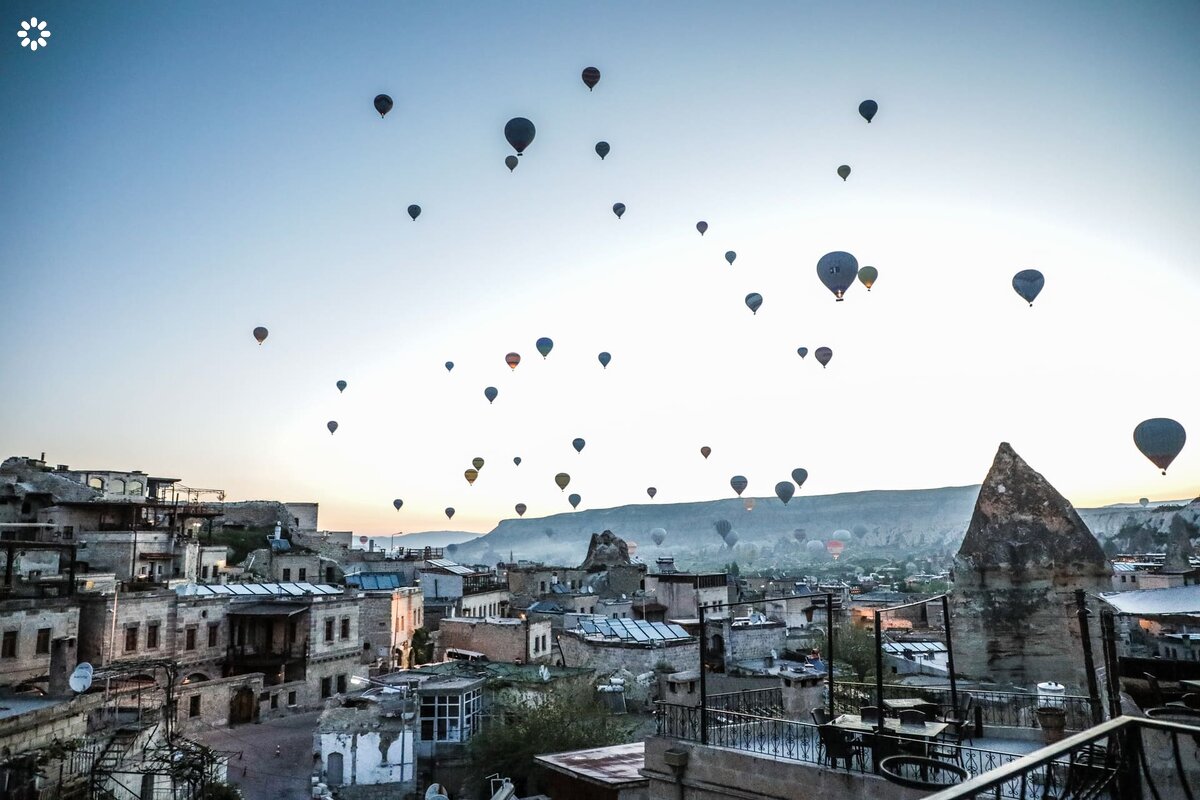
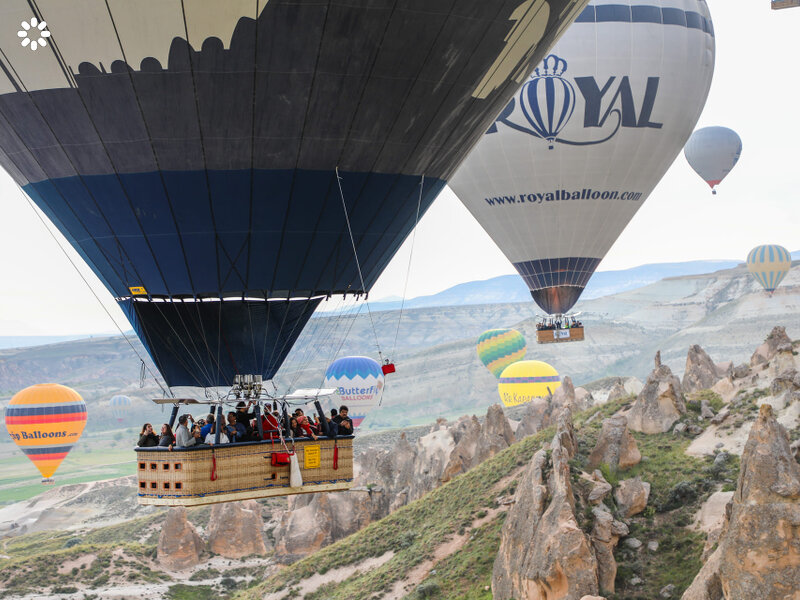
Cappadocia in December is high, cold plateau country: 3–7°C by day, below freezing most nights, with snow arriving regularly rather than as an exception. Fairy chimneys under a white layer are the image people come for. Balloon flights cost less than in high season, but December cancels more of them than autumn, and a cancellation returns your money, not your date. Three nights give three chances of lifting off; a single night gives one.
Pamukkale, 2 nights / 2 people: 900–2 200 PLN in Pamukkale, Denizli or a Karahayıt thermal hotel
Cappadocia, 3 nights / 2 people: 1 500–3 500 PLN in a cave hotel, balloon flight not included
Getting there: Pamukkale — fly to Izmir or Antalya, then about 3 hours by road; Cappadocia — change in Istanbul for Kayseri or Nevşehir
Tickets: entry to Pamukkale and Hierapolis around €30, the ancient pool around €6 extra
Who is it for
Travellers who want one warm-water element in a December trip. Photographers, since winter light and empty valleys produce a different picture altogether. A night in Karahayıt turns a stop on a route into a reason to travel. Not worth it as a December day trip to Pamukkale from the coast: six hours of driving against an early closing time leaves roughly an hour on the terraces. Cappadocia is a poor choice as one night booked around a balloon flight if your dates cannot move.
New Year: a separate product with a surcharge, a minimum stay and a gala on the bill
The last week of December sells on different terms from the first three.
Away from the turn of the year, December runs at the lowest rates of the calendar: three nights in Istanbul from around 1 300 PLN for two, a week in Antalya from roughly 2 300 PLN, cave hotels in Cappadocia on winter pricing. From 30 December everything changes at once. Hotels running a New Year programme raise the rate, impose a minimum stay and add a compulsory gala dinner that cannot be declined, even if you spend the evening elsewhere. The calendar adds to it: 1 January 2027 is a Friday, so the turn of the year becomes a long weekend and demand runs higher.
The accommodation tax is worth knowing about. Turkey cut it from 2% to 1%, and the reduced rate runs up to and including 31 December 2026, with the previous level returning on 1 January. The hotel pays it and it is built into the quoted price, so nobody should add it at the desk when you check out.
| Item | Indicative price | What to know |
|---|---|---|
| Istanbul, 3 nights / 2 people | 1 300–3 200 PLN | Surcharge and minimum stay from 30 December |
| Antalya, 7 nights / 2 people | 2 300–5 000 PLN | Check which hotel facilities run in winter |
| Ski week / 2 people | 3 000–7 000 PLN | Lift passes included, snow safer after 15 December |
| Cappadocia, 3 nights / 2 people | 1 500–3 500 PLN | Balloon booked and cancelled separately |
| Pamukkale, 2 nights / 2 people | 900–2 200 PLN | A thermal hotel gives water without an hourly limit |
Who is it for
Anyone travelling specifically for New Year who treats the gala as part of the trip rather than a surprise on the invoice. Istanbul does the night on a large scale, and coastal hotels price a dinner-and-show programme well below the western European equivalent. Not worth it between 30 December and 1 January if your dates are flexible and New Year is not the point: the same hotel at the same standard costs noticeably less a few days earlier, and all you give up are the fireworks.
Entry rules, the time difference and winter opening hours
Turkey is outside the Schengen area, so entry is decided by the citizenship in your passport rather than by where you live.
This part of the planning is skipped most often, because the flight looks like any other European route. In practice the rules diverge sharply between citizenships that Schengen treats identically, and two residents of Poland travelling together may need different papers.
- Polish and other EU citizens: visa-free entry for up to 90 days in any 180. A national ID card is accepted for tourist travel; a passport must be valid at least 150 days from entry. The mObywatel app is not accepted at the Turkish border.
- Ukrainian citizens: visa-free entry for up to 90 days in any 180, and an ID card is accepted. The passport must hold at least 150 days of validity from entry — a requirement of Turkish law, not of the airline — and extended passports are usually refused.
- Belarusian citizens: no visa needed, but on shorter terms — generally up to 30 days per entry and 90 days a year, and on a passport only. The rule rarely changes, though confirm it with the consulate or your tour operator before paying.
- A Polish residence card (karta pobytu): it confirms your right to live in Poland and to return there, but it creates no right of entry to Turkey. A Schengen visa is not a Turkish one either. The passport decides.
- The journey back: check that your residence card or visa is valid on the day you return, not only on the day you fly out. Document problems surface more often on the way home.
Two practical points sit alongside the paperwork. Turkey stays on UTC+3 all year, so in winter the gap with Poland is two hours rather than the one you may remember from summer, which matters for transfer pick-up times and early departures. December also brings the shortest daylight of the year, and major sites move to winter timetables ending before dusk. Build the day around ticket-office hours, not sunset.
Checklist before booking:
- Decide which trip you are buying — mountains, city or mild coast. December will not combine them into one convenient route.
- Answer honestly whether anyone expects to swim. If so, this is the wrong month and probably the wrong country.
- For skiing, choose dates after 15 December and ask whether the resort has snowmaking.
- Ask the hotel about winter service: restaurants open, pool heated or not, spa hours.
- Check whether your dates fall inside the 30 December – 1 January window and whether a compulsory gala is priced in.
- Confirm passport validity — 150 days from entry — and the documents you need to re-enter Poland.
Common mistakes:
- Booking all-inclusive by the sea for a beach week. The sea is at 19°C, the strip is closed and the hotel runs a winter service.
- Putting a ski trip in the first week of December. The season opens partially, and Uludağ is still waiting for natural snow.
- Entering the New Year window without comparing prices. Surcharge, minimum stay and compulsory dinner can add half again to the bill.
- Treating Pamukkale as a day trip from the coast. The site closes early in winter and the driving alone takes six hours.
- Booking one night in Cappadocia around a balloon flight. December cancels more flights than autumn, and cancellation returns money, not a date.
- Treating Turkey as a Schengen destination. A residence card does not open the border, and passport rules depend on citizenship.
So, is Turkey worth visiting in December?
Yes — provided you choose one of the four trips and fit a date around it.
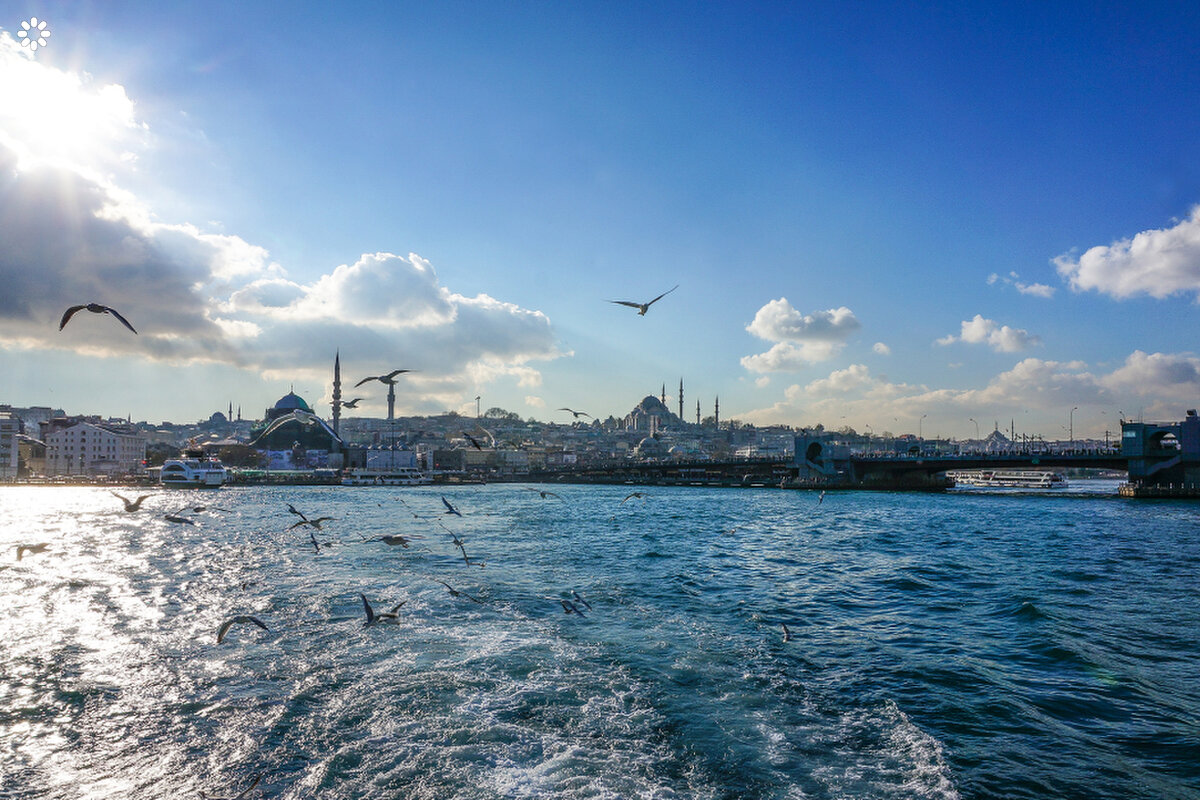
As a beach destination Turkey is shut in December, and no discount changes that. As a ski destination it delivers decent conditions for far less than the Alps, at its best from mid-month. As a long-weekend city Istanbul works more reliably in winter than most European capitals, because its key sights are indoors. Antalya at 15–16°C stays the mildest sightseeing base in this part of Europe, while Pamukkale and Cappadocia turn the cold into an advantage: a pool at body temperature and valleys under snow.
One practical piece of advice:
Settle the New Year question first, because it is the one decision that changes both the price and the character of the trip. If you want it, book early and read the gala terms before paying a deposit. If not, take the first three weeks of December, when the same country costs considerably less and rooms are still available at sensible rates.

 Holidays


 Last minute


 Hotels


 Blog
Blog