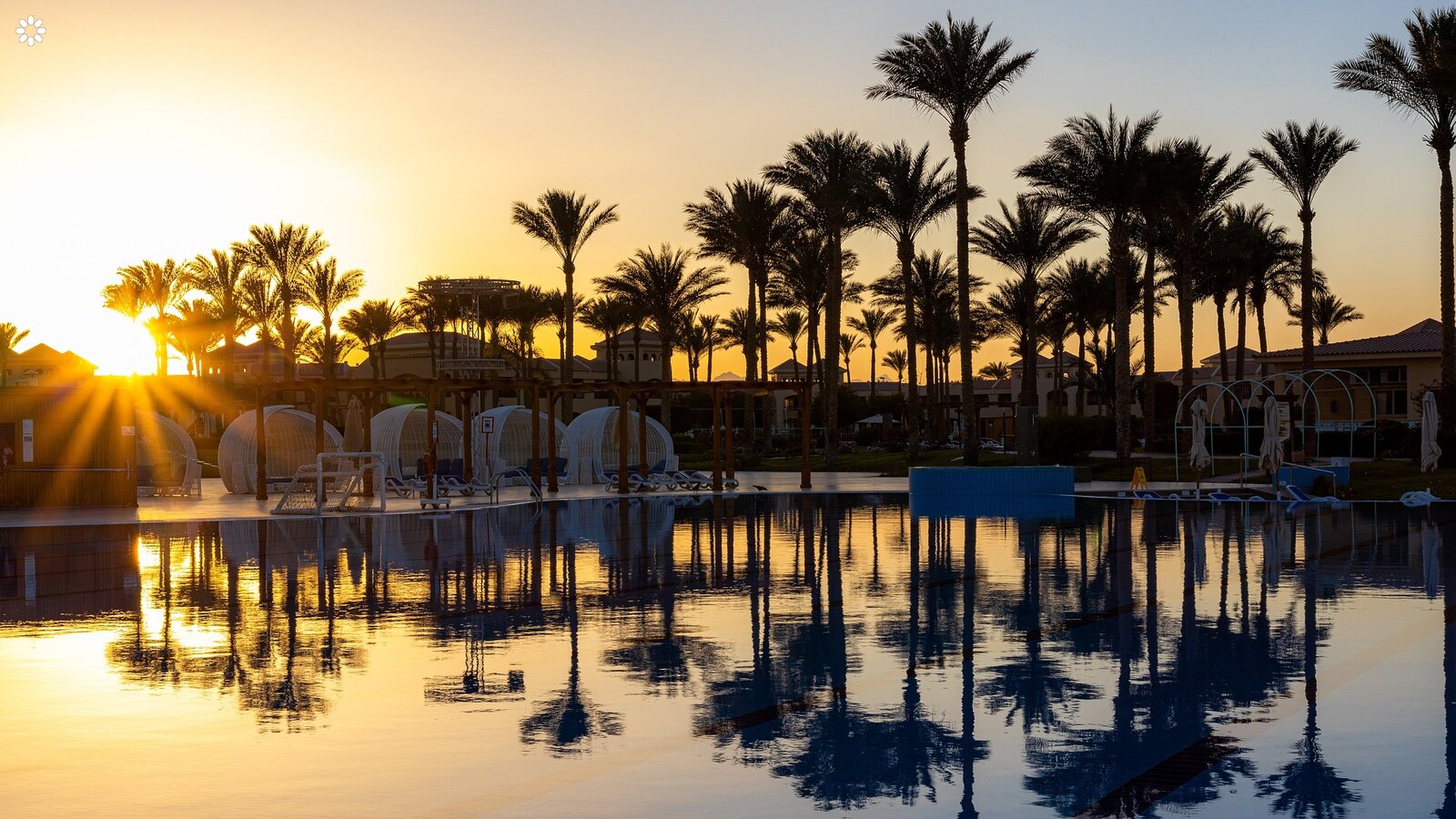
In November the Red Sea is warmer than your hotel pool. The sea holds 24–26°C all month; an unheated pool, exposed to nights that fall to 16–19°C on the coast, sits below that by the second week — which is why "heated pool" stops being a marketing line and becomes the single most useful filter when you book. It is also the month Egypt turns itself inside out. All summer the coast is the destination and the interior is an ordeal; by November, Luxor settles at 28°C and Cairo at 25°C, and the temples become the best thing in the country while the beach quietly demotes itself to the supporting act.
That flip is why a November trip should be planned around the shape of the holiday rather than the name of the resort. Below: what the numbers actually do across the four weeks of the month, the three formats that work in November and who each one suits, how to pick a coastal base once you have chosen a format, what only matters in November and nothing else, and where in the month the prices sit before the December rush closes the window.
- A straight beach week → the Red Sea format
- Pyramids, temples and a Nile cruise → the monuments format
- Both, in one trip → the split trip
- Travelling in the last week of November → what the numbers do
- Warmest water this late in the season → Marsa Alam
- Diving on a small budget → Dahab
- Families who will actually use the pool → the pool question
- Booking the Grand Egyptian Museum → the monuments format
- Finding the cheapest week → prices and timing
- Passport and visa questions → entry rules
What November actually does to the numbers
The month is not flat. It opens as a warm October and closes as a mild winter, and the difference decides which format still works.
Two things move in opposite directions across the four weeks. Sea temperature drifts down from around 26°C to around 24°C, which is a small change in figures and a noticeable one in the water, particularly for anyone swimming rather than diving in a wetsuit. Meanwhile the interior improves: Luxor comes off 30°C in the first week to a very comfortable 27°C by the last, and Aswan does the same from a higher start. Nights fall everywhere and fall hardest inland, where Upper Egypt can drop to 11–14°C before dawn — which matters if your itinerary involves a balloon at sunrise or a desert camp.
Rain is a non-issue on the Red Sea and in the Nile Valley, at roughly 2 mm for the whole month. It is a real, if minor, factor only on the Mediterranean coast, where Alexandria collects around 32 mm.
| Period | Red Sea air | Red Sea sea | Luxor, day | Coastal night |
|---|---|---|---|---|
| 1–7 November | +28–30°C | +26°C | +29–31°C | +19–21°C |
| 8–15 November | +27–29°C | +25–26°C | +28–30°C | +18–20°C |
| 16–23 November | +26–28°C | +25°C | +27–29°C | +17–19°C |
| 24–30 November | +25–27°C | +24°C | +26–28°C | +16–18°C |
Read the table as a rule of thumb rather than a forecast: it is the direction that matters. Early November still behaves like a beach month. Late November behaves like a sightseeing month with swimming attached.
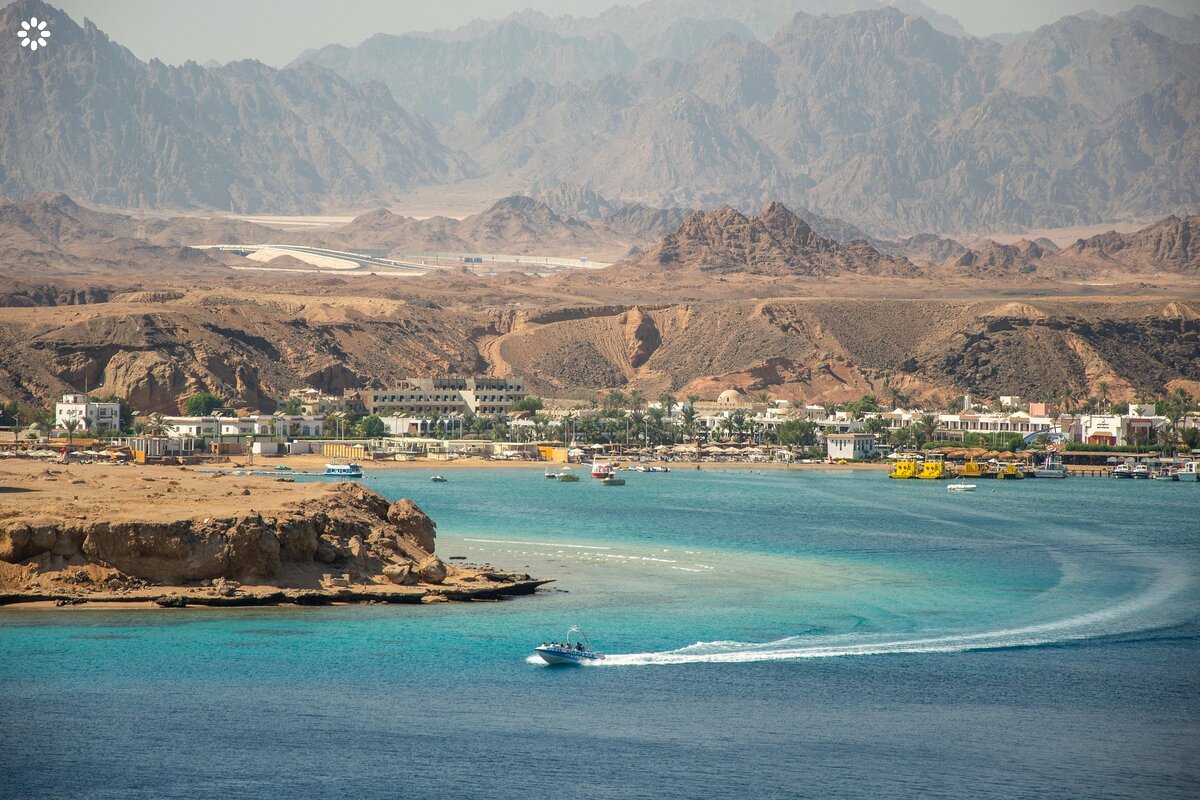
Format one: the straight beach week
Still viable all month, but it stops being the obvious choice around the middle.
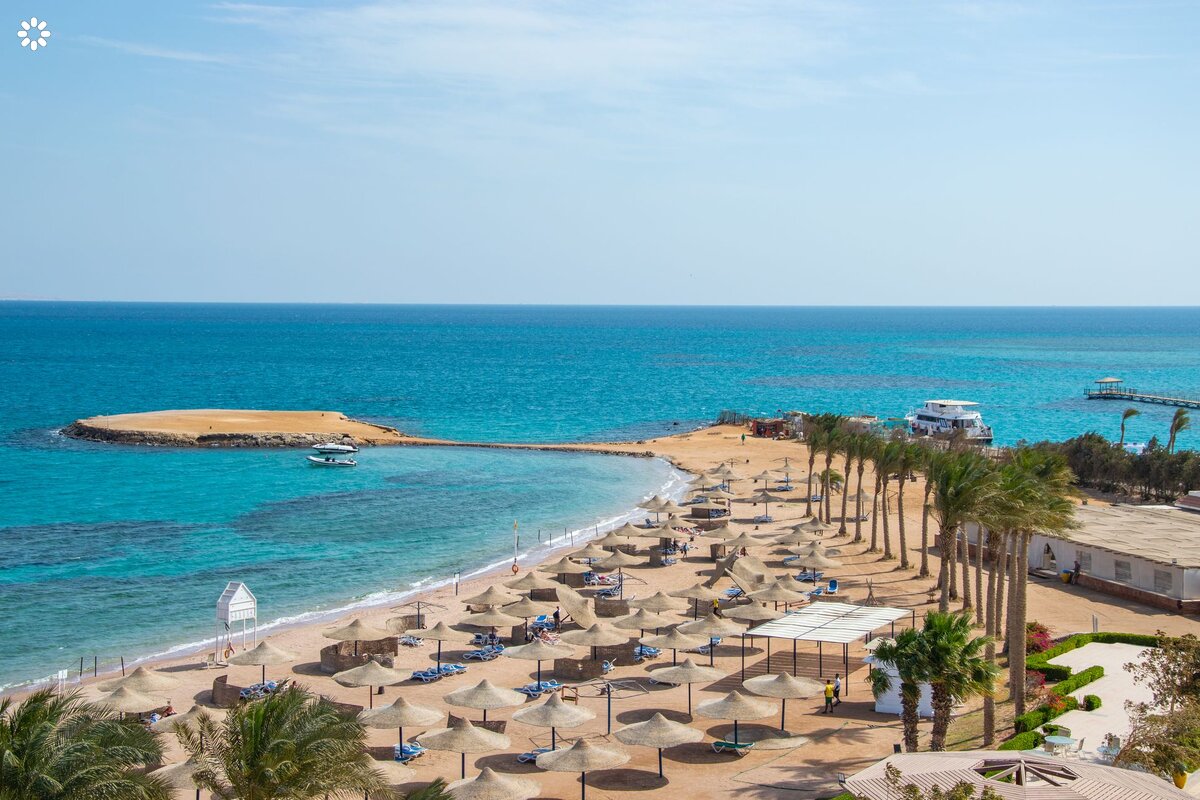
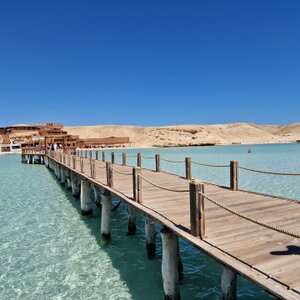
Nothing about November makes a Red Sea week a bad idea. The water is warmer than the Mediterranean manages in August, the sun is reliable, the flight is four hours from Warsaw, and prices have not yet met the December wall. What changes is the margin for error. In August a poor hotel choice costs you comfort; in November it costs you the use of half the property, because an unheated pool, a shaded beach or an exposed windward frontage all bite once the air is 26°C rather than 34°C. The other shift is behavioural — this is the month the hotel's indoor space, evening programme and dinner arrangements start to matter, since sitting outside after 20:00 needs a layer.
Flight from Warsaw: about 4 hours direct to Hurghada or Sharm El Sheikh, about 4 hours 20 minutes to Marsa Alam
7 nights for two: 2 900–8 500 PLN, all-inclusive four-star, depending on base and week
Sea across the month: +26°C at the start, +24°C at the end
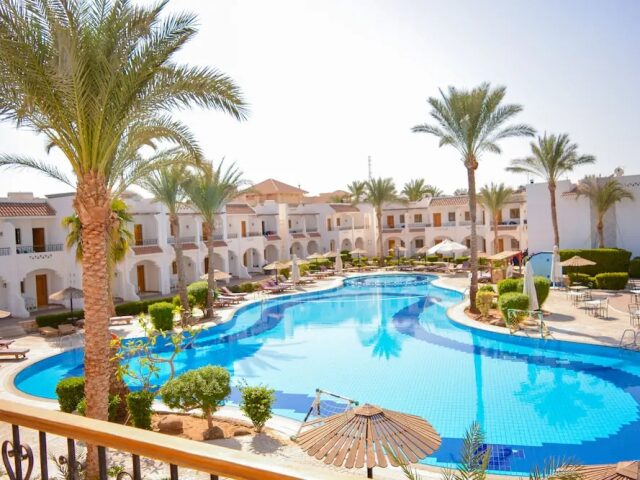
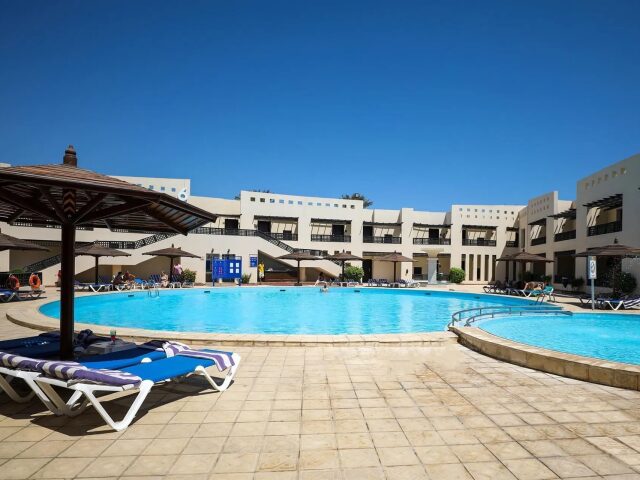
Non-negotiable filter: a heated pool, confirmed in writing, not assumed from the listing
Who is it for
Travellers who want sun and warm water with minimal planning, divers and snorkellers, who get the best visibility of the year with none of the summer heat on the boat deck, and families who would rather not spend a holiday in minibuses. It is also the cheapest format by a wide margin. Not worth it in the last week of November for anyone who mainly swims rather than dives: at 24°C the sea is comfortable for twenty minutes and cool after that, the pool is colder unless heated, and the wind chill on an exposed beach after 15:00 does the rest. If a pure beach week is the plan and you can only travel late in the month, go to Marsa Alam, which stays a degree or two ahead of the rest.
Format two: monuments first, Cairo and the Nile
This is the format November was built for, and the one where booking mechanics have genuinely changed.
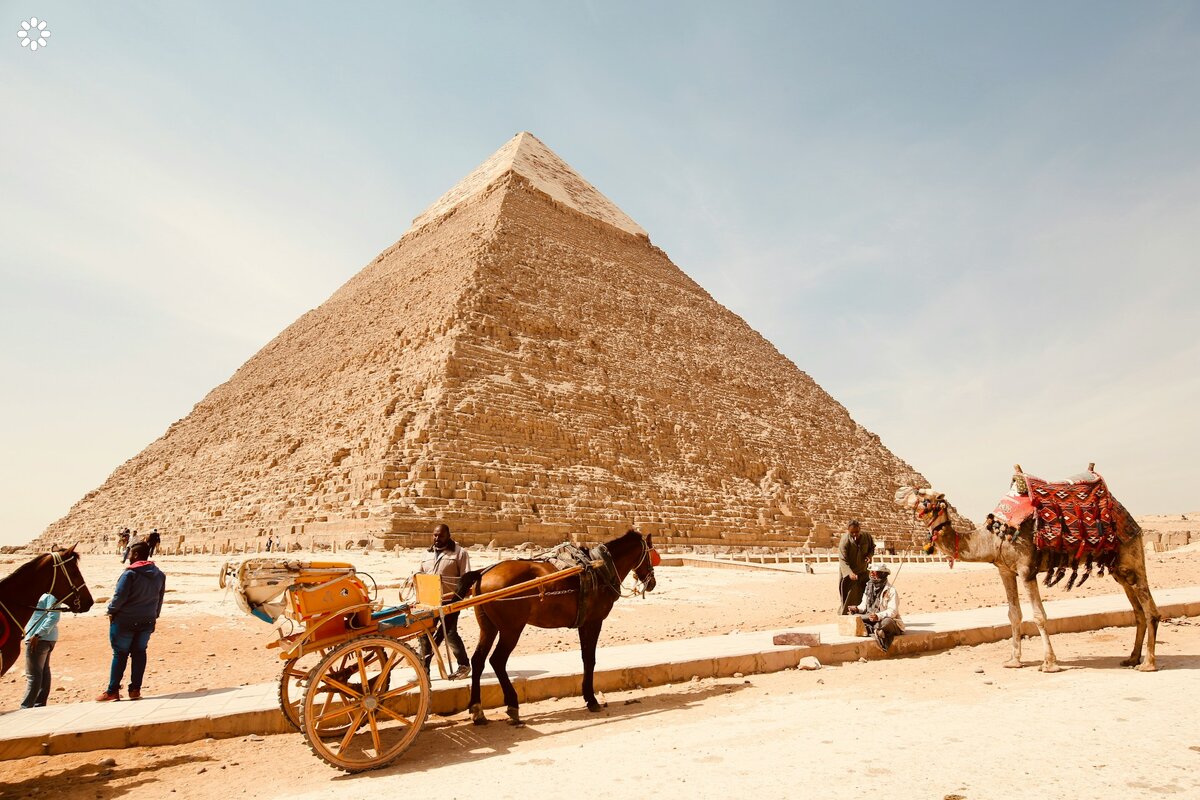
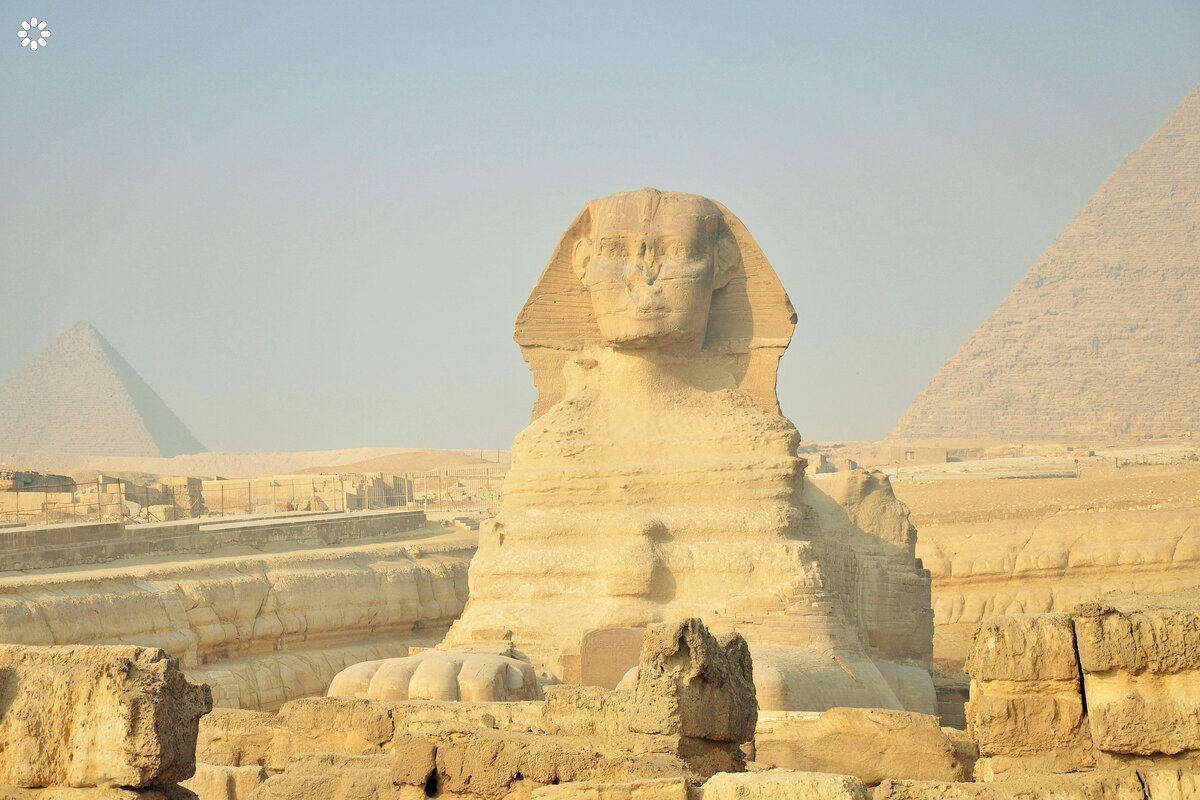
Everything that is punishing about Upper Egypt in summer is gone. Luxor at 27–29°C with dry air makes the Valley of the Kings a walk rather than a test, Cairo at 25°C makes Islamic Cairo and the Giza plateau workable on foot, and Aswan and Abu Simbel are warm without being extreme. The Nile cruise season is in full operation, typically three or four nights between Luxor and Aswan, and November sits in the gap between the summer lull and the December price spike.
The practical change is at the Grand Egyptian Museum on the Giza plateau, which opened to the public in November 2025 and now holds the Tutankhamun galleries and the Khufu solar boat. Tickets are sold online only through the museum's official platform, on timed entry slots, and the daily visitor quota has been tightened since opening. You cannot turn up and buy at the gate. In high season the galleries run long hours, and the first slot of the day is consistently the quietest — which in November, when the sightseeing crowds return, is worth more than it sounds.
Getting there: fly to Cairo, roughly 3 hours 50 minutes from Warsaw; Luxor is a domestic flight or about 4 hours by road from Hurghada
Typical cost: 4 800–10 000 PLN for two on a three- or four-night Nile cruise with excursions; a Cairo city break costs considerably less
November conditions: Luxor +27–31°C by day, +11–14°C before dawn; Cairo +25–27°C
Book ahead: Grand Egyptian Museum slots online in advance; on-site sales have stopped
Who is it for
First-time visitors who would regret flying to Egypt and seeing only a reef, travellers who find a week of full board repetitive, photographers, and older travellers, for whom a cruise brings the sightseeing to the boat rather than the other way round. November is also the last month before the crowds and the prices both step up. Not worth it if anyone in the party is expecting a restful holiday: this format is early starts, long days and a different bed every few nights, and the pre-dawn cold in Upper Egypt catches out people who packed only for a beach. It is also the wrong choice on a tight budget — the monuments format costs roughly double the beach format for the same week.
What to do
- Book the earliest Grand Egyptian Museum slot of the day and pair it with the Giza plateau in the afternoon, since the two sites are about two kilometres apart
- Take the Valley of the Kings at opening and buy the separate ticket for Seti I, which is not included in standard entry
- Fly or drive to Abu Simbel in the first half of the month while the south is still at 30–32°C, and go early enough to be back before the light flattens
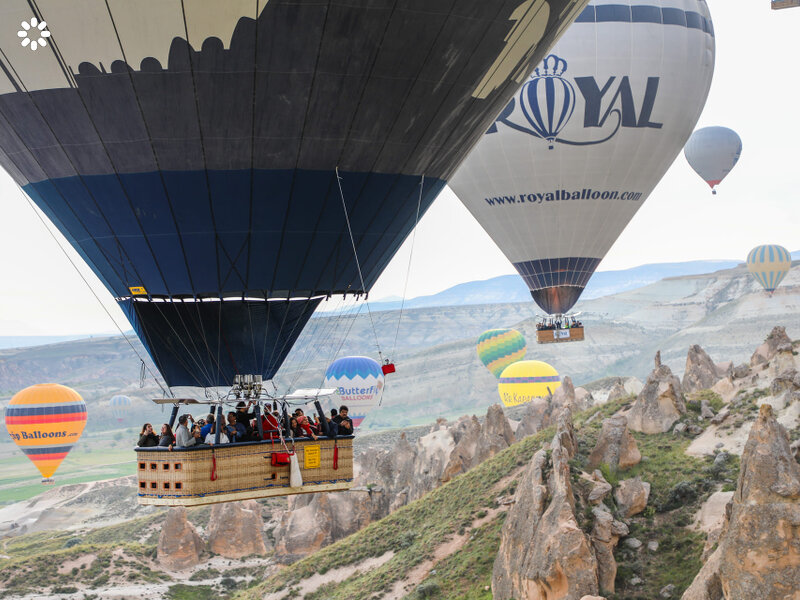
- Add a layer to the packing list you would have made for October — a fleece for the balloon at dawn and for a cruise deck after sunset is not optional in late November
- Choose a cruise by the number of nights, not the star rating, because the itinerary decides how many sites you actually see
Format three: the split trip
The format that only makes sense for a few months of the year, and November is the best of them.
A split trip means three or four nights inland and the rest on the coast — Cairo and a short Nile leg, then a beach base to finish. In July it is unworkable because the inland half is unbearable. In January it weakens because the sea drops below 22°C. November is the overlap: the temples are at their best and the water is still swimmable, and no other month gives both at full strength except its mirror image in spring.
The logistics are simpler than they look. Hurghada is the natural coastal end, because Luxor is about four hours away by road and the transfer is routinely sold as a package. From Sharm the inland leg means a domestic flight, which adds cost but removes a long drive. From Marsa Alam the road to Luxor is longer than from Hurghada, so the split works less neatly.
Shape: 3–4 nights Cairo or Luxor, then 4–5 nights on the Red Sea
Typical cost: 5 500–11 000 PLN for two over 8–10 nights, depending on how much of the inland leg is guided
Best coastal end: Hurghada, for the four-hour road link to Luxor
Best timing: inland leg second half of the month, coastal leg first — not the other way round
Who is it for
Anyone visiting Egypt for the first time who wants both halves of the country, couples who would find ten days of either format alone too much, and travellers with more time than a standard week. Done in the right order — coast first while the sea is warmest, monuments second when the interior has cooled further — it uses the month's own trend line rather than fighting it. Not worth it on a seven-night trip: by the time you have moved twice and lost two half-days to transfers, the beach half is three days and the inland half is rushed. Below eight nights, pick one format and do it properly.
Choosing the coastal base in November
The ranking that holds in summer does not hold now, because sea temperature and wind exposure both matter more than they did.
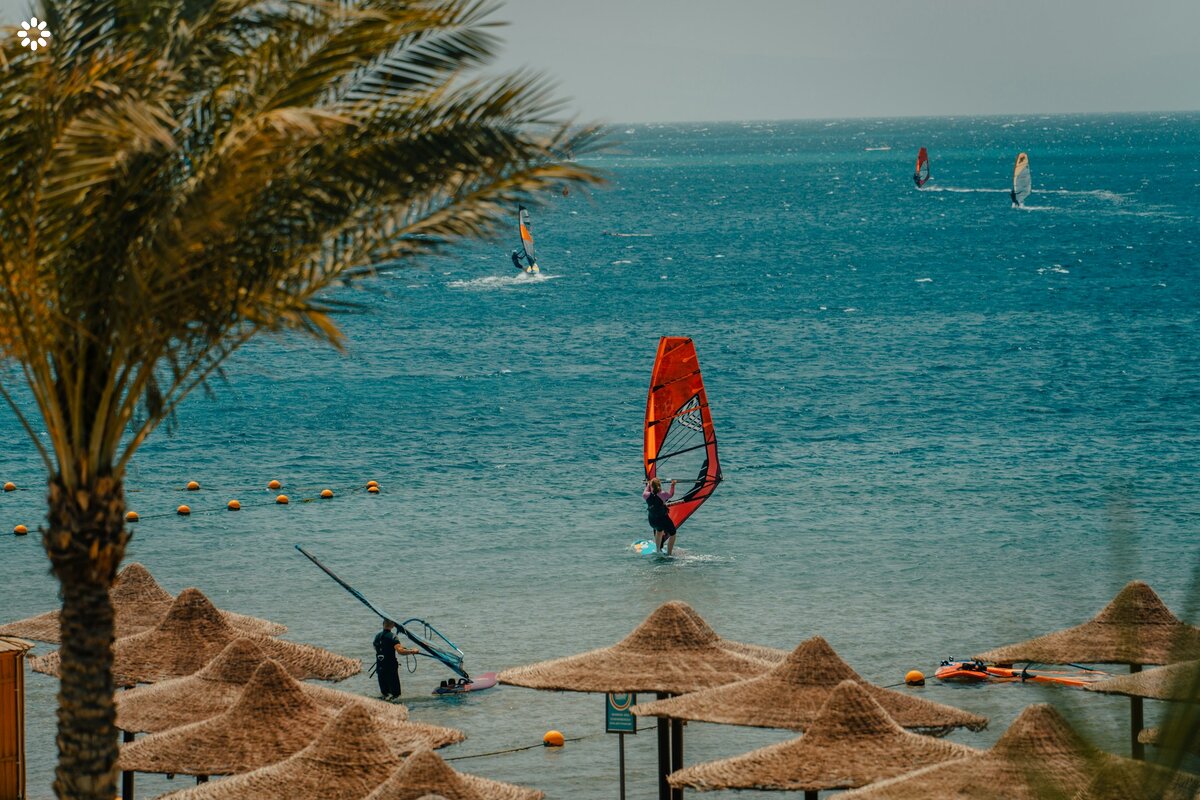
The southern bases gain ground as the month goes on. Marsa Alam is consistently the warmest water in the country and is the only base that comfortably supports a swimming holiday in the final week. Sharm's sheltered bays hold heat and block the prevailing northerly, which is worth more in November than in August. Hurghada keeps its advantages — the widest hotel choice, the lowest prices, the best road link to Luxor — but its exposure to wind is a bigger liability once the air has cooled. Dahab remains the cheapest and the most interesting to anyone who dives, and the least suitable for anyone who wants a resort.
| Base | Sea, late November | Best format | 7 nights / 2 people | November weakness |
|---|---|---|---|---|
| Marsa Alam | +25–26°C | Beach week | 3 200–7 500 PLN | Long transfers, nothing off-site |
| Sharm El Sheikh | +24–25°C | Beach week, short break | 3 700–8 500 PLN | Inland trips need a flight |
| Hurghada | +24°C | Split trip | 3 400–8 000 PLN | Windiest coast, cooler evenings |
| Dahab | +24°C | Diving trip | 2 900–6 200 PLN | Cold desert nights, no resort comfort |
Who is it for
Use the table as a tie-breaker once the format is settled, not before. If the answer is a beach week late in the month, it points south; if the answer is a split trip, it points to Hurghada regardless of the wind; if the answer is diving on a budget, Dahab wins on cost and shore access. Not worth it to choose a base on sea temperature alone — the two degrees between Marsa Alam and Hurghada matter less than whether the hotel pool is heated and whether the beach faces the wind. A five-star with a cold pool on an exposed frontage is a worse November week than a four-star in a sheltered bay.
What only matters in November
Four things that are irrelevant in September and decisive now.
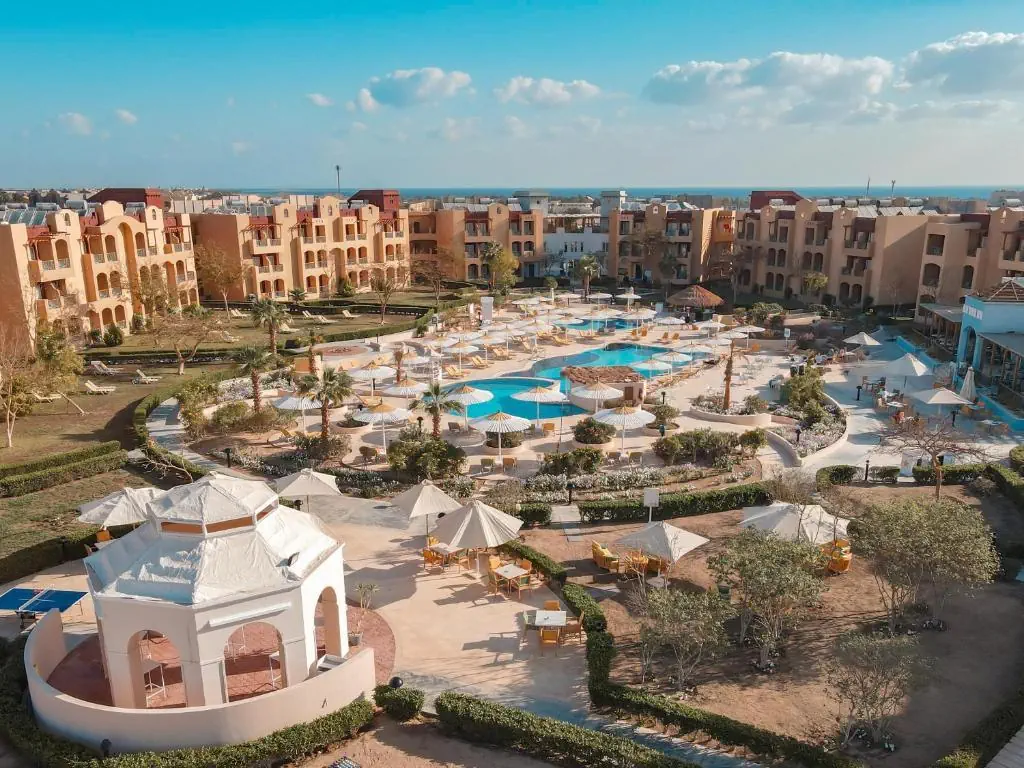
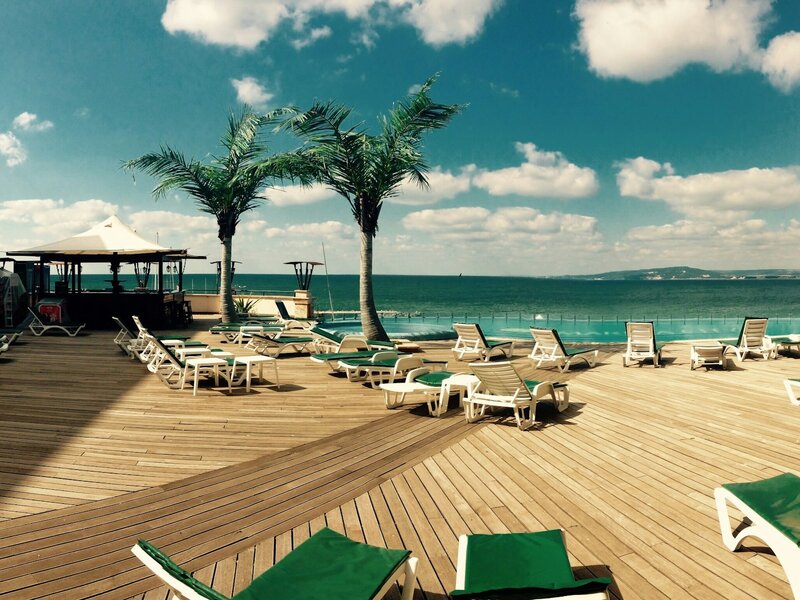
The pool. This is the one most people get wrong. An unheated pool in a shaded courtyard loses heat overnight and does not recover during a 26°C day, so by mid-November it can sit at 20–22°C while the sea holds 25°C. Hotels advertise heated pools inconsistently and some heat only one of several. Ask which pool, and ask whether heating is switched on for your dates rather than "available".
The evening. Coastal nights run 16–19°C and inland nights lower. Outdoor à la carte restaurants, terrace bars and evening entertainment all become less pleasant, so a hotel with indoor dining and a real indoor space is worth more than one with a bigger beach.
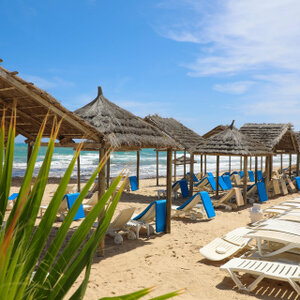
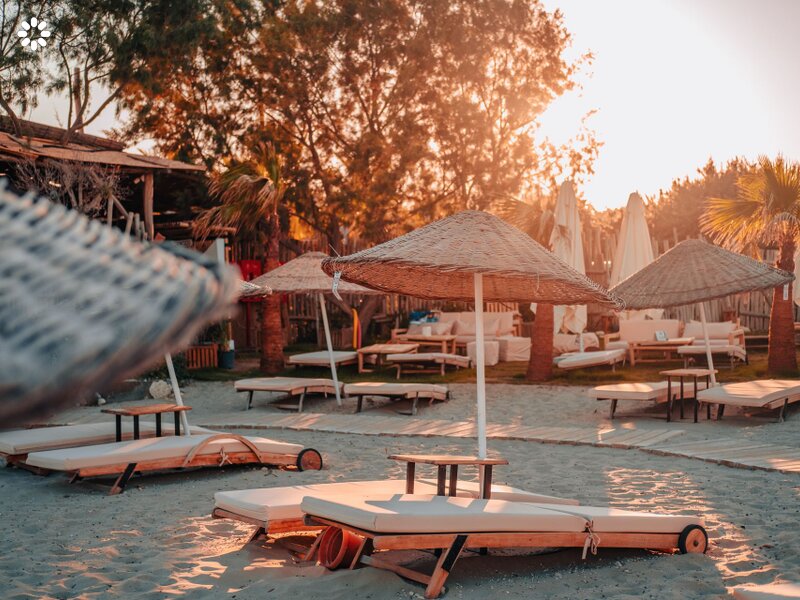
The wind. The prevailing northerly does not stop for winter, and its effect changes: at 34°C it is relief, at 26°C it is the reason you leave the sunbed. Sheltered bays and lee-side frontages earn their premium in November specifically.
The packing. A holiday that includes any inland element needs genuine layers — a fleece and long trousers for pre-dawn starts in Upper Egypt, where 11–14°C at 05:00 is normal. This is the single most common packing failure of the month.
Prices, and where in the month to book
November is the last cheap month before the winter high season, and the discount is not evenly spread.
A beach week for two in a four-star all-inclusive runs roughly 2 900–8 500 PLN depending on base and date, with the first ten days generally cheaper than the last and the whole month well below the Christmas and New Year window that follows. The monuments format sits higher and behaves differently: Nile cruise pricing firms up through November as the season builds, so booking a cruise late in the month costs more than booking it early, which is the reverse of the beach pattern. If cost is the deciding factor, the cheapest combination is a beach week in the first half of November; if quality of sightseeing is the deciding factor, the best conditions are in the second half, and you pay for them.
| Item | Typical price | Worth knowing |
|---|---|---|
| Beach week, two people, 4* all-inclusive | 2 900–8 500 PLN | First ten days of the month are the cheapest |
| Nile cruise, two people, 3–4 nights | 4 800–10 000 PLN | Rises through the month as the season builds |
| Grand Egyptian Museum, adult | Around 30 USD (~120 PLN) | Online timed slots only, daily quota capped |
| Visa, where required | 25–36 USD per person (~100–145 PLN) | Check first whether your passport still needs one |
| Tips across a week, two people | Roughly 200–400 PLN | Small notes, budgeted rather than improvised |
Entry rules for travellers from Poland
Nationality decides this, not where you live — and the November question is whether your format stays inside Sinai.
Egypt widened visa exemption during 2026 for a group of nationalities and separately restructured visa on arrival. Both changes are real, but coverage has been inconsistent about scope and timing, so verify with the Egyptian embassy close to departure and carry enough cash for a visa as a fallback.
- EU and EEA citizens, including Polish nationals: an expanded exemption was announced in early 2026 covering EU member states alongside the UK, US and Canada, with stays reported at 30 to 90 days on a passport valid at least six months. Because implementation has been described differently by different sources, keep the fallbacks in mind: the e-Visa at 25 USD, and visa on arrival, which rose to 30 USD in March 2026 and has been moving to a digital format at a higher fee.
- Ukrainian nationals: a visa is required — either an e-Visa applied for in advance, which cannot be obtained at the airport and wants roughly a week's lead time, or a visa on arrival. The resort-only exemption has generally been described as applying to EU, UK and US passports, so do not assume it extends here.
- Belarusian nationals: a visa is required, and sources differ on how reliably visa on arrival is available. Applying in advance removes the risk of a refusal at check-in.
- Non-EU residents of Poland: a Polish residence card proves your right to live in and return to Poland and grants no right of entry to Egypt. Passport nationality decides.
- The South Sinai permit and why the format matters: travellers going only to Sharm El Sheikh, Dahab, Nuweiba or Taba can receive a free entry permit for up to 15 days instead of a visa, restricted to the peninsula. In November this is a live issue precisely because so many trips add an inland leg — the moment your itinerary includes Cairo, Luxor or a Nile cruise, the permit is no longer enough and you need the full visa.
Quick comparison of the three formats
| Format | Who it suits | Length | Cost for two | Best part of November | Main trade-off |
|---|---|---|---|---|---|
| Beach week | Sun, diving, low effort | 7 nights | 2 900–8 500 PLN | First half | Sea cools through the month |
| Monuments first | First visit, culture, cruises | 5–8 nights | 4 800–10 000 PLN | Second half | Early starts, costs roughly double |
| Split trip | Both halves, more time | 8–10 nights | 5 500–11 000 PLN | Whole month | Two transfers eat two half-days |
For most travellers the honest ranking in November is: monuments first if this is a first visit, beach week if it is not and you mainly want sun, split trip only if you have at least eight nights. The format decision does more work than the hotel decision this month, which is the reverse of the summer position.
Checklist before booking:
- Decide the format before the destination — beach, monuments or split — because it determines airport, length and budget.
- Confirm in writing that the hotel pool is heated and that heating is switched on for your specific dates, not merely available.
- Check the beach orientation and whether the frontage is sheltered; wind exposure costs more comfort in November than in summer.
- If any inland leg is planned, book the Grand Egyptian Museum slot online in advance, and take the earliest one.
- Settle the visa by passport, and check separately whether your itinerary ever leaves South Sinai.
- Pack real layers for any inland element: 11–14°C before dawn in Upper Egypt is standard, not unusual.
The most common mistakes:
- Booking November as though it were October. The sea loses two degrees across the month and the nights lose four; a hotel that was ideal in early October can be the wrong choice for the last week of November.
- Assuming the pool is the fallback when the sea is cool. Unheated, it is colder than the sea by mid-month. This is the reverse of what most people expect and the most frequent November complaint.
- Turning up at the Grand Egyptian Museum without a ticket. Sales are online only with timed slots and a capped daily quota; there is no gate option.
- Attempting a split trip in seven nights. Two transfers cost two half-days, and both halves end up too short to work.
- Relying on the Sinai permit while booking a pyramids excursion. Leaving the peninsula requires the full visa, and November itineraries add inland legs more often than summer ones.
- Packing only for a beach. A dawn balloon over Luxor or a desert camp at 12°C with nothing warmer than a hoodie is a predictable and avoidable way to lose the best morning of the trip.
So, is Egypt worth it in November?
Yes — but the honest answer is that November is a better sightseeing month than a beach month, and booking it the other way round is where trips go wrong.
Nowhere else four hours from Warsaw offers 24–26°C water in late November, so as a beach destination Egypt still wins its category outright, particularly in the south. But the country's own peak has moved inland by now: Luxor at 27–29°C and Cairo at 25°C are as good as they get all year, the Nile cruise season is running, and the Grand Egyptian Museum has made a Cairo leg worth building a trip around rather than tacking on. If this is a first visit, put the monuments first and add the sea afterwards. If it is not, a beach week in the first half of the month is the cheapest good week Egypt sells before the December prices arrive.
One practical recommendation:
Whichever format you choose, run it in the month's own direction — coast first, inland second. The sea is at its warmest in the first ten days and the temples are at their most comfortable in the last ten, so an itinerary that starts on the beach and finishes in Luxor gets the better half of both, while the reverse order gets the worse half of each.


 Holidays


 Last minute


 Hotels


 Blog
Blog