Behind Spain's system of beach fines isn't municipal whim - it's a law that turns thirty-eight this year. The 1988 Coastal Law declared the beach, the dunes and the surf strip state public property - meaning nobody's private property - and no amount of money lets you appropriate a patch of it or build on it. That single principle is what the whole penalty structure grew out of: from a nominal €100 for a speaker on the sand to €300,000 for an illegal structure right by the water. The smoking bans, the music restrictions and the sunbed rules that get warned about every summer are only the visible part of that system.
Below is the whole structure: what the law actually treats as state property and why that makes blocking access to the sea illegal, how the fine amount is calculated for minor and serious violations, who has the authority to fine - from town councils to entire autonomous regions - and what municipalities build on top of the law with their own rules. Further down: ten specific violations tourists get caught for most often this summer, with figures by city, and a detailed look at how a fine is issued and appealed.
- What the state treats as its own → The Coastal Law
- How the fine amount is calculated → Minor and serious violations
- Town, region or the state → Who actually fines you
- Smoking, animals, noise → What municipalities add on top
- The specific figures → Ten fines from this summer
- From the report to the appeal → How the procedure works
- Summary table → Who fines and how much
The 1988 Coastal Law: what the state treats as its own
Law 22/1988 of 28 July is built around one idea: the beach, the surf strip, the dunes and other natural elements of the coastline make up the dominio público marítimo-terrestre - the state's maritime public domain. It cannot be sold, privatised, or transferred into private hands even through long-term possession. The practical consequence for a holidaymaker: nobody, including the owner of the hotel or bar next door, can legally "buy up" a stretch of beach and close off access to it.
The law goes further than the sand itself. Beyond the boundary of state property begins the zona de servidumbre de protección - a protective zone usually 100 metres deep inland (in towns already built up before 1988, this can be reduced to 20 metres). Strict restrictions on new construction apply within it. And inside that zone sits a narrower one still: the servidumbre de tránsito, a mandatory passage at least 6 metres wide, which must remain clear for pedestrians and rescue vehicles at all times. This is the specific legal basis for why rows of paid sunbeds blocking the way to the water are a breach of the law, not just bad manners.
State property: the beach strip itself, the dunes, coastal marshland - cannot be privatised under any circumstances
The protective zone: 100 metres inland (20 metres in towns built up before 1988) - strict limits on new construction
The passage zone: at least 6 metres, must stay clear for pedestrians and emergency services at all times
The 2013 reform: Law 2/2013 relaxed the protective zone from 100 to 20 metres for a number of already built-up towns and allowed roughly 12,800 homes, previously deemed illegal constructions on state land, to be legalised
That last point matters for context: the 1988 law was originally stricter than it is now, and part of its protections were softened over time under pressure from developers and local communities. It's why the same stretch of coast can show untouched wild sections right next to dense development almost at the water's edge - formally legal thanks to the reform. 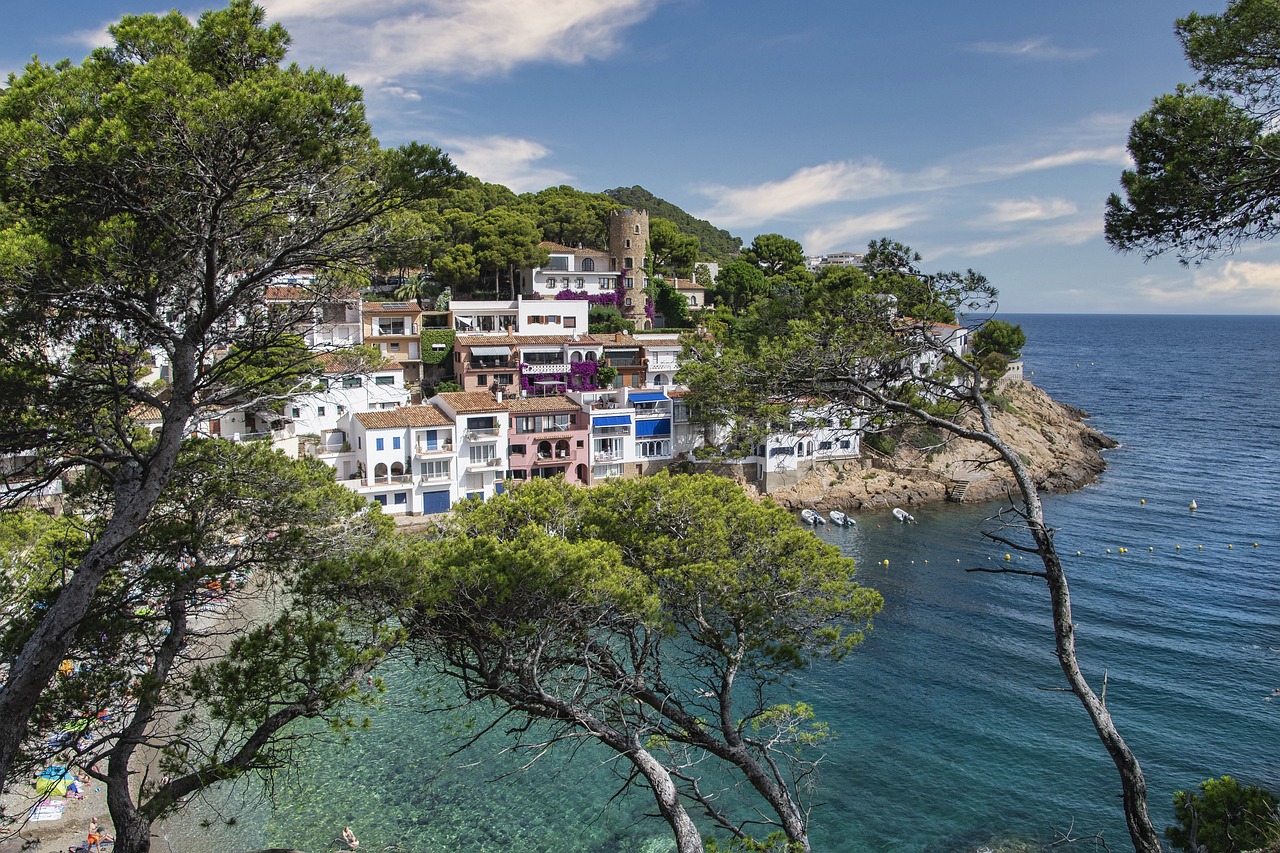
Minor and serious violations: how the fine amount is calculated
Chapter five of the law, dealing with offences, splits them into two categories, and the difference between them accounts for the whole range of figures reported in the press each summer.
- Minor violations. Unauthorised occupation of state-owned land, failure to comply with the conditions of an already-issued permit, minor damage to the passage zone. The maximum is €60,000, though the vast majority of real-world tourist fines sit well below that ceiling.
- Serious violations. Moving or damaging the boundary markers that delimit state property, blocking public access to the sea, putting up unauthorised structures. The upper limit is €300,000, and for a number of cases the amount isn't a flat figure but calculated by formula: per square metre occupied, per cubic metre of waste dumped, or per day the violation goes unresolved.
- A concrete example of the calculation. For illegal camping on state-owned coastal land, the law sets a direct minimum penalty of €40 per square metre occupied, per day. For a 4-6m² tent, that's already several hundred euros a day, and the total keeps climbing until the tent is removed.
Beyond the fine itself, the law requires the offender to restore the site to its original condition or compensate for damage that can no longer be undone. In practice, for illegal structures that means a demolition order - so the financial loss often ends up higher than the formal fine.
Who actually fines you: three tiers of authority with different ceilings
The power to impose a sanction is split across levels of government depending on the scale of the violation, which is why an outwardly similar story - from a towel on the sand to an industrial discharge into the sea - can end in a €100 fine or a seven-figure one.
Town councils: within their remit, can fine up to €12,000 - this covers the vast majority of everyday tourist violations
Autonomous regions: for industrial or polluting discharges into the coastal zone, the ceiling rises to €1.2 million
The state, via the Servicio de Costas: steps in for serious breaches of the Coastal Law - illegal structures, blocked access, damaged boundary markers
Municipal police, the Civil Guard: log the violation on the spot and draw up the initial report, regardless of which body ultimately sets the penalty
What municipalities build on top of the law
The Coastal Law sets the overall framework - state property, protective zones, the severity of violations - but the specific, everyday bans a tourist actually runs into are usually written not by the national law but by a separate municipal ordinance. That's the key to understanding why the rules vary so much between neighbouring towns on the very same coast.
Smoking: banned on more than 600 Spanish beaches, including Barcelona, San Sebastián and much of the Canary and Balearic Islands; in Barcelona the fine is €300-750
A national law in preparation: a draft new anti-tobacco law proposes extending the smoking ban to every beach in the country with no exceptions, with penalties from €200 to €600,000 depending on severity
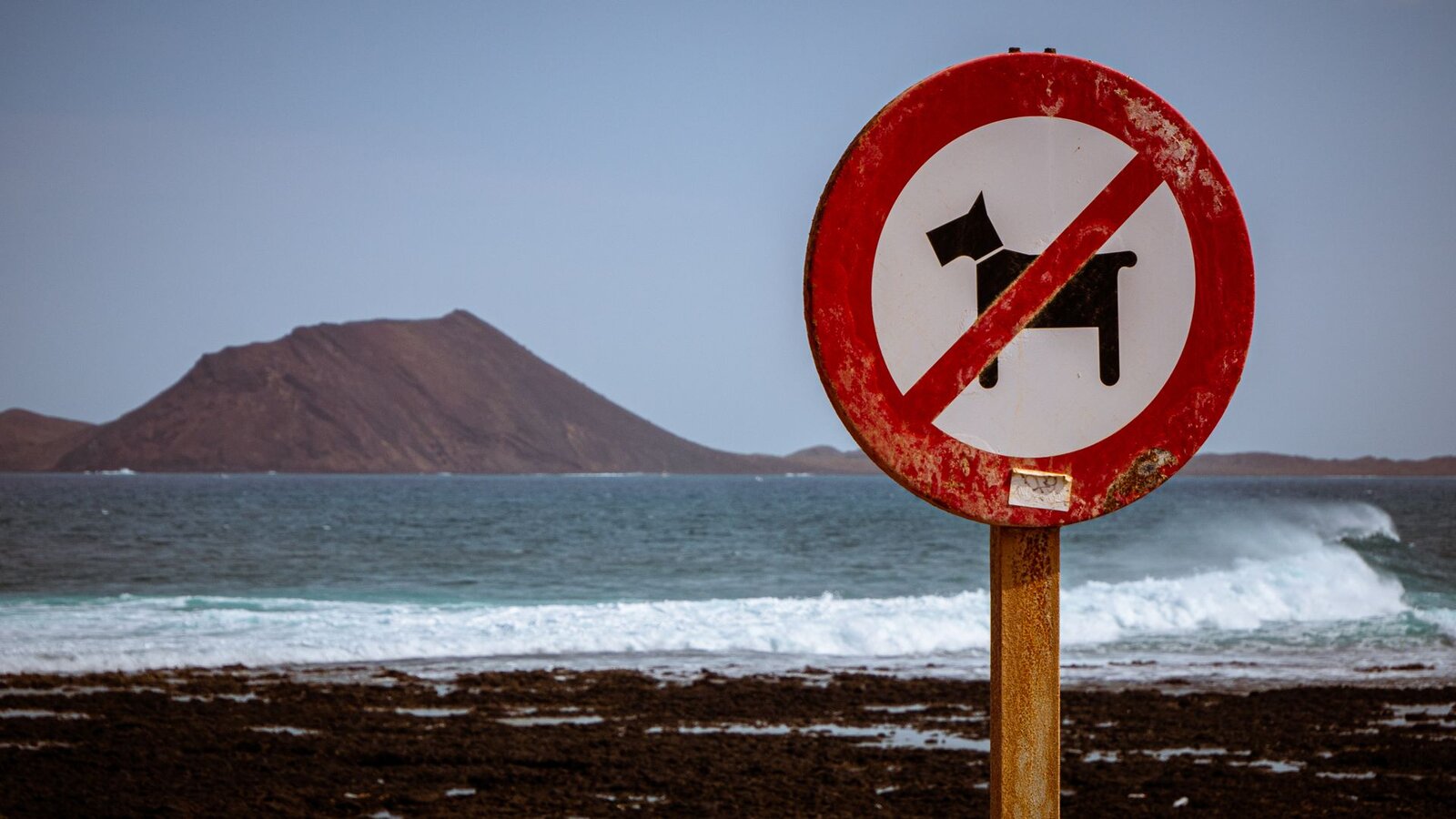
Animals: the Coastal Law doesn't mention them at all - each municipality decides independently whether to set aside a separate dog beach or bar animals from the shore entirely
The practical upshot: there is, in effect, no single unified rulebook for Spanish beaches - what's allowed in one town can be directly banned a couple of kilometres further along
 Ten specific fines tourists get caught for most often this summer
What follows aren't abstract categories but real cases with figures from specific cities. Most fall into the municipal "minor violation" category, which is why the final figure is almost always noticeably below the theoretical €60,000 ceiling.
What's most commonly fined on Spanish beaches:
- Relieving yourself on the sand or in the sea. In Vigo this is officially classed as "physiological evacuation on the beach or in the sea" and carries a fine of up to €750. Marbella introduced a similar ban and doubled the previous rate to match, covering 25 beaches across the municipality.
- The "umbrella wars": claiming a spot at dawn. Chairs, tables or towels left out before the beach's official opening time are formally treated as unauthorised camping - meaning they fall under the calculation described above. In Badalona the fine reaches €600; in Calpe it's €250 plus confiscation, with items taken to municipal storage.
- Washing with shampoo or soap in a public shower. Banned in a number of municipalities, because the phosphates in wash products run straight into the sea. There's no single fixed rate; the violation is filed under failure to comply with beach usage rules - in practice, up to €750.
- Playing beach tennis or football outside the designated zone. In Malaga the fine can reach €3,000; in Benidorm, €750; in Cadiz, as little as €100 is enough for a report over an impromptu match by the water's edge.
- Taking sand, rocks or shells home as a souvenir. The Canary Islands specifically fine for removing volcanic rock and shells - up to €3,000. Checks happen on departure, airports included.
- Using a metal detector without a permit. If the find has archaeological value, the Historical Heritage Law kicks in, allowing a fine of up to €150,000 alongside confiscation of the device itself.
- Playing music through a portable speaker. In several municipalities of the Valencian Community, turning your towel into a dance floor carries a fine of around €750. By comparison, neighbouring Portugal can fine repeat-offending groups up to €36,000 - Spain's rates look almost gentle by comparison.
- Smoking on the sand. Already banned on more than 600 beaches; €300-750 in Barcelona, and under the future national law the maximum penalty for the worst cases could reach €600,000.
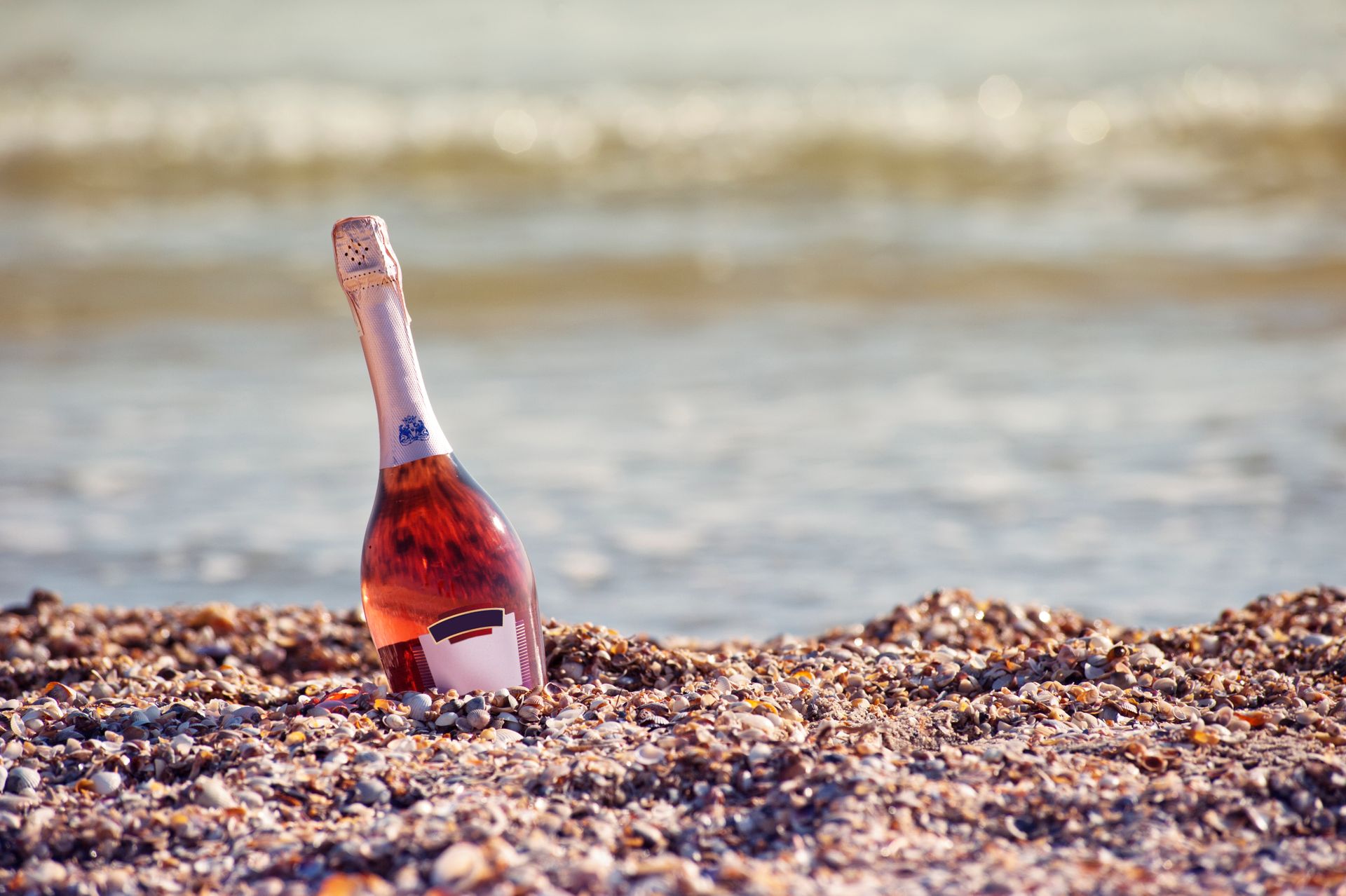
- Drinking alcohol on the beach. A number of coastal municipalities have a separate fine of up to €3,000, regardless of whether it involves noise or disorder.
- Damaging a coastal boundary marker. Sounds abstract and bureaucratic, but it's written into the law directly: €1,000 per marker affected, even without intent. Boundary markers are physical stones or markings used to fix the state's beach boundary on the ground; they get knocked or disturbed more often than you'd think - setting up a large tent or parasol right at the edge of the zone is a common way it happens.
 How the procedure works: from the report to the appeal
A fine isn't issued "on the spot, in cash" - worth keeping separate in your mind, since attempts to settle things right there on the beach sometimes get confused with the actual procedure.
- Who logs the violation. Municipal police, the Coastal Service (Servicio de Costas) or the Civil Guard, depending on the type of violation and the territory.
- Notification. The alleged offender is sent an official notice setting out the specific charges - this is the start of an administrative process, not a final decision.
- The right to respond. At this stage you can submit written explanations and evidence in your defence - arguing verbally with an inspector on the beach itself carries no legal weight.
- The final ruling. Once the case is reviewed, a final decision on the sanction is issued, and that decision can in turn be appealed within the set procedure and timeframe.
- A mitigating factor. If the violation is fixed voluntarily and promptly - an illegal installation removed, a discharge stopped - the law explicitly allows the fine to be reduced by up to half the original amount.
- Publication. Details of serious fines that take effect are subject to official publication, usually in the local press - part of the procedure's public nature.
The practical advice from the municipalities themselves is simple: before you set up a parasol or lay out a towel, it's worth checking the information boards at the entrance to that specific beach. The rules differ even between neighbouring stretches of the same seafront, and not knowing them, as in any other area of administrative law, doesn't exempt you from liability.
Summary table: who fines and how much
Figures are approximate and given as upper and lower bounds where applicable; the exact rate depends on the municipality and the circumstances of the specific case. 
| Violation | Who fines | Approximate amount |
|---|---|---|
| Relieving yourself on the beach or in the sea | Municipality | up to €750 |
| A spot claimed with parasols and belongings from dawn | Municipality | €250-600, confiscation of items |
| Shampoo or soap in a public shower | Municipality | up to €750 |
| Sport outside the designated zone | Municipality | €100-3,000 |
| Taking sand, rocks or shells | Municipality / regional authorities | up to €3,000 |
| Metal detector without a permit (archaeological find) | Regional authorities, heritage law | up to €150,000, confiscation of device |
| A speaker and loud music | Municipality | around €750 |
| Smoking on the sand | Municipality, the state in future | €300-750, up to €600,000 under the draft law |
| Alcohol on the beach | Municipality | up to €3,000 |
| Damaging a boundary marker | The state, Coastal Law | €1,000 per marker |
| Illegal construction, blocked access to the sea | The state, Coastal Law | up to €300,000 |
| Industrial or polluting discharge | Autonomous region | up to €1.2 million |
Checklist before a beach day in Spain:
- Check the information board at the entrance to the specific beach - municipal rules change even between neighbouring stretches of seafront.
- Don't leave a parasol, chairs or a towel out before the beach's official opening time: it's formally treated the same as unauthorised camping, not just "holding a spot".
- Listen to music through headphones - a speaker on the sand falls under a separate municipal rule almost everywhere.
- Don't take sand, rocks or shells home, especially in the Canary Islands - it's a separately fined violation, not a trifle.
- Keep clear of boundary markers when setting up a large tent - accidentally damaging one costs €1,000 regardless of intent.
- If you're planning to use a metal detector, check the local rules in advance - a find of archaeological value sharply changes the scale of any potential fine.
- Ask for official written notification rather than paying cash "on the spot, directly to the inspector" - that's not how the procedure works, and it's a reason to be cautious.
Common misconceptions:
- "The Coastal Law is only about construction." In reality, most everyday municipal bans, smoking and noise included, are derived from it.
- "The rules are the same across all of Spain." The national law sets the general framework, but the specific amounts and bans are almost always set by the municipality - and they differ even within a single stretch of coast.
- "A fine can be settled on the spot." The official procedure is notification, the right to respond, and a final ruling; cash to an inspector "right there" isn't a legitimate way to pay.
- "A towel from dawn is just rude, nothing more." It can formally be classed as unauthorised camping, with the fine calculated per square metre and per day.
- "A handful of sand as a souvenir is nothing." In the Canary Islands and a number of other regions it's a separately fined violation, with checks on departure.
- "If the violation is minor, the fine will be symbolic." The final figure depends not just on the nature of the violation but on which level of government handles it - and that's often only clear after the fact.
The verdict
What's the one thing worth taking away about Spain's beach fines?
The system is easier to remember as a single idea with two tiers, rather than a list of bans. The idea: the beach belongs to the state, and nothing on it can be claimed, blocked or built on without a permit - hence figures that, for serious breaches of the Coastal Law, reach €300,000, and for industrial discharges, €1.2 million. The tier a tourist actually runs into is the municipal rules layered on top of the law: smoking, music, animals, sunbeds from dawn. The figures here are far more modest, typically €100 to €3,000, but this is exactly where people get caught most often, because these are everyday actions nobody checks before a trip. 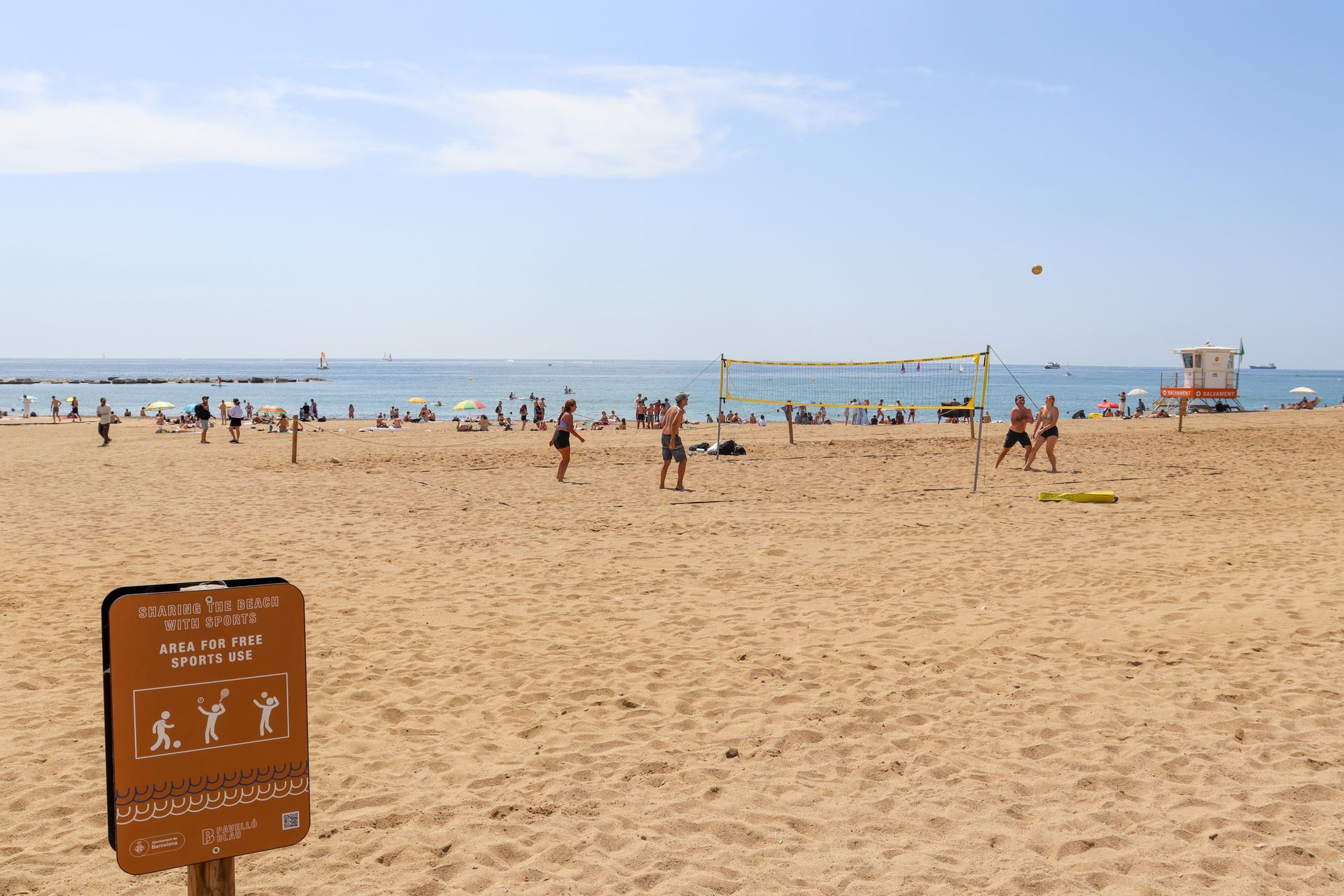
One last piece of advice:
Thirty seconds at the information board by the beach entrance saves far more hassle than it seems to. The rules are set by the municipality, not the country as a whole, and what's allowed on the beach next door a couple of kilometres away can be directly banned right here - there's no universal rulebook, and it's not worth relying on what you remember from last year's holiday.








 Holidays


 Last minute


 Hotels


 Blog
Blog