In Saranda the sea is still at 25°C in the first days of September. Two hours' drive north, in Durrës, it is already noticeably cooler — and that single fact decides which part of Albania is worth booking this month.
This guide compares the Albanian Riviera and the central coast around Vlorë and Durrës for September travel from Poland: air and sea temperatures by half of the month, transfer times from Tirana Airport, visa rules for EU nationals, Ukrainian citizens and Belarusian citizens, and where the money is best spent depending on what you actually want from the trip.
- Want the sea still warm and beaches thinning out after August → Albanian Riviera
- Want the shortest transfer from the airport, even if the water is a touch cooler → Vlorë, Golem and Durrës
- Only free after 1 September because of the Polish school calendar → Early or late September
- Booking at the last minute on a tight budget → Early or late September
- Need to know what documents you can travel on → Entry rules by nationality
- Want the short version before you scroll → Final verdict
Albanian Riviera: still a proper beach holiday, not a shoulder-season compromise
Saranda, Ksamil and Himarë sit on the Ionian side of the coast, and that matters more than most guides admit. The Ionian stays measurably warmer through September than the Adriatic beaches further north, so while the calendar says "end of summer," the water does not agree. Early-month sea temperatures around Saranda average close to 25°C, cooling gradually to roughly 23.5°C by the last days of the month. Air highs start near 28–30°C and settle around 24–25°C by the end of September.
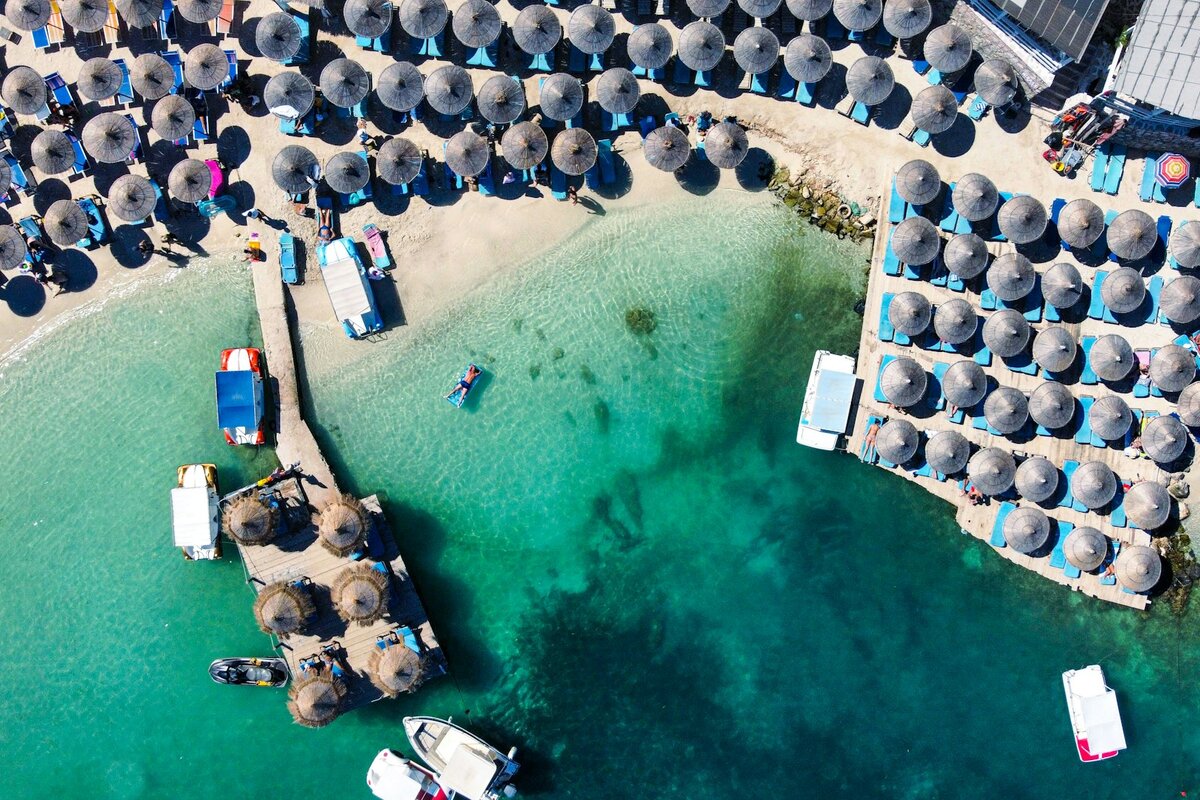
Transfer: Tirana Airport to Saranda is around 185 km, but budget 3.5–4 hours, not less — the coastal road climbs the Llogara Pass at over 1,000 metres, and the final 40 km into Himarë often take as long as the first 140.
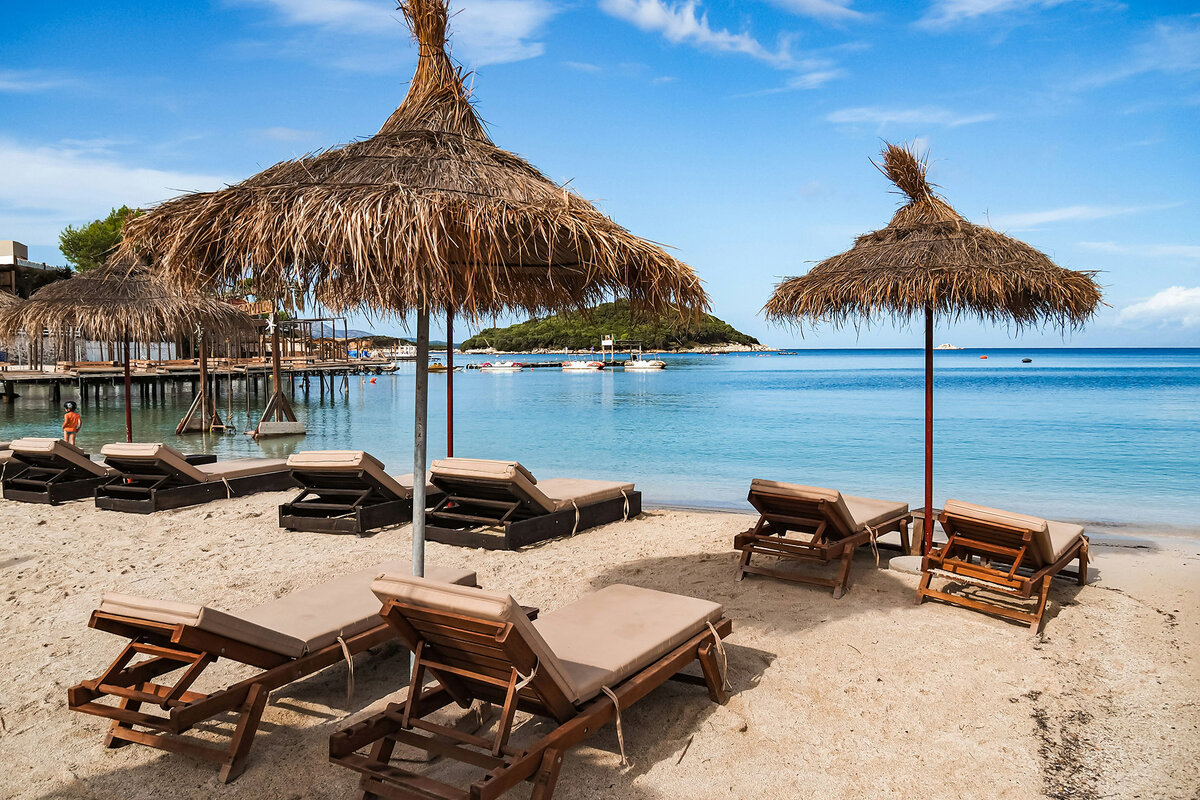
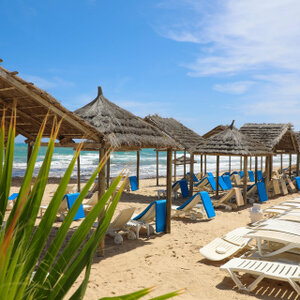
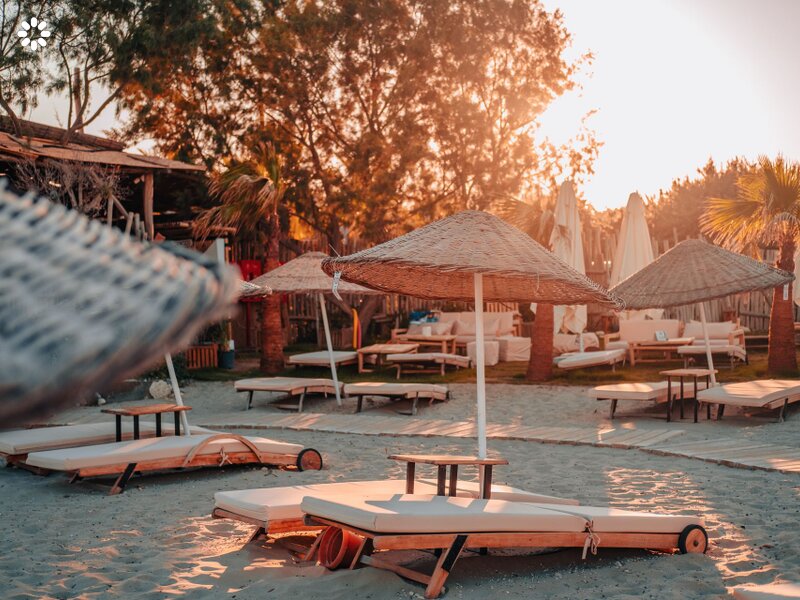
Beach type: mostly pebble and shingle, with a few sandy pockets in Ksamil; expect small hotels, guesthouses and apartments rather than large resort complexes.
Crowds: the first week of September can be busier than expected, driven by domestic and regional visitors on their own end-of-summer break, before thinning out noticeably after the 10th.
Who is it for
Couples and adult travellers who want to swim properly rather than paddle, and who don't mind a longer, winding transfer in exchange for clearer water and a quieter coastline than the Adriatic side offers in the same week.
Not worth it if you're travelling with young children who won't tolerate a four-hour transfer after a flight, or if you specifically want an all-inclusive resort with a large pool complex — the Riviera is built around small independent properties, not resort chains.
What to do
- Swim at the Blue Eye spring near Saranda before midday, when the pools are still empty of day-trip buses.
- Drive the Llogara Pass road itself in daylight for the viewpoint over the Riviera, not just as a means of getting through it.
- Book a boat trip to the Ksamil islets in the first half of the month — several smaller operators stop running by late September.
- Visit Butrint archaeological park in the late afternoon, when the heat has eased and the site is largely empty.
- Skip the beach clubs directly in front of Ksamil town at midday in early September — this is where the domestic crowd concentrates.
Vlorë, Golem and Durrës: half the transfer time, a degree or two cooler
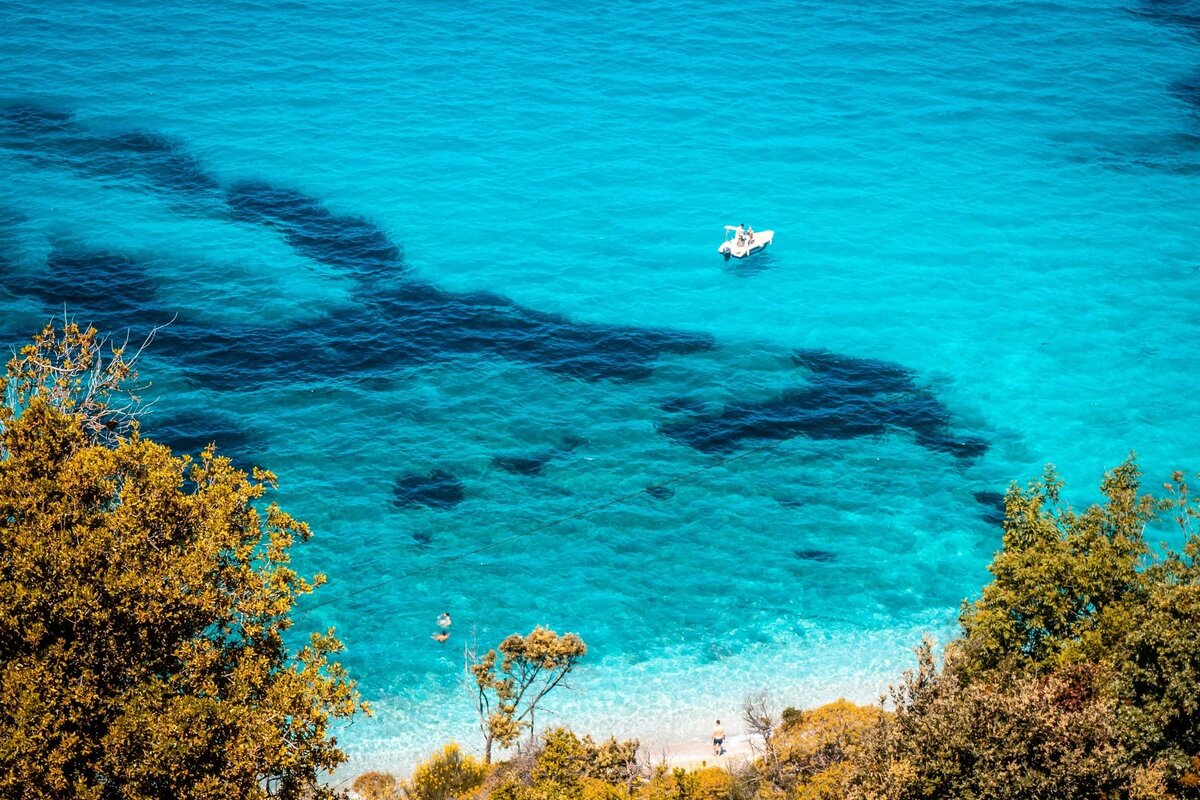
The central coast trades some sea warmth for convenience. Durrës sits roughly 35 km from Tirana Airport — a 30–40 minute transfer against the Riviera's 3.5–4 hours — while Vlorë is about 147 km, usually a two-to-two-and-a-half-hour drive on a road that doesn't involve a mountain pass. The beaches here are wider and sandier than the Riviera's pebble coves, but the sea, on the Adriatic side, typically runs a degree or two cooler than at Saranda in the same week.
| Region | Best for | Sea, early Sept | Sea, late Sept | Transfer from Tirana |
|---|---|---|---|---|
| Albanian Riviera (Saranda, Ksamil, Himarë) | swimming, quiet coves | +25°C | +23.5°C | 3.5–4 hours |
| Vlorë & Golem | balance of beach and access | +24°C | +22.5°C | 2–2.5 hours |
| Durrës | short transfer, city beach | +23.5°C | +22°C | 30–40 minutes |
These are typical ranges, not a guaranteed forecast for any given week — treat them as the difference between the three regions rather than a fixed number to plan a swim around.
Who is it for
Anyone prioritising a short, simple transfer over sea temperature, and travellers who want a livelier promenade with more restaurants and nightlife within walking distance of the hotel.
Not worth it if the sea temperature is your main criterion — Durrës in particular has a working port and a more built-up seafront, and the swimming experience is noticeably less scenic than the Riviera for a similar or slightly lower price.
Early or late September: the two halves of the month don't behave the same way
The first ten days of September are effectively an extension of August: full sea warmth, long daylight, and — on the Riviera specifically — a short but real bump in domestic visitor numbers before Albanian schools return. For Polish travellers this window usually only opens up after the Polish school year starts on 1 September, which pushes most family bookings into the following weekend at the earliest.
After the 15th, prices on both coasts typically ease, restaurant hours on the smaller Riviera beaches start to shorten, and by the final week some seasonal beach bars in Ksamil and Himarë close outright. The sea is still swimmable throughout the month on both coasts, but the margin for a cold, windy spell increases toward the end.
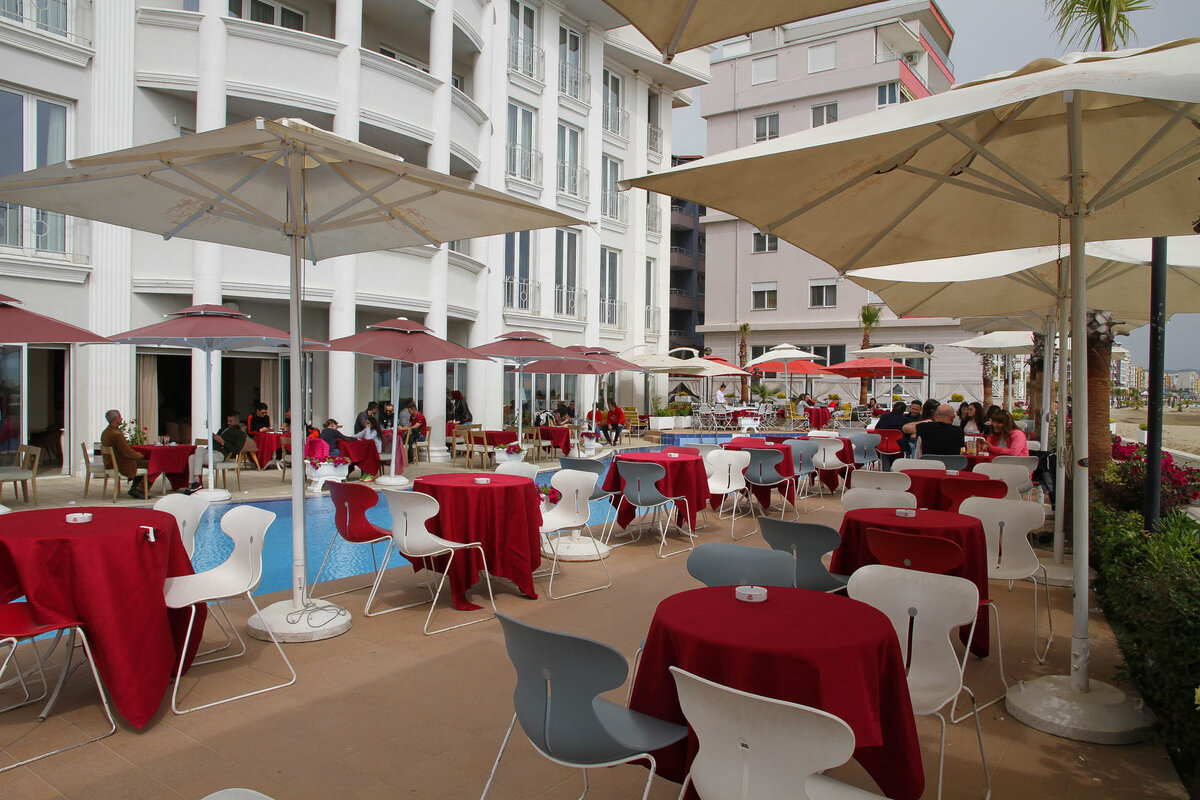
Checklist before booking:
Confirm whether the specific hotel or beach club is still operating for your exact dates if you're booking after 20 September.
Check the transfer option offered with the package — some Riviera bookings default to shared minibus transfer, which adds waiting time on top of the 3.5–4 hour drive.
If flying via Warsaw, book the outbound leg for the morning; the last daily departures land in Tirana in the evening, adding a night before the onward transfer south.
Don't plan around Vlorë International Airport opening for direct flights from Poland this year — as of writing, its commercial launch has been repeatedly delayed and it is not a realistic arrival option for September 2026.
Entry rules by nationality: the same passport question, three different answers
Albania is outside the Schengen area, so the rules depend on citizenship rather than Polish residence status. A Polish karta pobytu does not itself grant entry — what matters is the passport in the traveller's hand.
EU/EEA citizens, including Polish nationals: visa-free entry, with Albania applying its standard liberalisation for EU passport and even ID-card holders travelling within the Schengen area's own 90-day framework.
Ukrainian citizens: visa-free for tourism, 90 days within any 180-day period. This is separate from Albania's extended humanitarian stay provision for Ukrainians already resident in the country, which does not apply to a short holiday.
Belarusian citizens: visa-free, but on different terms — up to 30 days per entry, capped at 90 days total within a calendar year. This is a noticeably tighter allowance than the Ukrainian rule, so it matters for anyone combining Albania with another trip the same year.
Passport validity requirements and exact entry-stamp practice can shift with little notice, so confirm the current rule for the specific nationality on the Albanian Ministry for Europe and Foreign Affairs website close to the travel date rather than relying on this summary alone.
Final verdict
For a straightforward swimming holiday with the warmest sea available this month, the Albanian Riviera around Saranda and Ksamil is the stronger pick, provided the 3.5–4 hour transfer from Tirana isn't a dealbreaker — book the first half of September if a longer, livelier beach scene matters, or the second half for lower prices and thinner crowds. For a short break built around convenience rather than water temperature, Durrës or Golem cut the transfer to under an hour at the cost of a degree or two of sea warmth and a less scenic coastline. Families constrained by the Polish school calendar will get the most reliable weather, and the fewest closed beach bars, by travelling in the first two weeks rather than waiting for late-month prices to drop.
Whichever coast fits, check the current flight schedule and hotel operating dates before paying a deposit — both change faster in September than they do in July.

 Holidays


 Last minute


 Hotels


 Blog
Blog