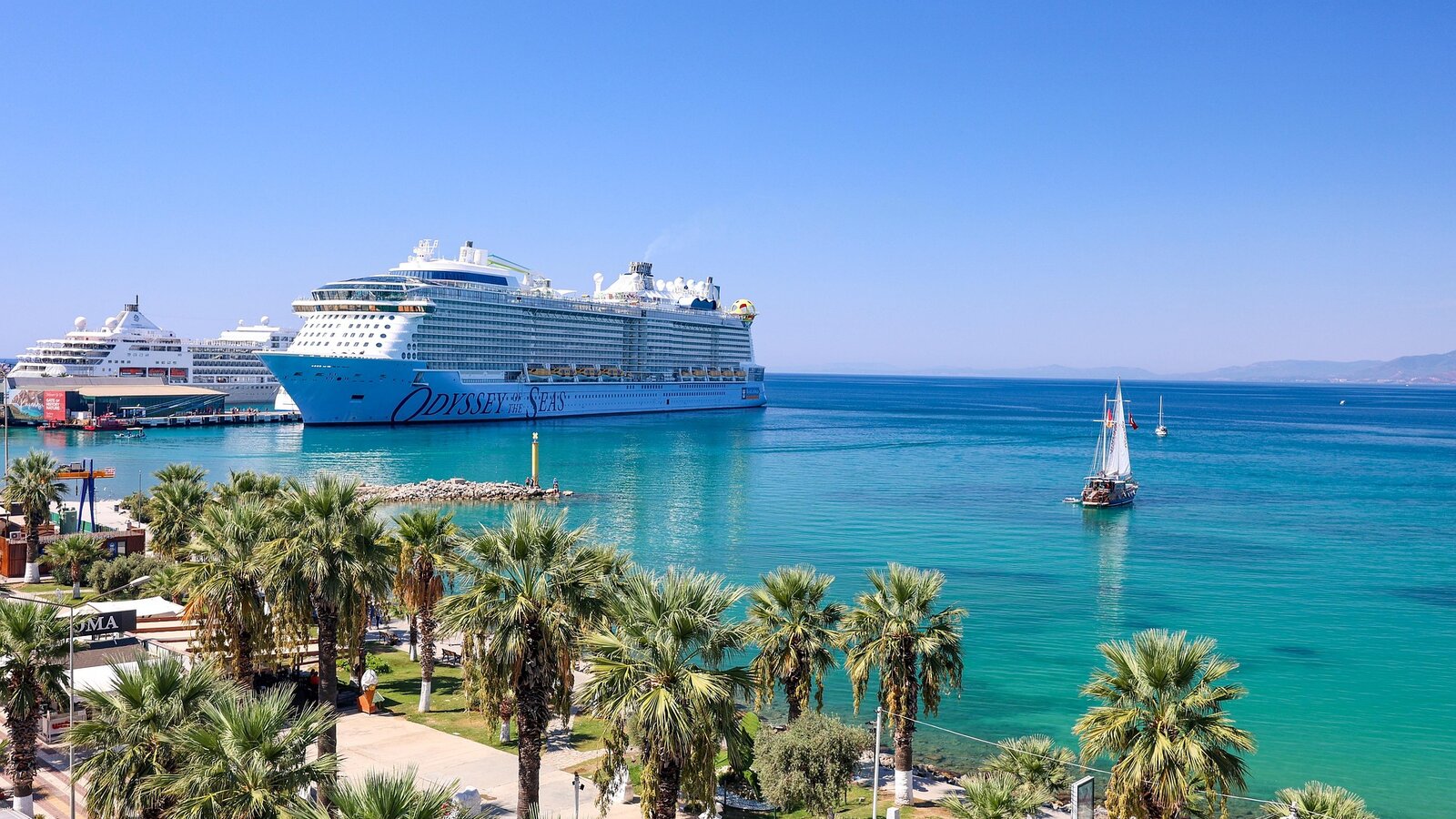
In August, Turkey sells at peak prices and peak crowds - it's the most expensive month of the year, not a sale. But a bigger decision than the price tag rarely makes it into the holiday listings: which of the two coasts you choose. The Mediterranean around Antalya, with Belek and Side, sits in still, humid 38°C air in August, while Aegean Bodrum is swept by the northerly meltemi wind on the same days, and the same 34°C feels five degrees cooler. One thermometer, two different holidays. On the coast you pick in August weighs more than the star rating of your hotel.
Below is the honest breakdown: how hot it really gets in Antalya, Bodrum and along the Aegean, what the meltemi is and why it changes everything, which excursions aren't worth taking this month at any price, why August costs 40-60% more than May, and how to shape a week so the heat stays in the background rather than becoming the main event. At the end: a coast-by-coast comparison table, a checklist and entry rules for travellers flying from Poland.
- Short answer, no preamble → Who should and shouldn't
- How hot, and why the wind matters → Weather in August
- Where the sea is warmer → Sea by coast
- Pricey, humid, but the best All Inclusive → The Mediterranean coast
- The wind that saves summer → The Aegean coast
- Excursions: what to cancel → Pamukkale, Cappadocia, Istanbul
- Why it's so expensive → Prices and savings
- How to handle the heat → Practicalities
- Documents and visas → Entry rules
- Compare the coasts → Comparison
Short answer: who should go, and who shouldn't
If you want the answer without reading the whole article - Turkey in August works, but not for everyone and not on every coast.
Worth going: for families with children on an all-inclusive basis (the heat is waited out in the shade and the pool), for anyone who wants warm, calm sea, for those who need a guaranteed season with no rain at all, and for anyone willing to pick the Aegean coast for the wind
Not worth going: for those coming mainly for excursions to Cappadocia, Pamukkale and Istanbul, for anyone who copes badly with humid heat, and for those hoping to save money - August is the most expensive month of the year
The compromise: move your trip to the second half of September - the sea stays at 26-27°C, the air drops to 30-32°C, the crowds thin out, and prices fall by 25-35%
 What follows are the details that make this answer what it is.
Weather in August: how hot, and why the wind matters
August in Turkey is the peak of summer, but "hot" means different things depending on which sea you've flown to. The key difference between the two main coasts isn't the air temperature - that's comparable - but the humidity and the wind. On the Mediterranean coast (Antalya, Belek, Side, Alanya) the air is humid and almost still, and 37°C feels like a wall of heat. On the Aegean (Bodrum, Çeşme, Marmaris, Datça), summer brings the meltemi - a steady northerly wind that takes the edge off the heat and carries the humidity out to sea.
| Region | Daytime air | How it feels | Wind |
|---|---|---|---|
| Antalya and the Mediterranean coast | 34-40°C | Hard going: humid, still | Light |
| Bodrum and the Aegean coast | 32-36°C | Easier: dry wind | Meltemi, often strong |
| Istanbul | 28-31°C | Muggy, the city radiates heat | Light |
| Cappadocia (inland Anatolia) | 30-33°C by day, 15°C at night | Scorching by day, excursions at dawn | Dry |
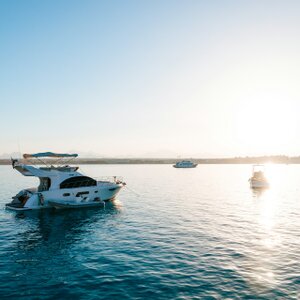
A word on the meltemi's flip side: the wind that rescues you from the heat on the beach also kicks up a swell and can cancel boat trips and yacht excursions, especially in the afternoon. For pool days and evening strolls that's a plus; for anyone who came specifically for time out on the water, it's a factor worth building into the plan.
Sea by coast: where it's warmer, where it's fresher
The water is warm on both coasts in August, but not equally. The Mediterranean heats up more and barely refreshes - it's a 28-29°C bath. The Aegean, thanks to that same meltemi and the currents, sits a couple of degrees lower at 25-27°C, which is exactly why you feel the contrast with the air when you come out, rather than stepping straight back into the same mugginess.
Mediterranean (Antalya, Belek, Side, Alanya): 28-29°C, warm and calm, barely refreshing; ideal for children and anyone who feels cold in the water
Aegean (Bodrum, Çeşme, Marmaris): 25-27°C, fresher, often with a wind-driven chop; easier to bear in the heat
Black Sea (Istanbul and the north): 23-24°C, cooler and more changeable - not a beach destination in August
The practical takeaway is simple: if the goal is warm, calm water and a beach with no surprises, that's the Mediterranean coast. If tolerating the heat and having fresher water matters more, and you're fine with a chop, go Aegean.
The Mediterranean coast: pricey, humid, but the best All Inclusive
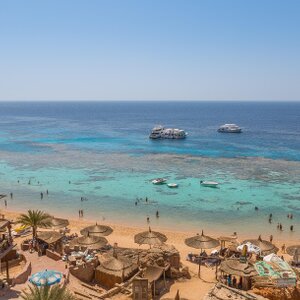
The Antalya coast is what most people picture when they say "Turkey": Belek with its golf courses and five-star resorts, the family complexes of Side and Kemer, more affordable Alanya further east. This is where the country's best all-inclusive infrastructure, water parks and entertainment are concentrated, and it's that model that makes the August heat bearable: you don't fight 38°C, you wait it out in the shade, the pool and the air conditioning, heading to the sea in the morning and evening. A direct flight from Warsaw to Antalya takes about 3 hours. 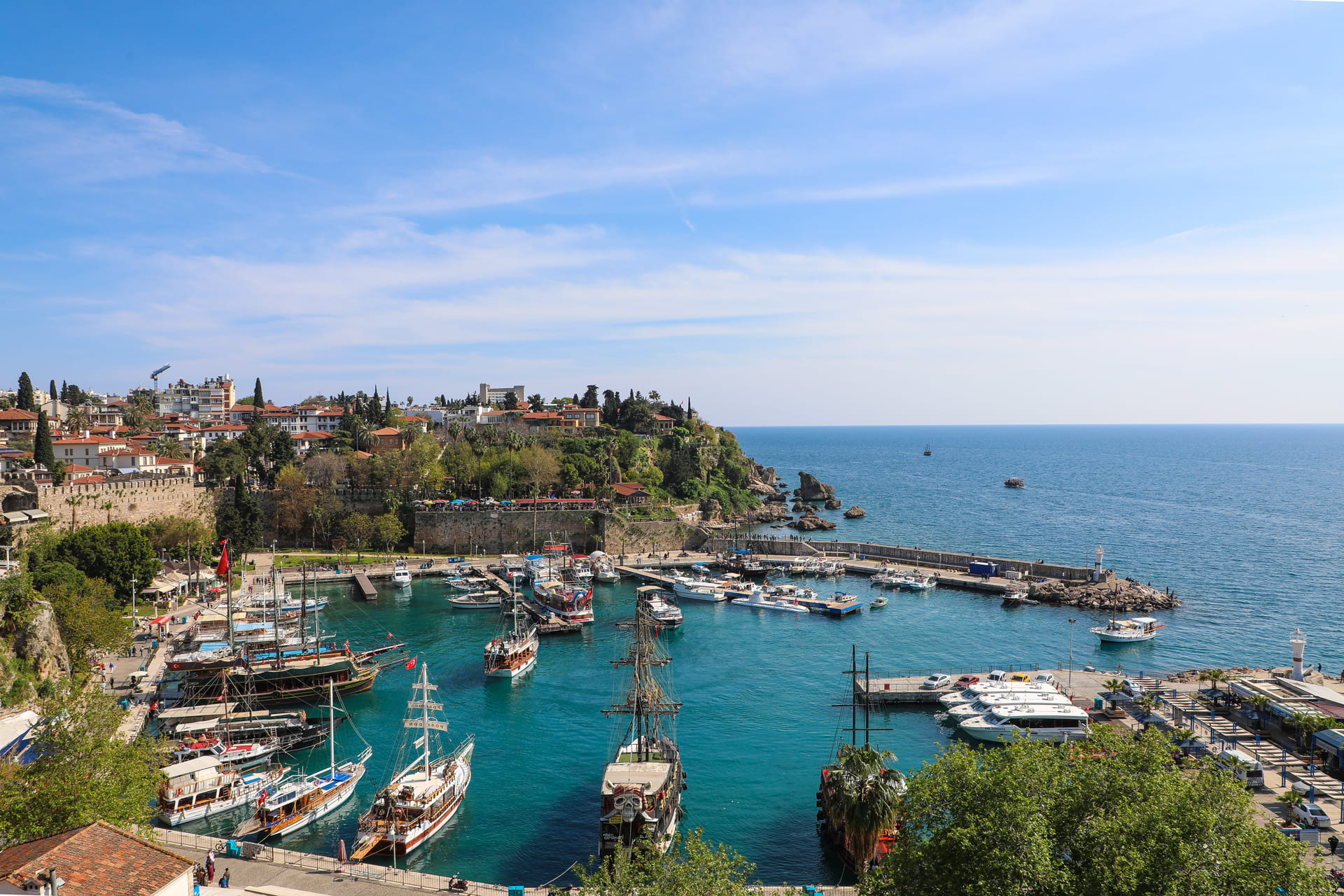
Who is it for
The Mediterranean coast in August suits families with children who want a ready-made world behind the hotel gates: meals, pools, entertainment and the beach all in one place. It works well for those coming to relax rather than tour the country, and for anyone who wants warm water. It's not worth going here if you cope badly with humid mugginess or planned an active programme outside the hotel: during the day in August there's nothing to do on the coast but hide from the sun, and trips into the mountains or on excursions turn into an ordeal.
What to do
- Plan the day around the edges: sea and activities before 11am and after 5pm, the middle of the day in the shade, the pool or your room; this isn't advice for the lazy, it's the only workable routine in August.
- Head to the Lower Düden Waterfalls in Antalya in the evening - the water drops straight into the sea, and it's a few degrees cooler by the water in the heat.
- Pick a hotel with a sea entry that suits your family: the coast has sand, shingle and jetties, and it makes a real difference for children and older travellers.
- Plan one morning boat trip along the Lycian coast from Kemer or Çıralı - before the daytime breeze picks up.
The Aegean coast: the wind that saves summer
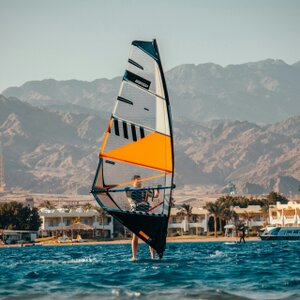
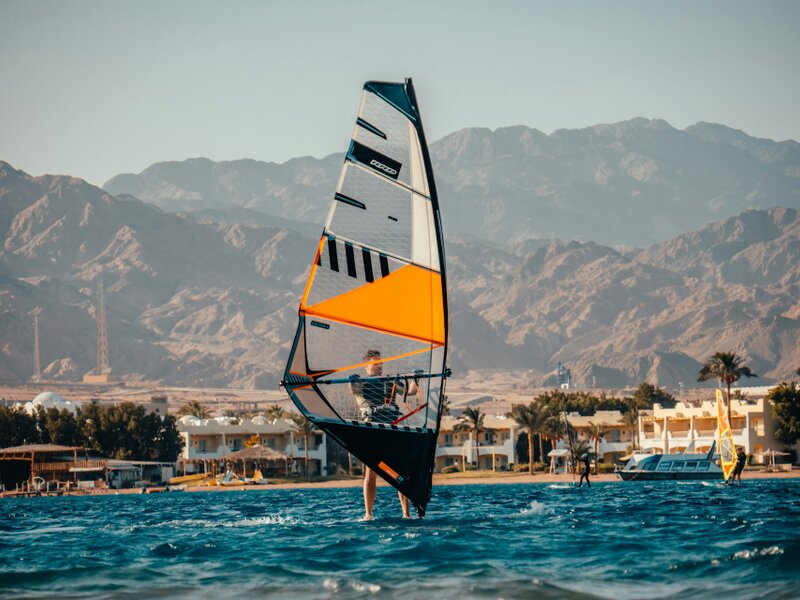
Bodrum, Çeşme, Datça and Marmaris are a different Turkey: drier, windier and noticeably more "European" in feel. There are fewer giant all-inclusive complexes and more boutique hotels, coves and windsurfing, and the meltemi does what no air conditioner can - it keeps the air dry and moving. Bodrum and Çeşme are hubs for kite- and windsurfing precisely because the wind here is predictable and strong. A direct flight from Warsaw to Bodrum or Dalaman takes about 3 hours. 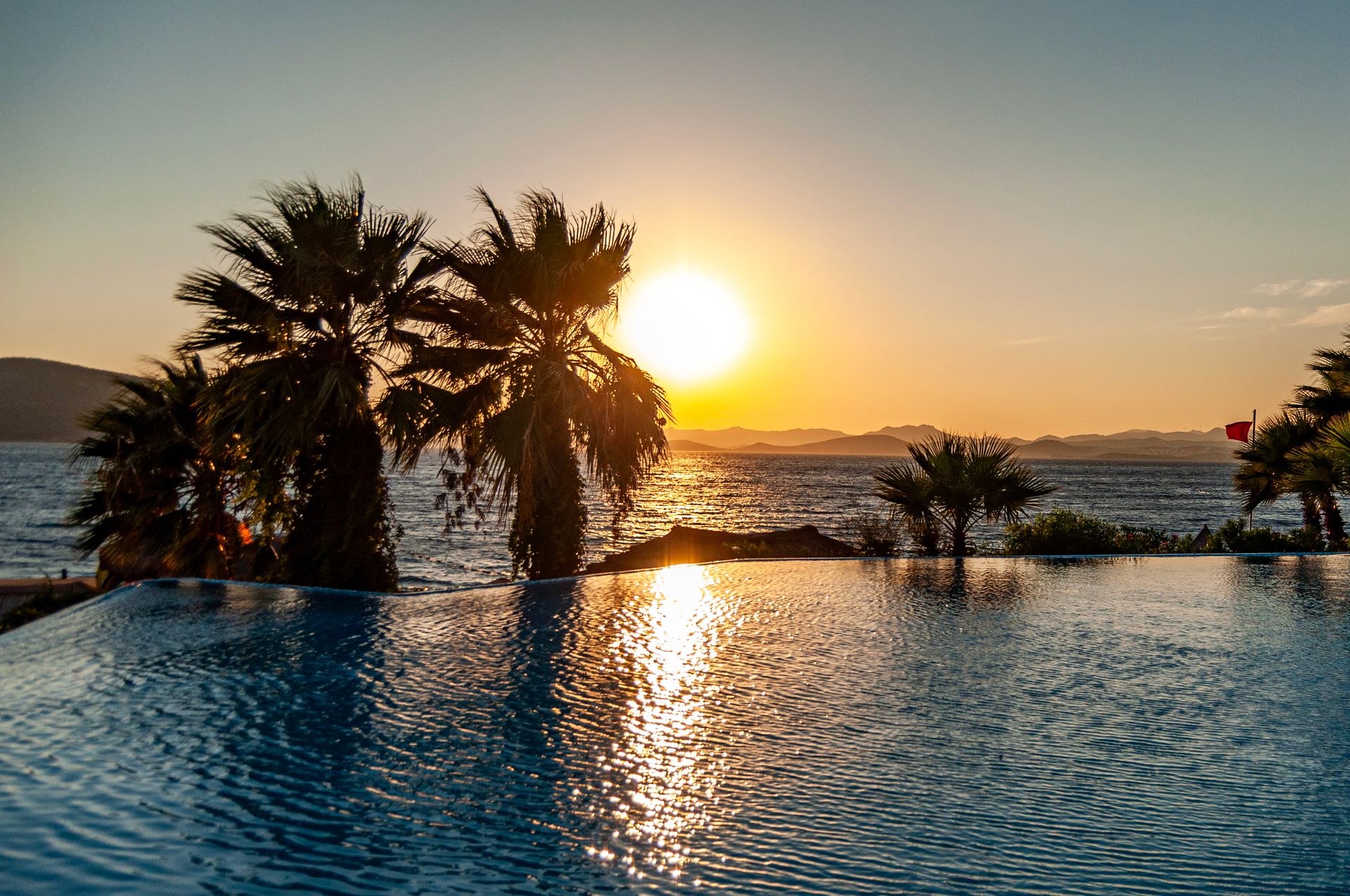
Who is it for
The Aegean coast suits those who struggle with mugginess and will trade cooler water and a chop for freshness. It's a good fit for couples, water-sports enthusiasts and anyone who wants a Turkish summer without the "crowd at the buffet" format. It's not worth going here for calm, warm water for small children: the meltemi raises a chop, the water is fresher, and boat trips can be cancelled during the day because of the wind. If a classic, lazy beach is what you're after, the Mediterranean coast is more comfortable.
What to do
- Take a windsurfing or kitesurfing lesson in the Gökova bay near Akyaka - the steady afternoon wind makes it one of the best spots for beginners in the Mediterranean basin.
- Head out to the Datça peninsula - the driest, windiest part of the coast, which coach tours barely reach; it's easier to breathe here by day than anywhere else in a Turkish August.
- Take a morning boat trip around the coves near Bodrum before noon, while the meltemi hasn't picked up and the water is calm.
- Walk to the old town of Marmaris or the Castle of St Peter in Bodrum in the evening, once the heat drops and the sea wind kicks in.
Excursions in August: what to cancel
The main mistake of a Turkish August is planning the holiday around excursions inland. Everything most interesting beyond the coast falls under peak heat this month, and what would be the highlight of the trip in spring or autumn becomes an ordeal in August.
What to bear in mind with excursions:
- Pamukkale. The white travertines are an open, scorching, shadeless expanse that reflects the sun; in August daytime that's 40°C and blinding light. If you go, go only at dawn or near closing, and it's still a long drive from the coast into the heat.
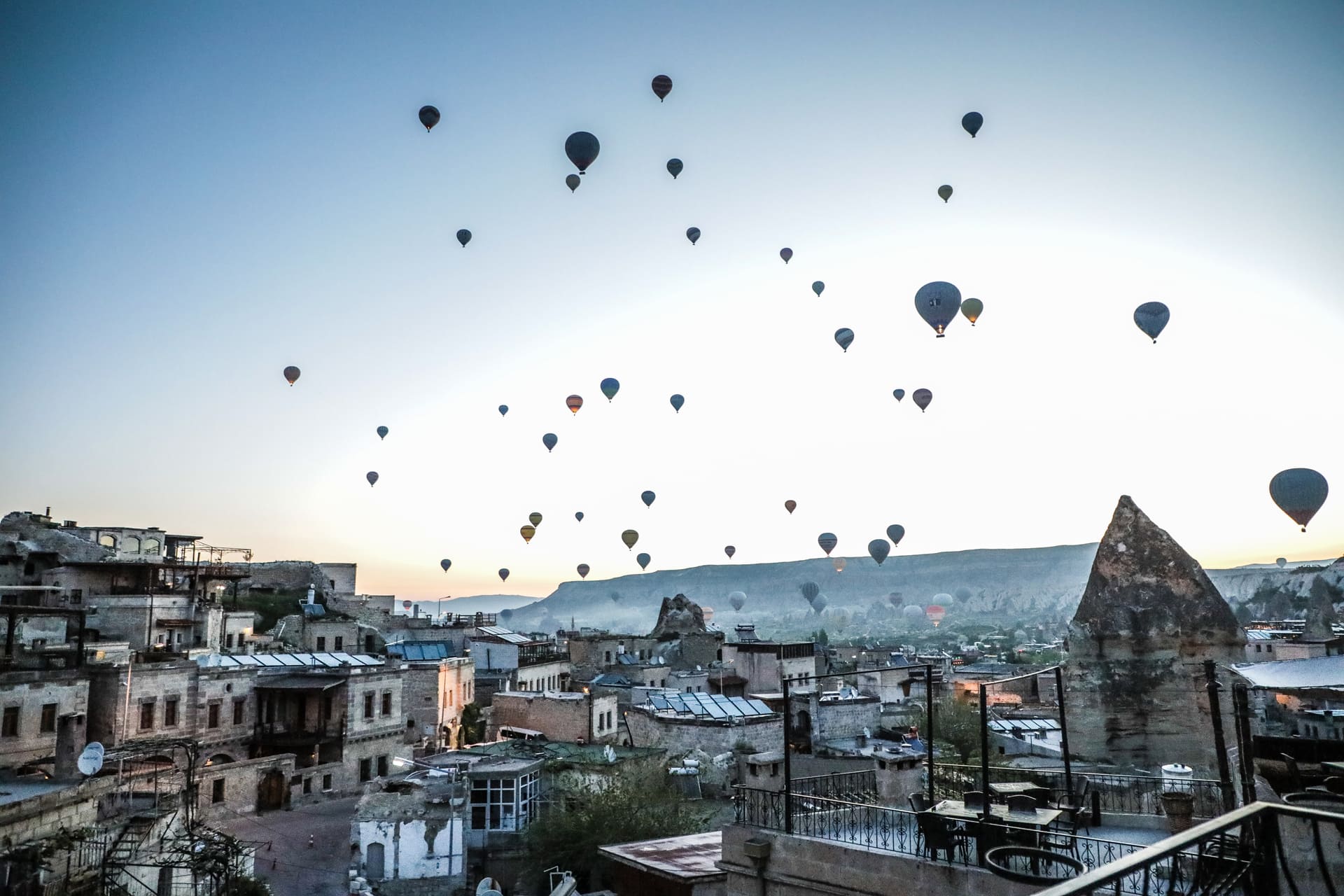
- Cappadocia. Balloon flights launch at dawn, which is the best time; but a daytime programme between sites in 33°C is hard work, and the drive from the coast takes hours. In August it only makes sense as a separate two-day trip, not a single-day outing.
- Istanbul. The city is muggy and baking in August, and the queues at the main sites are at their peak-season worst. Seeing Hagia Sophia and Topkapı Palace in 31°C and the crush is not the best version of Istanbul; it's more honest to save it for spring or autumn.
- Rafting in the Köprülü canyon. This one is an August excursion that works in your favour: the mountain river is cold, the canyon is shaded, and the heat is on your side rather than against you.
- Boat trips. On the Aegean coast, assume the daytime meltemi may cancel the outing; book morning trips and don't count on a guarantee.
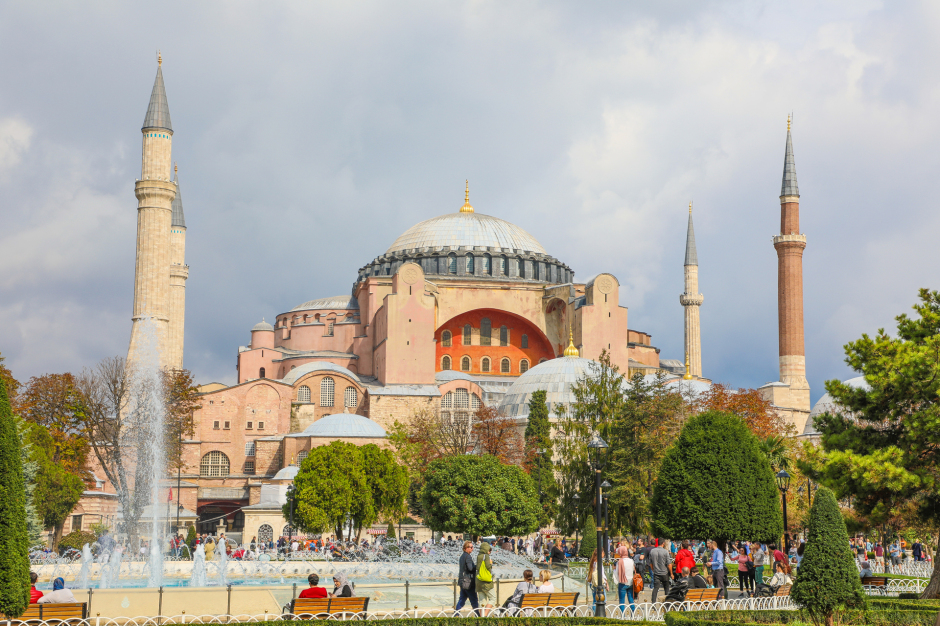 The short principle: in August, take excursions to the water and into the shade (canyons, rafting, morning boat trips) and put off anything involving scorching open expanses and cities inland.
Prices: why August costs more and how much you can save
August is the top of the price curve in Turkey: school holidays across Europe, peak demand and the best summer beach weather all coincide. A week for two with a flight from Poland costs noticeably more this month than the same package in May or the second half of September.
Flight from Warsaw: Antalya around 3hr, Bodrum and Dalaman around 3hr (direct charters, daily in summer)
7 nights / 2 people in August: roughly PLN 5,000-12,000 for a 4-5 star all-inclusive, depending on the resort and dates
Savings by shifting dates: the second half of September is 25-35% less for almost the same sea; May is 40-60% less, but the Aegean sea is still cool
Booking early: the best family hotels for August go by winter; last-minute deals are almost non-existent in peak season
The bottom line on cost: if only August works for your trip (school holidays), budget for the peak price and book early. If your dates are flexible, shifting by two or three weeks into September gives you almost the same weather for noticeably less.
How to handle the August heat: practicalities
A Turkish August is comfortable exactly to the extent that you structure the day well and pick the right hotel. A few things matter more than they seem.
What actually helps:
- Plan activity for the morning and evening, and spend midday (12pm-4pm) in the shade, the pool or air conditioning - there's nothing to do in the sun on the coast at that hour.
- Choose a hotel with enough shade by the pool and working air conditioning in the room - in August that's not a luxury, it's a condition for sleeping.
- For heat tolerance, all else being equal, choose the Aegean coast: the same holiday, but with wind.
- Drink noticeably more water than at home and don't wait to feel thirsty; dry heat dehydrates you without your noticing.
- Keep UV in mind: the August Turkish sun is harsh, and sunburn on day one can ruin the whole week.
- Only take inland excursions with an early start and air-conditioned transport - or move them to a future trip in the shoulder season.
Entry rules when flying from Poland
Turkey is outside the Schengen area, so entry rules follow the nationality on your passport, not your Polish residence status. A Polish residence card on its own does not grant the right to enter Turkey and does not substitute for a passport - your nationality is what matters. Rules change, so check current requirements shortly before departure.
- EU/EEA citizens, including Polish citizens: visa-free entry for up to 90 days within a 180-day period; many EU citizens can enter on a national ID card.
- Non-EU residents of Poland: rules depend entirely on your passport's nationality - some nationalities enter visa-free, others need a Turkish visa or e-visa; Polish residence documents and a Schengen visa do not create the right to enter Turkey.
- For everyone: the right to reside in Poland or move freely within Schengen does not automatically grant entry to Turkey - nationality decides. Check your passport's validity well in advance.
Quick comparison of the coasts
Figures are approximate. The key difference in August isn't price or star rating - it's humidity and wind. 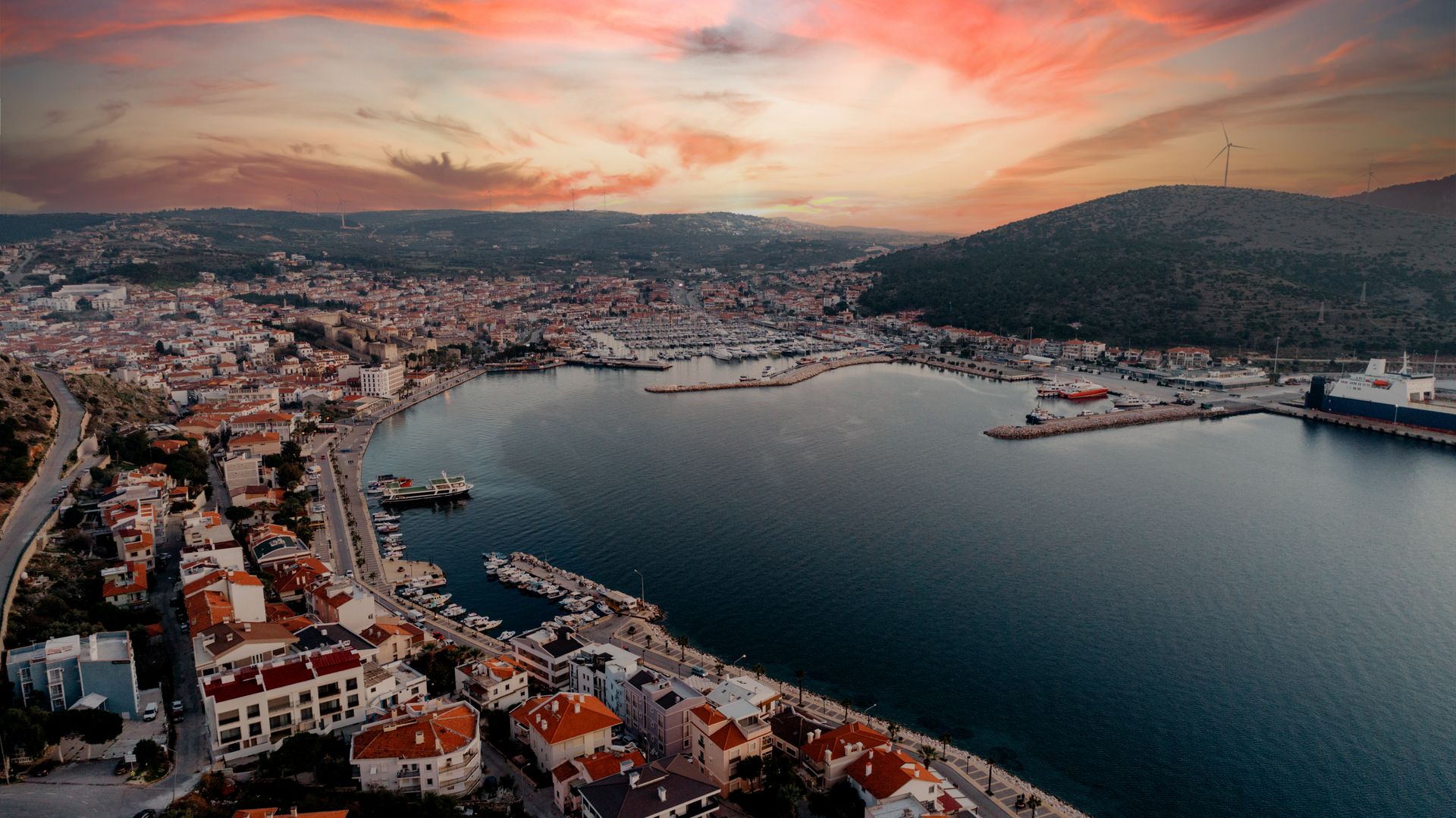
| Coast | Who it's for | Sea | Heat | Format |
|---|---|---|---|---|
| Antalya, Belek, Side | Families, all-inclusive | 28-29°C, warm | Humid, heavy | Large complexes, water parks |
| Alanya | Budget family holidays | 28-29°C | Humid | Cheaper, further from the airport |
| Bodrum, Çeşme | Couples, surfing | 25-27°C, fresher | Drier thanks to the meltemi | Boutique hotels, coves, wind |
| Marmaris, Datça | A slower pace, nature | 25-27°C | Windy, easier | Greenery, pines, fewer crowds |
| Istanbul | City, not beach | No swimming | Muggy, baking | Better visited outside August |
Checklist before booking for August:
- Decide on the coast by your main criterion: warm, calm water and children → Mediterranean; heat tolerance and freshness → Aegean.
- Check the type of sea entry at the specific hotel: sand, shingle or jetty - it's crucial for children and older travellers.
- Make sure the room has working air conditioning and there's enough shade by the pool - in August that's a condition for proper rest and sleep.
- Don't build the holiday around inland excursions: Pamukkale, Cappadocia and Istanbul are more honestly put off, or taken only with an early start.
- Book early: the best family hotels for peak August go by winter, and last-minute deals barely exist in high season.
- Check your passport and entry rules by your nationality: for Turkey the passport decides, not a Polish residence card.
Common mistakes:
- Expecting a "sea breeze" on the Mediterranean coast. The Antalya coast is almost still and humid in August; the refreshing wind is the Aegean, not the Mediterranean.
- Planning Cappadocia and Pamukkale as a day trip from the coast. A long drive into the heat for a few hours on scorching expanses - that's how you lose a day of your holiday.
- Going to the Aegean coast with toddlers for calm water. The meltemi raises a chop and cancels some boat trips; for small children the warm Mediterranean is more comfortable.
- Counting on saving money in August. It's the top of the year's price curve; the savings start in the second half of September.
- Sightseeing in Istanbul in August. Mugginess and peak queues give you the worst version of the city; better to leave it for spring or autumn.
- Underestimating the sun on day one. The August UV is harsh, and sunburn on arrival day can ruin the whole week.
The verdict
So is 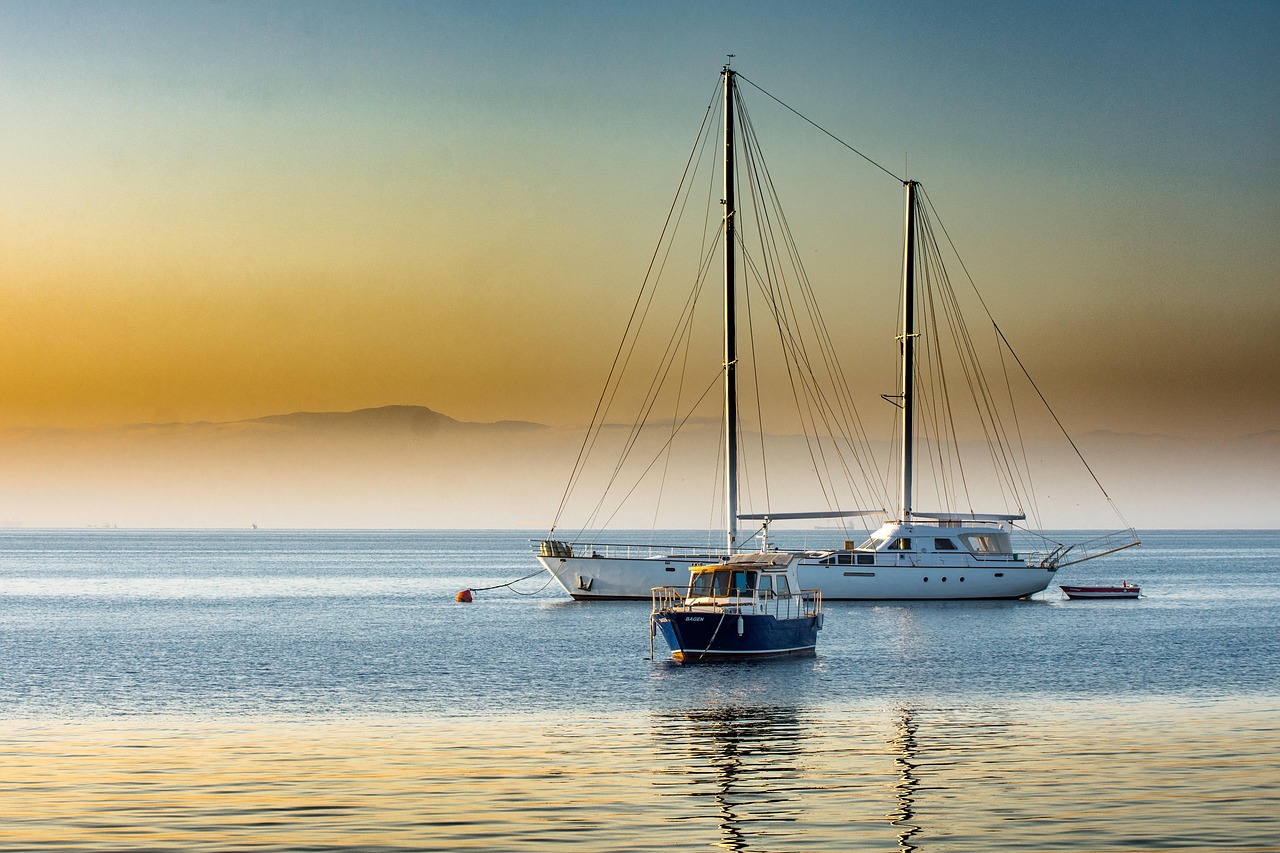 worth it in August 2026?
It is, if you're going for the beach and the "hotel, sea, pool" format rather than the country around it. On weather, it's a guaranteed dry season with no rain at all; on the sea, warm water on both coasts; on format, the best all-inclusive in the region, which is what makes the heat bearable. The main decision is made before the booking and before the star rating: the Mediterranean coast gives you warm, calm water and family complexes at the cost of humid mugginess, while the Aegean gives you freshness and the life-saving meltemi at the cost of cooler water and a chop. And anything involving inland excursions is more honestly left for another time.
One last piece of advice:
If your dates don't tie you to August specifically, shift the trip by two or three weeks: the second half of September gives you almost the same water, fewer crowds and prices a quarter to a third lower. And if August really is the only option because of the holidays - choose the Aegean coast and book early, and the question in the headline stops being a worry.




 Holidays


 Last minute


 Hotels


 Blog
Blog