Ask ten travel agents when to visit Madeira and nine will say "anytime" — technically true, and precisely why so many visitors book the wrong month for what they actually came to do.
Madeira really does hover between 17°C and 26°C almost all year, which is why it markets itself as the "island of eternal spring." But that narrow range hides real differences: the sea temperature lags the air by two months, the north coast gets nearly triple the rain of Funchal, and a hot Saharan wind can push August into the low 30s for a few days at a time. This guide breaks the year down by what you actually want from the trip — swimming, hiking the levadas, whale watching, or a mild winter escape — rather than by a single "best month."
- Want warm sea for swimming → Best months for swimming
- Planning a levada hiking trip → Best months for hiking
- Hoping to see whales and dolphins → Best months for whale watching
- Escaping a Polish winter → Winter sun and New Year in Madeira
- Worried about rain ruining the trip → Months with the most rain and swell
- Booking flights from Poland → Flights from Poland to Madeira
- Checking entry rules → Entry requirements by status
Madeira's climate: a narrow range, not a flat one
Madeira sits in the Atlantic roughly at the latitude of Casablanca, about 1,000 km southwest of mainland Portugal. Its subtropical oceanic climate keeps daytime temperatures between 18°C in February and 25–26°C in August at sea level. The detail most guides skip: the south coast around Funchal is drier and sunnier than the north, where trade winds push moisture against the mountains and rainfall can be two to three times higher on the same day. Between June and October, a hot, dry wind called the Leste occasionally blows in from the Sahara, briefly raising temperatures well above the seasonal average and carrying fine red dust — locals will warn you about it, and it is worth checking the forecast if your trip lands in that window.
| Month | Air (day) | Sea temp. | Rain days | Best for |
|---|---|---|---|---|
| January | +19°C | +18°C | +7 | Mild winter sun, hiking |
| February | +18°C | +18°C | +6 | Carnival, hiking |
| March | +19°C | +18°C | +6 | Hiking, fewer crowds |
| April | +20°C | +19°C | +5 | Flower Festival, whale migration starts |
| May | +21°C | +20°C | +3 | Hiking, whale watching |
| June | +23°C | +21°C | +2 | Warming sea, some morning cloud (capacete) |
| July | +24–25°C | +22°C | +1 | Reliable sun, driest month |
| August | +25–26°C | +23°C | +1 | Swimming, possible Leste heat spikes |
| September | +25°C | +23–24°C | +2 | Warmest sea, fewer crowds than August |
| October | +23°C | +23°C | +5 | Still swimmable, rain increasing |
| November | +21°C | +21–22°C | +9 | Rainiest month, choppier seas |
| December | +19–20°C | +19–20°C | +7 | Christmas lights, New Year fireworks |
These are long-term averages for Funchal at sea level — treat them as a planning guide, not a forecast, and expect the north coast and higher villages such as Santana or the central peaks to run several degrees cooler and considerably wetter.
Best months for swimming: September beats August
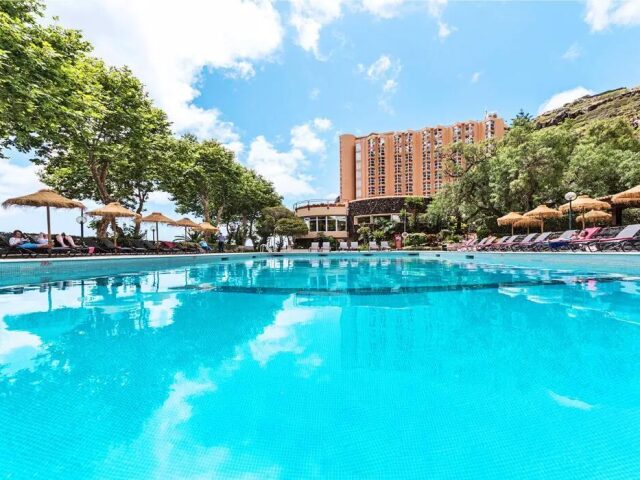
The sea is the slowest thing to change in Madeira. It keeps absorbing summer heat well after the air starts cooling, so the warmest water of the year — around 23–24°C — actually arrives in September, not August. From late July through October, sea temperatures stay comfortable enough for a proper swim rather than a quick dip, and Funchal's natural and man-made lido pools give you calm alternatives when the open Atlantic has swell.
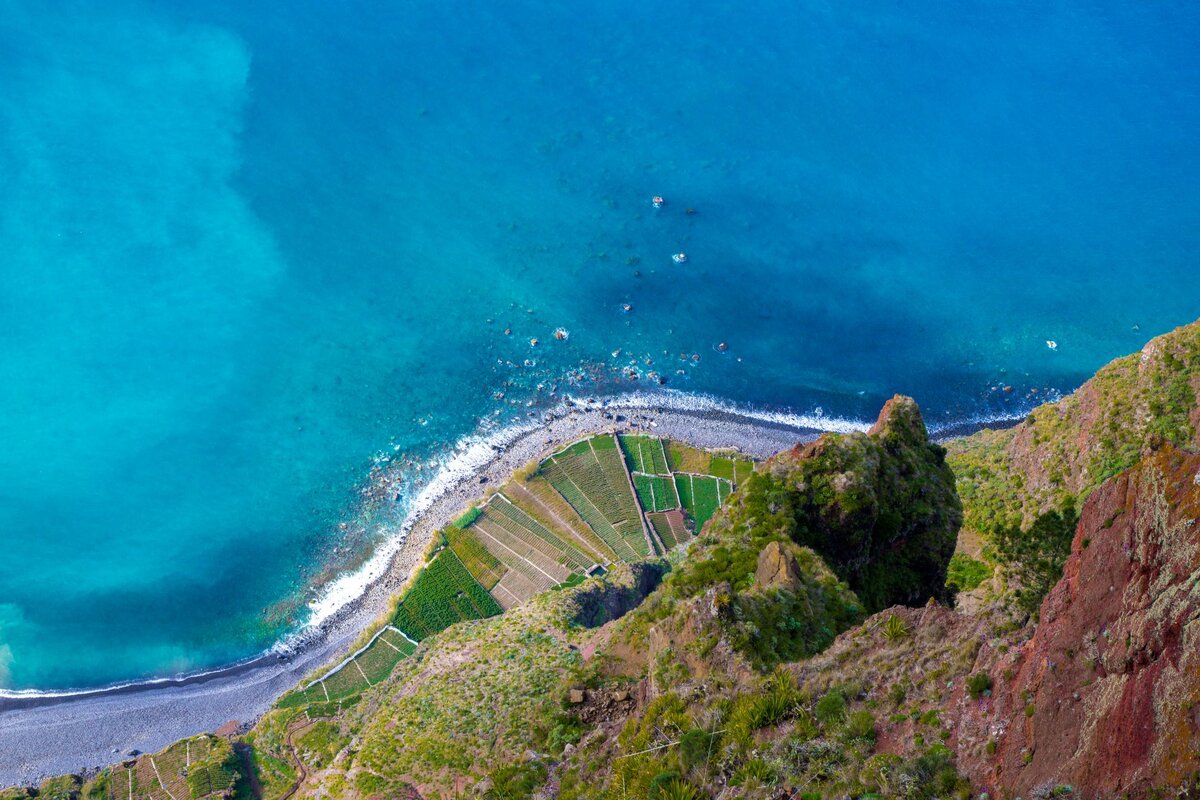
Warmest sea: August–October, peaking around 23–24°C in September.
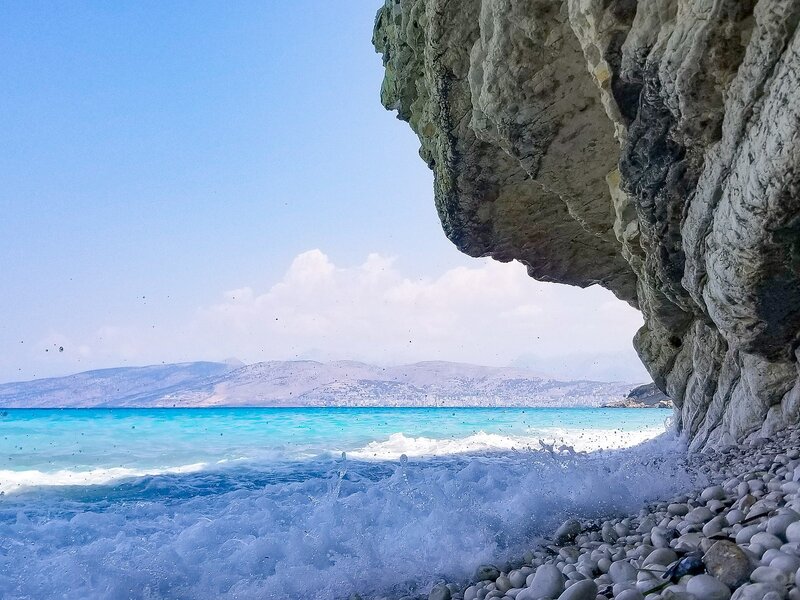
Coolest sea: February–April, around 18°C — wetsuit territory for most swimmers, which is exactly what draws surfers to spots like Porto Moniz's lava pools.
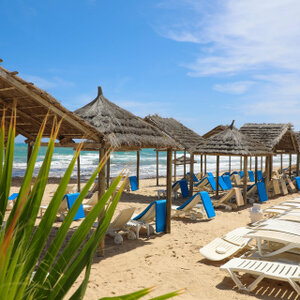
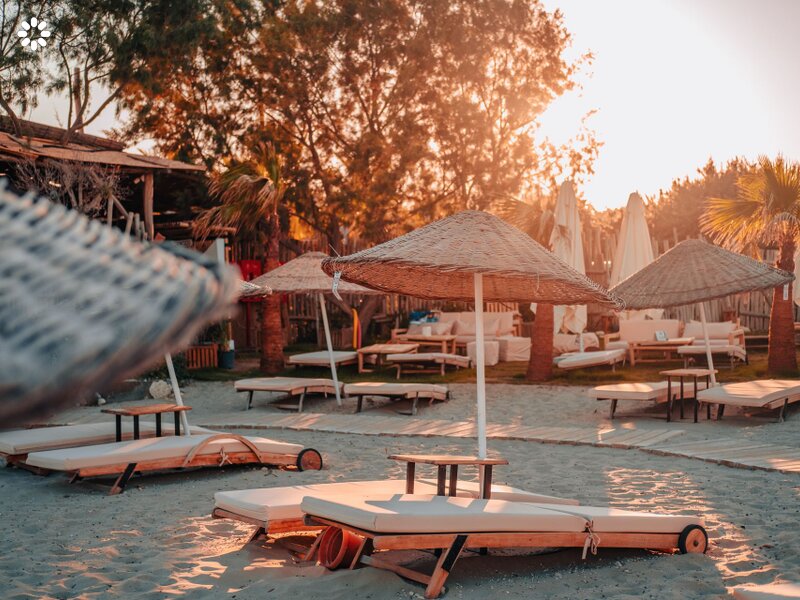
Beach reality: Madeira has few sand beaches; most coastal swimming happens in natural or built ocean pools, so this is not a classic beach-holiday island.
Who it's for
Swimmers and families who want warm water without the 30°C+ air of the Mediterranean in August. Not worth it if you're picturing long sandy beaches — Madeira's coastline is mostly volcanic rock and cliffs, and travellers expecting a Canary Islands-style beach week are often disappointed.
Best months for hiking the levadas
Madeira's levada network — the irrigation channels turned walking trails that run for hundreds of kilometres across the island — is the main reason many visitors come at all, and it rewards cooler months more than warm ones. Spring (April–May) and autumn (October–November, rain aside) keep daytime temperatures around 20–23°C at altitude, which is far more comfortable for multi-hour walks than the mid-20s of high summer. Layers matter here regardless of month: conditions change fast with altitude, and the interior can be 8–12°C colder than Funchal on the coast.
Madeira's levada network
Best window: April–June or late September–October, avoiding both peak heat and the heaviest November rain.
Winter hiking: possible and often pleasant on the south coast, with daytime temperatures around 17–19°C, but higher trails can close after storms.
What to pack: waterproof jacket, proper hiking shoes, and a headtorch for tunnel sections on classic routes like the Levada do Caldeirão Verde.
Who it's for
Active travellers who want dramatic scenery without extreme heat. Not worth it if you're inflexible about your itinerary — trail closures after heavy rain are common enough that a rigid single-day plan for a specific levada is a risk, especially between November and March.
Best months for whale and dolphin watching
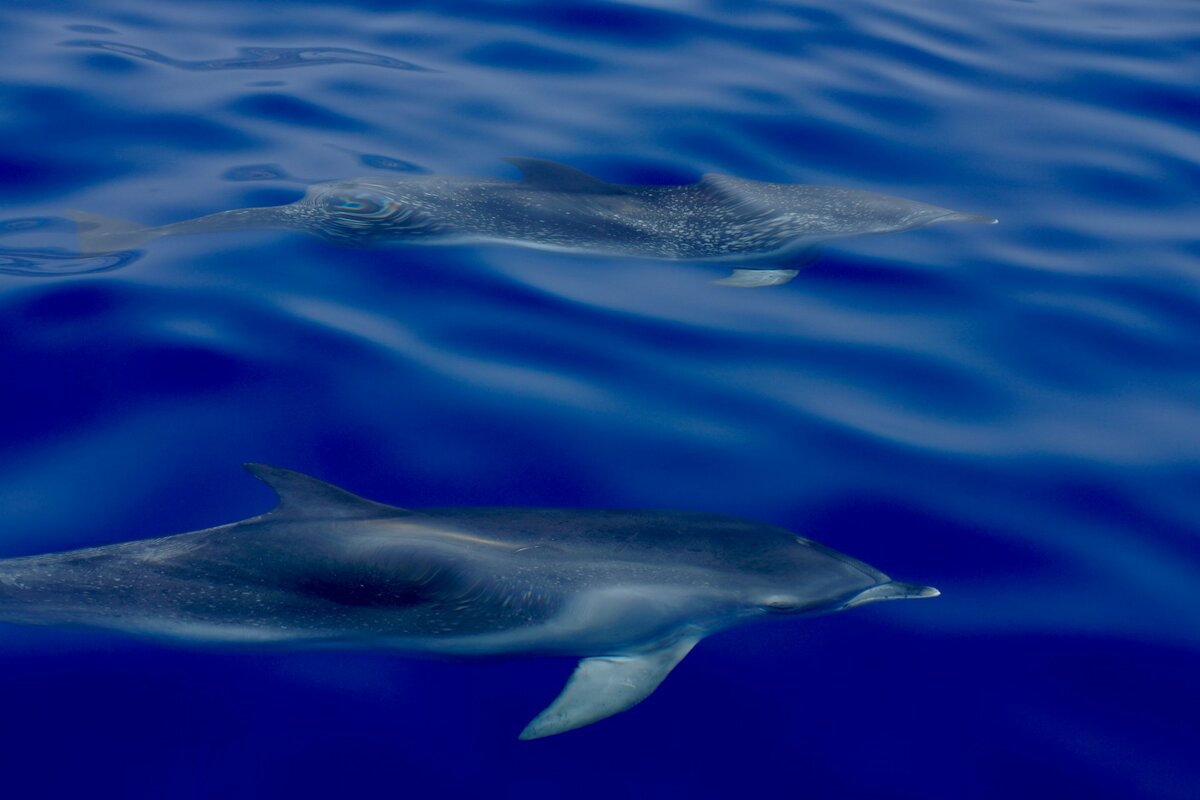
Madeira has resident populations of short-finned pilot whales and bottlenose dolphins that boats spot year-round, so there's no month with zero chance. The difference is variety: migratory species pass through between roughly April and October, with spring (April–June) generally cited as the best window for spotting the widest range, including larger migratory whales, before conditions shift toward the calmer, high-visibility stretch of summer. Winter trips (December–March) still run, but rougher Atlantic swell makes sightings and even departures less predictable.
Who it's for
Wildlife travellers planning around a specific sighting goal. Not worth it if you're set on guaranteeing a particular species — operators are honest that even in peak months, sightings depend on the day, and this should be planned as one activity among several rather than the sole reason for the trip.
Winter sun and New Year's Eve fireworks
December through February is Madeira's mildest genuine "winter" — daytime temperatures rarely drop below 17°C in Funchal, which is why the island markets hard to northern European winter-sun travellers. The standout event is New Year's Eve: Funchal's harbour fireworks display, launched from dozens of points around the bay, has repeatedly been recognised as one of the largest in the world, and hotels in and around the city sell out weeks in advance for the last days of December.
Christmas–New Year: book flights and central Funchal hotels at least 2–3 months ahead; prices rise noticeably for the last week of December.
Carnival (February): a smaller but real second price spike, tied to the parade dates that shift each year.
Rest of winter: January and most of February are comparatively quiet and cheaper, with the mild climate intact.
Who it's for
Travellers escaping a Polish winter who want mild air without a long-haul flight. Not worth it if your main goal is warm-sea swimming — winter sea temperatures around 18°C are noticeably colder than the September peak, even though the air feels pleasant.
Months with the most rain and swell
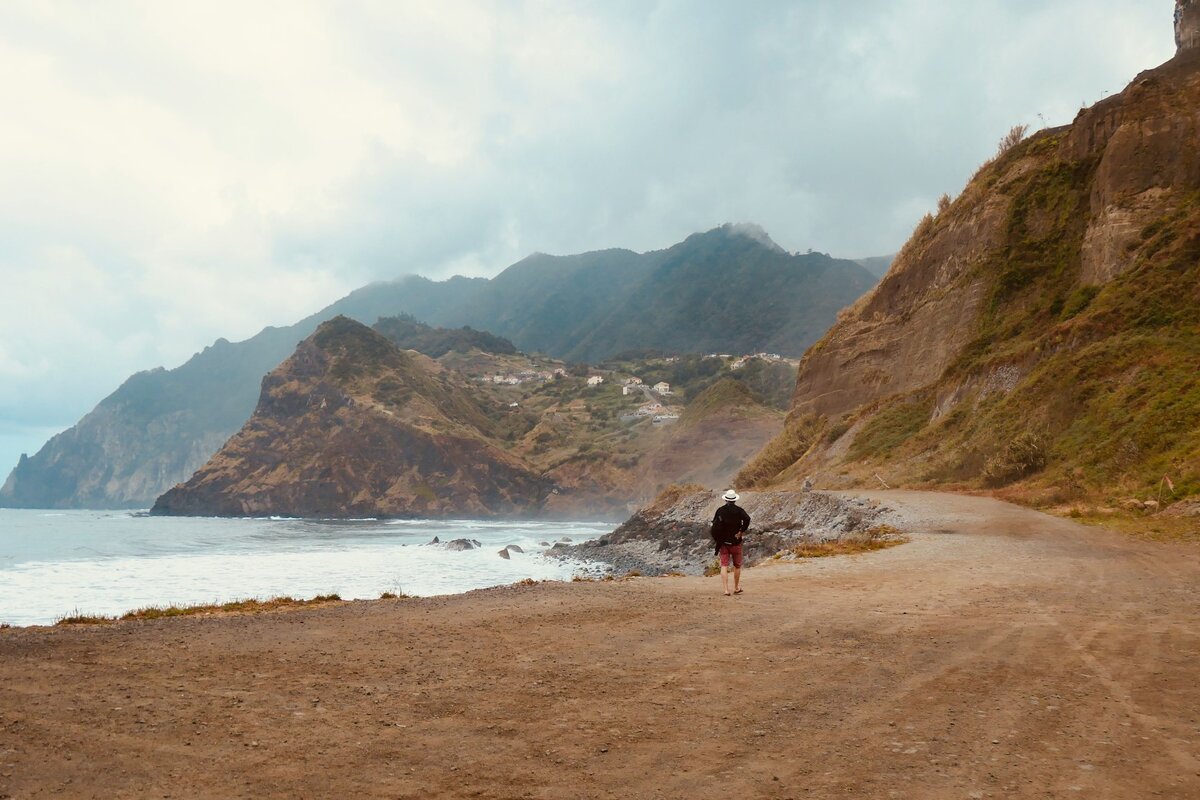
November is Madeira's wettest month by a clear margin, averaging around nine rain days, with October and December not far behind. The north coast bears the brunt of it — trade winds push moisture against the mountains, so a rainy morning in Santana or São Vicente can coincide with sunshine in Funchal on the same day. Rougher Atlantic swell in the same October–March window also affects ferry crossings to smaller islands and can shorten or cancel whale-watching and boat trips.
Who it's for
Not worth it if you're planning a north-coast-focused itinerary with a fixed schedule between late October and December — build in a spare day or keep the plan concentrated on the drier south coast.
Flights from Poland to Madeira
Wizz Air operates the only direct route between Poland and Madeira, connecting Warsaw Chopin to Funchal Airport (FNC) in around five and a half hours. Frequency varies by season — typically a handful of flights per week rather than daily — and picks up around the summer schedule and the New Year peak, so it's worth checking the actual timetable for your travel month rather than assuming daily departures. Seasonal charter or connecting options via Lisbon are also common through Polish tour operators, useful if the direct route doesn't line up with your dates.
Direct flight time: approximately 5h20–5h30 Warsaw–Funchal, non-stop, Wizz Air only.
Frequency: seasonal, from around two to several flights a week depending on the month — confirm before building a tight itinerary.
Alternative: connecting via Lisbon on TAP or a package tour if the direct schedule doesn't fit your dates.
Entry requirements by residence status
Madeira is Portuguese territory and part of the Schengen area, so entry rules follow standard Schengen practice rather than any island-specific exception.
EU/EEA citizens: travel on a valid ID card or passport, no visa needed, no 90/180 limit.
Non-EU residents of Poland (karta pobytu): the residence card itself does not replace your passport and does not grant automatic entry — check whether your nationality needs a Schengen visa, and track your Schengen 90/180-day allowance separately from your Polish residence permit.
Ukrainian and Belarusian nationals: requirements depend on passport type and current visa status, not on where you live in Poland — confirm your specific situation with the Portuguese consulate or your travel operator before booking, since these rules can change.
Also note the EU's Entry/Exit System (EES) biometric registration is being phased in at Schengen borders, with the ETIAS travel authorisation expected to follow later — both mainly affect non-EU travellers and are worth a quick check closer to your travel date.
Final verdict: pick the month for your goal, not the postcard
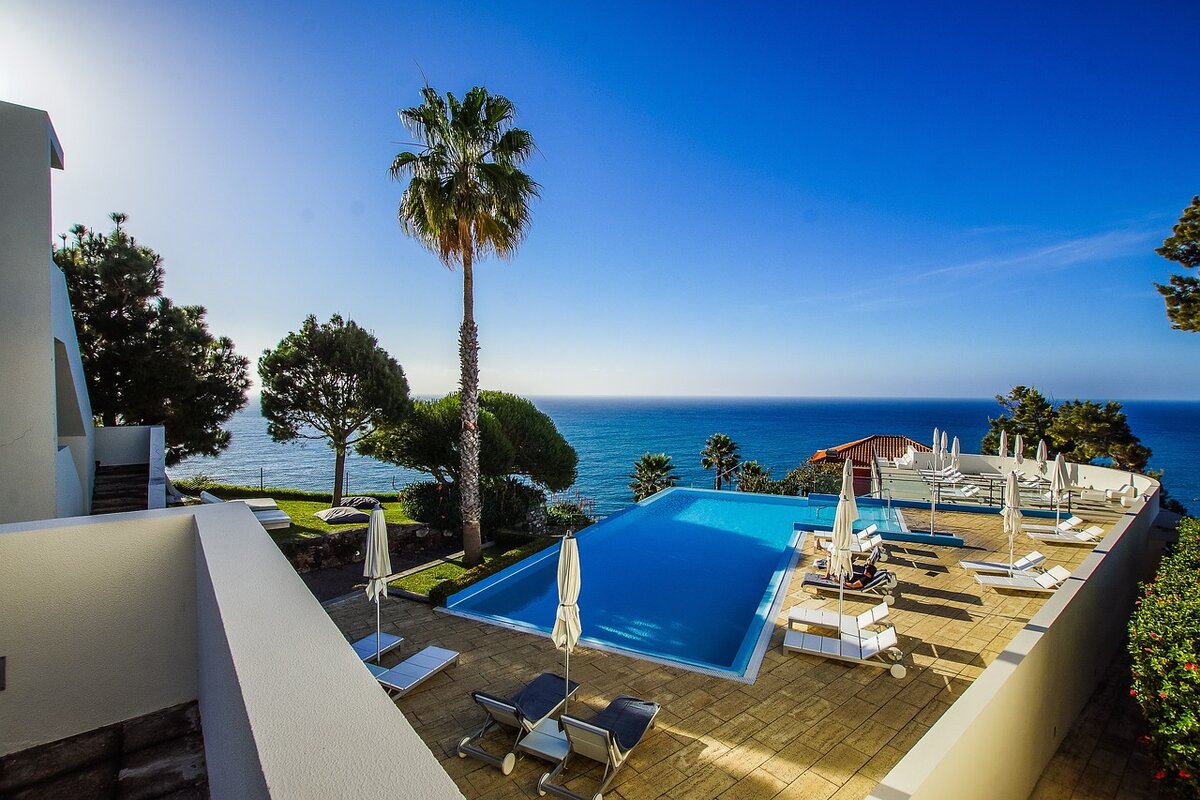
If warm swimming is the priority, aim for late August through September rather than the hotter but cooler-sea days of July. Hikers get the best conditions in spring or October, before or after the wettest weeks. Wildlife watchers should lean toward April–June for variety, accepting that resident dolphins and pilot whales are a year-round backup. And anyone chasing a mild winter break should book Funchal well ahead of New Year's Eve, when the fireworks draw the biggest crowds and the highest prices of the year. Whatever the month, pack a layer for altitude and a waterproof for the north coast — "eternal spring" is a fair description of the temperature, not a promise about the weather.

 Holidays


 Last minute


 Hotels


 Blog
Blog