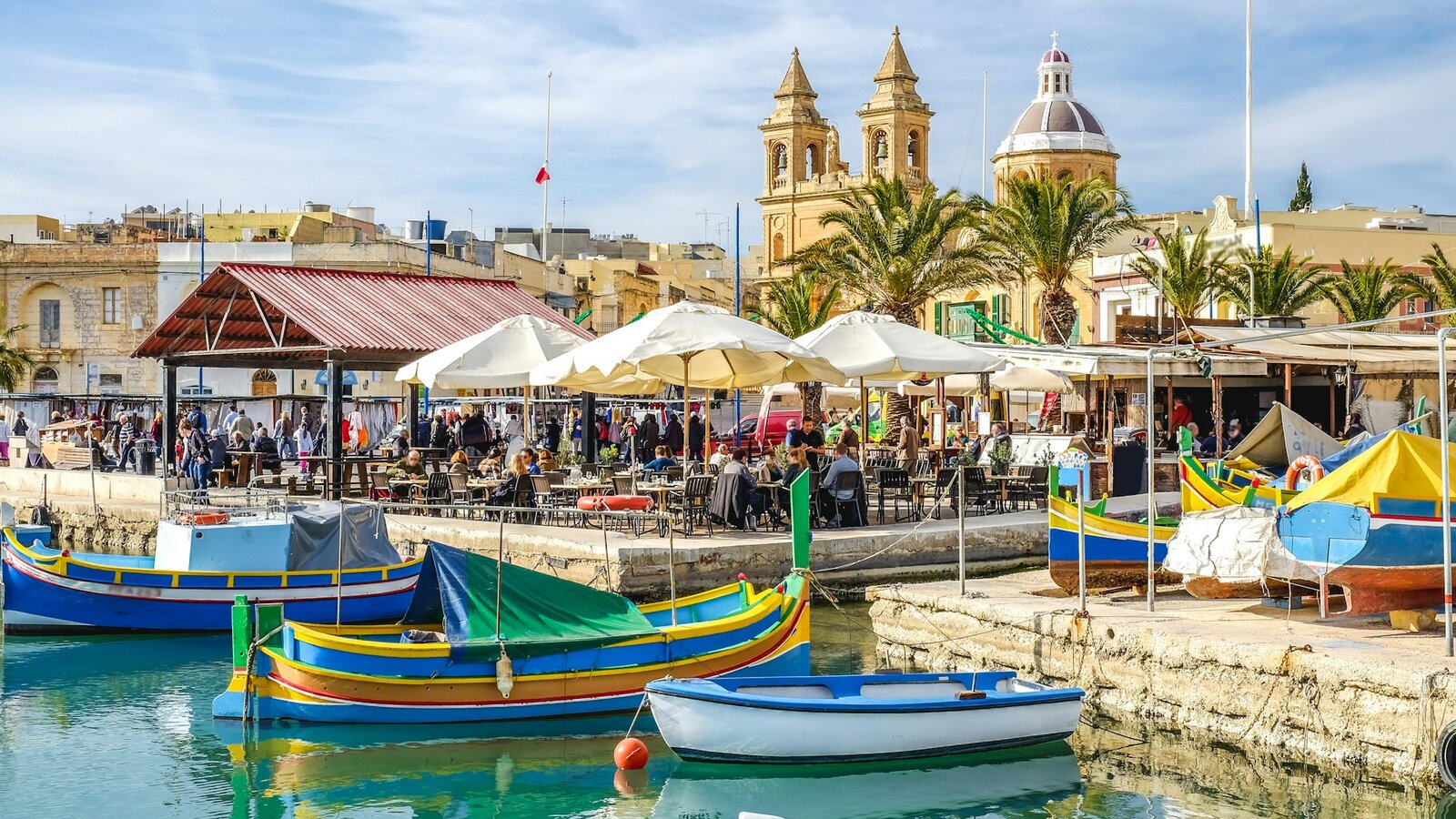
Malta in September gets pitched as "August without the crowds or the price tag" — which undersells how much actually changes between the first week and the last: the sea cools by roughly a degree and a half, the daytime high drops by around three degrees, and the island's biggest home-grown celebration of the year lands right in the middle of it.
Treating September as one uniform month is the most common planning mistake for Malta. Early September still behaves like peak summer; late September is noticeably calmer and cooler, with the first hints of autumn rain. This guide breaks the month down by week, covers the 8 September Victory Day celebrations that many visitors stumble into without knowing what they're watching, and weighs up flights, crowds and entry rules so you can decide whether September beats booking earlier or later.
- Want the exact weather shift within the month → September week by week
- Curious about Victory Day on 8 September → Victory Day and the Grand Harbour Regatta
- Deciding if the sea is still swimmable → Swimming and beaches in September
- Wondering how busy and expensive it'll be → Crowds and prices
- Checking flights from Poland → Flights from Poland to Malta
- Confirming entry rules → Entry requirements by status
Malta in September, week by week
September is Malta's clearest transition month. The first ten days are essentially a continuation of August — hot, dry, and with the warmest sea of the whole month. By the last third, daytime highs have dropped a few degrees, nights are noticeably cooler, and the odd shower starts to break the summer-long dry spell. None of this makes late September unpleasant; it just means "Malta in September" describes two fairly different trips depending on which weekend you land on.
| Period | Air (day) | Air (night) | Sea temp. | Notes |
|---|---|---|---|---|
| 1–10 September | +27–28°C | +23–24°C | +26.5–27°C | Warmest sea of the month, essentially peak summer |
| 11–20 September | +26°C | +22–23°C | +25.5–26°C | Still hot, first small dip in humidity |
| 21–30 September | +24–25°C | +21–22°C | +25°C | Noticeably cooler nights, occasional rain returns |
Rainfall across the whole month averages only around 4–7 days, so September is still overwhelmingly dry — but that handful of rain days clusters toward the back half rather than spreading evenly, which matters if your trip is short.
Victory Day: the celebration most September visitors stumble into
If your trip includes 8 September, you'll land in the middle of Malta's national Victory Day — commemorating the end of the 1565 Great Siege, the 1800 French withdrawal, and the end of the WWII Siege of Malta, all marked on the same date. The centrepiece is the Grand Harbour Regatta: traditional rowing crews from the harbour towns race in front of large crowds along the Valletta and Three Cities bastions, followed by village feasts with fireworks and band marches in towns including Senglea, Naxxar, Mellieħa and Xagħra in Gozo. It's a genuinely local event rather than a staged tourist show, and it's free to watch from the Upper Barrakka Gardens or the Three Cities waterfront.
Who it's for
Travellers who enjoy stumbling onto real local culture rather than a curated show — arrive early for a harbour-view spot. Not worth it if you're relying on public buses that day: services run a reduced, Sunday-style schedule, and the harbour towns get genuinely busy, so a rigid itinerary around Valletta on 8 September needs a buffer.
Swimming and beaches in September
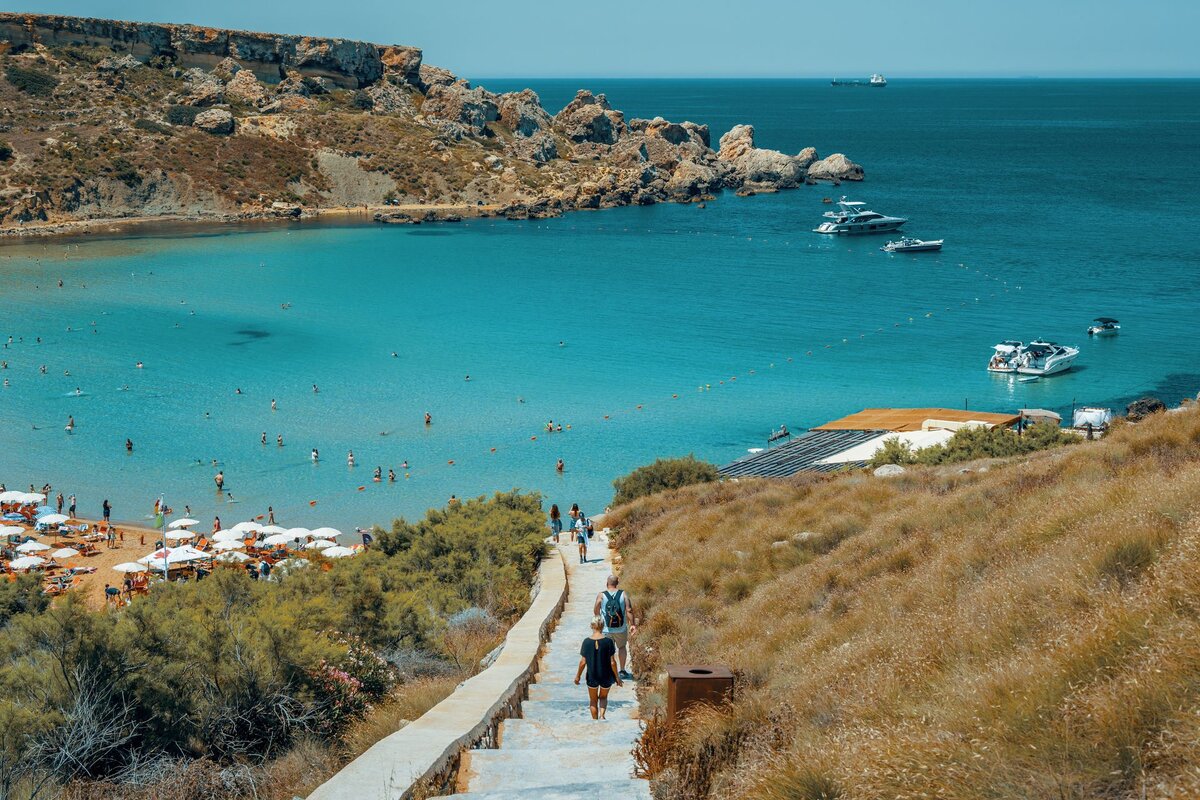
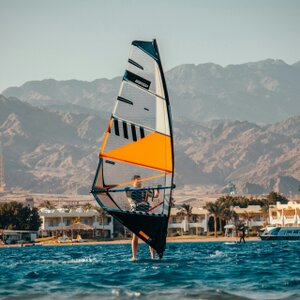
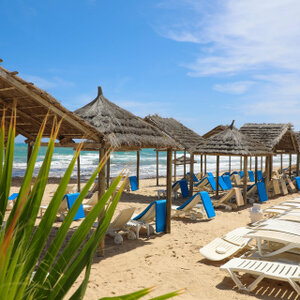
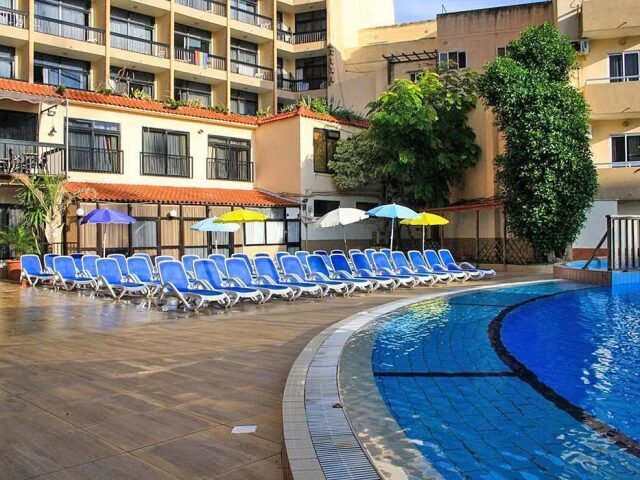
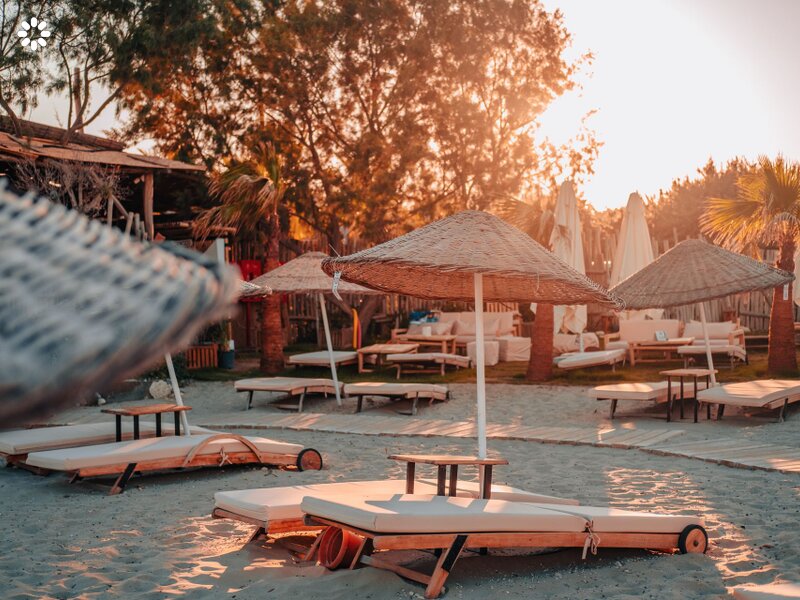
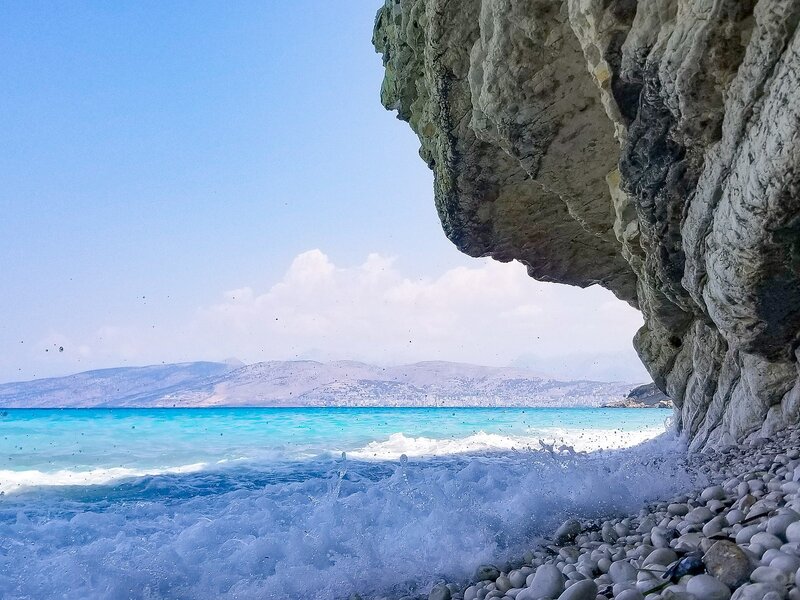
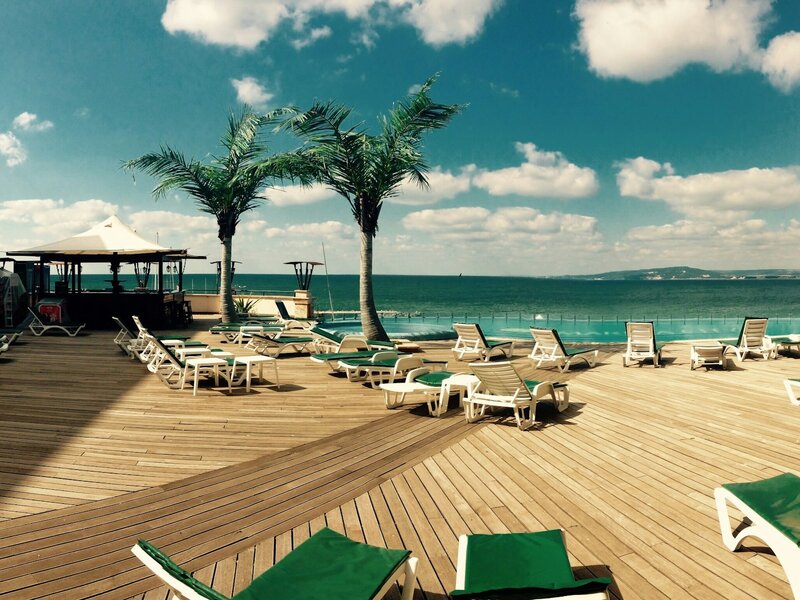
The sea stays swimmable through the entire month — even the coolest days of late September hold around 25°C, which is warmer than most Mediterranean destinations manage even in July. Early September is arguably the best swimming window of the year: sea temperatures peak while air temperatures have already started easing off the August extremes, so you get warm water without the most punishing midday heat. Malta's beaches are a mix of sandy bays (Mellieħa, Golden Bay, Għajn Tuffieħa) and rocky swimming spots with ladders into the sea, which suit snorkelling better than lounging.
Who it's for
Swimmers who want reliably warm water without August's peak heat. Not worth it if you specifically want long stretches of sand — Malta has fewer big sandy beaches than Gozo's quieter coves or nearby Sicily, and the well-known sandy bays get crowded on September weekends.
Crowds and prices: quieter than August, not empty
September is genuinely calmer than August — Maltese and Italian school holidays have ended, so the sharpest edge comes off the crowds at major sights like Valletta's Upper Barrakka Gardens and the Blue Lagoon boat trips to Comino. It is not a quiet month by any absolute measure, though: hotel occupancy and flight demand stay close to summer levels through the first half of the month, and prices only start easing meaningfully in the final week. Gozo, a short ferry ride away, thins out faster than mainland Malta and is worth considering if the point of the trip is to escape crowds rather than chase nightlife.
Who it's for
Travellers who want summer conditions with slightly thinner crowds than peak August. Not worth it if your main goal is a genuinely quiet, low-season trip — for that, October or November deliver a bigger drop in both crowds and prices, at the cost of a few degrees of warmth.
Flights from Poland to Malta
Unlike many Mediterranean islands with a handful of weekly charters, Malta is a well-served, near-daily route from Warsaw. Wizz Air, Ryanair and LOT all operate the Warsaw–Malta route, with combined frequency running to roughly a dozen or more flights a week and a flight time of around 3 hours. That density makes it realistic to book last-minute or adjust dates around the Victory Day weekend without hunting for a single seasonal charter slot.
Flight time: around 3 hours direct, Warsaw–Malta.
Carriers: Wizz Air, Ryanair and LOT all fly the route non-stop, with combined frequency close to daily.
Price pattern: fares are generally cheaper than the August peak but still above the low-season floor reached in November — book a few weeks ahead for the best choice of times.
Entry requirements by status
Malta is an EU member state and part of the Schengen area, so entry follows standard Schengen rules rather than any island-specific exception.
EU/EEA citizens: travel on a valid ID card or passport, no visa needed, no 90/180-day limit.
Non-EU residents of Poland (karta pobytu): the residence card does not replace your passport and does not grant automatic entry — check whether your nationality needs a Schengen visa, and track your Schengen 90/180-day allowance separately from your Polish residence status.
Passport validity: confirm your passport meets the Schengen minimum validity requirement before travel, since this is checked independently of your Polish residence permit.
The EU's Entry/Exit System (EES) biometric registration is being phased in at Schengen borders, with the ETIAS travel authorisation expected to follow later — both mainly affect non-EU travellers and are worth checking again closer to your travel date.
Final verdict: yes, but pick your week deliberately
Malta is worth visiting in September, and for swimming specifically it may be the best month of the year — warm sea, easing heat, and noticeably fewer school groups than August. The trade-off is that "September" isn't one experience: book the first ten days if you want peak-summer conditions and don't mind August-level crowds and prices, or the back half if you'd rather trade a few degrees for a calmer, cheaper trip. If your dates land on or near 8 September, build in slower travel around Valletta and the Three Cities and treat Victory Day as a highlight rather than an obstacle. For a genuinely quiet trip, October delivers a bigger drop in both temperature and crowds — September is the month for wanting summer to last just a little longer.


 Holidays


 Last minute


 Hotels


 Blog
Blog