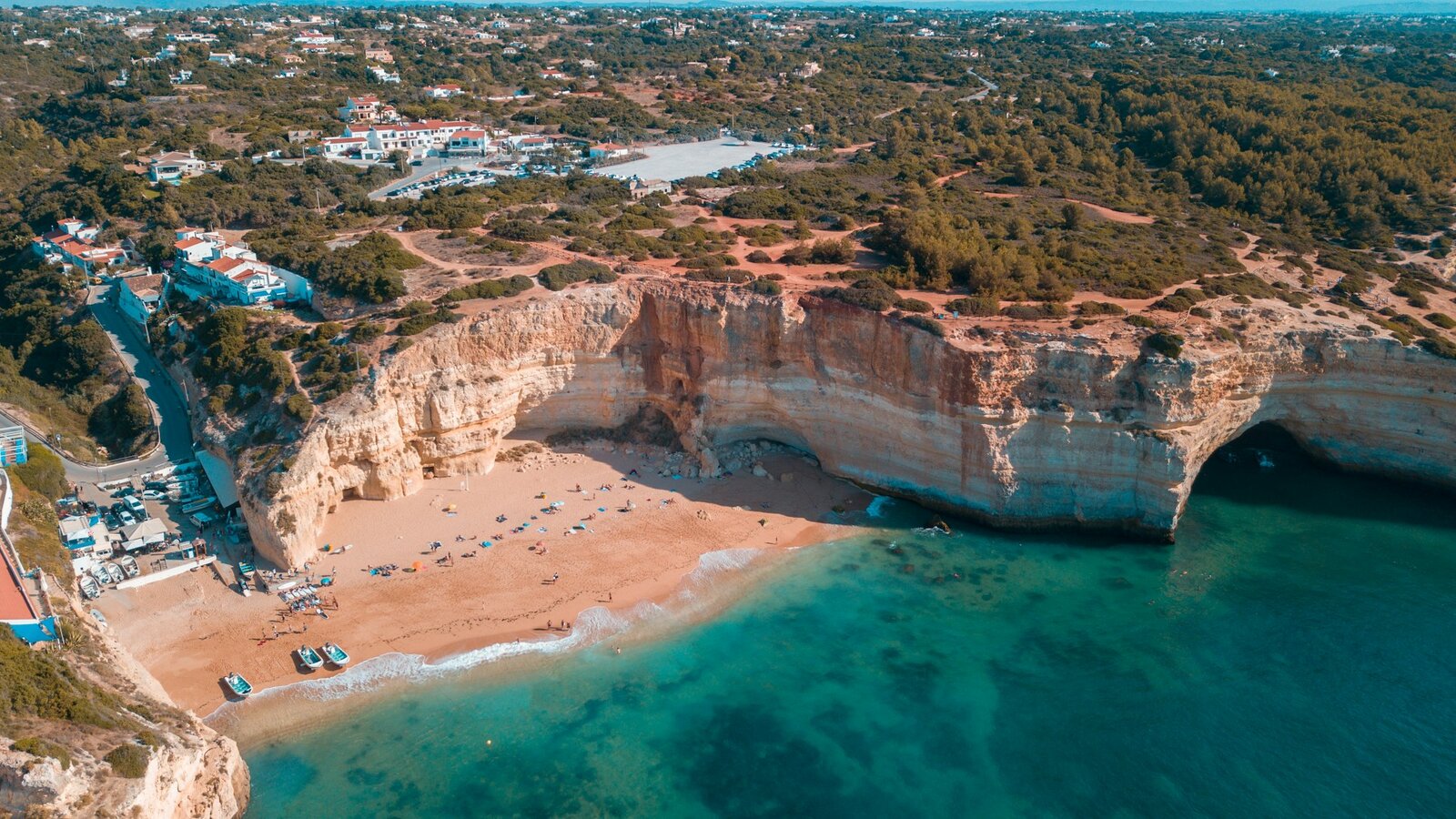
Portugal is one of the few European destinations where you can comfortably walk around a city in the afternoon in July without retreating from the heat. While Turkey and Cyprus bake at +35–38°C, the Atlantic breeze keeps the Portuguese coast at a pleasant +25–28°C. The trade-off is cooler water than the Mediterranean: +18–20°C in the centre of the country and up to +23–24°C at the far eastern end of the Algarve. Understanding that difference, choosing the right region, and setting realistic expectations — that's exactly what this article is for.
- I want to swim in warm water → Where water is warmest, Tavira and Eastern Algarve, Madeira
- Weather and culture matter more → July weather, One-week itineraries
- Travelling with children → For families, Eastern Algarve
- Compare with other destinations → Portugal vs the competition
Why the Atlantic Is Cooler — and Why It's Not a Disaster
Almost everyone heading to Portugal for the first time asks the same question in summer: why is the sea +19°C in July when the air is +28°C and the sun shines for 10 hours a day? The answer lies in geography. The entire western coast of Portugal is swept by the Canary Current: cold water flows south from the north along the Iberian Peninsula and prevents the Atlantic from warming to Mediterranean levels. An additional factor is upwelling: prevailing northerly winds push the warm surface layer of water away from shore, and cold deep water rises to replace it. That's why Lisbon's sea temperature in July is +19°C while the beaches of Almería in Spain — just 500 km away — already register +24°C.
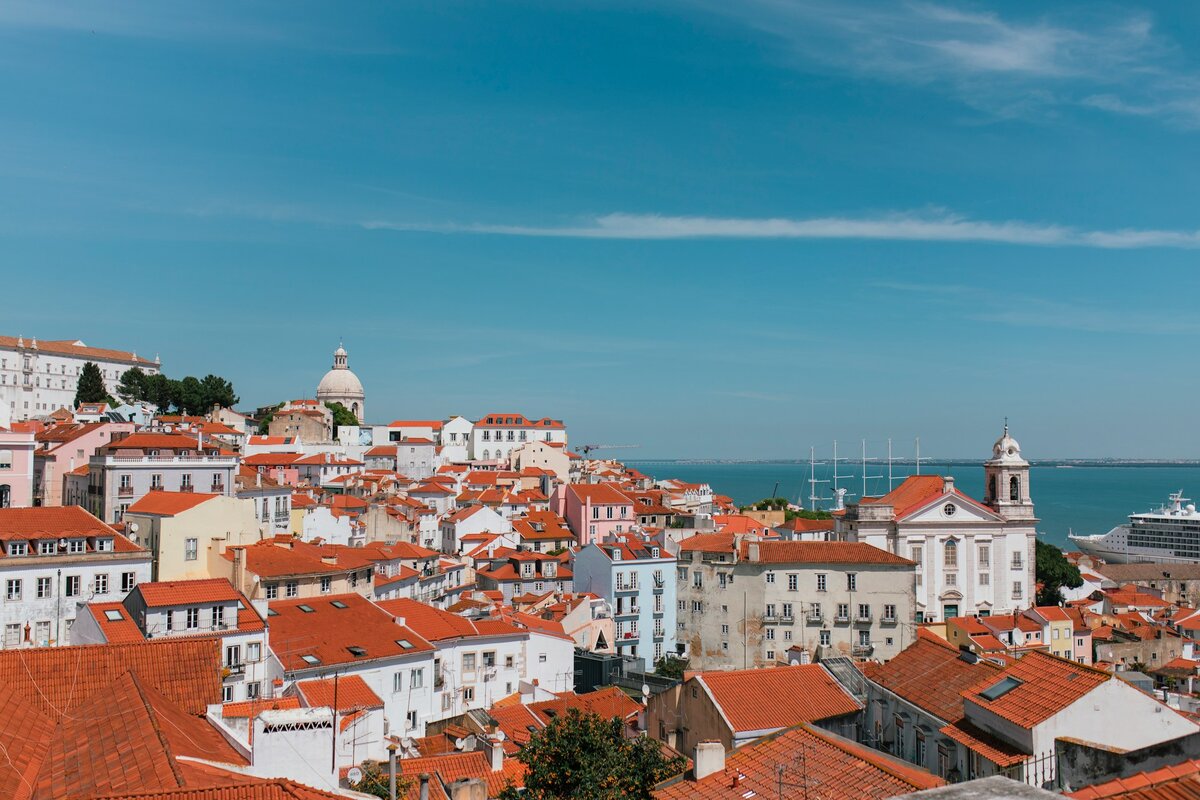
But this phenomenon has a flip side that the Portuguese value just as much as the beach. The cold current cools the air above the coast: while the rest of Europe swelters in July heat, a fresh ocean breeze blows along Portugal's Atlantic shore. While Albufeira hits +35°C and its beaches are packed at the height of the summer season, Lisbon and Porto enjoy a comfortable +25°C. This makes Portugal in July one of the rare European destinations where you can genuinely explore a city and not need to shelter from the heat after 11am.
The key takeaway: if you're going to Portugal primarily to swim in warm water, choose Eastern Algarve (Tavira, Monte Gordo) or Madeira. If comfortable weather, beautiful scenery and culture at a moderate sea temperature is what matters, the whole country works.
Water Temperatures by Region in July
Portugal is an elongated country and the difference in sea temperature between the north and the far south-east reaches 5–6 degrees. Below is a detailed breakdown by coastal stretch.
| Region | Water (July) | Air temperature (day) | Sunshine (hrs/day) | Character |
|---|---|---|---|---|
| Porto / Viana do Castelo (north) | +17–18°C | +22–24°C | 8 | Strong surf, surfing, cold Atlantic |
| Nazaré / Peniche / Figueira da Foz (centre) | +18–19°C | +23–25°C | 9 | Surfing meccas, large waves |
| Cascais / Estoril (Lisbon area) | +18–20°C | +25–27°C | 9 | City beaches, proximity to the capital |
| Arrábida / Setúbal (peninsula south of Lisbon) | +20–22°C | +26–28°C | 10 | Sheltered coves, turquoise water, nature park |
| Algarve — west (Sagres, Lagos) | +18–20°C | +26–28°C | 10 | Open ocean, cliffs, surfing |
| Algarve — central (Albufeira, Vilamoura, Faro) | +20–22°C | +28–30°C | 11 | Main resort region, peak tourist season |
| Algarve — east (Tavira, Monte Gordo) | +22–24°C | +29–31°C | 11 | Shallow lagoons, warmest water in the country |
| Madeira | +23–24°C | +26–28°C | 8–9 | Subtropics, consistently warm water year-round |
| Azores | +22–23°C | +24–26°C | 7–8 | Volcanic coastline, no classic sandy beaches |
The key difference within the Algarve: the western and central coastline is exposed to the open Atlantic and swept by the cold Canary Current. Eastern Algarve is a different story: the coast faces south and the shallow lagoons of Ria Formosa warm up in the sun like a bathtub. The difference between Sagres and Tavira in July is 4–5 degrees of water temperature at the exact same flight distance from Poland.
Portugal vs the Competition in July
An honest comparison with other destinations from Poland that compete for the same tourist in July.
| Destination | Water in July | Air temperature (day) | Flight from Warsaw | Package 7n./2 people |
|---|---|---|---|---|
| Algarve — east (Tavira) | +22–24°C | +30°C | ~3.5 hrs | 5 500–10 000 zł |
| Madeira | +23–24°C | +27°C | ~4 hrs | 5 000–9 500 zł |
| Greece (Crete, Rhodes) | +24–26°C | +29°C | ~3 hrs | 5 500–10 000 zł |
| Cyprus | +27–28°C | +34°C | ~3.5 hrs | 5 000–9 000 zł |
| Turkey (Antalya) | +27–28°C | +33°C | ~3.5 hrs | 4 500–8 500 zł |
| Spain (Costa Blanca) | +25–26°C | +30°C | ~3 hrs | 5 000–9 500 zł |
The honest verdict: on water temperature alone, Portugal loses to every Mediterranean destination. But it wins on climate comfort — the coast in summer doesn't have the exhausting heat typical of Turkey or Cyprus. Portugal in July is a choice for those who want more than just the sea: architecture, gastronomy, surfing, wine and nature, in conditions where an afternoon stroll feels perfectly pleasant.
Where the Water Is Warmest in Portugal in July — Top 5 Spots
A practical guide for those heading to Portugal who want to make the most of the sea temperatures available.
1. Tavira and Monte Gordo (Eastern Algarve)
The best choice for swimming. The Ria Formosa Natural Park is a system of shallow lagoons separated from the Atlantic by barrier islands. The lagoons warm up in the sun to +23–24°C — exceptionally warm for Portugal. The beaches are sandy, the seabed slopes gently and there are virtually no waves. Tavira is one of the most beautiful towns in the Algarve, with Moorish architecture and almost none of the noisy resort atmosphere of Albufeira. Perfect for families with children.
2. Madeira
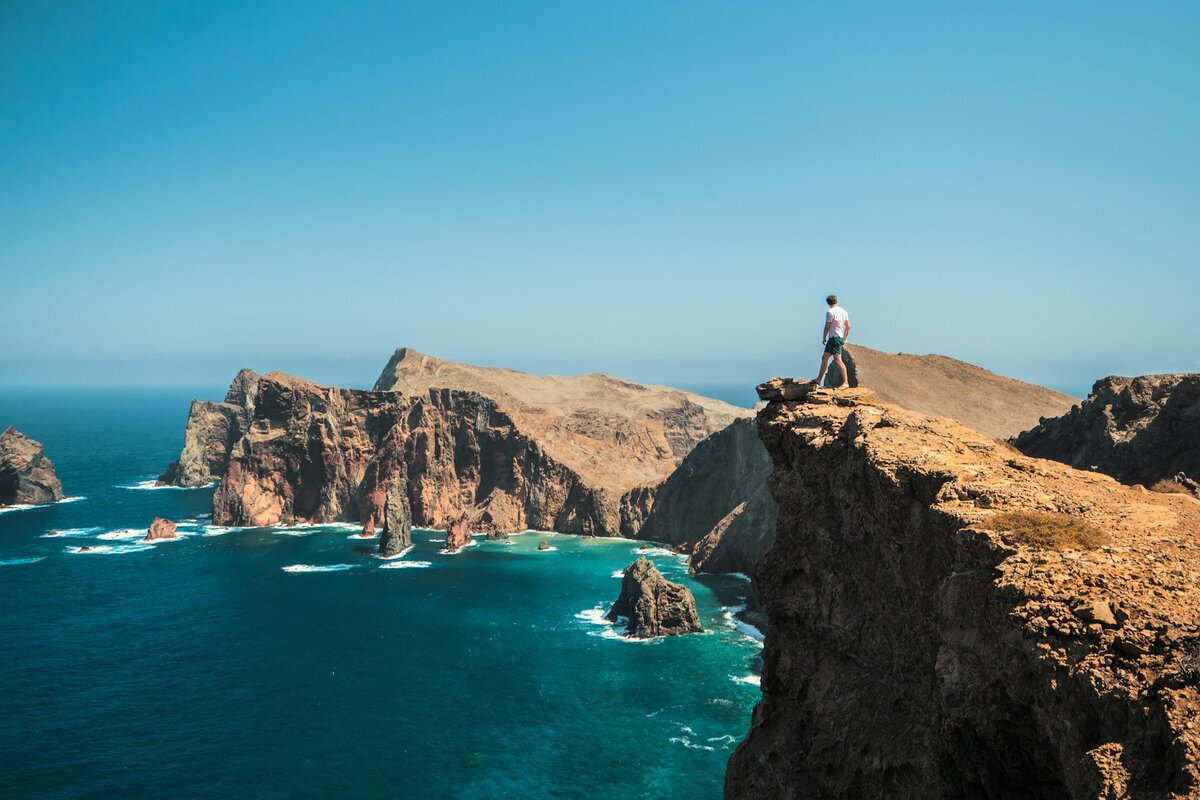
A subtropical archipelago in the Atlantic, around 1,000 km south-west of Lisbon. The water here is +23–24°C not only in July but throughout the year — the Canary Current doesn't reach Madeira. Sandy beaches are scarce on the main island — mostly pebbles or volcanic lava platforms at the water's edge. But there are none of the summer crowds of central Algarve, and the landscape is entirely different: flowering levadas, cliffs, subtropical forest. Direct flight from Warsaw takes around 4 hours.
3. Arrábida Nature Park (Setúbal Peninsula)
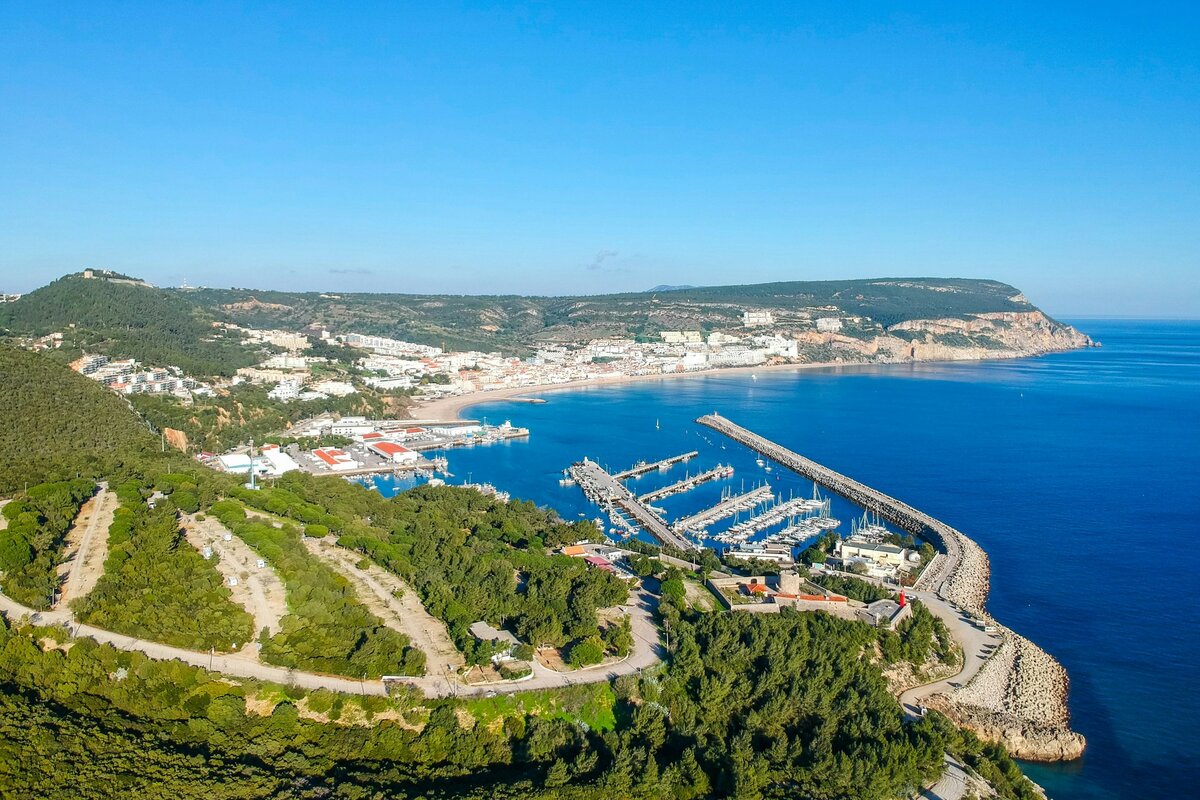
The closest spot to Lisbon with genuinely warm, clear water. The sheltered coves of Portinho da Arrábida and Cruz are protected from the northerly wind by limestone cliffs — water warms to +21–22°C and holds a turquoise colour unusual for the Atlantic coast. The park is 40–50 minutes from Lisbon by car. The beaches are small and parking is limited — best to arrive early in the morning.
4. Alentejo Coast — Milfontes, Porto Covo
A lesser-known stretch between Lisbon and the Algarve. Water sits at +19–20°C — not the warmest — but the beaches are virtually empty even at the height of July. Vast wild landscapes, whitewashed villages and a complete absence of tourist infrastructure. For those seeking solitude and willing to trade a few degrees of water temperature for it.
5. Tróia (Peninsula Opposite Setúbal)
A narrow, 30 km-long peninsula across the water from Setúbal, with the Atlantic on one side and a calm estuary on the other. On the estuary side, the water warms to +21–22°C with almost no waves. On the ocean side it's cooler but the beaches are wider. The ferry crossing from Setúbal takes 5 minutes. In July this is where the Portuguese come to relax.
July in Portugal: The Full Weather Picture
Water temperature is only part of the equation. Here's everything else you need to know about the weather in July.
| Parameter | Porto and north | Lisbon and centre | Algarve | Madeira |
|---|---|---|---|---|
| Air temperature (day) | +22–24°C | +25–28°C | +28–31°C | +26–28°C |
| Nights | +15–17°C | +17–19°C | +19–21°C | +20–22°C |
| Rain | Occasional fog | Virtually none | None | Brief showers |
| Sunshine (hrs/day) | 8 | 9–10 | 11 | 8–9 |
| Wind | Strong | Moderate | Moderate in the east, strong in the west | Gentle breeze |
Wind — the major factor nobody talks about
A steady north-westerly wind — the nortada — blows along Portugal's western coast in July. On the beach it creates a pleasant coolness, but it builds waves and makes calm swimming difficult. In Sagres and Peniche in July gusts can reach 30–40 km/h. In Eastern Algarve and the sheltered coves of Arrábida the wind is considerably weaker. That's precisely why surfers head north and west while families with children go east.
Lisbon and the "veraninho" effect
In July Lisbon is sometimes blanketed by morning fog — nevoeiro — a phenomenon typical of the Atlantic coast. By midday the fog burns off, but early morning walks can be misty. There's also the heat of Portugal's interior to consider: in the Alentejo and Ribatejo in July temperatures reach +35–40°C and there's no sea breeze to soften them. Worth bearing in mind if your itinerary includes trips inland.
Tourist peak
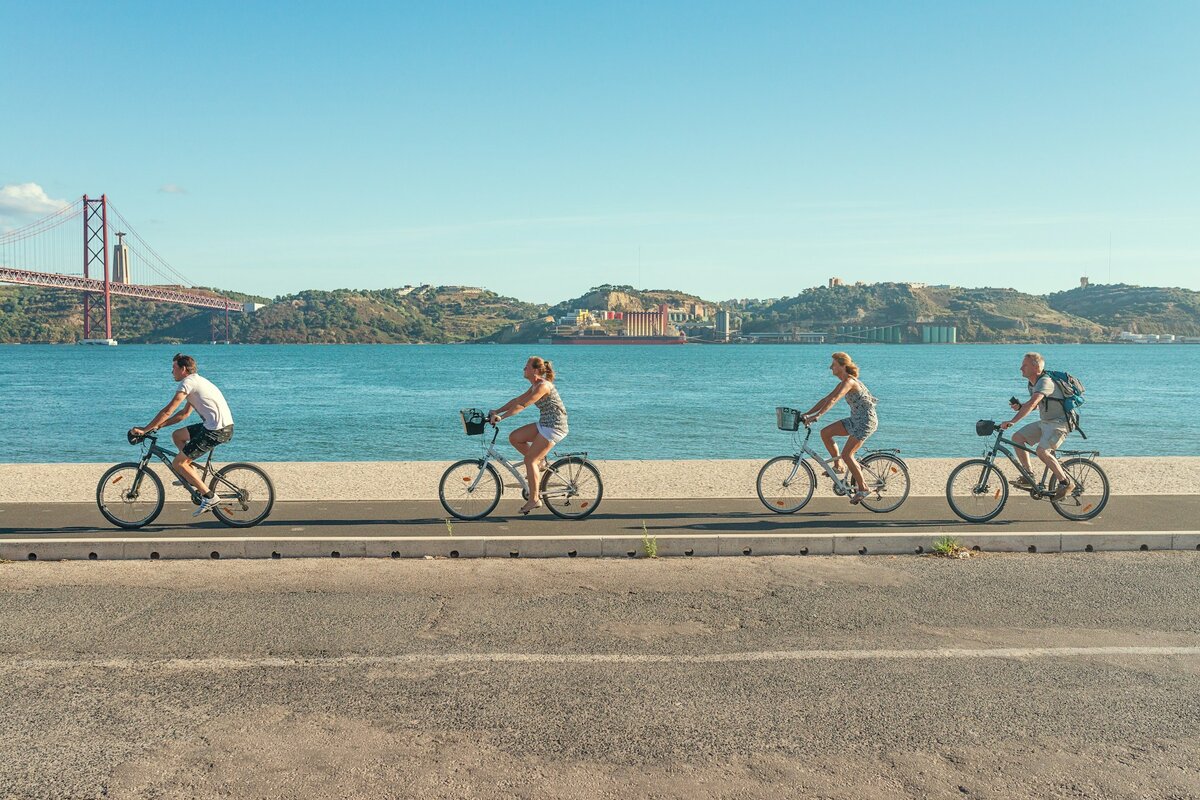
July is Portugal's busiest month after August. Albufeira and Vilamoura in the Algarve are packed: queues at restaurants, full car parks, sunbeds end to end on the beaches. Lisbon and Sintra receive record numbers of visitors in July. Tavira, the Alentejo coast and the north of the country are considerably quieter.
Who Portugal in July Is Perfect For
Surfers
The northern and central coast — Nazaré, Peniche, Ericeira — is in its best shape in July. Consistent waves, a well-developed surfing infrastructure and schools for every level. Nazaré is famous for its winter mega-waves, but in July the swell is still very much serious. Ericeira is an official World Surfing Reserve, one of very few in Europe.
Families with children
Eastern Algarve — Tavira, Cabanas, Monte Gordo. The shallow lagoons of Ria Formosa: water at +23–24°C, no waves, a gently sloping sandy seabed. The barrier island beaches are reached by ferry in 10 minutes. Tavira is a quiet town free from the nighttime noise and tourist excess of central Algarve. For young children it's the best spot in the country.
Couples and culture lovers
Lisbon + Sintra + Arrábida — three days in the capital, four on the coast. Lisbon in July is running at full capacity: all museums open, fado concerts every evening, restaurants with seasonal menus. Sintra's hilltop palaces demand an early start — by 9am the crowds have yet to arrive. Arrábida is the perfect finale, with turquoise water and peace and quiet.
Escape from the heat
Porto and the north of the country are unusually fresh by European summer standards: +22–24°C in July. Porto is also one of the most beautiful cities on the continent: the ribeira, the bridges, port wine, the Lello bookshop. The nearby beaches — Foz do Douro, Matosinhos — are cold but beautiful. For those who came for the city, not the sea.
Golf and active holidays
The Algarve is one of Europe's leading golf regions and July is its peak season. Over 30 courses, some of them in the European top 10. Cycling routes along the coast on the Via Algarviana and through the Guadiana river valley. Horse riding through the Ria Formosa Nature Park.
Madeira — for those who want a different Portugal
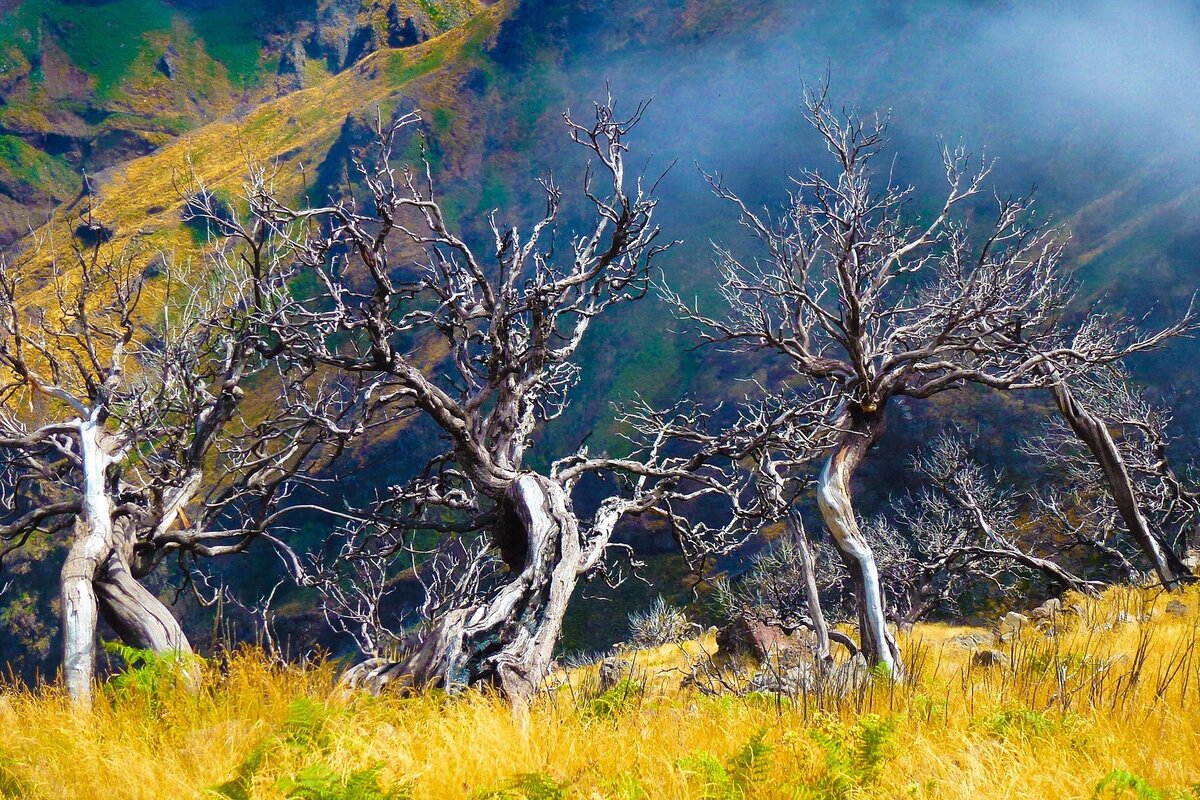
Subtropics, levadas (16th-century irrigation channels turned into walking trails), blooming gardens, volcanic cliffs and Madeira wine straight from the producers. Soft sandy beaches exist only on the island of Porto Santo, 40 minutes away by ferry. For those who care about nature, not sunbeds.
Practical Advice — What to Pack and What Not to Expect
What to bring
- A wetsuit or neoprene vest — if you plan to swim for long stretches in the north or west of the country. At +17–18°C without protection, 15–20 minutes is about the limit.
- A light jacket for the evening — the ocean breeze after sunset on the western coast is surprisingly cool even when the daytime temperature is +28°C.
- Sunscreen SPF 50+ — essential. The Algarve sun in July is intense and the refreshing wind creates a false sense of security. Getting badly sunburned on the first day is very easy.
- Comfortable walking shoes — Lisbon's limestone cobblestones are beautiful but slippery when wet and punishing on your feet after a full day of walking.
- A plug adapter — Portugal uses European standard sockets (type F), but older buildings in Lisbon sometimes have type C sockets with narrower pins.
What not to expect
- Warm water "like in Turkey" — even in Eastern Algarve it's +22–24°C and that's the national maximum. Mediterranean temperatures of +27–28°C simply don't happen here.
- Empty beaches in Albufeira and Vilamoura — July is peak season and central Algarve is packed. If you want quiet, go to Tavira or the north.
- Cheap hotels in Lisbon — the capital is expensive in July, with the best central options booked up 8–10 weeks in advance. Last minute doesn't work here.
- Early dinners — the Portuguese eat late. Most restaurants open for dinner at 19:30–20:00, and before 21:00 they're often empty.

Itineraries — How to Spend a Week in Portugal in July
"Sun and sea" — for those who came to swim
The whole week in Eastern Algarve. Fly into Faro, transfer to Tavira (30 minutes). Base yourself in Tavira or Cabanas de Tavira. Day one: ferry to Ilha de Tavira, the beach at Praia de Tavira — the longest in the region. Day two: ferry to Fuseta, explore the Ria Formosa lagoons by boat, snorkelling among the oyster beds. Day three: a trip to Castro Marim near the Portuguese-Spanish border and its medieval fortress. The remaining days — beaches, walks through Tavira's old town, oysters bought directly from fishermen's boats.
Budget: direct flights from Poland to Faro with Ryanair or Wizz Air from Warsaw, Gdańsk and Wrocław. A 4-star hotel in Tavira for 7 nights / 2 people — 3 500–6 500 zł.
"Capital and coast" — for those who want a bit of everything
Fly into Lisbon. Three days in the capital: Belém (Jerónimos Monastery, the Tower of Belém, the MAAT museum), Alfama (São Jorge Castle, Tram 28, fado in the evening), Baixa and Chiado (the best espresso in Portugal at Café A Brasileira). On the fourth day, hire a car. Sintra in the morning (arrive before 9:00 for the Pena Palace and Moorish Castle). Cascais in the afternoon — a stroll along the promenade. Three more days at Arrábida: rent an apartment in Setúbal, drive to the coves of Portinho da Arrábida in the morning, and finish each evening with oysters and white Moscatel wine in Setúbal.
Budget: flight to Lisbon (LOT, Ryanair, Wizz Air from Warsaw, ~3.5 hrs). Hotel in Lisbon for 3 nights / 2 people — 1 200–2 500 zł. Car hire for 4 days — from 250 zł. Apartment in Setúbal for 3 nights / 2 people — 800–1 800 zł.
"A different Portugal" — three sides of the country
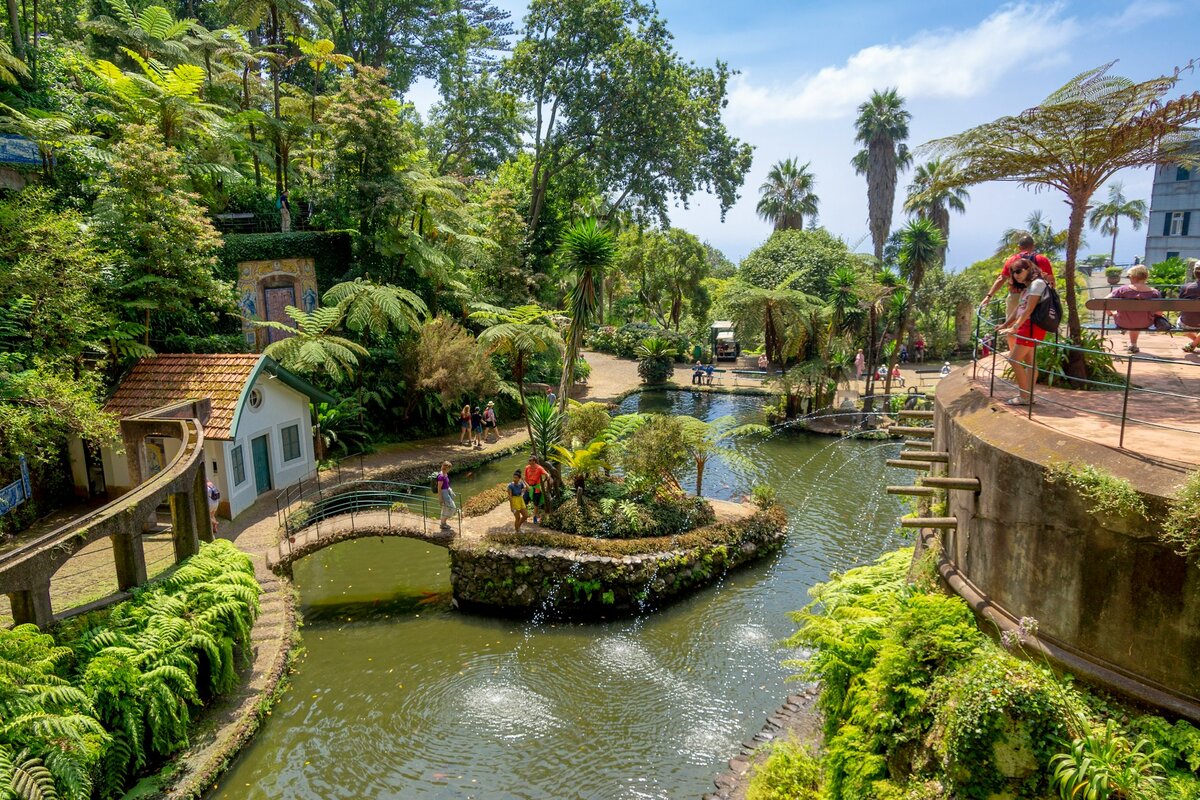
Fly into Porto. Two days: the ribeira, the Luís I Bridge, port wine tasting in the cellars of Vila Nova de Gaia, the Lello bookshop, the Bolhão market. On day three, fly to Madeira (TAP Air Portugal, around 1.5 hours, from 80–150 EUR). Three days on Madeira: the Caldeirão Verde levada walk in the mountains, Funchal with the Monte Garden, the Mercado dos Lavradores, Madeira wine tasting in the São Martinho district. The final two days — fly to Faro and the beach of Eastern Algarve.
Budget: connecting flight Warsaw–Porto (Ryanair, ~3.5 hrs). Internal flight Porto–Madeira–Faro via Lisbon (TAP). Flights total — 300–600 EUR per person depending on how far in advance you book. Hotels on Madeira for 3 nights / 2 people — 1 500–3 500 zł.
When to Book and How Much Does It Cost
July is peak tourist season in Portugal, which has a direct impact on prices and hotel availability.
Lisbon: book central hotels 8–10 weeks in advance — the capital is packed in July and the best options go early. Prices for 4-star hotels in the historic centre start at 150–250 EUR per night.
Algarve: charter flights from Kraków, Katowice, Gdańsk, Wrocław to Faro — book 6–8 weeks ahead. Package holidays 7 nights / 2 people in the Algarve — 5 000–10 000 zł in July.
Madeira: direct flights from Warsaw (LOT, around 4 hours) — book 5–7 weeks ahead. Hotels on the island fill up in July, especially in Funchal — reserve in advance.
Last minute in July: practically useless. Portugal is a popular destination for Polish, German and British tourists simultaneously. Good hotels rarely have availability 1–2 weeks before check-in.
Alternative: consider June (20–25% cheaper with the same weather) or September (warmer sea, fewer crowds, lower prices). Both months are objectively better value than July for most travellers.
Where to Go Instead — If +22°C Feels Too Cold
If after everything you've read the water temperature in Portugal still doesn't appeal, here are honest alternatives with flights from Poland at a similar travel time.
Madeira (+23–24°C)
Technically Portugal, but a completely different climate. Subtropics, stable water with no seasonal fluctuations, landscapes that don't exist on the mainland. If you want to stay "in Portugal" — the best choice for water temperature.
Greece — Crete, Rhodes (+24–26°C)
Three hours from Poland, excellent infrastructure, rich history. The sea is significantly warmer than Portugal's at a comparable flight time and similar price range. Crete in July is hot (+30°C), but without Portugal's wind.
Cyprus (+27–28°C)
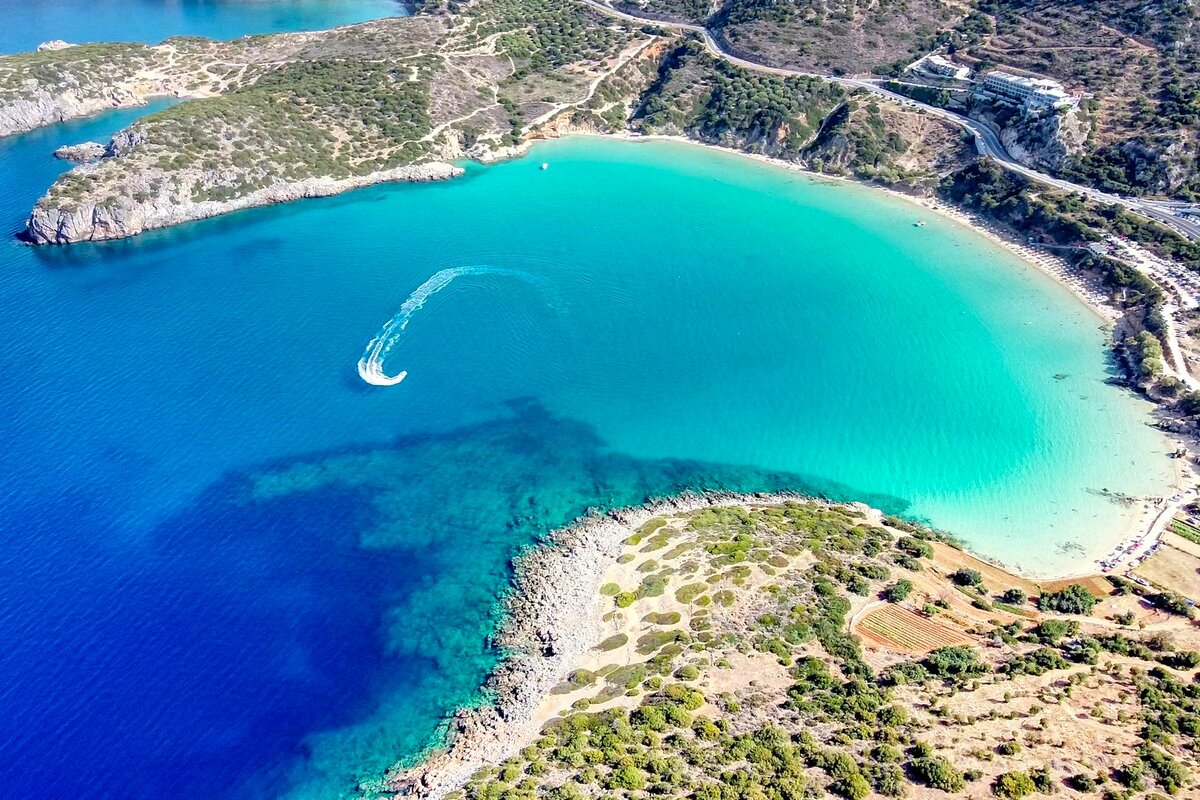
The warmest sea in the Mediterranean during the summer months. Air temperature of +34°C is hotter than Portugal, but beaches with warm water more than compensate. Flight from Warsaw — 3.5 hours.
Turkey — Alanya, Side (+27–28°C)
The most affordable destination with warm water: all-inclusive at a 5-star hotel is cheaper than a standard hotel in the Algarve. If your priority is the warmest possible water at the lowest possible cost, Turkey wins over Portugal on every count.
Spain — Costa Blanca, Tenerife (+24–26°C)
Spain's Mediterranean coast is warmer than the Atlantic at a similar flight time. Tenerife is the Canary Islands compromise: +23–24°C water and +26°C air without exhausting heat.
Is Portugal Worth Visiting in July?
The Atlantic water off Portugal's coast in July is genuinely cooler than most tourists expect. That's a fact worth accepting before you book. Central Algarve — +20–22°C, Lisbon — +18–20°C, the north — +17–18°C. For those for whom swimming in truly warm water is the primary goal, Portugal in July is not the best choice.
But looking at the bigger picture: Eastern Algarve with the Ria Formosa lagoons gives you +23–24°C and uncrowded beaches. Madeira — subtropics with +23–24°C year-round. The coves of Arrábida just outside Lisbon — turquoise water at +21–22°C without the Albufeira masses. And everything else — architecture, gastronomy, surfing, wine, nature — reaches its highest point in July in Portugal, in a climate that's comfortable enough to enjoy it all. That's what makes Portugal a special choice among summer destinations from Poland.

 Holidays


 Last minute
 Hotels


 Blog
Blog