The 100ml rule that has shaped hand luggage since 2006 is quietly falling apart in 2026, but not evenly, and not everywhere in Poland. Kraków and Poznań airports have already switched entirely to new scanners that allow 2-litre containers, Rzeszów has followed, Gdańsk has started a first phase, and Warsaw Chopin only began installing the technology on 8 July 2026 — with just two scanners live, reserved for paid Fast Track lanes, out of a planned 15 by the end of the year. Pack for the strictest version of the rule unless you know exactly which lane you'll be standing in.
This guide covers what actually counts as a liquid at security, which Polish airports have moved to the new 2-litre allowance and which haven't, what still gets confiscated even where the new scanners operate, and how the rules differ between your carry-on bag and a checked suitcase. It also covers duty-free purchases after security and what to do if an item gets pulled at the tray.
- What's the default rule in 2026 → The 2026 baseline: still 100ml unless told otherwise
- Which Polish airports have upgraded → Poland's patchwork of new scanners
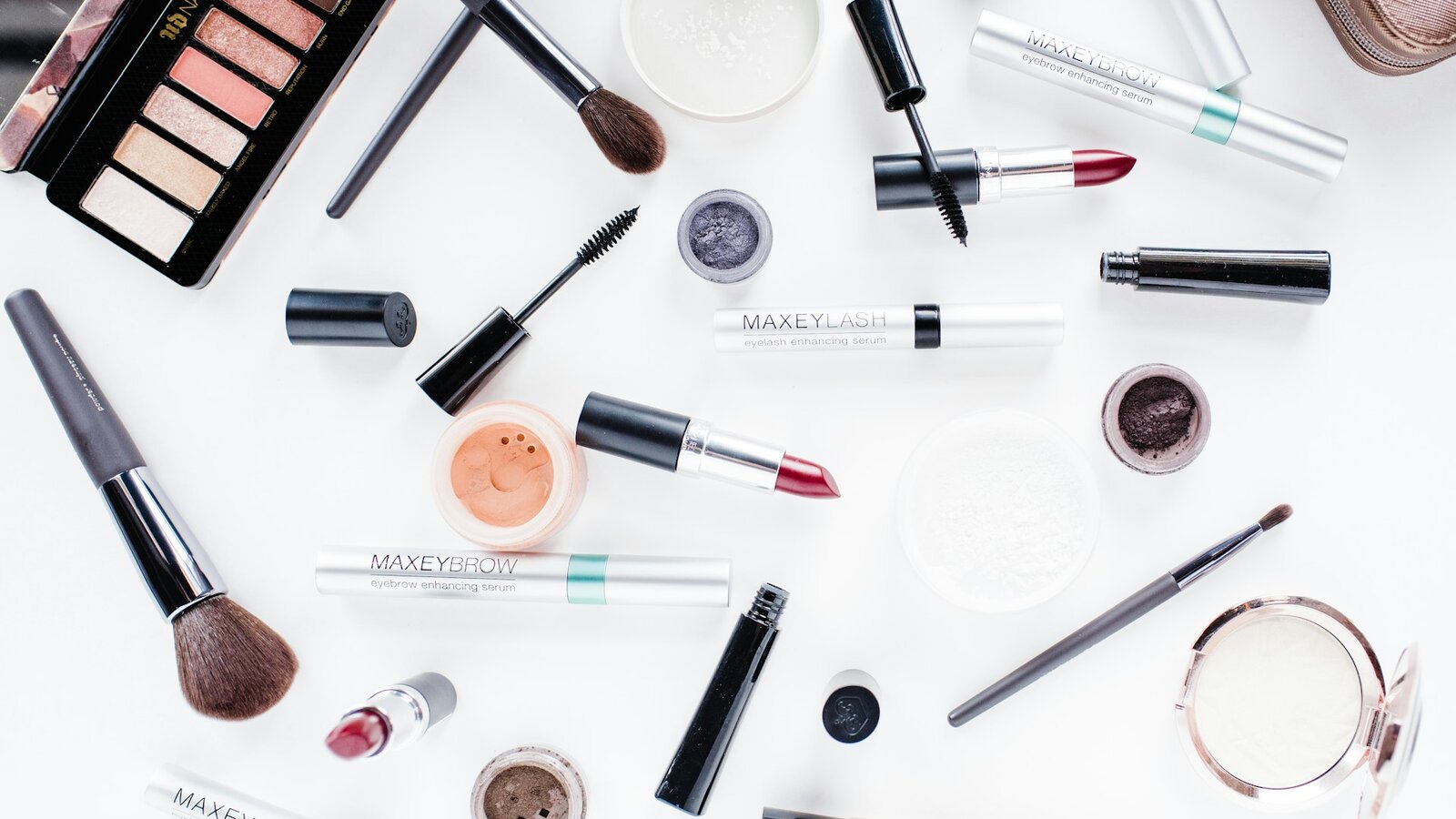
- Does my mascara count as a liquid → What actually counts as a liquid
- What gets confiscated even under the rules → What still gets taken away
- Packing full-size bottles in the hold → Checked baggage rules
- Buying cosmetics airside → Duty-free after security
- Building a kit that survives either rule → Packing a kit that works everywhere
- If your item gets pulled at the tray → If security stops you
- Quick answers → Frequently asked questions
The 2026 baseline: still 100ml unless you know otherwise
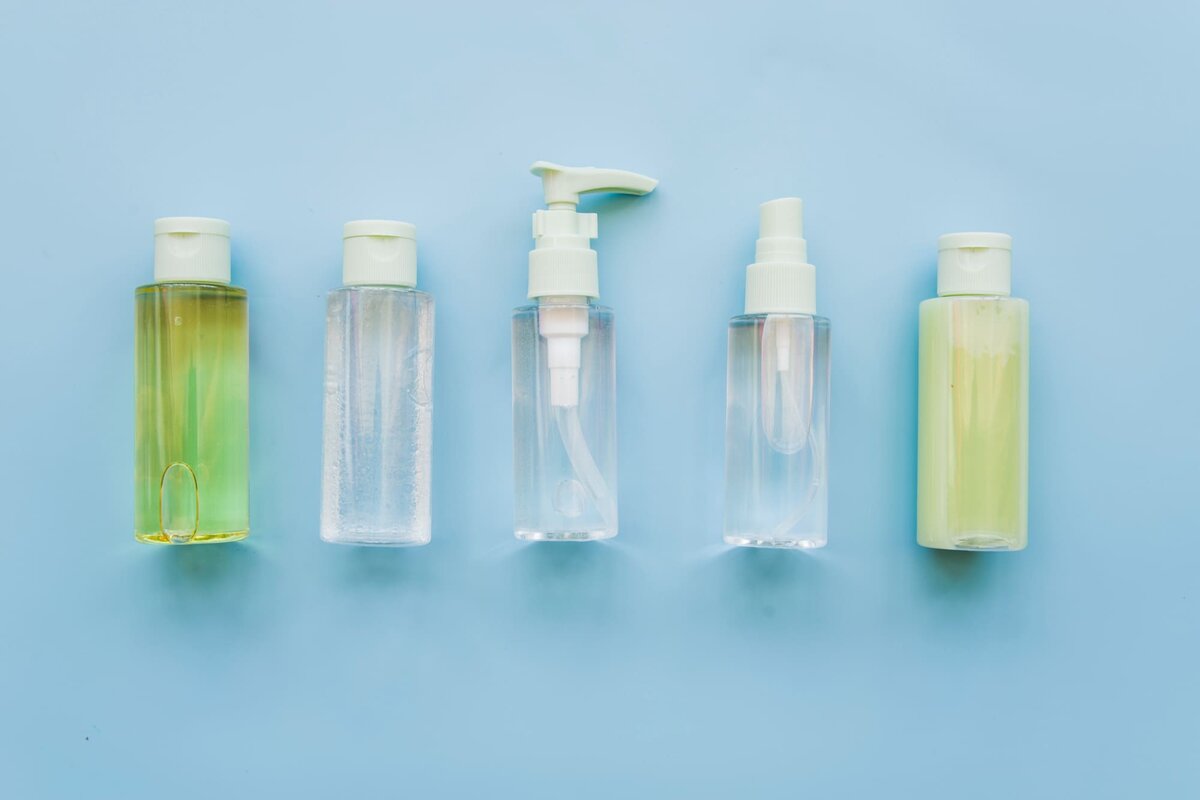
Unless you have confirmed that your specific departure lane uses the new scanners, pack as if the old rule still applies: each liquid, gel, cream, paste, or aerosol container must hold 100 ml or less, and every container has to fit into a single transparent, resealable bag of roughly one litre, one bag per passenger. Security measures the size of the container printed on the label, not how much is left inside it — a half-used 200 ml bottle of shampoo is confiscated exactly like a full one. Medicines, baby food, breast milk and other special dietary liquids are exempt from the volume limit everywhere, but must be declared separately at the tray.
Poland's patchwork of new scanners in 2026
Following a July 2025 approval from European aviation regulators for airports using next-generation CT scanners, several Polish airports have started phasing out the 100ml rule — but coverage varies sharply by airport, and even by which lane you queue in at the same airport.
| Airport | Status in 2026 | What this means for you |
|---|---|---|
| Kraków (KRK) | Fully upgraded, all lanes | 2-litre containers allowed, liquids and electronics can stay in your bag |
| Poznań (POZ) | Fully upgraded, all lanes | 2-litre containers allowed, same as Kraków |
| Rzeszów (RZE) | C3 scanners in use | 2-litre containers allowed at equipped lanes |
| Gdańsk (GDN) | First phase, two scanners | 2-litre allowance limited to those specific lanes only |
| Warsaw Chopin (WAW) | Rollout started 8 July 2026, two scanners live, 15 planned by year-end | 2-litre allowance currently limited to paid Fast Track lanes; standard lanes still enforce 100ml |
Warsaw's own airport spokesperson has confirmed the higher limit applies only at the new scanners for now, and that standard checkpoints still require liquids prepared under the old rule. Coverage is expanding week by week as more scanners come online, so treat this table as a snapshot rather than a permanent guarantee, and check your specific airport and terminal shortly before you fly.
Rules apply where you're screened, not where you land. If your outbound airport allows 2-litre containers but your return airport doesn't, that full-size bottle you bought on holiday isn't coming home in your carry-on.
A connecting flight resets the rule. Even if your first departure airport uses the new scanners, a connection through an airport that hasn't upgraded means repacking to 100ml for that second screening.
Fast Track access at Warsaw is currently paid. The 2-litre allowance at Chopin is not yet available to passengers using standard security, regardless of airline or ticket class.
What actually counts as a liquid at security
Security screening defines "liquid" broadly, by consistency rather than by what the product is called on the packaging.
| Counts as a liquid (subject to the limit) | Usually exempt |
|---|---|
| Shampoo, shower gel, liquid soap, micellar water | Bar soap, solid shampoo bars |
| Liquid or cream foundation, BB cream, cream blush and eyeshadow | Pressed powder foundation, powder blush, bronzer |
| Mascara, liquid eyeliner, lip gloss | Kohl or wax eyeliner pencils, lip liner pencils |
| Roll-on or spray deodorant, spray perfume and cologne | Solid stick deodorant, solid perfume balm |
| Sunscreen lotion, after-sun gel, hand and body lotion | Solid sunscreen sticks |
| Nail polish and nail polish remover | Nail files, clippers, buffers |
| Hair gel, wax in gel form, hairspray, toothpaste | Lipstick (solid bullet form) |
| Sheet masks soaked in serum, contact lens solution | False eyelashes (dry, unglued) |
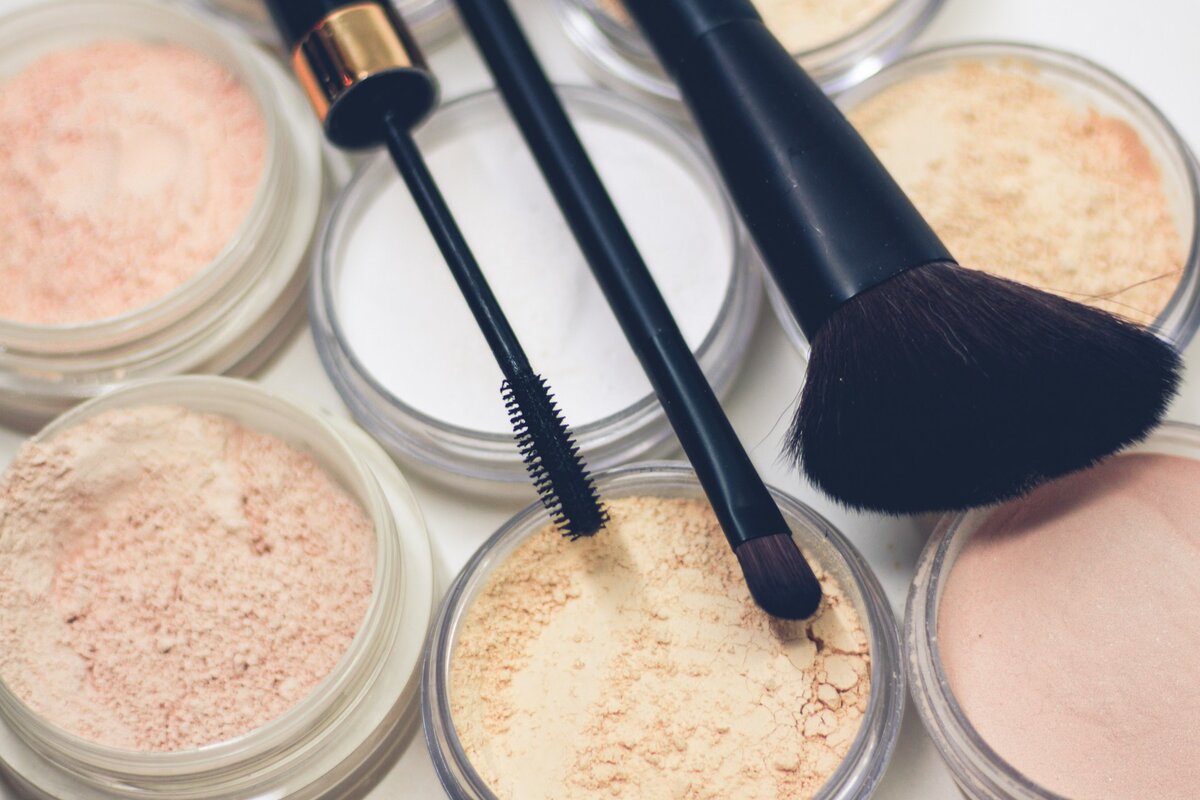
Loose powder in large quantities is a separate, less obvious case: some countries apply extra screening to powder-form items over roughly 350 ml due to a security alert unrelated to the liquids rule, so a full-size bag of loose setting powder or bath powder is worth moving to checked luggage regardless of which lane you use.
What still gets taken away, even where the new rule applies
The most common reason cosmetics get confiscated is not a banned ingredient — it's a container that doesn't match its declared size, or a full-size bottle packed on the assumption that "it's mostly empty anyway." A 150 ml bottle with 40 ml of product left in it is still a 150 ml container under the rule, and decanting liquid into an unlabelled travel bottle at home doesn't help either, since screeners look at volume markings and unlabelled bottles often draw more scrutiny, not less. Perfume and cologne with an alcohol concentration above 70% by volume is refused outright in both cabin and hold, which occasionally catches out travellers carrying niche or concentrated extrait de parfum. Items without a visible size marking, and anything security can't be confident about within the time available, are the ones most likely to end up in the bin, not any specific cosmetic category.
Checked baggage: no size limit for ordinary cosmetics, but aerosols and alcohol have their own rules
Ordinary liquid cosmetics — shampoo, lotion, shower gel, full-size skincare — have no quantity limit at all in checked luggage; you can pack as many full-size bottles as fit in the suitcase. The exception is dangerous-goods categories that apply regardless of which airport you're flying from:
Aerosols. Hairspray, spray deodorant and spray sunscreen are capped at 500 ml per container, with a combined total of 2 litres or 2 kg of aerosols and alcohol-based toiletries per passenger, and the spray nozzle must be capped or otherwise protected against accidental release in the hold.
Alcohol-based toiletries. Perfume, cologne and aftershave containing alcohol count toward that same 2-litre combined total alongside aerosols, with each individual bottle capped at 500 ml.
Above 70% alcohol by volume. Not permitted in checked baggage at all, which matters for a small number of high-concentration perfumes and specialist grooming products.
Duty-free cosmetics bought airside
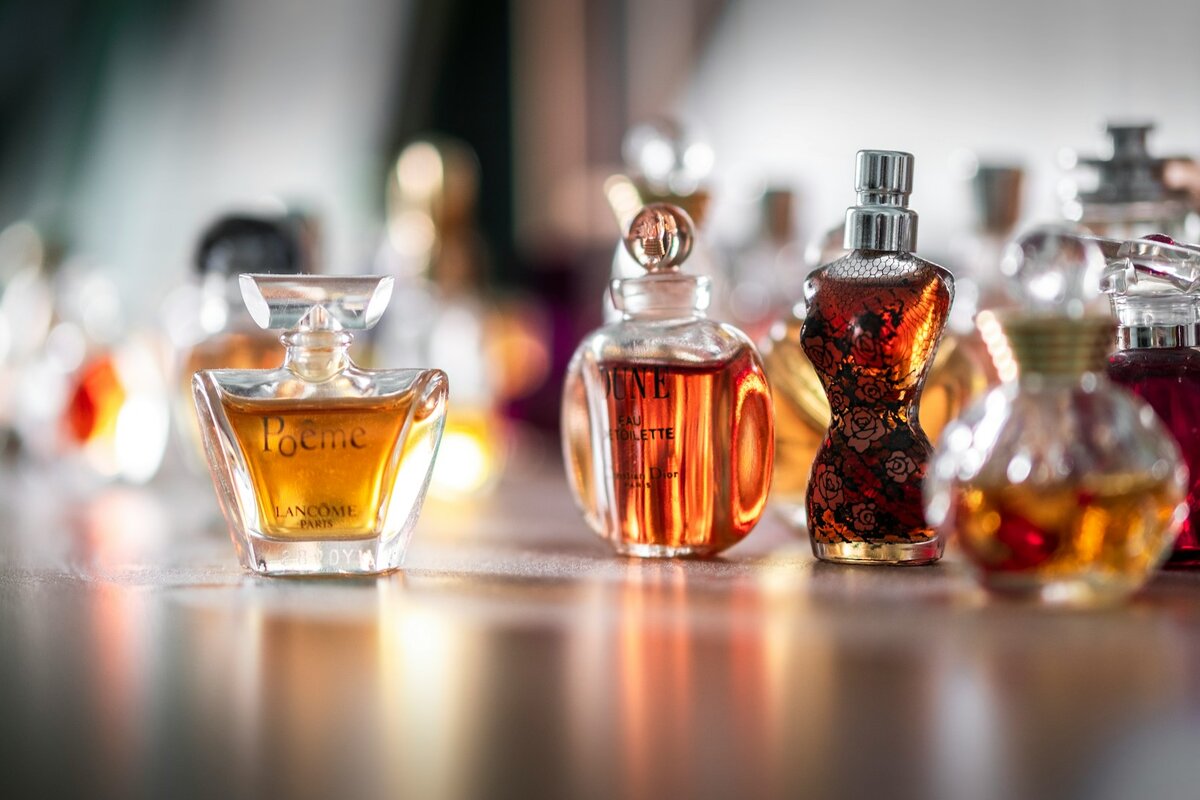
Perfume, skincare or other liquids bought after security, in a duty-free shop or on board, can exceed 100 ml as long as they're sealed in a security tamper-evident bag (STEB) with the receipt visible inside, and that seal stays unbroken. This matters most for connecting passengers: if your itinerary routes through a second security check before your next flight, an unopened STEB from an EU airport is generally accepted, but it's worth keeping the receipt easy to find and not assuming every hub outside the EU will treat a foreign STEB the same way. Once the bag is opened, the exemption no longer applies.
Building a cosmetics kit that survives either version of the rule
Given how unevenly the 2-litre rule is rolling out across Poland, the simplest approach for 2026 is to pack as if 100 ml still applies everywhere, and treat any 2-litre lane as a bonus rather than something to plan around.
- Choose solid alternatives where they exist — shampoo and conditioner bars, solid perfume, stick deodorant, solid sunscreen — since none of these count as liquids at all, at any airport.
- Decant only into labelled, clearly marked travel bottles under 100 ml, rather than unlabelled containers that draw more questions than they save time.
- Keep prescription and medical items in their original, labelled packaging, since an unlabelled decanted medication is far more likely to trigger a manual check than a 100 ml rule violation ever would.
- Pack any full-size backup bottles — spare shampoo, a second sunscreen — in the checked bag rather than gambling on a 2-litre lane being available on both legs of the trip.
- If you're specifically routed through Kraków, Poznań or a Warsaw Fast Track lane, it's worth checking your terminal's current scanner coverage the day before you fly, since the rollout is expanding on a weekly basis rather than airport-wide overnight.
If security stops you
An oversized or unlabelled item is usually surrendered on the spot — there is no on-the-spot refund, and asking to "just take a bit out" of an over-limit bottle isn't something security staff can accommodate given how the check works. If you still have check-in available and enough time before your flight closes, some airports will let you step back out to check the item into hold luggage instead of losing it, but this depends entirely on how much time is left and whether your airline's bag drop is still open — it is not guaranteed, and rushing back through a queue to make a tight connection is rarely worth the risk of missing the flight over one bottle of sunscreen.
Frequently asked questions
Can I bring cream in hand luggage?
Yes, in a container of 100 ml or less at standard security lanes, or up to 2 litres at airports and lanes running the new CT scanners — face cream, body lotion and similar products are treated as liquids either way.
Can I bring mascara in hand luggage?
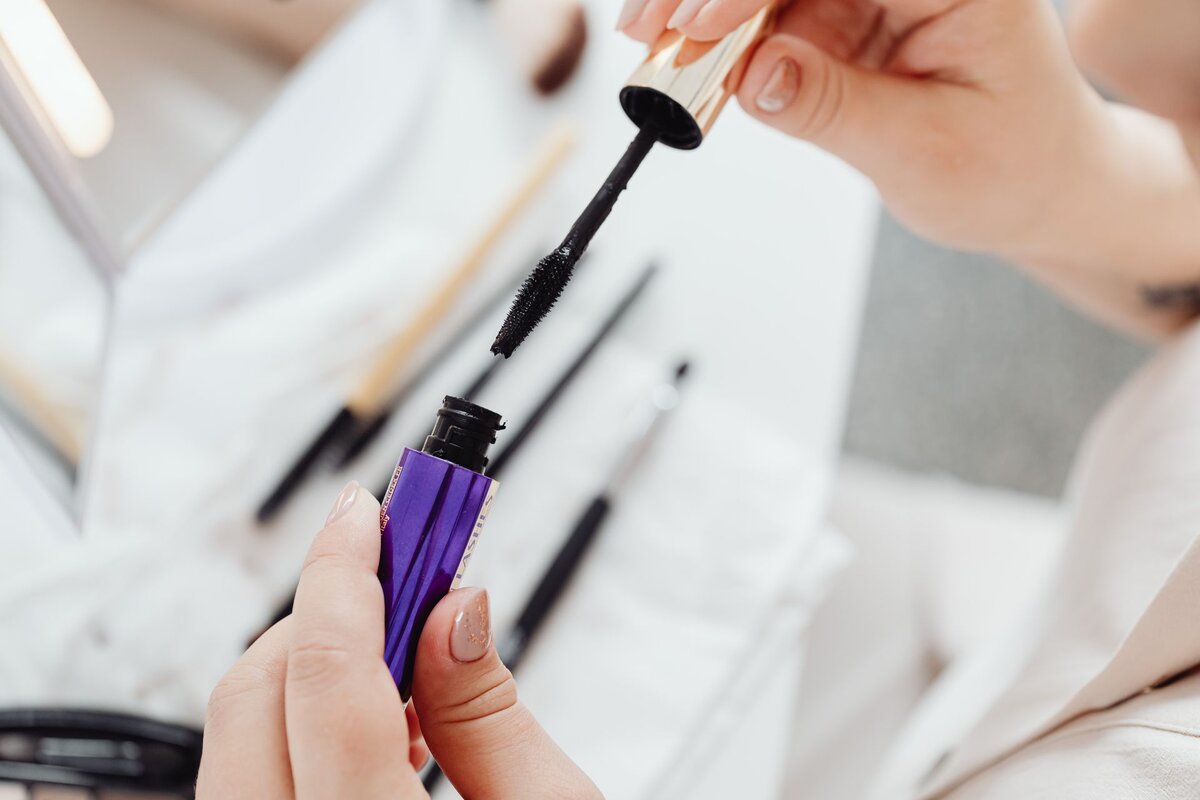
Yes. Standard tube sizes are well under 100 ml, so mascara rarely causes an issue regardless of which lane you use.
Are under-eye patches or sheet masks allowed?
Dry patches and masks are not liquids and travel freely. Masks pre-soaked in serum are treated as a liquid item because of the amount of serum they carry, though the volume in a single packet is almost always well under the limit.
Do I need to bag my liquids at a 2-litre lane?
At fully upgraded lanes such as Kraków, Poznań or Warsaw's Fast Track checkpoints, liquids and electronics can generally stay inside your bag rather than being removed into a separate clear bag — but this is set by the specific lane's equipment, so watch for lane signage or follow staff instructions on the day.
The bottom line before you pack
In 2026, the safest assumption for any flight from Poland is still the 100 ml rule, because Warsaw Chopin — the airport most travellers actually use — has only just started its rollout and limits the 2-litre allowance to two Fast Track lanes out of a planned fifteen. Kraków and Poznań travellers can pack more freely, but only if both legs of their trip depart from upgraded airports; the return leg is where most people get caught out. Build your kit around solids and labelled 100 ml bottles by default, keep full-size backups in the hold, and treat any 2-litre lane you encounter as a convenience rather than something to plan a whole packing list around.
- Travel Medicine Kit
- Airline Baggage Rules
- Laptop in Carry-On Luggage
- How to Carry Alcohol on a Plane
- How to Carry a Razor on a Plane
- What You Can't Carry on a Plane
- Warsaw Chopin vs. Modlin Airport

 Holidays


 Last minute
 Hotels


 Blog
Blog