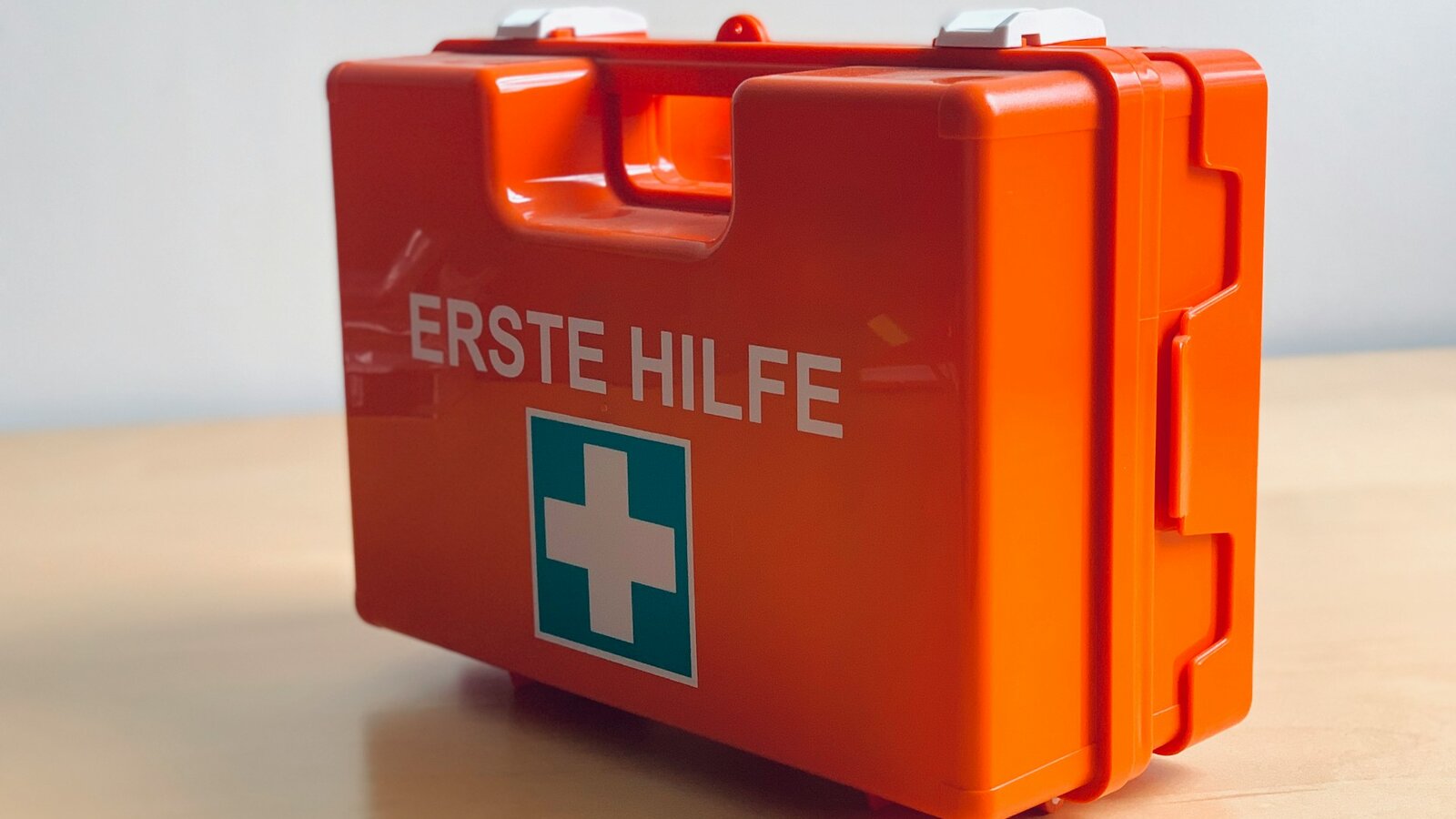
The worst moment to go looking for the right medicine is deep in the night in an unfamiliar city, when the nearest pharmacy is closed and the 24-hour one turns out to be across town. The World Health Organization recommends factoring in health risks — including infectious diseases — at the trip-planning stage, because even a strong immune system doesn't substitute for preparation. In Poland, many over-the-counter medicines are easier and cheaper to buy than in many destination countries, so a well-packed travel medicine kit isn't overcautious — it's a real saving of time, nerves and money at exactly the moment when help is hardest to reach. We've put together a complete guide for 2026: the basic set, additions for specific trip types, a children's kit, and the rules for carrying medicines across borders — including which medicines popular in Poland can cause problems at another EU country's border.
Important disclaimer: the medicines listed in this article have contraindications and side effects. Before taking any medicine, read the package leaflet and, if in doubt, consult a doctor or pharmacist. This text does not replace medical advice.
Quick navigation — jump straight to the section you need:
- What affects the kit's composition → 4 key factors
- The basic set → what everyone should have
- Antibiotics while travelling → when they're actually needed
- Children's medicine kit → a separate set for little ones
- Kit by destination → beach, mountains, tropics, business trip
- Carrying medicines across borders → rules for Poland and the EU
- Medicines restricted in Poland and the EU → what to watch for
- Packing and storage → how to do it right
- Final checklist → a ready-made list before you fly
- Frequently asked questions → FAQ on travel medicine kits
What affects your kit's composition: 4 key factors
There's no single universal medicine kit that suits every trip. Before packing one, it's worth considering four factors that genuinely change its contents:
- Health condition. With diabetes you may need extra insulin, with asthma an inhaler. Bring medicines for chronic conditions for the entire length of the trip plus a buffer in case your return is delayed.
- Length of the trip. The longer the trip, the bigger the supply of consumables you need — plasters, painkillers, electrolytes.
- Type of holiday. A beach holiday and a mountain trek call for completely different kits — different risks, different injuries, different climates.
- Destination. In the tropics, the risk of infectious disease and insect bites matters most; in the mountains, it's altitude sickness; in Europe, it's mostly standard travel ailments.
This approach — tailoring the kit to the specific trip rather than copying one universal list — is what actually makes it work when you need it.

The basic travel medicine kit: what everyone should have
Pain relief and fever reducers
- Paracetamol (e.g. Apap) — a painkiller and fever reducer for pain and elevated temperature.
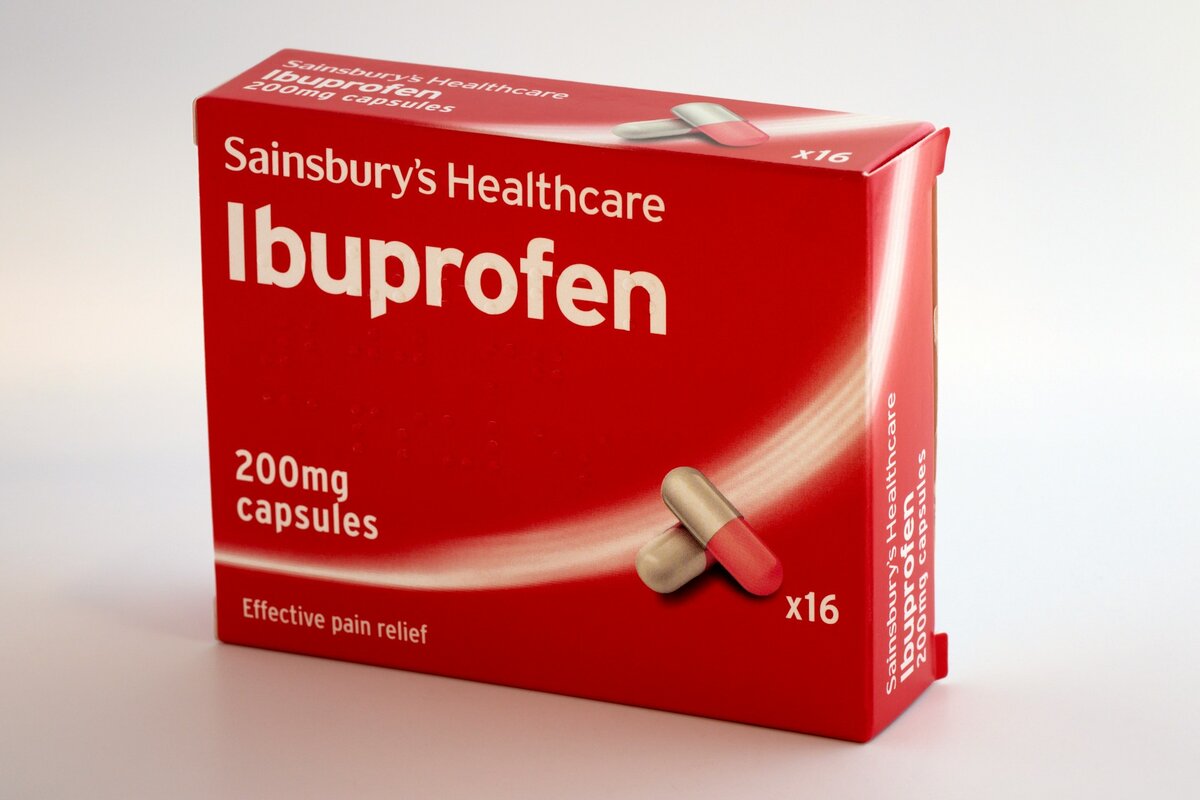
- Ibuprofen (e.g. Ibuprom, Nurofen) — a non-steroidal anti-inflammatory drug: reduces pain and inflammation.
- No-Spa (drotaverine) — a widely used antispasmodic in Poland, if you already take it for a diagnosed condition.
- Stronger painkillers (e.g. ketorolac-based) shouldn't go in the basic kit without a doctor's recommendation.
Factory blister packs are more practical for travel — compact, and they keep the full labelling of the medicine, which also makes any check at the border simpler.
Remedies for stomach and digestive upset
Diarrhoea and nausea are among the most common travel problems, especially with a change of food and water. It's worth having a few medicines for different symptoms:
- Oral rehydration solutions (e.g. Gastrolit, Orsalit) — replace the fluids and electrolytes lost during diarrhoea and vomiting.
- Loperamide (e.g. Stoperan, Imodium) — reduces the frequency of stools, but shouldn't be used on your own if diarrhoea comes with a fever or blood.
- Diosmectite or activated charcoal — sorbents that ease the symptoms of digestive upset.
- Pancreatin (e.g. Pangrol, Kreon) — can help with certain digestive disorders, but it's not a remedy for food poisoning.
- For severe nausea, metoclopramide is used only with its contraindications in mind.
If the condition comes with a high fever or severe diarrhoea, see a doctor rather than treating yourself.
Antihistamines (allergy medicines)
Unfamiliar food, plants and insect bites can trigger an allergic reaction even on an ordinary trip. It's worth having remedies for different types of reaction:
- Second-generation antihistamines — loratadine or cetirizine (e.g. Zyrtec, Allertec) cause drowsiness less often than older-generation ones.
- Topical remedies — Fenistil gel, for example, used for itching after insect bites.
- If you've had a severe allergic reaction before, discuss an EpiPen (adrenaline auto-injector) with your doctor in advance. In anaphylaxis, antihistamines and corticosteroids don't replace it.
Cold and flu remedies
Colds are caused by respiratory viruses, and symptoms sometimes start right on the road. It's worth having remedies for different flu-like symptoms:
- Paracetamol, Gripex — for a raised temperature and pain. It's best to bring a fever down only once it goes above 38.5°C.
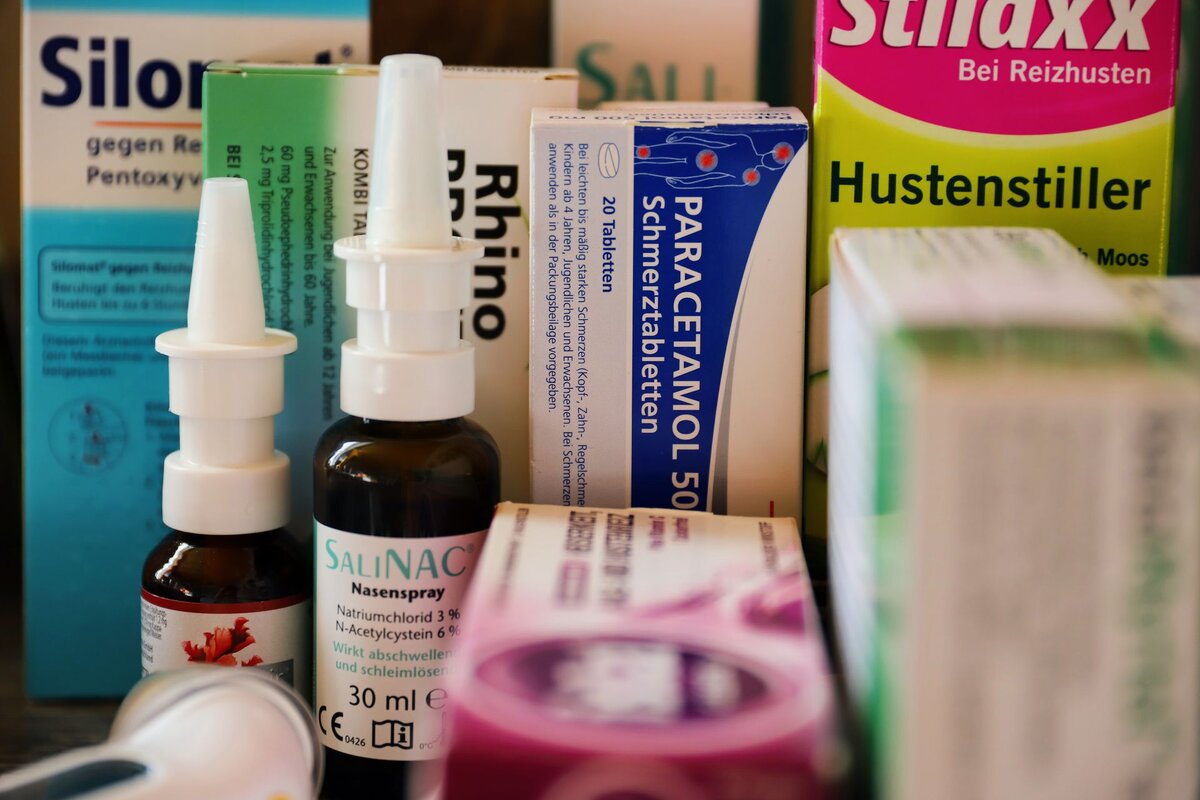
- Decongestants — xylometazoline (Otrivin), for example, for severe nasal congestion. Use these sprays for a short course, per the leaflet. Before a flight, a decongestant can ease symptoms and reduce the risk of ear barotrauma — a mini spray is easy to keep in your carry-on.
- Dry cough remedies — dextromethorphan, for example, for temporary relief of a dry cough.
- Wet cough remedies — ambroxol or acetylcysteine (ACC) thin mucus and make it easier to clear.
Check the ingredients of combined cold-and-flu powders separately — many already contain paracetamol, so it's important not to double up with another medicine.
Remedies for the throat, ears, nose and eyes
Discomfort in the ears, throat and eyes can appear after flights, swimming or long periods in air-conditioned rooms. Worth adding to your kit:
- For ears — Otipax for pain and inflammation. If there's discharge from the ear, see a doctor first: Otipax shouldn't be used with a perforated eardrum.
- For the throat — Strepsils, Septolete or Tantum Verde for pain and soreness.
- For the eyes — lubricating drops (e.g. Systane Ultra, Hylo-Comod) for dryness and irritation. Antibacterial drops (e.g. Tobrex) are for a bacterial eye infection, not ordinary redness.
Medicines for chronic conditions and the cardiovascular system
With chronic conditions, the main priority while travelling is not interrupting your prescribed treatment. With diabetes, asthma or heart failure, bring your usual medicines for the entire trip plus an extra buffer in case of delay.
- Carry insulin in your carry-on, protected from overheating and freezing, and keep an inhaler within easy reach at all times.
- Only bring blood pressure medicines and other cardiac drugs if they're genuinely part of your current treatment plan.
- Before you leave, check the rules for bringing prescription medicines into your destination country and prepare medical documents if needed.
For people with hypertension or cardiovascular conditions, it's worth carrying a pulse oximeter and a small blood pressure monitor — so you can check your blood pressure, pulse and oxygen saturation yourself without hunting for a hospital or pharmacy, and certainly without calling an ambulance, which abroad can be extremely expensive for something so simple.
Antiseptics, dressings and first-aid supplies
Cuts, grazes and blisters are common minor injuries on a trip. Clean the wound first, then protect it from dirt and bandage it if needed:
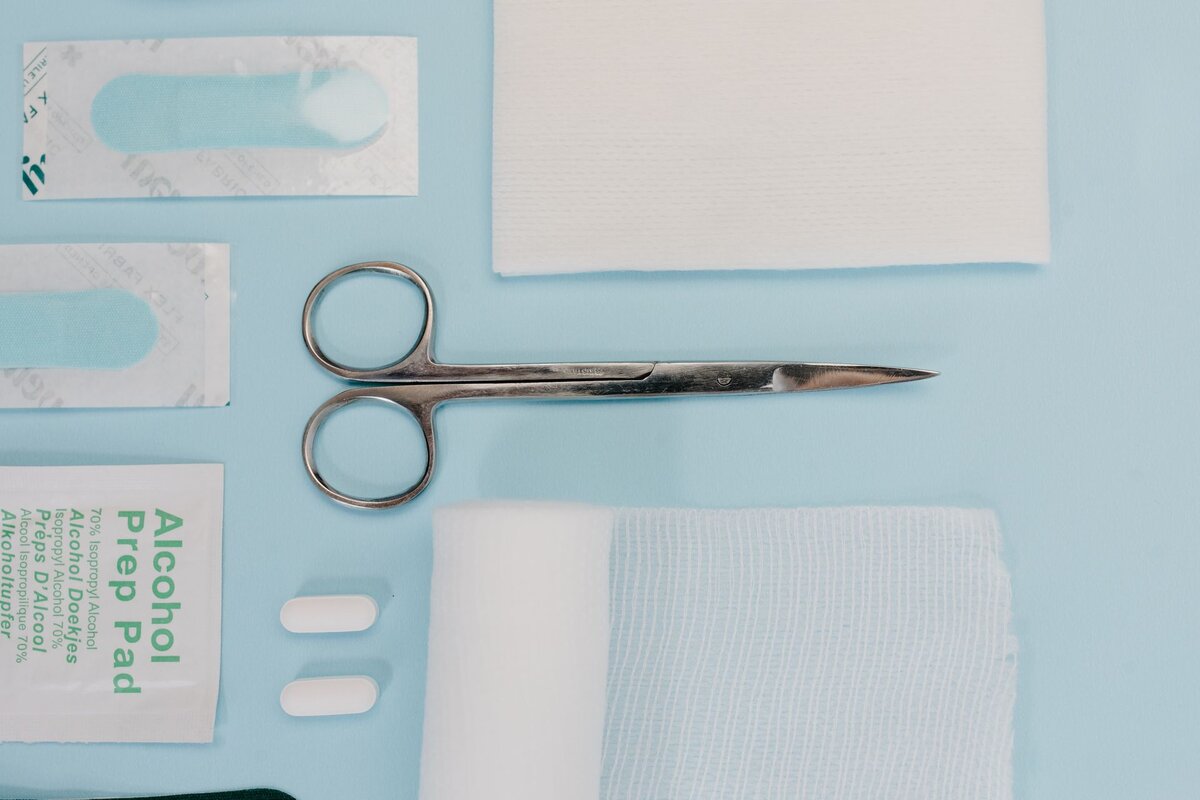
- Antiseptics — Octenisept or chlorhexidine, wipes or a solution for cleaning skin and minor wounds.
- Dressings — regular and blister plasters, sterile gauze, bandages.
- Extra tools — disposable gloves, tweezers for splinters, small scissors.
Motion sickness and seasickness remedies
Motion sickness on a bus, boat or ferry can cause nausea and vomiting, so it's worth preparing in advance if you're prone to it.
- Aviomarin (dimenhydrinate-based) is taken ahead of time, per the leaflet, some time before travelling. It can cause drowsiness, so don't use it before driving.
- For severe nausea and vomiting, a doctor may recommend metoclopramide, with its contraindications in mind.
- You can also ease the condition without medicine: look at the horizon and avoid reading while moving. Mint sweets can reduce nausea but don't replace motion sickness medicine.
Jet lag and sleep-disruption remedies
Jet lag after a long flight throws off your normal sleep rhythm: insomnia at night, drowsiness during the day. To adjust to a new time zone more easily:
- Melatonin can help — the timing depends on the direction of your flight and your new sleep schedule.
- Light exposure — more daylight at the right time helps reset your internal clock.
- Caffeine and meals — limit caffeine before bed and gradually shift to local mealtimes.
- Sleeping pills are best avoided without a doctor's prescription, and if you have an anxiety disorder, continue your prescribed therapy rather than replacing it with jet lag remedies.
Repellents and insect protection
Mosquitoes, midges and ticks are especially active in warm, wooded regions. Some mosquitoes can carry infections, so prevention matters as much as treating bites afterwards.
- Insect protection — repellents based on DEET, picaridin or IR3535, such as Off! or Autan. Check the concentration and age restrictions in the leaflet.
- Essential oils don't replace proven repellents.
- After a bite — dimetindene (Fenistil gel) helps with itching, or another familiar topical remedy. For a strong allergic reaction, antihistamines come in handy.
- After forest routes — check your skin and clothes for ticks. Tweezers from your kit are useful for removing them.
- In children, repellents can cause irritation or an allergic reaction, so choose a product suited to their age, following the leaflet.
Antibiotics while travelling: when they're actually needed
Antibiotics only work against certain bacterial infections. They do nothing for colds or other viral respiratory illnesses, while for confirmed streptococcal throat infections a doctor may prescribe antibiotic treatment.
For severe travellers' diarrhoea, a high fever, or blood in the stool, an antibiotic may also be needed — in such cases doctors often choose azithromycin or ciprofloxacin, selecting the drug based on local bacterial resistance. If a doctor has issued medicine in advance for such a scenario, bring the written dosing schedule with you too.
Don't take antibiotics on your own, without a prescription or a dosing schedule agreed with a doctor beforehand. They carry a fair number of side effects and can trigger allergic reactions. For a longer antibiotic course, ask your doctor about antifungal prophylaxis (such as fluconazole) — untreated gut dysbiosis can ruin the rest of the trip. The World Health Organization warns that incorrect and excessive use of antibiotics accelerates the development of antimicrobial resistance.
Children's medicine kit
A children's kit is packed separately: the form and dosage of a medicine depend on the child's age, weight and the drug's concentration.
- Fever and pain — children's paracetamol (Apap for children) as syrup or suppositories, or children's ibuprofen (Nurofen for children).
- Digestive issues — a rehydration solution for fluid loss, diosmectite; for diarrhoea — nifuroxazide or Enterol, per the leaflet. Loperamide usually isn't given to children under 6.
- Allergies — antihistamines or topical ointments: Fenistil drops, Zyrtec in an age-appropriate form.
- Motion sickness — Aviomarin, taking age restrictions into account.
Don't give acetylsalicylic acid (aspirin) to children under 16 without a doctor's prescription — because of the risk of Reye's syndrome.
With nausea, vomiting and diarrhoea, watch for signs of dehydration in your child. Write down their weight and the dosages agreed with your paediatrician in advance. For severe vomiting, a doctor may consider domperidone (e.g. Motilium) in an age-appropriate form. If a child falls ill during the trip, in practice no one in the family gets to rest — and kids pick up infections easily on holiday because they're constantly putting their hands and other objects in their mouths. Before a longer trip, it's worth discussing with your paediatrician what extra medicines to bring in case of a viral infection or mouth ulcers.
List of medicines for different types of trips
A travel medicine kit works on a modular principle: you add medicines and supplies to the basic set based on your route, altitude, infection risks and the type of trip.
Medicine kit for a beach holiday
The sea adds intense sun, swimming, boat trips and contact with marine life to the usual risks. Worth adding to the basic set:
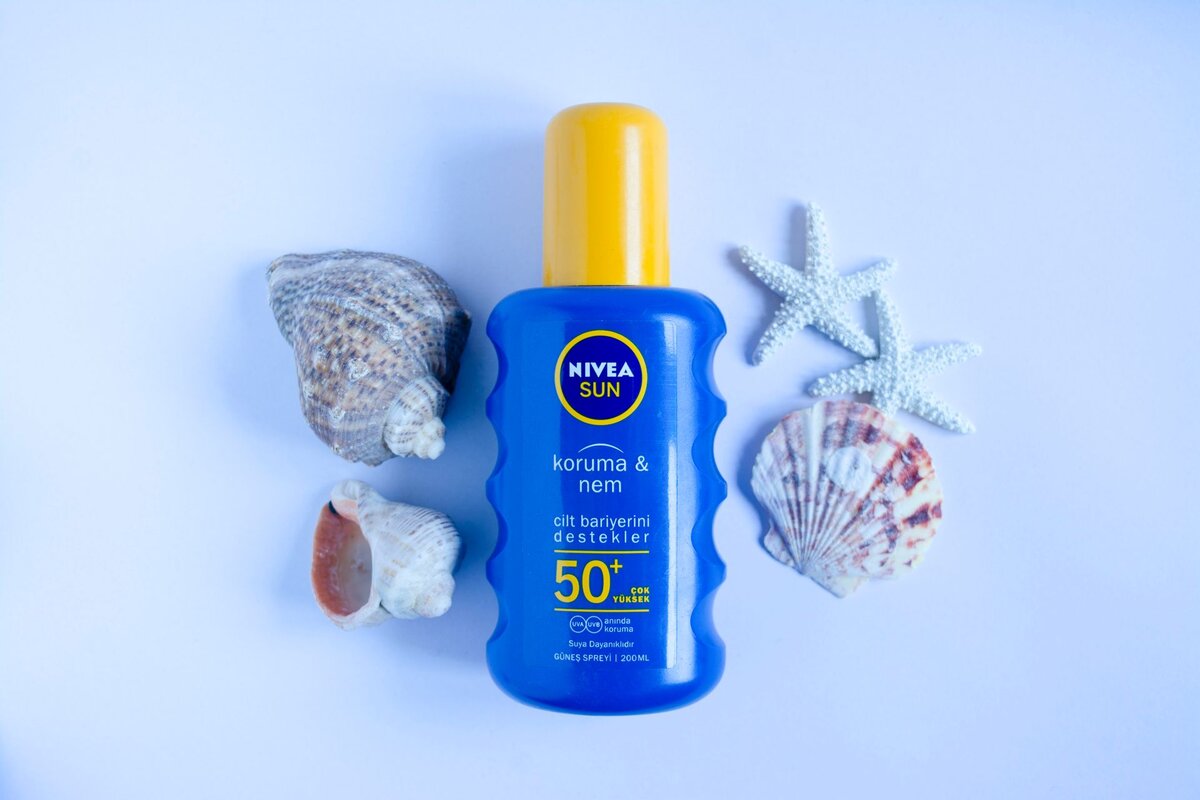
- Sun protection — SPF 50+ sunscreen and a panthenol spray for sunburn.
- Motion sickness — Aviomarin if you're prone to nausea and vomiting on boat trips.
- Minor injuries — antiseptic and tweezers. After contact with a sea urchin, don't try to dig the spines out deeply yourself.
- After contact with a jellyfish — an anti-itch remedy and your usual antihistamine for an allergic reaction. First-aid rules depend on the jellyfish species and the region.
- For the ears — after swimming, if there's pain or inflammation, don't use ear drops at random: discharge and severe pain call for a doctor's examination.
Also keep heatstroke in mind: severe weakness, confusion, dizziness, nausea and a high body temperature call for rapid cooling and medical help, not self-treatment.
Medicine kit for a mountain trip
In the mountains, add to the basic kit with altitude, intense sun, injuries and cold in mind:
- For altitude sickness — acetazolamide (Diamox) for prevention, only on a doctor's recommendation. Dexamethasone is used for severe cases under a medical protocol.
- Sun protection — SPF 50+ sunscreen against intense UV exposure at altitude.
- For injuries — an elastic bandage for sprains and other injuries.
- Against hypothermia — dry, layered clothing, frostbite cream and spare warm gear.
Medicines for trips to tropical countries
In regions with a malaria risk or other infectious diseases, tailor your kit to the specific route:
- For malaria — prophylaxis on prescription, strictly as directed by a doctor.
- Against bites — a 30–50% DEET repellent to protect against mosquitoes that carry infections.
- For diarrhoea — an extra supply of rehydration solutions.
- For severe travellers' diarrhoea — azithromycin or ciprofloxacin, only under a schedule agreed with a doctor beforehand.
- It's worth finding out in advance which vaccinations are recommended before travelling to a specific region — this builds up your immune protection well before the trip itself.
4–8 weeks before the trip, discuss vaccinations and malaria prophylaxis with a doctor if your destination calls for it. We've also written about the climate and seasons in Thailand and Vietnam — for destinations like these it's worth checking separately which risks are relevant for the specific region and time of year.
Business trips and short work travel
For a short business trip, the kit should take up minimum space and cover the most common problems on the road. A compact set should include:
- For pain and fever — paracetamol or ibuprofen.
- For diarrhoea — loperamide and a rehydration solution.
- For allergies — one blister strip of your usual antihistamine.
- For a runny nose — a mini nasal spray.
- For minor injuries — a few plasters and a small bottle of antiseptic.
A minimal set like this is easy to keep in a clear toiletry bag or a small zip pouch.
Rules for carrying medicines on a plane and across the border
Breaking the carriage rules can hold you up at security or customs.
- In your carry-on, keep your regular medicines, insulin, inhalers and anything you'll need during the flight.
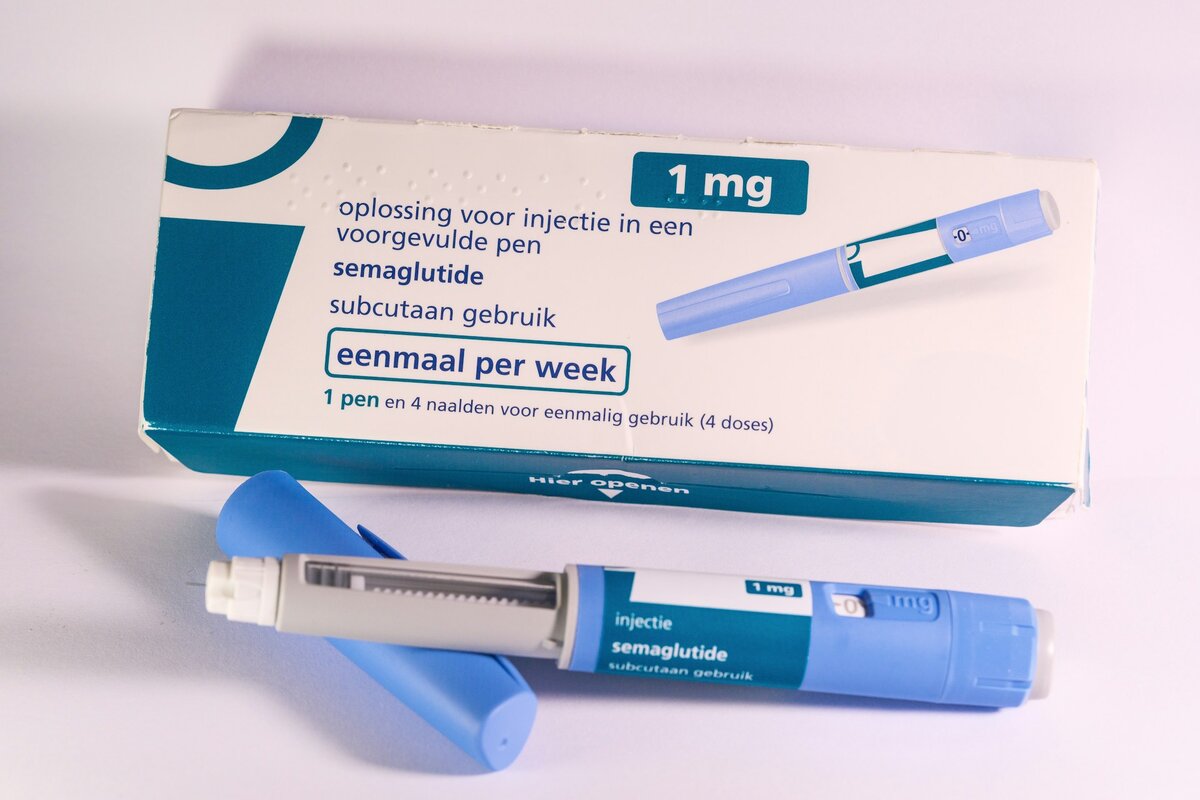
- Liquids travel in containers up to 100 ml in a clear bag up to 1 litre; exceptions to this limit are possible for necessary medicines — it's worth telling the security officer about this in advance.
- Prescription and controlled medicines should travel with a prescription or doctor's note, ideally translated into English, keeping the original factory packaging.
- Insulin should be protected from overheating and freezing, and carried in your hand luggage only.
- Before you fly, check the requirements of your airline and destination country.
For those entering or leaving Poland, specific quantity thresholds apply: over-the-counter medicines in a reasonable amount for personal use usually don't need to be declared, but prescription medicines, more than 5 packs of the same product, or medicines containing psychotropic or narcotic substances need to be declared in writing at the border. The import and export of narcotic and psychotropic medicines for personal treatment in Poland is governed by a regulation of the Minister of Health — detailed information and application forms are published by the Main Pharmaceutical Inspectorate (Główny Inspektorat Farmaceutyczny).
Medicines restricted in Poland and the European Union
There's no single universal list of banned medicines — the rules depend on the country. These require particular attention:
- opioid painkillers;
- psychotropic drugs;
- sleeping pills and sedatives containing controlled substances;
- medicines containing codeine, phenobarbital or other controlled ingredients.
Be careful with phenobarbital-based "heart and nerve" drops and tablets. Products popular across the former Soviet space, like Corvalol, Valocordin or Barboval, contain phenobarbital — a controlled substance from the barbiturate group. In Poland and other EU countries, bringing them in without a prescription or in large quantities can be challenged at the border, even if they're sold freely in the country of origin. If you take one of these regularly, carry a doctor's note and consider a legal alternative available in Poland instead.
Always check the rules of your specific destination country before travelling — they can differ even between neighbouring EU countries.
What to do if you can't find your medicine abroad
If your usual medicine isn't available at a local pharmacy, work through it step by step:
- Find the INN — the International Nonproprietary Name of the active substance — and show it to the pharmacist. This makes it easier to find an equivalent and find out whether a prescription is needed.
- Contact your insurance company. If your policy includes telemedicine, a doctor can remotely help you choose treatment or issue a prescription.
- Go to a clinic if symptoms are serious or you suspect an infectious disease.
Before the trip, it's worth photographing the packaging and ingredients of your regular medicines, and saving their INNs on your phone.
How to pack and store medicines while travelling
Packing
- Keep the original packaging. Leave the medicine in its labelled blister pack or bottle; a pill organiser is easier to fill once you've arrived.
- Split your kit up. The main supply can go separately in checked baggage, while the medicines you need day-to-day stay with you.
- Pack your carry-on. Put insulin and other regular medicines, a painkiller, plasters and nasal spray in there.
- Keep a list. Save the names of your medicines and their INNs on your phone.
Storage
Improper storage can reduce a medicine's effectiveness, so check expiry dates, the condition of the packaging, and the manufacturer's storage requirements before you travel.
- Store tablets, gels and antiseptics at the temperature stated on the leaflet — there's no universal storage regime for all medicines.
- In a hot climate, don't leave your kit in a car, on the beach or in direct sunlight.
- Protect insulin and other temperature-sensitive medicines from both overheating and freezing — use a proper cooling case and don't place the medicine directly on ice or a cold pack.
- Store melatonin and other medicines according to the manufacturer's labelling.
Final checklist: medicines for your trip
Before you travel, check yourself against this short checklist to see whether everything you need is in your kit:
- Basic set: paracetamol or ibuprofen, loperamide and a rehydration solution, an antihistamine, an antiseptic, plasters and dressings.
- Additionally: a motion sickness remedy, cold-symptom medicines you normally use, and your personal medicines, including insulin — with a buffer supply.
- By route: sea — SPF 50+ protection, panthenol and repellent; mountains — altitude sickness prophylaxis as prescribed; regions with infection risks — vaccination and stronger insect protection.
Practical tips
- Pack your kit for the specific route: sea, mountains and regions with infection risks each need different additions.
- Bring regular medicines for the entire length of the trip plus an extra buffer in case of delay.
- Don't decant tablets without labelling — keep the original packaging and readable blister strips.
- Photograph the packaging and save the international names of your medicines on your phone — this makes it easier to find an equivalent abroad.
- Check the expiry dates and storage requirements of your medicines before the trip.
- Find out in advance whether your medicines are allowed into your destination country.
- Don't check essential medicines and insulin into hold luggage.
- Pack a separate kit for a child and write down the dosages agreed with a paediatrician based on their weight in advance.
- Before a mountain or tropical trip, discuss prophylaxis, vaccination and additional medicines with a doctor in advance.
- Save your insurance assistance number — don't try to choose treatment yourself for serious symptoms.
Frequently asked questions about travel medicine kits
Can I carry medicines in my carry-on?
Yes. It's best to keep the medicines you need in your carry-on, in their original labelled packaging. Exceptions to the standard 100 ml liquid limit are possible for liquid medicines, but it's worth checking the specific airport's rules in advance.
Which motion sickness tablets are best to bring?
Dimenhydrinate (Aviomarin), for example, is commonly used. Take it ahead of time, per the leaflet; it can cause drowsiness and isn't suitable before driving.
What should I give a child for a fever while travelling?
Children's paracetamol or ibuprofen, per the leaflet, based on age and weight. Don't give both at the same time without a specialist's recommendation. Don't give aspirin to children under 16 without a doctor's prescription.
How should I store medicines correctly in a hot country?
Follow the storage conditions stated on the packaging. Don't leave your kit in a car or in the sun. Protect temperature-sensitive medicines from both overheating and freezing.
Do I need a doctor's note to carry medicines abroad?
Not always. It's particularly needed for controlled substances and injectable medicines, including insulin. Requirements depend on the country.
Do I have to get a doctor's prescription translated into English?
There's no universal requirement, but a translation or note in a language the destination country understands can make security checks easier — it's worth checking local rules in advance.
What medicines should I bring to Turkey?
The basic set: a fever reducer, a rehydration remedy, your usual antihistamine, plasters, an antiseptic and your regular medicines. Adjust the mix based on your route and health.
What medicines should I bring for a trip to Thailand and Vietnam?
Add a repellent and rehydration solution to the basic kit. Malaria prophylaxis is only needed for certain regions of Thailand and Vietnam and should be selected by a doctor — we've written more about this in our guide to choosing between Thailand and Vietnam.
Which repellent is best for a trip to Asia?
One based on DEET, picaridin or IR3535. Choose a registered repellent and apply it strictly according to the leaflet.
How do I cope with jet lag after a long flight?
Shift gradually onto the local sleep schedule and manage your light exposure carefully. Melatonin can help, but the timing depends on the direction of your flight and how many time zones you've crossed.
How do I find an equivalent medicine in another country?
Find the INN — the international name of the active substance — and show it to the pharmacist along with the original packaging or a prescription.
Is it worth bringing antibiotics on a trip?
Only if a doctor has prescribed a specific one in advance and explained when to take it. For mild travellers' diarrhoea, antibiotics usually aren't needed; for a severe case, treatment depends on the clinical situation.
Can I bring insulin on a plane?
Yes. Insulin is kept in carry-on luggage and protected from overheating and freezing. For injectable medicines, it's worth carrying a doctor's note.
What should I do if I run out of a medicine abroad?
Go to a pharmacy with the original packaging, prescription and INN. If the medicine is prescription-only or symptoms are serious, contact your insurance assistance line and a doctor.
Can I bring Corvalol or similar drops into Poland?
They contain phenobarbital — a controlled substance — so bringing them in without a prescription or in a large quantity can be challenged at the border. It's safer to carry a doctor's note or consider a legal alternative available in Poland.
Which antihistamines don't cause drowsiness?
Loratadine, fexofenadine and cetirizine are considered less sedating antihistamines. Drowsiness is still possible, though, so factor in your own individual reaction.
Conclusion
The biggest mistake is assuming you won't need a travel medicine kit
Pack the basic set, add medicines for your specific route, package each one properly, and keep the checklist from this article. A well-packed medicine kit doesn't guarantee nothing will happen — but it does guarantee that when something does, you'll have exactly what you need close at hand, instead of searching for an open pharmacy at two in the morning in an unfamiliar city.

Final tip:
If you take regular medicines or you're travelling with a child, pack that part of your kit with its own separate buffer supply and always keep it in your carry-on — it's the only guarantee it arrives with you, even if the rest of your luggage is delayed.
- Airline Baggage Rules
- Charter vs Scheduled Flight
- Damaged Baggage at the Airport
- Laptop in Carry-On Luggage
- How to Carry Alcohol on a Plane
- What's Banned on a Plane



 Holidays


 Last minute
 Hotels


 Blog
Blog