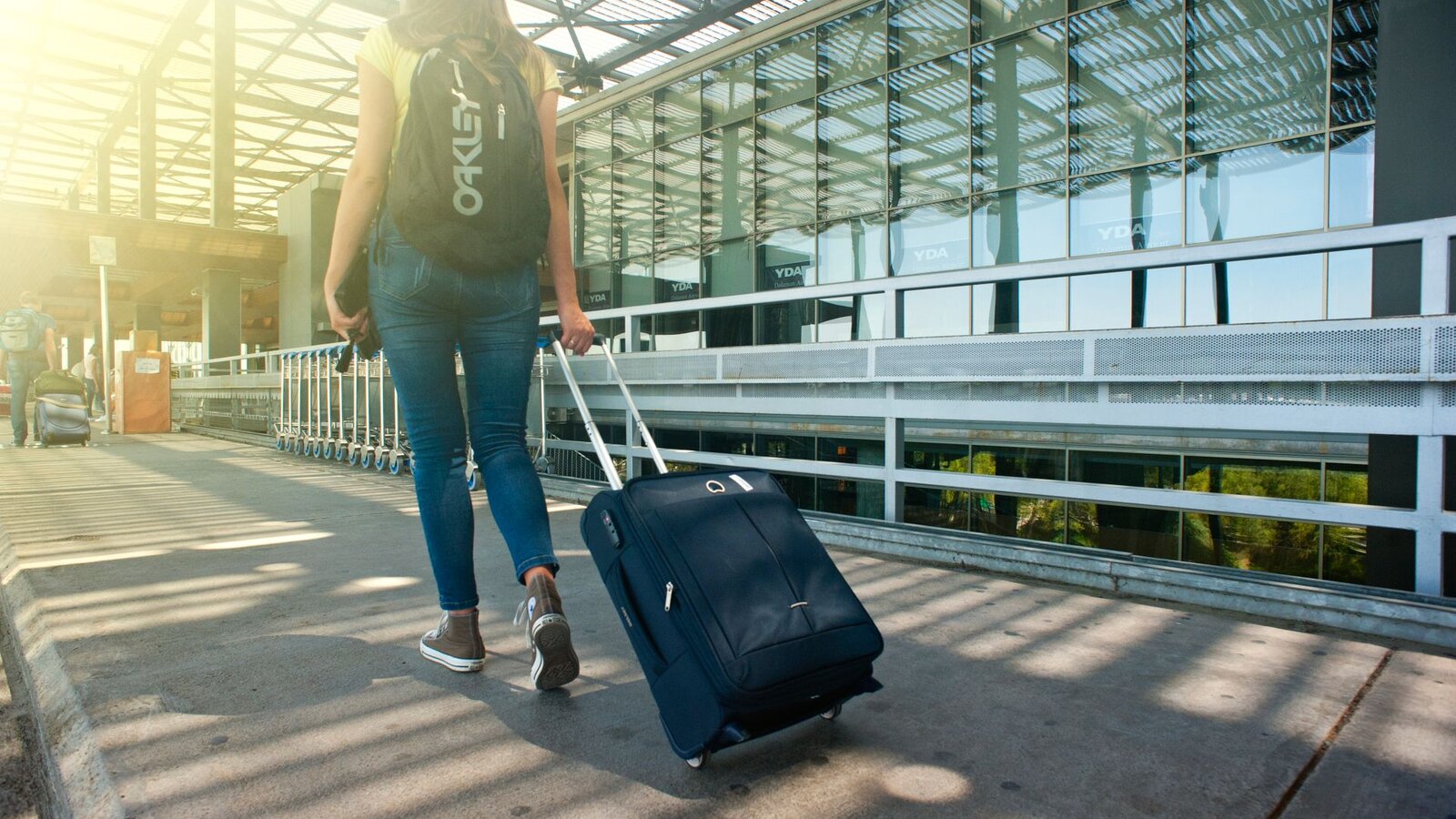
The most expensive mistake at check-in isn't packing something banned — it's assuming baggage rules are the same everywhere. There's no single global weight or size limit for luggage: ICAO and IATA set general safety and handling standards, but the actual allowance is set by each airline individually, based on the route, the fare class and the aircraft type. A "23 kg checked bag" on one airline can mean "no checked bag at all unless you pay extra" on another, and a bag that fits the cabin-luggage frame at one airport can still get flagged at the gate on a different flight with the same airline. We've put together a complete 2026 guide to baggage rules: weight and size limits by airline, what you can and can't pack, the liquids rule, sports equipment and pets, oversized baggage, and what to do if your suitcase doesn't meet the limit at check-in.
Quick navigation — jump straight to the section you need:
- Checked baggage vs carry-on vs personal item → what the difference actually is
- Who sets the rules → ICAO, IATA and the airline's own terms
- Checked baggage weight limits → by airline
- Carry-on weight and size limits → by airline
- Baggage size limits → the 158 cm rule and suitcase sizing
- What you can pack in checked baggage → liquids, food, medicines, electronics
- The 100 ml liquids rule → what counts as a liquid
- What's banned → absolute bans and conditional restrictions
- Oversized and special baggage → sports gear, instruments, pets, fragile items
- If your bag exceeds the limit → what happens at check-in
- Lost, delayed or damaged baggage → what to do
- Common mistakes → what trips passengers up most often
- Frequently asked questions → FAQ on baggage rules
Checked baggage, carry-on and personal item: what's the difference
Baggage rules split into three categories, and each one has its own weight and size allowance:
- Checked baggage — a suitcase or large bag handed over at check-in and carried in the aircraft's hold. It's not accessible during the flight.
- Carry-on (cabin baggage) — a bag that travels with you in the cabin, usually stored in the overhead bin.
- Personal item — a smaller bag some airlines allow in addition to carry-on: a laptop bag, small backpack or handbag that fits under the seat in front of you.
Not every airline separates all three categories the same way — some low-cost carriers only allow a free personal item on the basic fare and charge extra for anything larger, including a standard cabin bag. We've covered the difference between carry-on and personal item in more detail, along with airline-by-airline cabin baggage limits, in our guide to flying with a laptop.
Who actually sets baggage rules
There's no single worldwide baggage limit. ICAO (the International Civil Aviation Organization) and IATA (the International Air Transport Association) set general safety, handling and dangerous-goods standards that airlines follow, but the specific weight and size allowance for checked and carry-on baggage is set by each airline individually, based on the route, fare class and aircraft type. Within the EU, national aviation authorities — in Poland, the Civil Aviation Authority (Urząd Lotnictwa Cywilnego, ULC) — oversee compliance with these safety standards, but they don't set a uniform weight limit either.
In practice, this means the same route can have different baggage rules depending purely on which airline and which fare you book — always check the current terms on the airline's own website, in the booking confirmation, or through customer support before you fly. Third-party comparison sites and search engines sometimes show outdated figures.
Checked baggage weight limits by airline
On average, an economy passenger can check 20–23 kg of luggage if checked baggage is included in the fare. Airlines use one of two systems: a weight-based system, where the total weight matters regardless of how many bags it's split across (within a piece limit), or a piece-based system, where the number of bags and the weight of each individual bag are both capped. A single suitcase's weight limit is usually capped at 32 kg, mainly for the safety of baggage handlers.
| Airline | Typical checked baggage allowance (economy) |
|---|---|
| LOT Polish Airlines | 23 kg, included in most fares except the most basic "Light" fare, where it's a paid extra |
| Ryanair | No free checked bag on any fare — purchased separately, typically in 20 kg tiers |
| Wizzair | No free checked bag on the basic fare — purchased separately, typically 20 kg or 32 kg tiers |
| Turkish Airlines | 20–30 kg, depending on the route and fare class |
| Lufthansa | 23 kg in standard economy |
| Emirates | 23–30 kg in economy, depending on the route and fare |
| Qatar Airways | 23–30 kg in economy, depending on the route and fare |
| Enter Air (charter) | Usually 20 kg, included in most package holiday tours — confirm with your tour operator |
Choosing a fare with or without checked baggage
A fare without checked baggage can look cheaper at first glance, but the final price often changes once a suitcase is added. Before buying, compare two options side by side: "basic fare + add baggage online" versus a fare that already includes baggage. With low-cost carriers, adding a bag at the airport is almost always more expensive than buying it in advance online. Most airlines let you add baggage after booking, but the deadline and the exact allowance are worth checking as early as possible — prices for adding a bag typically rise the closer you get to departure.
Carry-on weight and size limits by airline
Carry-on allowances are generally stricter and more variable between airlines than checked baggage. A quick reference:
| Airline | Max carry-on weight | Max dimensions |
|---|---|---|
| LOT Polish Airlines | 8 kg | 55×40×23 cm |
| Ryanair | 10 kg (paid, from the Priority fare upward) | 55×40×20 cm |
| Wizzair | 10 kg (with WIZZ Priority) | 55×40×23 cm |
| Turkish Airlines | 8 kg | 55×40×23 cm |
| Lufthansa | 8 kg | 55×40×23 cm |
| Emirates | 7 kg in economy, 10 kg in premium economy | 55×38×22 cm |
| Qatar Airways | 7 kg in economy | 50×37×25 cm |
| Enter Air (charter) | 8 kg, confirm with your tour operator | usually 55×40×20 cm |
Low-cost carriers in particular check cabin bag weight and dimensions very strictly, often with a measuring frame right at the gate. A soft-sided bag squeezes into the frame more easily than a rigid, wheeled case, which can get flagged even when it's technically within the stated dimensions.
Baggage size limits: the 158 cm rule and suitcase sizing
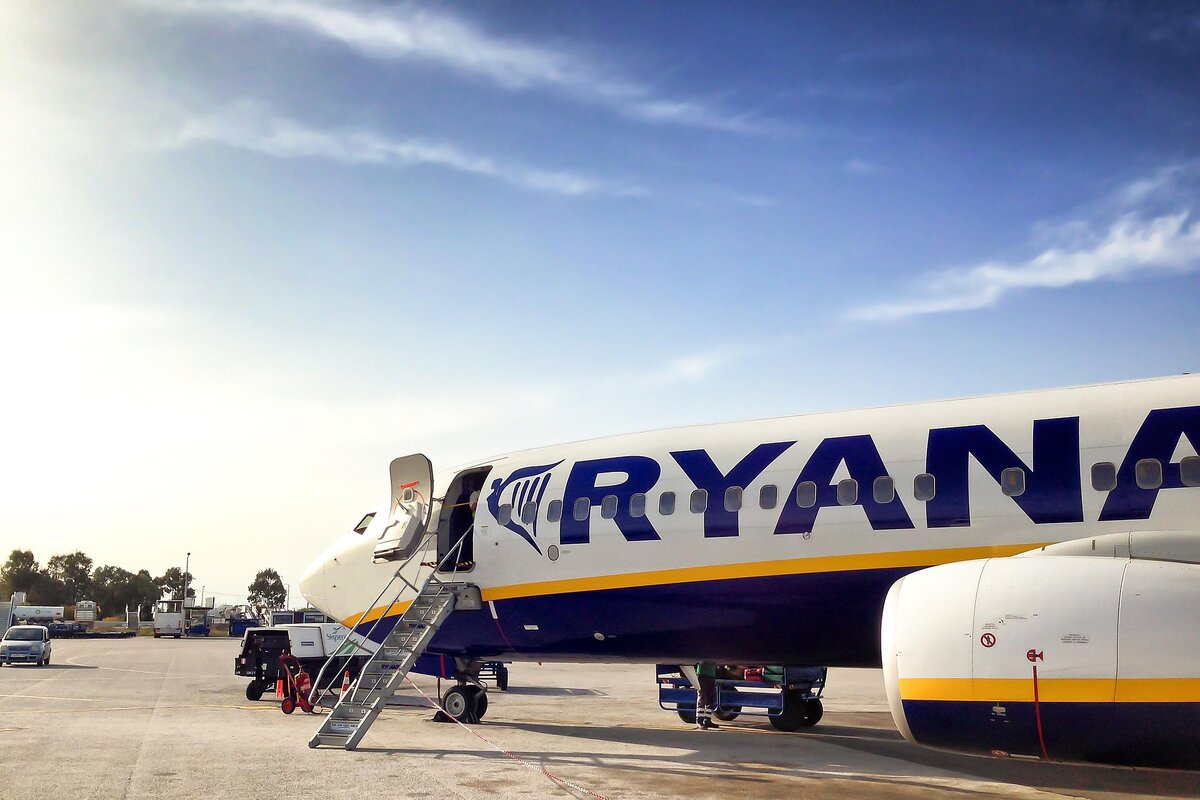
Baggage size is measured by three linear dimensions: length, width and height. For checked baggage, a common threshold is a combined total of 158 cm for the three dimensions together, though the exact figure is set by each airline — some carriers apply a higher limit, up to around 203 cm, for business and premium cabins.
Always measure the suitcase's full outer dimensions with a tape measure, including wheels, handles and any protruding corners — not just the main body of the case. This is the single most common reason a "compliant" suitcase gets flagged as oversized at check-in.
Common suitcase size categories
- S (small/cabin size) — roughly 55×40×20 cm: usually fits within carry-on limits.
- M (medium) — roughly 65×45×25 cm: fits within most airlines' checked baggage size allowance.
- L (large) — roughly 75×50×30 cm: check the specific airline's limit before relying on it.
What you can pack in checked baggage
Most everyday items travel without any issue in checked baggage: clothing, shoes, toiletries, books and general personal belongings. A handful of categories are separately regulated, though — liquids, electronics and anything that could be considered hazardous.
Medicines, baby food and mobility aids
Necessary medicines, including liquid medication and insulin, are allowed in carry-on luggage. For prescription medicines exceeding 100 ml, it's worth carrying a prescription or a doctor's note — security staff can ask for it during screening. Baby food, water and formula are allowed in the quantity needed for the journey. Crutches, wheelchairs and other mobility aids are usually carried free of charge, but it's worth confirming the specific conditions with the airline in advance. We've written more about medicines specifically, including what's restricted in Poland and the EU, in our travel medicine kit guide.
Electronics and lithium batteries
Power banks and spare lithium-ion batteries travel in carry-on luggage only, since improper packing can turn them into a fire risk. A laptop, tablet or camera can go in checked baggage if the device is switched off and protected from damage, though it's generally safer to keep electronics in the cabin. Batteries up to 100 Wh are usually allowed without approval, batteries between 100 and 160 Wh need the airline's prior approval, and anything above 160 Wh is banned from the passenger cabin and hold alike. We cover this in full detail, including a breakdown by battery capacity, in our guide to flying with a laptop.
The 100 ml liquids rule for carry-on
Liquids in carry-on luggage are limited to containers of 100 ml or less, all packed together in a single clear, resealable bag of up to 1 litre. "Liquids" in this context is a broader category than it sounds and also includes:
- toothpaste;
- creams and gels;
- shaving foam;
- aerosols and mascara.
Larger containers can go in checked baggage instead, as long as the contents aren't classified as a hazardous substance. Some European airports, including selected security lanes at Warsaw Chopin Airport, have started rolling out modern CT scanners that make it unnecessary to remove liquids or laptops from your bag — but this isn't standard practice everywhere yet, so it's best to follow the instructions of staff at the specific lane you're sent to.
What's banned: prohibited and restricted items
Following baggage rules isn't optional — a prohibited item found during screening can be confiscated, and depending on what it is and the circumstances, it can also lead to administrative or criminal liability. Restrictions come from aviation security regulations and from each airline's own conditions of carriage.
Broadly, restrictions split into two groups: items that are banned outright, and items that are allowed only under specific conditions.
Absolutely prohibited — not allowed in carry-on or checked baggage
- explosives, pyrotechnics, fireworks and signal flares;
- flammable liquids and solids: fuel, solvents, paints, certain chemical mixtures;
- compressed and liquefied gases, unless specifically exempted by the airline;
- toxic, poisonous, radioactive, corrosive and infectious substances;
- items and liquids of unknown composition without original packaging;
- alcohol above 70% ABV;
- damaged or recalled lithium batteries, or devices showing signs of overheating or deformation.
Weapons, replica weapons, ammunition, and sharp objects and tools are checked separately. For an ordinary passenger, these items aren't allowed in the cabin at all, and carrying them in checked baggage is only possible with specific permits and in line with the carrier's rules.
Allowed under specific conditions
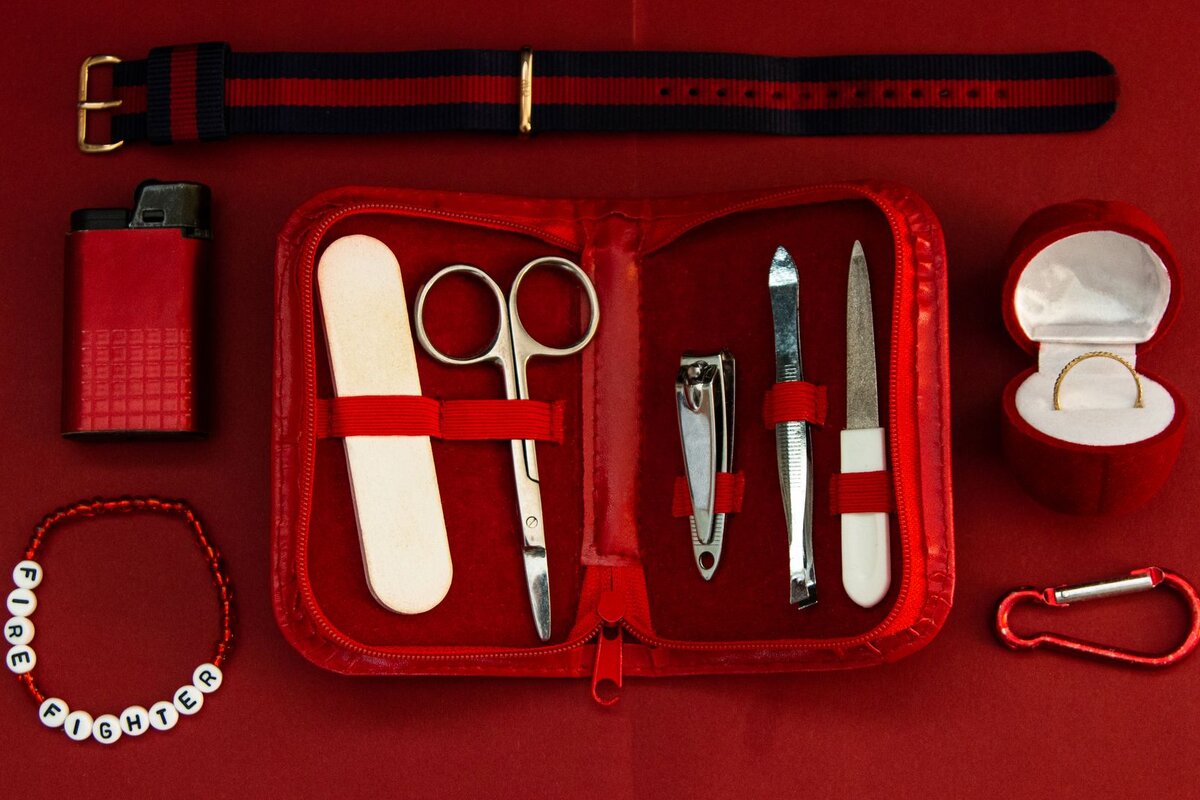
- scissors, nail files, razors and tools — usually checked baggage only;
- power banks and spare lithium-ion batteries — carry-on only, within the allowed capacity;
- alcohol at 24–70% ABV — a limited quantity in original packaging;
- medicines, syringes and medical devices — with a prescription or doctor's note if needed.
Before you fly, check the current list of prohibited items on your airline's and airport's websites — rules can differ by country, route and flight type.
Oversized and special baggage
Sports equipment, oversized items, fragile items and other non-standard baggage travel under separate rules. This kind of special baggage often needs advance approval and an additional fee. Most problems come up when a passenger doesn't notify the airline about oversized baggage in advance.
Sports equipment and oversized items
Skis, snowboards, bicycles, golf clubs and surfboards travel as special baggage. Terms depend on the airline: the equipment might fall within the standard allowance, be charged separately, or be accepted under a dedicated tariff — so it needs to be declared at the time of booking. Some airlines require advance approval for sports equipment, submitted no later than 24 hours before departure; others treat it as a standalone paid service where bicycles, skis, snowboards, golf gear, surfboards and similar equipment are accepted as their own category.
Skis and boards should be packed in protective covers, and a bicycle should go in a box or bag with the pedals removed and the handlebars turned. Before you fly, check the weight, size and price restrictions for sports equipment specifically — they're often different from the standard checked baggage allowance.
Travelling with pets
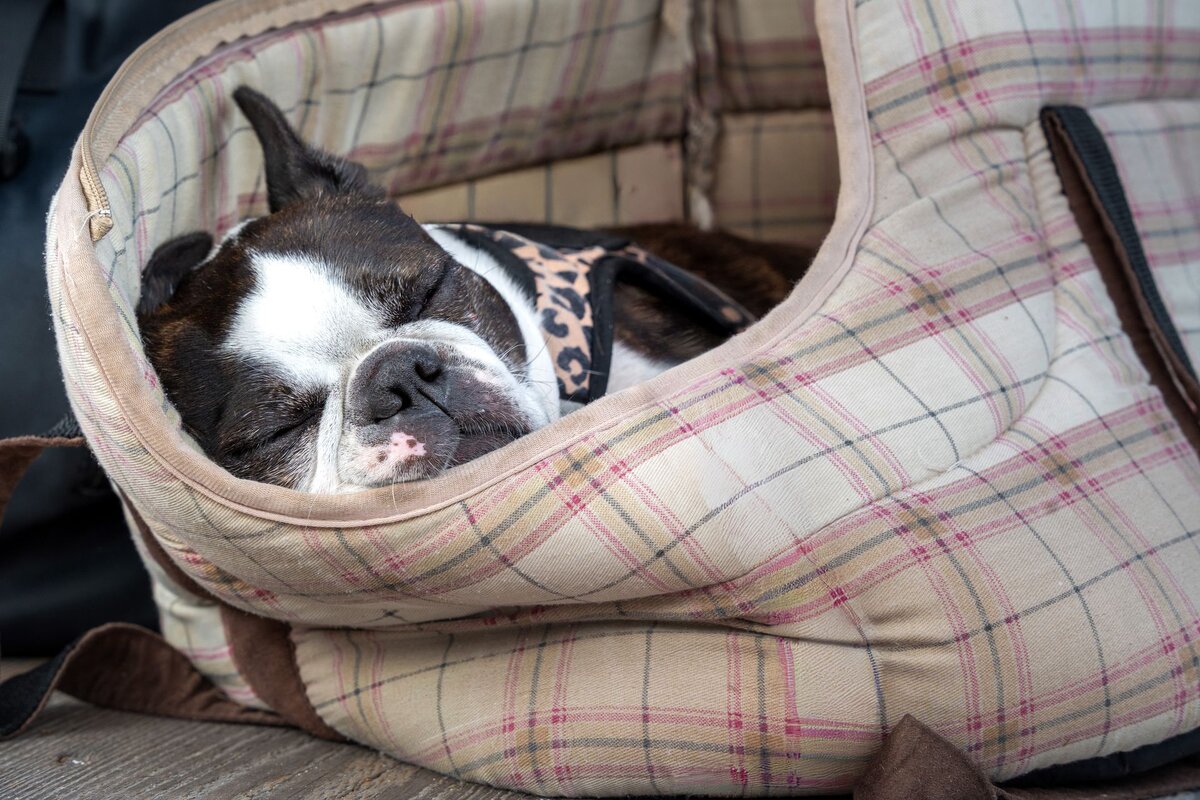
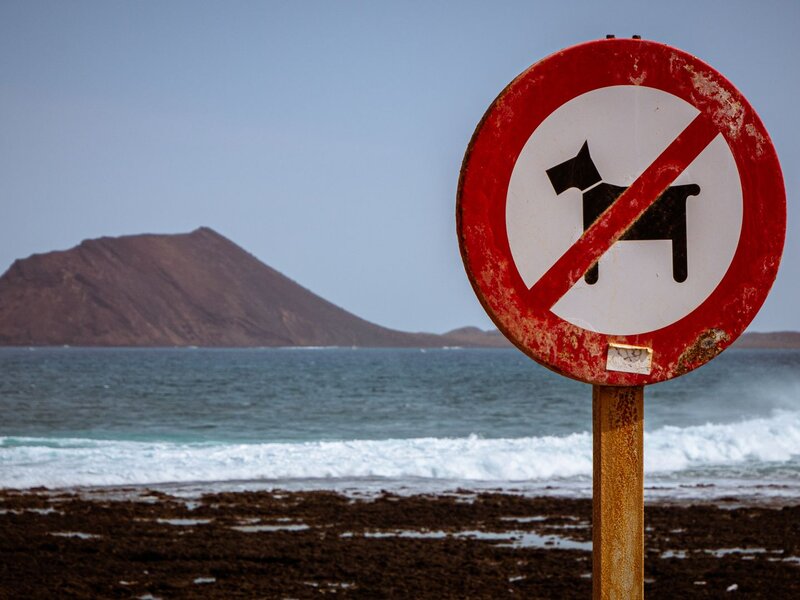
Travelling with pets falls under the special baggage category. A cat or small dog may be allowed in the cabin if its weight together with the carrier stays within the airline's limit — often around 8 kg. Larger animals travel in a dedicated section of the hold. A pet passport, vaccination records, a health certificate and the destination country's own documentation requirements are usually needed. Restrictions can apply to brachycephalic (flat-faced) breeds. Book a pet's place well in advance, since the number of animals allowed per flight is limited.
Fragile and valuable items
Pack fragile items in the centre of the suitcase, wrapped in clothing or bubble wrap. A "FRAGILE" label can draw staff attention, but it doesn't guarantee gentle handling. Don't pack the following in checked baggage:
- jewellery;
- cash;
- passports and documents;
- expensive electronics.
Carry valuable items in your cabin bag instead, and for genuinely expensive belongings, consider travel insurance with baggage cover. Check the conditions for carrying particularly fragile items with the airline directly.
If your bag exceeds the weight or size limit
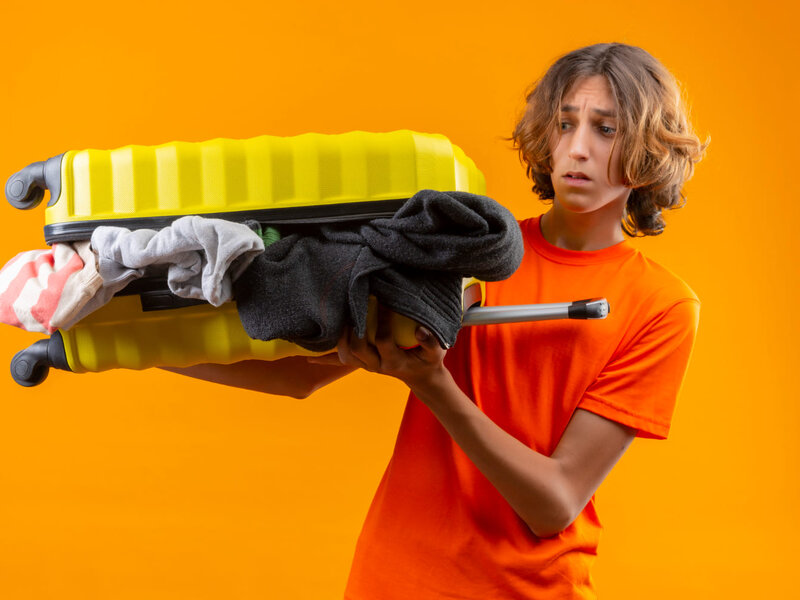
If a suitcase doesn't meet the size or weight allowance, the airline may register it as oversized or excess baggage and charge accordingly. Sometimes items can be moved into another bag or split across two pieces of luggage, if the fare allows this. For a significant excess in size or weight, the carrier is entitled to refuse to accept the bag altogether. Excess baggage fees at the airport are usually charged per whole kilogram and typically cost more than buying additional baggage allowance online in advance — the earlier you check and prepare, the cheaper it tends to be.
If your baggage is lost, delayed or damaged
If checked baggage doesn't arrive or turns up damaged, act while you're still in the arrivals area:
- Go to the Lost&Found desk before leaving the baggage claim area.
- Fill out a PIR (Property Irregularity Report) form and keep your own copy.
- Photograph the damage or the contents of the suitcase.
- Keep your boarding pass, baggage tag and any receipts for necessary purchases.
- Send a written claim to the airline within the required deadline.
On international flights, the carrier's liability for lost or damaged baggage is generally governed by the Montreal Convention, and compensation depends on the circumstances and the documentation you can provide. We've written a full, step-by-step guide to this process — including exact claim deadlines and current compensation limits — in our article on what to do if your baggage is damaged.
Common mistakes with baggage rules:
- Assuming the checked baggage weight limit from a previous trip still applies. Allowances vary by fare, route and even aircraft type — check the current terms for this specific booking, not a past one.
- Measuring only the suitcase's main body, not its full outer dimensions. Wheels, handles and protruding corners count toward the size limit and are the most common reason a "compliant" bag gets flagged at the gate.
- Packing power banks or spare batteries in checked baggage. This isn't a recommendation — it's a hard rule. Spare lithium-ion batteries are carry-on only.
- Not declaring sports equipment or oversized items in advance. Skis, bikes and similar gear often need to be booked as a separate service, sometimes up to 24 hours before departure.
- Packing jewellery, cash, documents or expensive electronics in the hold. Most airlines explicitly exclude these items from standard baggage liability, whether or not the suitcase itself gets damaged.
- Paying for excess baggage at the airport instead of online in advance. Adding baggage allowance ahead of time is almost always cheaper than paying for it — or for an overweight bag — at check-in.
Frequently asked questions about baggage rules
What's the standard checked baggage weight allowance?
There's no single limit for all flights — each airline sets it based on the fare and route. In economy, one piece of checked baggage up to 20–23 kg is common. With low-cost carriers, the basic fare often includes only carry-on, and a checked bag is a separate purchase. Always check the allowance listed on your specific ticket before you fly.
Can I pack food in checked baggage?
Usually, yes, as long as it's well packed and isn't on the prohibited list — perishable food and containers that could leak are the main things to avoid. On international flights, also check the customs and sanitary restrictions of the destination country, particularly for meat, dairy, fruit and plants.
What size should my suitcase be?
For checked baggage, many airlines set a limit of 158 cm for the combined length, width and height. Measure the case's full body along with its wheels, handles and any protruding parts. Exact allowances depend on the carrier, so check your ticket's terms before flying. Carry-on luggage has its own, separate size limits.
How much does excess baggage typically cost?
It depends on the airline, route, weight and how far in advance you buy it. As a general pattern, buying extra baggage allowance online in advance is cheaper than paying for excess weight at the airport, and prices for adding baggage tend to rise the closer you get to your departure date — it's worth checking and paying for any extra allowance as early as possible.
Can I bring alcohol in my suitcase?
Alcohol in its original packaging is allowed in checked baggage. Drinks up to 24% ABV aren't subject to special restrictions for dangerous goods; between 24% and 70% ABV, up to 5 litres per passenger is allowed, in containers no larger than 5 litres each. Alcohol above 70% ABV is banned.
What happens if my suitcase doesn't meet the size limit?
The airline may register it as oversized or excess baggage and charge accordingly. Sometimes items can be moved into another bag or split across two pieces of luggage, if your fare allows it. For a significant excess in size or weight, the carrier can refuse to accept the bag at all.
How do I transport a musical instrument?
A small instrument can usually travel as carry-on if it fits within the airline's size and weight limits. A larger instrument is carried either on its own separate passenger seat or as special checked baggage in a rigid protective case. The method and cost need to be agreed with the carrier before departure — secure padding inside the case matters especially for fragile instruments.

Do I need to notify the airline about sports equipment in advance?
Yes — bicycles, skis, snowboards, surfboards and similar equipment are best declared at the time of booking. Airlines can limit the number of special baggage slots available due to hold space and aircraft type, and they set their own requirements for packaging, maximum weight and additional fees. Without advance notice, the equipment may not be accepted for carriage at all.
Can I bring my pet in the cabin?
Small pets, typically cats and small dogs, can often travel in the cabin if their weight together with the carrier stays within the airline's limit — commonly around 8 kg. Larger animals travel in a dedicated section of the hold. Documentation requirements (a pet passport, vaccination records, health certificate) and booking deadlines vary, so check with the airline well before your trip.
Conclusion
Remember six rules before your trip
- Check the weight and size limits for both checked baggage and carry-on before you fly.
- Know the difference between carry-on and checked baggage, and which category your bag falls into.
- Pack liquids and batteries according to the rules.
- Don't pack valuables in checked baggage.
- Declare special baggage — sports equipment, pets, oversized items — in advance.
- Keep your baggage tag until the end of the trip.
Baggage allowances depend on the fare, class and destination. Check the current baggage rules on your airline's official website before every flight, rather than relying on what applied last time.
Final tip:
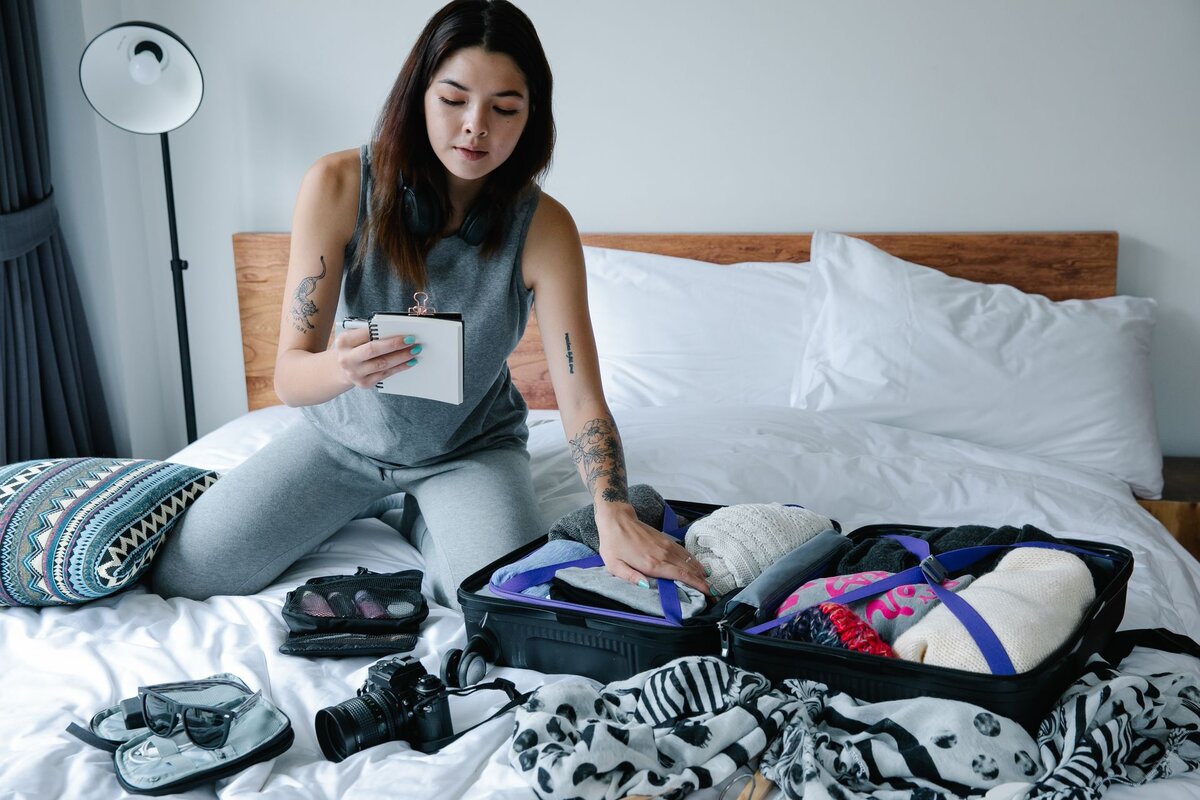
Weigh and measure your packed bag at home before you leave for the airport — a kitchen scale and a tape measure take five minutes and can save you a much more expensive surprise at check-in, especially with low-cost carriers that enforce their limits strictly.





 Holidays


 Last minute
 Hotels


 Blog
Blog