
In September, both Turkey and Greece show their best side: the sea holds its summer warmth, the daytime heat eases off, and prices drop a quarter to a third below August's. That's exactly why the weather won't settle this comparison — for sun and sea, September is equally good in both. Four other things decide it: your wallet, because Turkey is almost always cheaper; what's on your plate — Turkish ultra-all-inclusive behind the hotel gate versus Greek tavernas under the open sky; the character of the sea — warm, calm Mediterranean off Turkey's south coast versus the fresher, windier Aegean; and, most important for a flight from Poland, the border, because Greece is Schengen and Turkey isn't. 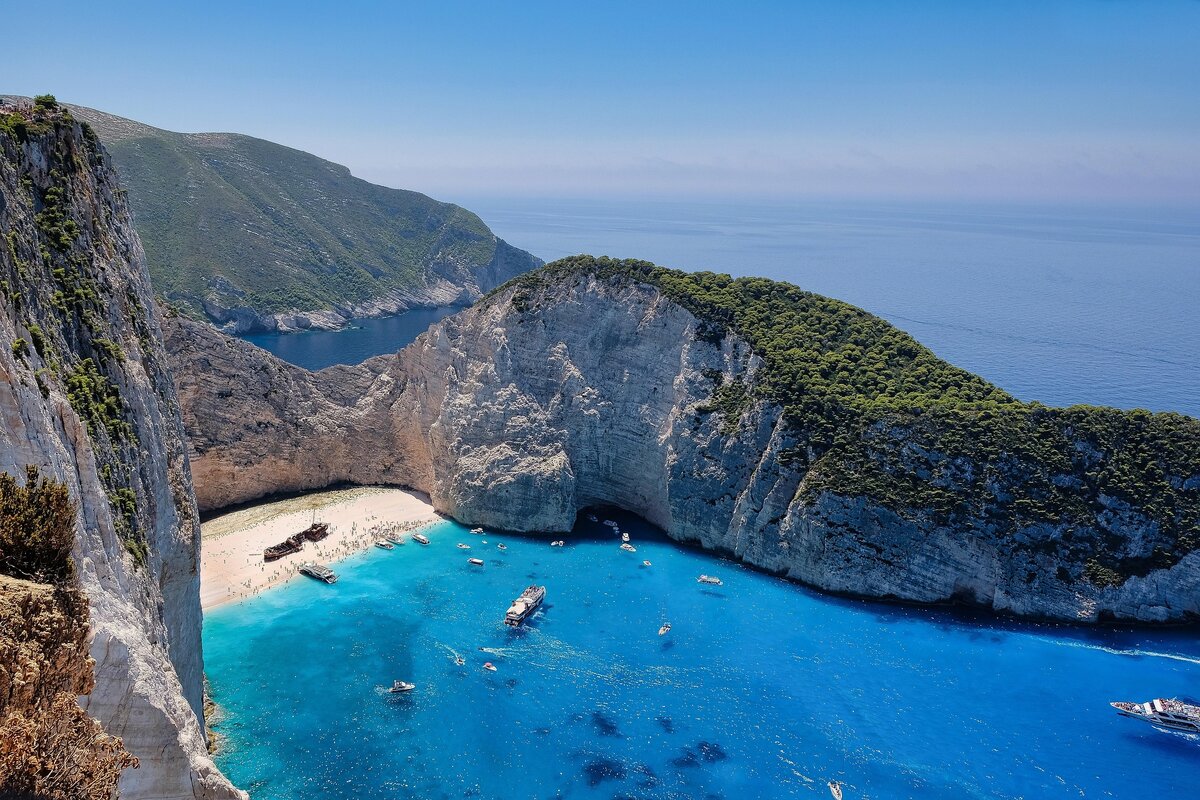
Below we break this comparison down by the factors that genuinely decide it: the weather and sea temperature in September, the money and where it's cheaper, all-inclusive versus tavernas, the character of the beaches and resorts, culture and excursions, and — separately — visas and the border when flying from Poland. At the end: a summary table, a checklist, common mistakes, and a verdict by traveller type.
- The short answer, no preamble → Turkey for whom, Greece for whom
- Where the sea is warmer in September → Weather and sea
- Where it's cheaper → Money
- The food and holiday format → All-inclusive or tavernas
- Beaches and resort character → Beaches
- Antiquity, excursions, character → Culture
- Visas and the border flying from Poland → Entry rules
- Compare everything at once → Comparison
The short answer: Turkey for whom, Greece for whom
If you want the answer without reading the whole piece, here it is.
Turkey, if: you want a budget all-inclusive holiday, you're travelling with children to water parks, you want the warmest sea available in September, and a short transfer to the beach without worrying about food
Greece, if: you love tavernas and eating out, islands and scenic towns, antiquity and atmosphere, and entering on a national ID card or a Polish residence permit is simpler for you than a visa to a non-EU country
The key factor flying from Poland: Greece is the EU and Schengen, Turkey isn't; for holders of a Polish residence permit and non-EU citizens, this can outweigh everything else
What follows is the detail behind why the answer is exactly that.
Weather and sea in September: where it's warmer
September is called the velvet season for good reason: the sea has warmed to its peak over summer, and the air has eased off August's heat. And here there's a genuine, not marketing, difference between the two countries — in the sea. Turkey's Mediterranean coast (Antalya, Belek, Side, Kemer) delivers the warmest water of any option in September, up to +27°C, with almost no swell. The Aegean — both Turkey's Bodrum and Marmaris, and most of the Greek islands — runs two to three degrees cooler and livelier, but in September the meltemi, the wind that bothered swimmers in August, dies down, and the Aegean coast becomes more comfortable than it was in summer.
| Destination (September) | Air (day) | Sea | Notable feature |
|---|---|---|---|
| Turkey, Mediterranean (Antalya, Belek, Side) | +30–33°C | +27°C | The warmest, calmest sea |
| Turkey, Aegean (Bodrum, Marmaris) | +28–30°C | +24–25°C | Fresher, wind easing by September |
| Greece, southern islands (Crete, Rhodes, Kos) | +27–29°C | +24–25°C | Long season, water warm into October |
| Greece, north (Halkidiki, Corfu) | +26–28°C | +23–24°C | Milder, greener, a touch cooler |
The verdict on the sea is simple: if the warmest possible swim is what matters most, Turkey's Mediterranean coast wins. But the gap is small and narrows towards the end of September — and Crete and Rhodes hold warm water into late October, longer than many of Turkey's Aegean resorts. 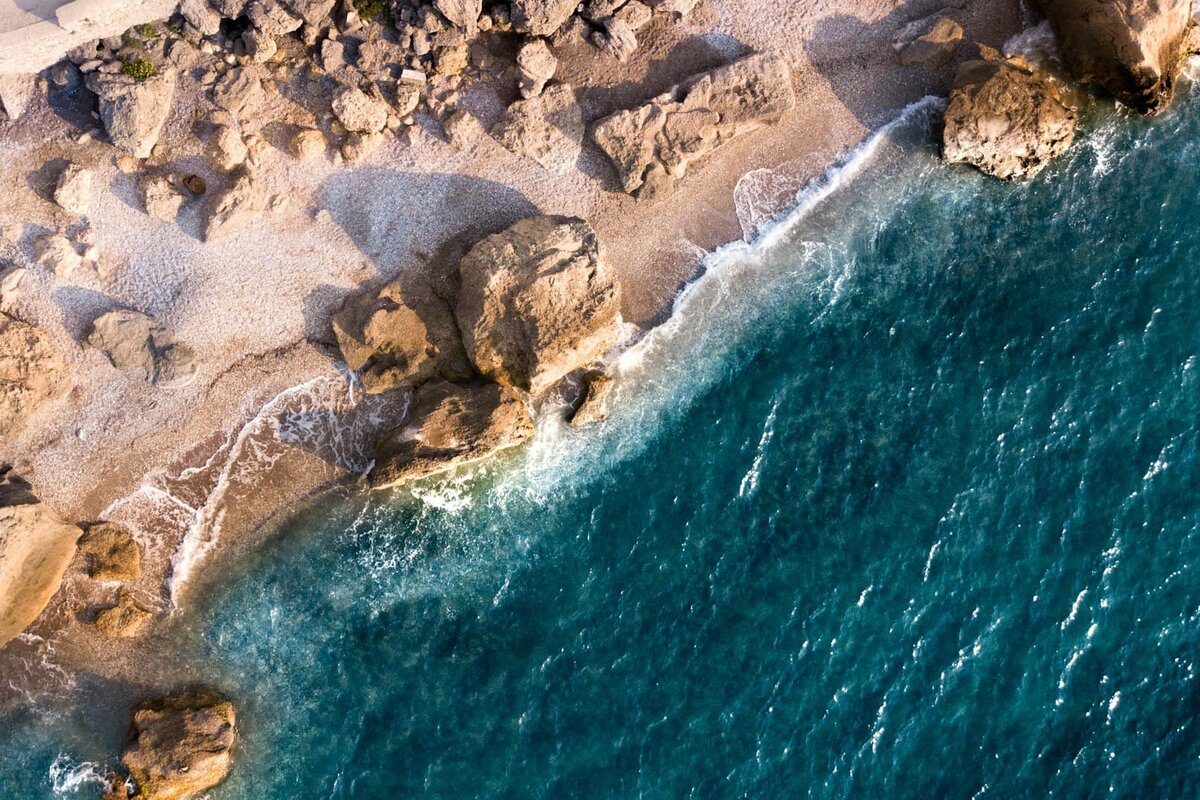
Money: where the holiday costs less
Here Turkey usually comes out ahead, noticeably so — especially in the all-inclusive format. For the same money, a Turkish hotel typically delivers a higher category and a richer food system than a Greek one. Greece runs more expensive on average, and there are extra costs worth knowing about in advance.
What matters about the money:
- Turkey is cheaper for all-inclusive. A week's ultra-all-inclusive package in Turkey usually costs less than a comparable one in Greece; the gap is especially wide for a family of four.
- Greece's climate fee. From April to October (including September), Greece applies a climate crisis resilience fee — €2 to €15 per room per night, depending on the hotel's category. It's often not included in the package price and is paid locally.
- Taxes and VAT. VAT on accommodation and restaurants runs higher in Greece than in Turkey, which shows up in the price of eating out. In Turkey, an accommodation tax of around 2% is usually already built into the package.
- Eating out. In Greece, a significant chunk of the budget goes on tavernas — that's part of the experience, but also a real expense; in Turkey, with ultra-all-inclusive, eating beyond the hotel is barely necessary.
Roughly, a week's trip for two flying from Poland in September: Turkey — PLN 3,500–8,500, usually all-inclusive; Greece — PLN 4,500–10,000 and up, usually with breakfast or half-board plus taverna spending and the climate fee. On a family holiday, the final difference can add up.
All-inclusive or tavernas: the main fork in format
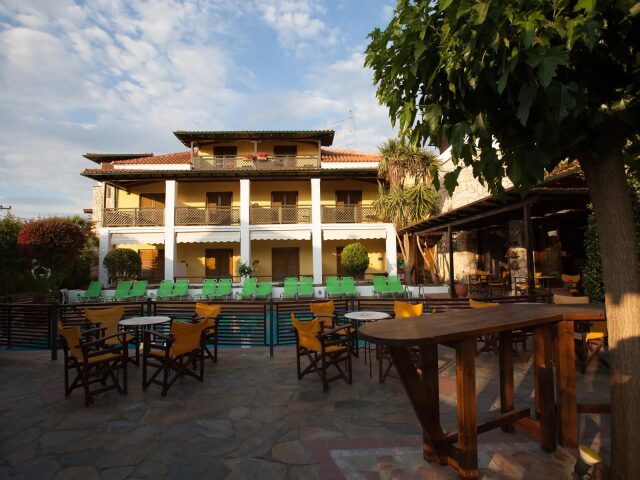
This is arguably more important than price: the two countries offer fundamentally different holiday scripts. Turkey is built around the all-inclusive system: a hotel with several restaurants, bars, a water park and entertainment is a self-contained world you could spend a week in without ever leaving. Greece is built the opposite way: all-inclusive exists here too, but it's weaker, and that's not really the point — eating beyond the hotel, in tavernas by the sea, makes up a significant part of a Greek holiday.
Turkey: ultra-all-inclusive, water parks, entertainment, everything behind the hotel gate — maximum convenience and predictability, especially with children
Greece: tavernas, walks, food and life beyond the hotel — more freedom and authenticity, but also more self-reliance
Who suits which: Turkey for families and fans of "don't think about anything"; Greece for anyone who values food and atmosphere over a buffet
Put simply: if your idea of a holiday is not having to think about anything, everything paid for, and the kids at the water park, that's the Turkish story. If a holiday means dining at a different taverna every evening, wandering through towns, and living outside the hotel's schedule, that's the Greek one.
Beaches and resort character
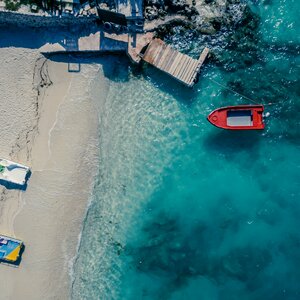
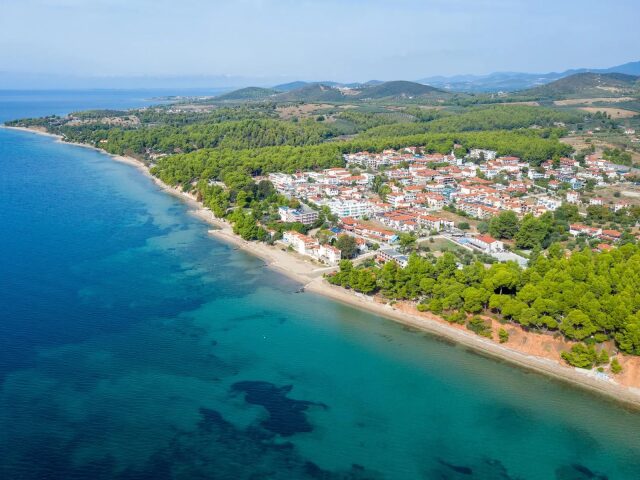
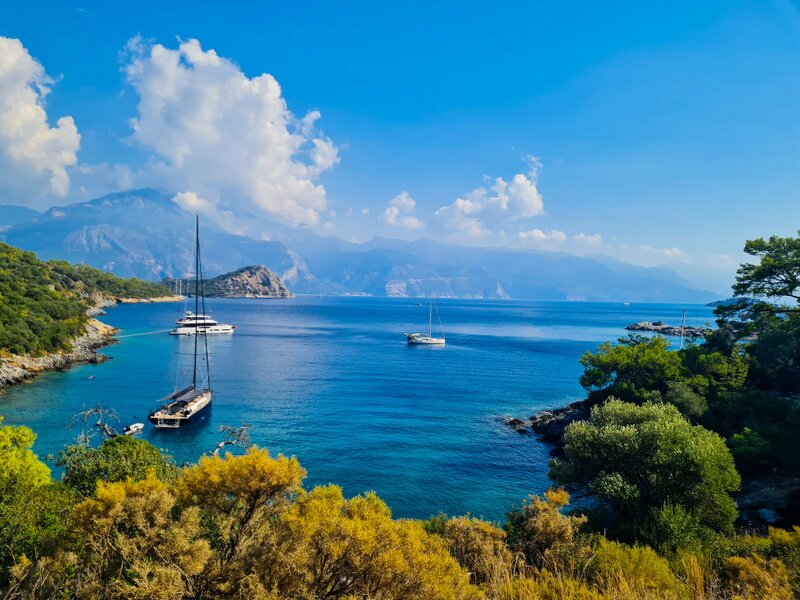
There's no clear winner on beaches — there's a difference in character. Turkey's Mediterranean coast is mostly pebble (Kemer) and sand-with-pebble (Belek, Side), with large hotel complexes lining the coast and a well-developed resort strip. Greece is primarily islands with enormous variety: from snow-white sand and turquoise water at select beaches to pebble and rocky coves, plus white towns that Turkey simply doesn't have. For "postcard" turquoise coves and variety, people head to Greece more often; for a single, well-oiled resort conveyor belt with water parks, they head to Turkey. 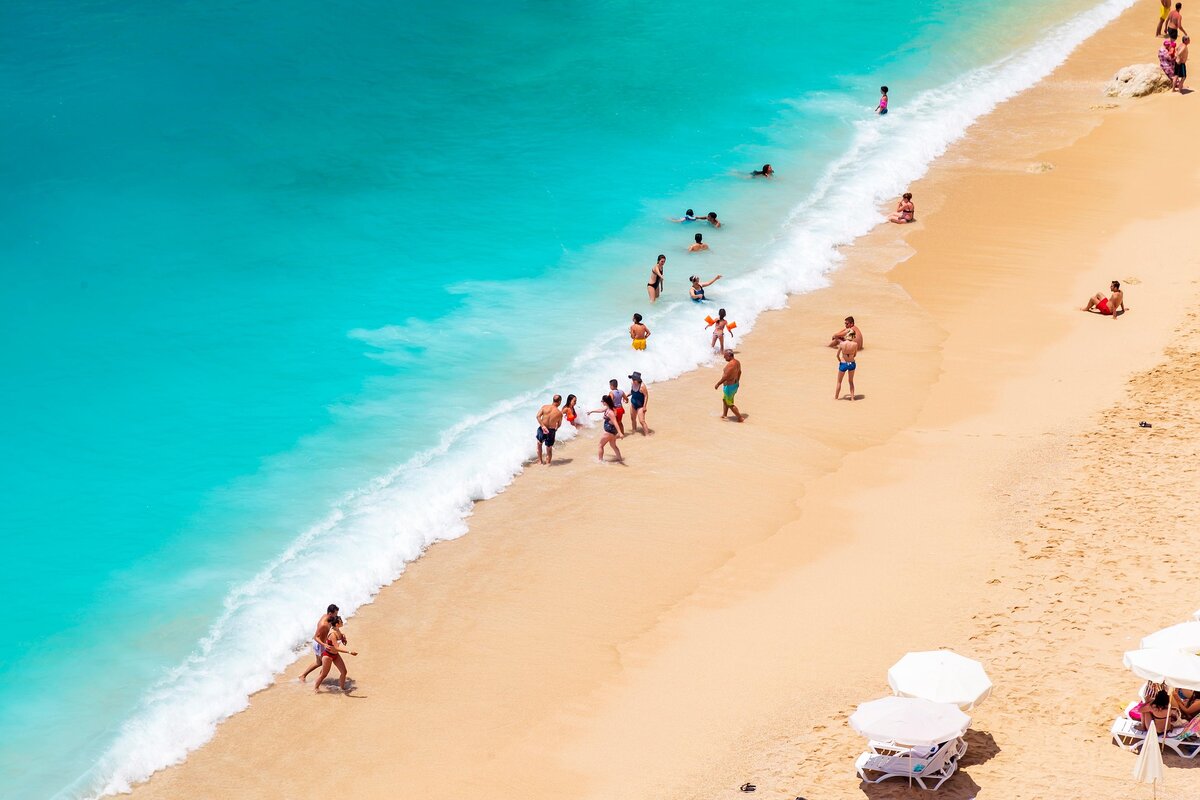
Beaches and resorts in brief:
- Turkey, Mediterranean: Belek — wide sand for families, Side — sand plus antiquity, Kemer — pebble and mountains, Alanya — budget.
- Turkey, Aegean: Bodrum and Marmaris — coves, sunbathing platforms, more stylish and windier.
- Greece, islands: Crete — everything at once, Rhodes and Kos — sand and history, Corfu — greenery, Santorini and Mykonos — views and atmosphere, not a beach conveyor.
- Greece, mainland: Halkidiki — pines and clean coves, a short transfer from Thessaloniki.
 Culture and excursions: a different character
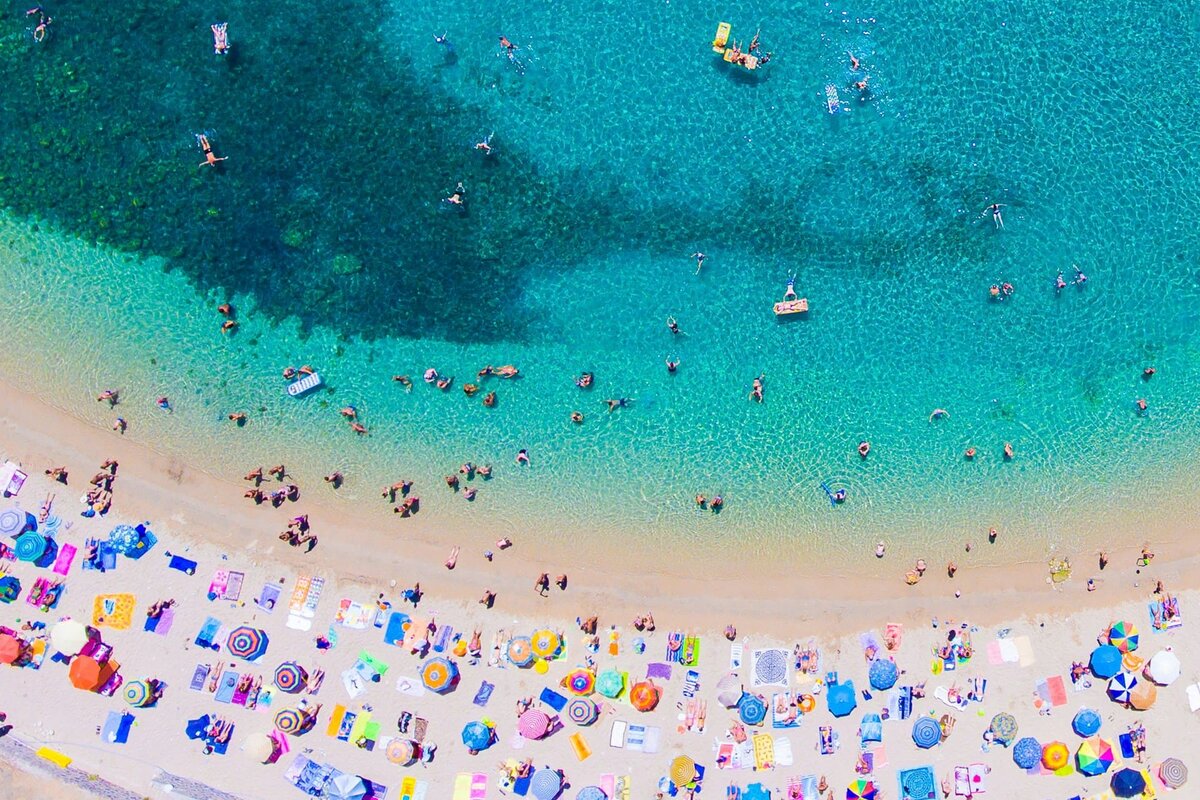
Both countries are strong on history, but in different ways. Greece is the cradle of antiquity in its purest form: the Acropolis in Athens, the Palace of Knossos on Crete, Delphi, crusader Rhodes, plus the very scenario of "island-hopping" by ferry. Turkey offers history that's just as rich, but with a different flavour: ancient Ephesus, the travertine terraces of Pamukkale, an optional side trip to Cappadocia, plus an eastern bazaar, a hammam, and cuisine that feels more exotic to a European. If you're after antiquity and a European atmosphere, choose Greece; if you're after an eastern character and a contrast with the familiar, choose Turkey.
- Greece: the Acropolis and Athens, Knossos and Minoan civilisation on Crete, Rhodes and Lindos, island-hopping by ferry, white villages.
- Turkey: Ephesus, Pamukkale, Cappadocia (a short flight away), bazaars and hammams, fortresses and ancient theatres along the coast.
- In common: September makes sightseeing more comfortable than the August heat does — in both countries it's the best month for excursions.
 Visas and the border flying from Poland
This is the factor that, for a Poland-based traveller, often settles the comparison before the conversation about beaches even starts — and it depends on your passport. Greece is part of the EU and Schengen, Turkey isn't, so the entry rules are fundamentally different.
Greece: the EU and Schengen
- Polish and EU/EEA citizens: entry on a passport or national ID card, no visa, no limit on length of stay.
- Non-EU residents of Poland: rules depend on nationality and residence status; a Polish residence permit grants the right to a short stay across Schengen, including Greece, without a separate visa.
- New for 2026: the automated EES system, recording biometric data on first entry, is being progressively rolled out at Schengen's external borders — this may add to border-crossing times.
Turkey: outside Schengen, nationality decides
- Polish and EU citizens: visa-free entry for up to 90 days on a passport or plastic national ID card. Important: the mObywatel app isn't accepted at the border — a physical document is required.
- Non-EU residents of Poland: rules depend solely on the nationality on your passport; a Polish residence permit has no bearing here, positive or negative.
- General note: a small tax is added to accommodation costs in Turkey, usually already included in the package. Rules change — check current requirements before travelling.
The practical takeaway: for a Polish citizen, the difference is mainly one of convenience (Greece is reachable on a national ID card, Turkey requires a passport). But for a holder of a Polish residence permit without a Schengen visa, it can be decisive: a residence permit lets you into Greece, while for Turkey only the nationality on your passport matters. Everyone should carry a physical document at the border, not an app.
Quick comparison: Turkey or Greece in September
Figures are indicative, for a 7-night trip for two departing Poland in September. The key rows are money, food format and the border: these, not the weather, most often decide it.
| Criterion | Turkey | Greece |
|---|---|---|
| Sea in September | +27°C (Mediterranean) — warmer | +24–25°C, warm into October |
| Price | Cheaper, especially all-inclusive | Pricier + climate fee |
| Food | Ultra-all-inclusive | Tavernas, eating out |
| Beaches | Pebble and sand, large hotels | Variety, turquoise coves |
| Culture | Eastern character, Ephesus, bazaars | Antiquity, islands, white towns |
| Visa (Poland/EU) | No visa, passport required | No visa, ID card accepted |
| Residence permit (no Schengen visa) | No bearing, nationality decides | Grants entry to Greece |
| Flight from Warsaw | ~2 hrs 50 min – 3 hrs 20 min | ~2 hrs 20 min – 3 hrs |
In short: Turkey wins on price, the all-inclusive format, and the warmest sea; 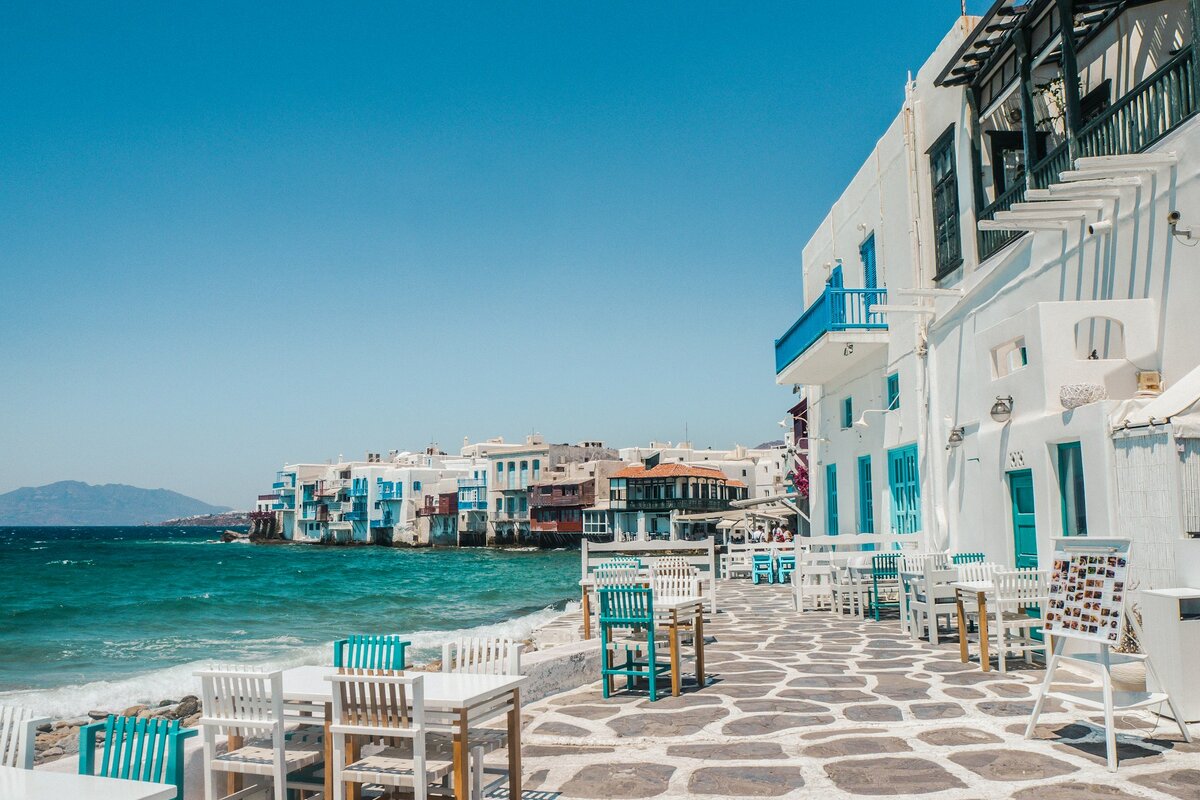 wins on food, atmosphere, the variety of islands, and simplicity of entry for anyone based in Poland. The weather in September favours both equally.
Checklist before choosing:
- Decide on the format: "all-inclusive and don't think about it" means Turkey; tavernas and life beyond the hotel means Greece. This decides more than price.
- Work out the total including hidden costs: in Greece, add the climate fee (€2–15 per room per night) and a budget for eating out.
- Check your entry document: Greece is reachable on a national ID card, Turkey requires a passport; mObywatel won't be accepted at Turkey's border.
- For holders of a residence permit without a Schengen visa: a permit gets you into Greece, while for Turkey only your passport nationality counts — this can decide everything.
- If the warmest possible sea is critical, choose Turkey's Mediterranean coast; if you need a longer warm September, Crete and Rhodes hold their water into October.
- Travelling with kids to water parks and ultra-all-inclusive, choose Turkey; for couples after atmosphere and food, choose Greece.
Common mistakes:
- Choosing by weather alone. In September both Turkey and Greece are good for sun and sea; money, format, beaches and the visa decide it, not the degrees.
- Comparing the bare package price without hidden costs. Greece adds the climate fee and taverna dining to the price — cheaper on paper doesn't always mean cheaper in practice.
- Expecting Turkish-style ultra-all-inclusive in Greece. It's weaker here, and that's not the point; if you're going to Greece, budget and plan for tavernas.
- Bringing your passport app to Turkey's border. mObywatel isn't accepted — you need a physical passport or plastic national ID card.
- A residence-permit holder planning Turkey like Greece. A residence permit doesn't work for Turkey — only the nationality on your passport counts; check your own rules in advance.
- Chasing postcard turquoise coves in Turkey's Mediterranean. That coast is more often pebble and large hotels; for "island" water and variety, choose Greece.
The verdict
So, Turkey or Greece in September?
Choose Turkey if you want to save money, holiday all-inclusive, travel with children to water parks, or care most about the warmest sea — Turkey's Mediterranean coast in September is warm, calm and predictable, and the "don't think about anything" format is more polished here than anywhere else. Choose Greece if a holiday for you means tavernas, islands, white towns and antiquity, if food and atmosphere matter more than a buffet, and if entering on a national ID card or residence permit is simpler for you than dealing with documents for a non-EU country. On weather, September favours both equally — so choose not by the sun, but by your wallet, your plate, and your passport.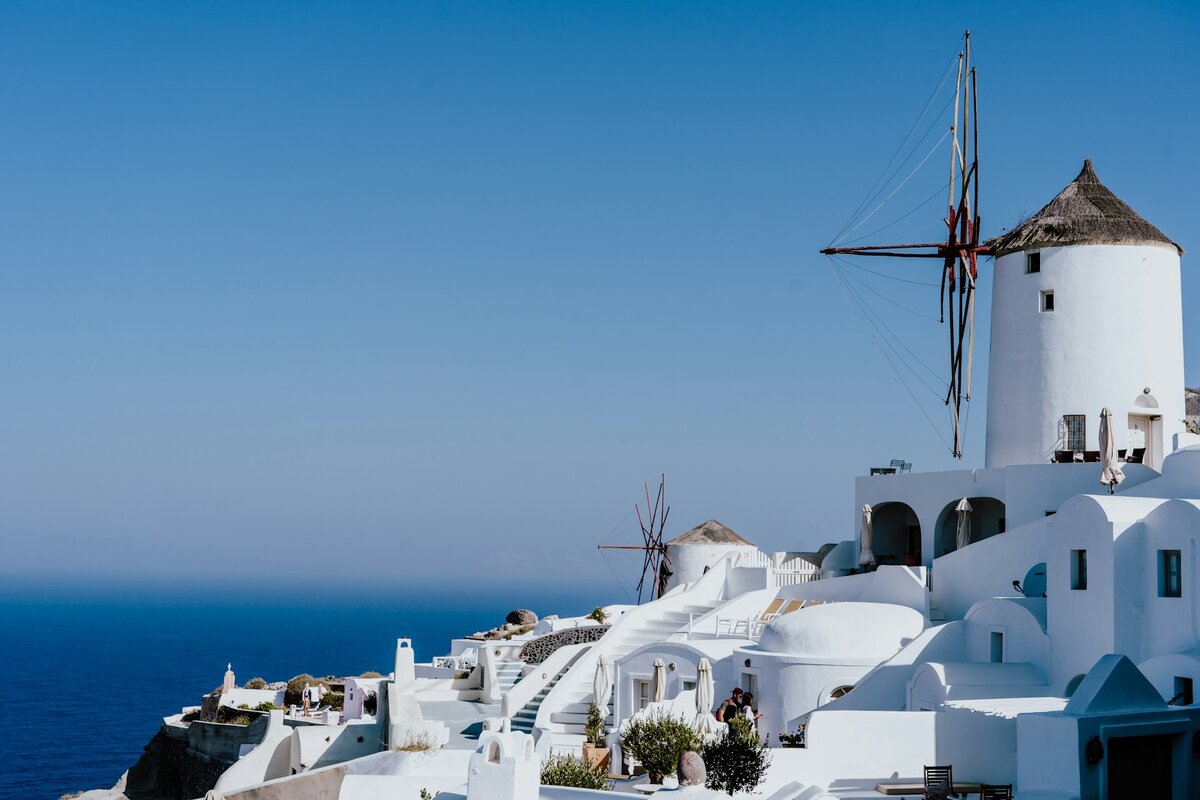
One last tip:
Boil the choice down to three questions: how much you're willing to spend including hidden costs, whether you want all-inclusive or tavernas, and what document you're carrying at the border. The answers will settle Turkey versus Greece faster than any temperature table — because in September the sea and the sun are on your side either way, and the real differences lie in money, format and the border.





 Holidays


 Last minute
 Hotels


 Blog
Blog